

If you’ve ever caught yourself hunched over your phone, chin nearly touching your chest, or slumped in your office chair for hours on end — you’re not alone. In fact, you’re part of a growing majority. Here in Magnolia, TX, one of the most common reasons people walk through the doors of Southern Wellness Chiropractic is neck pain, upper back tension, and headaches that seem to have no obvious cause. More often than not, the culprit is hiding in plain sight: the way we hold our bodies while using technology every single day.
What is Tech Neck? Tech neck — also called “text neck” — is a term used to describe the strain placed on the cervical spine (your neck) when you tilt your head forward and downward for extended periods, typically while using a smartphone, tablet, or computer. This forward head posture puts significantly more stress on the muscles, joints, and discs of the neck than a neutral, upright position does. And it’s not just a problem for adults — children and teenagers are experiencing it too.
What Is Tech Neck, Really?
The human head weighs roughly 10 to 12 pounds in a neutral, upright position. That’s already a significant load for your neck muscles and spine to support. But when you tilt your head forward — even just 15 degrees — that effective weight dramatically increases. At 45 degrees of forward tilt, the stress on your cervical spine can feel equivalent to supporting many times that weight. This isn’t a scare tactic. It’s basic biomechanics, and it helps explain why so many people are experiencing pain and discomfort they can’t quite explain.
Tech neck is the modern world’s version of a repetitive strain injury. Instead of a factory worker doing the same motion with their hands all day, it’s a student scrolling Instagram, a professional staring at a monitor, or a parent checking email on the couch. The motion is subtle, but the cumulative effect on your spine and surrounding musculature is very real. At Southern Wellness Chiropractic, Dr. John Tysdal sees this pattern regularly — and the good news is that it is very much addressable with the right care and awareness.
Beyond the neck itself, tech neck creates a cascade of effects throughout the upper body. The muscles of the upper back, shoulders, and chest all adapt to compensate for the forward head position. Over time, some muscles become chronically tight and shortened, while others become weak and overstretched. This imbalance doesn’t fix itself simply by putting the phone down — it often needs deliberate attention.
Common Causes: It’s Not Just Your Phone
While smartphones get most of the attention when we talk about tech neck, they’re just one piece of the puzzle. The reality is that most modern lifestyles involve multiple posture stressors stacking on top of each other throughout the day. Understanding all of them is key to making meaningful changes.
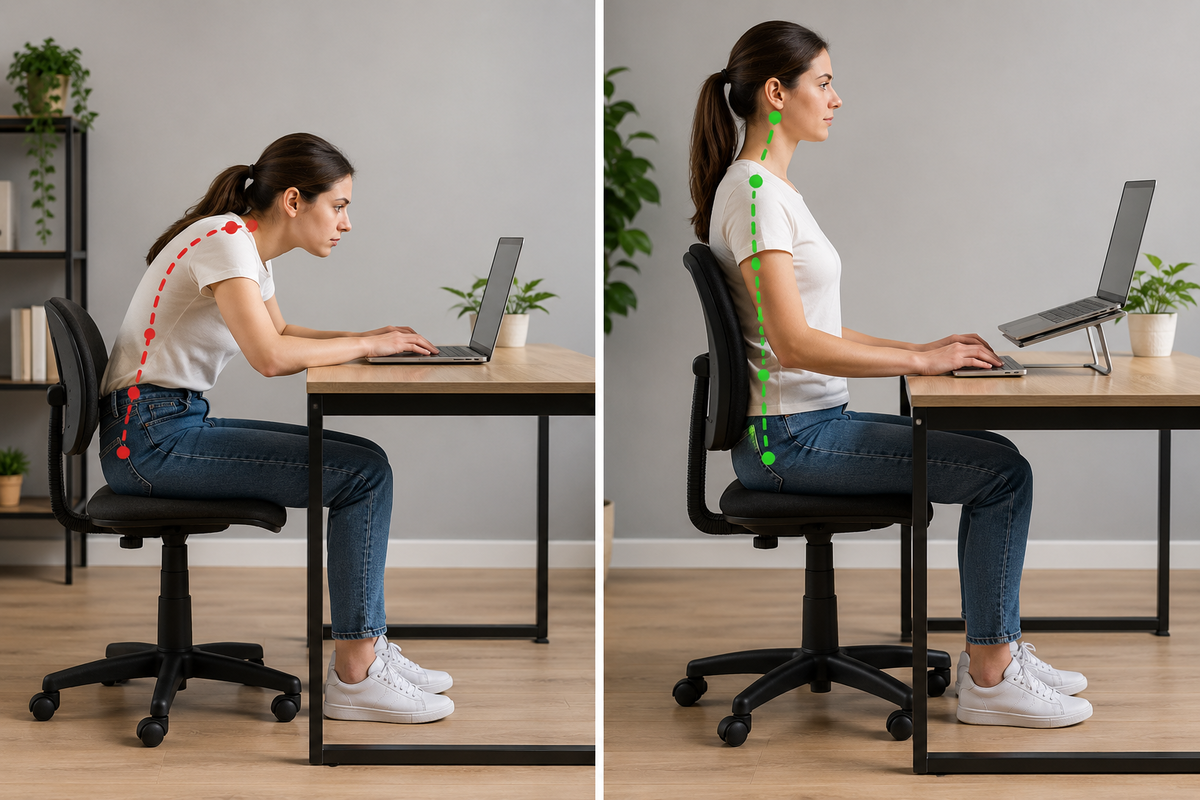
Desk work is one of the biggest contributors. If your monitor is too low, too far away, or positioned off to one side, your body naturally adapts — and not in a good way. Slouching in an office chair, letting your shoulders roll forward, and craning your neck toward the screen are all incredibly common habits. Here in Magnolia, TX, many of the working adults Dr. John Tysdal sees are spending six to ten hours a day in front of a computer with very little awareness of how they’re sitting.
Laptops are a particular challenge. When a laptop sits flat on a desk, the screen is almost always too low, forcing you to look downward. Without a separate monitor stand, keyboard, and mouse, there’s really no ergonomically sound way to use a laptop at a desk for extended periods. Tablets present a similar issue, especially when laid flat on a surface or held in the lap.
Driving is another underappreciated posture trap. Long commutes with poor seat positioning, forward head posture, and tension-gripping of the steering wheel can add hours of cumulative strain to an already overworked cervical spine. Even relaxing on the couch — propping yourself up on pillows to watch TV — often puts the neck in a compromised position for extended periods.
Signs and Symptoms to Watch For
Tech neck and poor desk posture don’t always announce themselves with dramatic, sudden pain. More often, they creep in gradually. The body is remarkably adaptive, and it will compensate for a long time before things become noticeable. By the time pain shows up, the underlying pattern has often been building for weeks, months, or even years.
Neck stiffness and achiness, especially toward the end of the workday or after prolonged screen time, is one of the earliest and most common signs. You might also notice a nagging tension between the shoulder blades, or tightness across the tops of the shoulders — areas that never quite seem to loosen up no matter how much you stretch or massage them.
Headaches are another telltale symptom. Tension-type headaches that begin at the base of the skull and radiate upward or into the temples are frequently linked to cervical spine tension and muscle tightness. If you’re reaching for over-the-counter pain relievers more than you’d like just to get through the workday, that’s worth paying attention to.
In more progressed cases, people may experience tingling or numbness that radiates into the arms or hands, jaw tightness or TMJ discomfort, reduced range of motion in the neck, and even changes in mood or concentration. The nervous system and musculoskeletal system are deeply interconnected, and chronic postural stress can have wide-reaching effects that go beyond simple muscle soreness. If any of these symptoms sound familiar, the team at Southern Wellness Chiropractic in Magnolia, TX is a great place to start looking for answers.
How Chiropractic Care Fits In
Chiropractic care is one of the most well-established conservative, non-invasive approaches for addressing the musculoskeletal effects of poor posture and tech neck. The American College of Physicians (ACP) has recommended spinal manipulation as a first-line treatment option for various forms of back and neck pain, and evidence from organizations like the National Center for Complementary and Integrative Health (NCCIH) suggests that chiropractic care can be beneficial for neck pain relief without the need for medication or surgery.
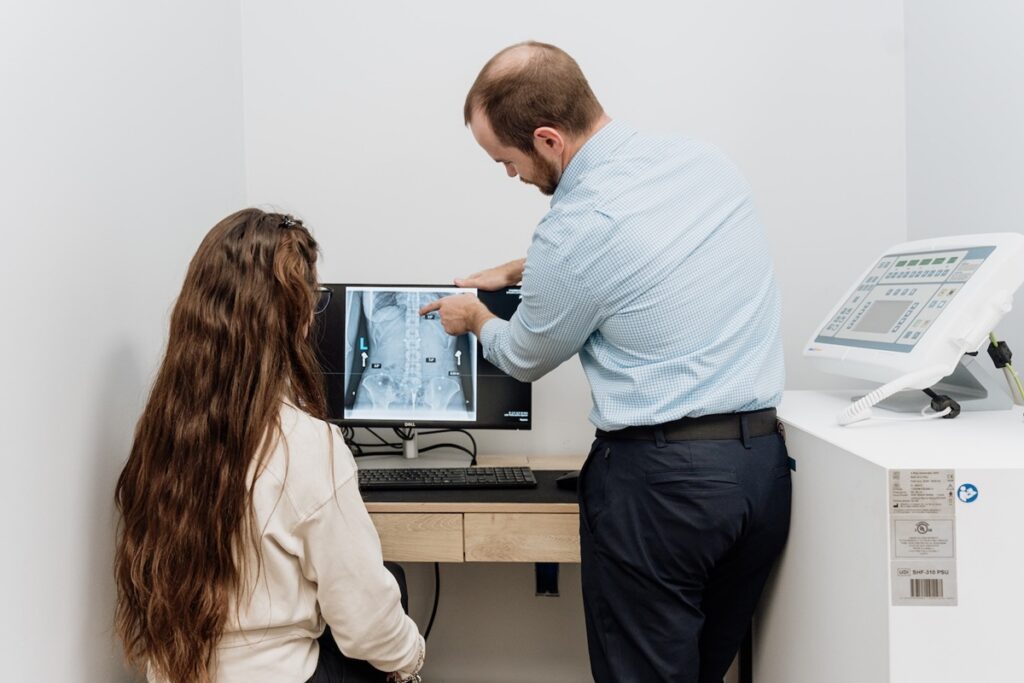
At Southern Wellness Chiropractic, Dr. John Tysdal takes an individualized approach to care. That means starting with a thorough evaluation to understand not just where you’re hurting, but how your body is moving and what postural patterns may be contributing to your symptoms. No two patients are exactly alike, and cookie-cutter solutions rarely work long-term.
Chiropractic adjustments aim to restore proper alignment and movement to the joints of the spine, particularly the cervical and thoracic regions affected by tech neck and desk posture. When spinal joints are restricted or misaligned, the surrounding muscles and nerves are affected. Gentle, targeted adjustments can help reduce that tension, improve mobility, and support the body’s natural ability to heal and function well.
Beyond adjustments, comprehensive chiropractic care for tech neck often includes guidance on posture correction, ergonomic modifications, therapeutic exercises, and stretches designed to retrain the muscles that have adapted to poor positions over time. The goal isn’t just short-term relief — it’s helping patients in Magnolia, TX build habits and body awareness that prevent the problem from coming back. Dr. John Tysdal emphasizes education as a core part of the care experience, because an empowered patient is one who can make lasting changes.
Practical Tips to Protect Your Posture
Good posture doesn’t mean sitting rigidly upright all day. It means moving well, setting up your environment to support neutral alignment, and developing awareness about the habits that add up over time. Here are some of the most impactful changes you can make starting today.
Raise your screens. Whether you’re using a phone, tablet, or computer, bringing the screen up to eye level reduces the amount of forward head tilt required. For phone use, try holding your device higher so your neck stays more neutral. For desk setups, use a monitor stand so the top of your screen is roughly at eye level.
Take movement breaks. Sitting or holding any static position for more than 30 to 45 minutes at a stretch is hard on the body. Set a reminder to stand up, walk around, or do a few gentle neck and shoulder movements every hour. Even 60 to 90 seconds of movement can interrupt the tension cycle that builds with prolonged static posture.
Be mindful of your chin. A simple but powerful habit is to gently pull your chin back rather than letting it jut forward. This “chin tuck” motion helps restore the natural curve of the cervical spine and activates the deep neck flexors — muscles that tend to become weak with forward head posture. It’s not about forcing your head back unnaturally; it’s about finding neutral.
Check your chair and desk setup. Your feet should rest flat on the floor, your hips should be at roughly 90 degrees, and your lower back should have mild support. Avoid crossing your legs for long periods, as this shifts your pelvis and can create cascading tension up through the spine.

When to See a Chiropractor
Many people wait far longer than they should before seeking care for posture-related pain. If your neck discomfort or upper back tension has been present for more than two to three weeks without improvement, or if it’s beginning to interfere with your work, sleep, or daily activities, that’s a reasonable threshold to seek a professional evaluation.
You don’t have to be in severe pain to benefit from a chiropractic assessment. In fact, catching postural patterns and joint restrictions early — before they become deeply ingrained and symptomatic — is one of the most effective things you can do for your long-term spinal health. Southern Wellness Chiropractic welcomes patients at all stages, whether you’re dealing with significant pain or simply noticing that something doesn’t feel quite right.
That said, there are certain symptoms that warrant immediate medical attention rather than a chiropractic visit first. These include sudden, severe headache unlike any you’ve had before, neck pain following trauma such as a car accident or fall, progressive numbness or weakness in the arms or hands, difficulty with balance or coordination, and any symptoms accompanied by fever, unexplained weight loss, or bladder and bowel changes. If you’re experiencing any of these, please seek emergency or urgent medical care right away.
Posture Mistakes vs. Corrections
|
Common Posture Mistake |
What’s Happening |
Better Alternative |
|---|---|---|
|
Head tilted down to look at phone |
Increases stress load on the cervical spine significantly |
Raise phone to eye level; keep neck in neutral position |
|
Monitor set too low at desk |
Forces prolonged forward head posture and neck flexion |
Use a monitor stand so top of screen is at eye level |
|
Slouching in office chair |
Flattens lumbar curve; causes thoracic rounding and upper back strain |
Use lumbar support; sit with hips back and spine supported |
|
Chin jutting forward toward screen |
Overstretches posterior neck structures; weakens deep flexors |
Practice gentle chin tucks to restore neutral head position |
|
Crossing legs while seated |
Tilts pelvis and creates asymmetrical spinal loading |
Keep both feet flat on the floor with hips level |
|
Holding tension in shoulders while typing |
Chronically tightens upper trapezius and levator scapulae |
Consciously relax shoulders down and away from ears |
Myths vs. Facts About Tech Neck
Myth: Tech Neck Only Affects People Who Use Their Phones All Day
Fact: While smartphone use is a major contributor, tech neck can develop from any activity that involves sustained forward head posture — including computer work, reading, driving, or watching TV. The device doesn’t matter as much as the position your head and neck are in for prolonged periods. Many people who barely use their phones still develop tech neck from desk work alone.
Myth: If You’re Not in Pain, Your Posture Must Be Fine
Fact: The absence of pain does not mean the absence of a problem. The musculoskeletal system is highly adaptive and can compensate for poor alignment for a long time before symptoms appear. By the time pain shows up, postural imbalances and joint restrictions have often been developing for quite a while. Proactive evaluation is always better than waiting for pain to force your hand.
Myth: Chiropractic Adjustments Are Only for People with Back Pain
Fact: Chiropractic care addresses the entire spine and musculoskeletal system. Neck pain, headaches, shoulder tension, and the effects of poor posture are all well within the scope of what chiropractic care is designed to help. At Southern Wellness Chiropractic, patients come in with a wide range of concerns — not just lower back pain.
Myth: Tech Neck Is Permanent Once It Develops
Fact: While significant structural changes can occur with very long-term postural neglect, most people who develop tech neck-related symptoms can see meaningful improvement with the right combination of chiropractic care, therapeutic exercise, and lifestyle modification. The body has a remarkable capacity for adaptation — in both directions. Early intervention consistently produces better outcomes.
Myth: Good Posture Means Sitting Perfectly Straight and Still
Fact: Rigid, static “perfect posture” isn’t the goal and can actually create its own set of problems. The human body is designed for movement, not prolonged stillness in any one position. The best posture is a varied one — meaning regular movement breaks, position changes, and body awareness throughout the day rather than white-knuckling a single “correct” position for hours.
Final Thoughts from Southern Wellness Chiropractic
Technology isn’t going anywhere, and no one expects you to give up your phone or your desk job. But the way we use technology — and the awareness we bring to our bodies while using it — can make an enormous difference in how we feel day to day. Tech neck, desk slouch, and poor phone posture are genuinely modern health challenges, but they are also very manageable ones when addressed with knowledge and the right support.
Here at Southern Wellness Chiropractic in Magnolia, TX, Dr. John Tysdal is passionate about helping members of this community understand what’s happening in their bodies and what they can do about it. Whether you’re dealing with persistent neck tension, nagging headaches, or simply a feeling that your body isn’t moving the way it should, you don’t have to figure it out alone. Chiropractic care is a conservative, drug-free, and individualized approach that respects your body’s natural ability to heal — and our team is here to support you every step of the way.
Your spine carries you through every moment of every day. It deserves thoughtful, consistent care. We’d love to be part of that journey with you here in Magnolia, TX.
Frequently Asked Questions
How long does it take to see improvement from tech neck with chiropractic care?
This varies from person to person depending on the severity and duration of the postural pattern, as well as individual health factors. Many patients notice some improvement in comfort and mobility within the first few visits, while longer-term correction of underlying postural habits and muscle imbalances takes more time and consistent effort.
Can children and teenagers develop tech neck?
Yes, and this is a growing concern. Young people are spending significant portions of their day looking down at devices during some of the most formative years for spinal development. Early habits matter, and parents who notice their child frequently complaining of neck pain or headaches should consider having them evaluated.
Is tech neck the same as a pinched nerve?
Not necessarily. Tech neck refers to postural strain and its effects on the cervical spine, while a pinched nerve (cervical radiculopathy) involves direct compression or irritation of a nerve root. However, prolonged tech neck posture can contribute to the conditions that increase the risk of a pinched nerve over time, which is why early attention matters.
Are there exercises I can do at home to help with tech neck?
Yes — gentle chin tucks, shoulder blade squeezes, and upper chest stretches are commonly recommended to help counteract the effects of forward head posture. However, it’s best to get personalized guidance from a chiropractor before starting any exercise program for neck-related symptoms, to ensure you’re addressing the right areas safely.
Does sleeping position affect tech neck?
Absolutely. Sleeping on your stomach forces your neck into prolonged rotation, which can worsen cervical tension. Side sleeping with a supportive pillow that keeps your head in a neutral position, or back sleeping with a pillow that supports the natural cervical curve, are generally better options for cervical spine health.
How is tech neck diagnosed?
A chiropractor will typically begin with a thorough health history and a physical and postural assessment. This may include evaluating range of motion, muscle tension, joint mobility, and in some cases, referral for imaging if there is concern about structural changes. At Southern Wellness Chiropractic, Dr. John Tysdal conducts a comprehensive evaluation to understand the full picture before making any care recommendations.
TL;DR Summary
-
Tech neck is the strain placed on the cervical spine from prolonged forward head posture during phone, computer, or tablet use — and it’s more common than most people realize.
-
Symptoms include neck stiffness, upper back tension, headaches, and in more advanced cases, arm tingling or numbness — many of which develop gradually over time.
-
Poor posture from desk work, laptop use, driving, and phone habits all contribute to the problem, not just smartphone scrolling.
-
Chiropractic care, including spinal adjustments, posture guidance, and therapeutic exercises, is a well-supported, conservative approach to addressing tech neck and related symptoms.
-
Small daily habits — raising your screen, taking movement breaks, practicing chin tucks, and improving your workstation setup — can make a meaningful difference in protecting your spinal health long-term.