
Headaches are one of the most common complaints I hear from patients who walk through our doors here at Southern Wellness Chiropractic in Magnolia, TX. Some people have learned to live with them, popping over-the-counter pain relievers and pushing through the day. But recurring headaches are rarely just a nuisance — they are often your body’s way of signaling that something deeper is going on, particularly within your spine and nervous system. The good news is that chiropractic care for headache relief is a well-established, drug-free approach that many patients find genuinely helpful. If you have been searching for answers beyond temporary pain relief, this article is for you.
What Is Chiropractic Care for Headache Relief?
Can chiropractic care actually help with headaches? Yes — and there is a meaningful body of evidence to support it. Chiropractic care for headache relief involves identifying and correcting spinal dysfunction, particularly in the cervical (neck) region, that may be contributing to head pain. By restoring proper alignment, reducing muscle tension, and improving nervous system function, chiropractic adjustments can address root causes rather than simply masking symptoms.
Types of Headaches Chiropractic Care Can Help With
Not all headaches are the same, and understanding the type you experience is the first step toward finding meaningful relief. While there are dozens of headache classifications, a few types are especially common among patients who seek chiropractic care.
Tension-type headaches are the most prevalent. They typically feel like a dull, aching pressure around the head — sometimes described as a tight band squeezing the skull. These headaches are frequently linked to muscle tension in the neck, shoulders, and upper back, making them a natural fit for chiropractic evaluation.
Cervicogenic headaches are perhaps the most directly spine-related type. The word “cervicogenic” literally means “originating from the cervical spine.” Pain starts in the neck and radiates upward into the head, often on one side. Many patients with cervicogenic headaches have been misdiagnosed with migraines for years before a chiropractor identifies the true source of their pain.
Migraines are complex neurological events, but research suggests that spinal dysfunction and muscle tension may act as triggers or contributing factors for some migraine sufferers. While chiropractic care is not a cure for migraines, evidence indicates that spinal manipulation may help reduce migraine frequency and intensity in certain individuals.
The Spinal Connection: Why Your Neck Matters
Your cervical spine — the seven vertebrae that make up your neck — is an incredibly intricate structure. It supports the weight of your head (roughly 10 to 12 pounds), allows a wide range of motion, and houses the spinal cord and the nerve roots that travel into your head, face, and shoulders. When something goes wrong here, the effects can be far-reaching.
The upper cervical spine, specifically the first and second vertebrae (C1 and C2), has a particularly close relationship with headache production. Nerves at this level communicate directly with the trigeminal nerve — one of the most important pain-sensing structures in the head and face. When spinal joints in this region become restricted or misaligned, they can irritate these nerve pathways and trigger or amplify head pain.
Muscle tension compounds the problem. The suboccipital muscles, which sit at the base of the skull, become chronically tight in people who sit at desks, look at screens, or carry stress in their upper bodies. When these muscles are overworked or shortened, they pull on the connective tissue that wraps around the brain and skull, contributing to that familiar dull, throbbing ache. Dr. John Tysdal frequently evaluates this region during initial assessments here at Southern Wellness Chiropractic in Magnolia, TX, because it is such a common driver of recurring headaches.
Common Causes of Spinal-Related Headaches
Understanding what triggers or worsens spinal-related headaches empowers you to make changes that can reduce their frequency. Here in Magnolia, TX, many of our patients share similar lifestyle and occupational patterns that place ongoing stress on the cervical spine.
Poor posture is arguably the leading contributor. Forward head posture — where the head drifts forward of the shoulders — dramatically increases the load placed on the cervical spine. For every inch the head moves forward, the effective weight it places on the neck can increase significantly. Over time, this strains muscles, compresses joints, and sets the stage for cervicogenic headaches.
Prolonged screen use has become nearly universal in our daily lives. Whether it is working from a laptop, scrolling through a phone, or sitting through video calls, hours of screen time encourage the head-forward position that burdens the neck. Dr. John Tysdal sees this pattern frequently in patients ranging from teenagers to working professionals.
Previous neck injuries — including whiplash from car accidents or sports injuries — can leave lasting dysfunction in the cervical joints and surrounding soft tissues. Even injuries that happened years ago may contribute to recurring headaches if the underlying biomechanical issues were never fully addressed.
Stress and sleep disruption also play important roles. Chronic stress increases muscle tension throughout the body, particularly in the neck and shoulders. Poor sleep further reduces the body’s ability to recover and manage pain signals effectively. These factors often work together to create a cycle of tension and head pain that can feel impossible to break.
How Chiropractic Care Fits Into Your Headache Treatment
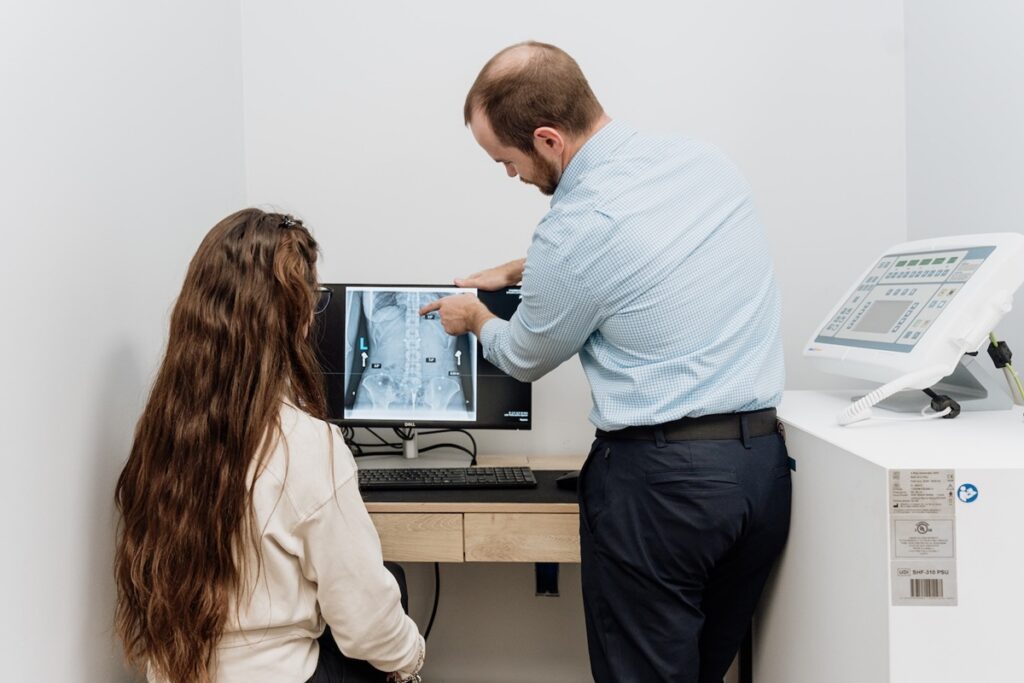
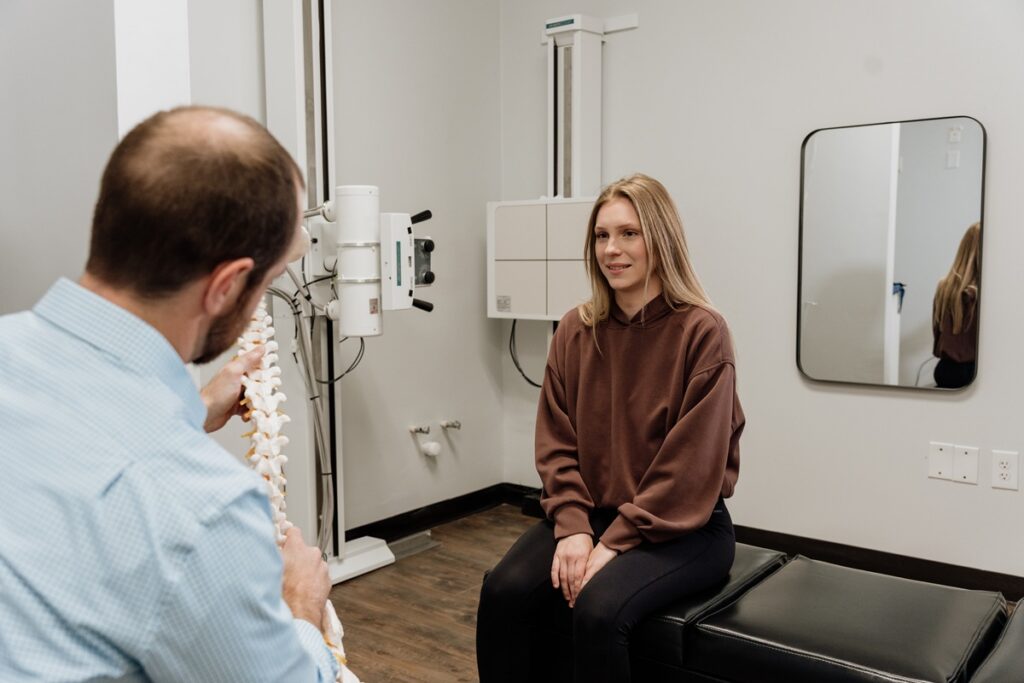
At Southern Wellness Chiropractic, our approach to headache care is thorough and individualized. Dr. John Tysdal begins with a comprehensive evaluation that includes a detailed health history, postural assessment, and examination of the cervical spine and surrounding musculature. The goal is to determine whether spinal dysfunction is contributing to your headaches and, if so, which structures are involved.
Spinal manipulation — often called a chiropractic adjustment — is a core component of care for many headache patients. This involves applying a controlled, precise force to restricted spinal joints to restore proper movement and alignment. For cervicogenic headaches in particular, evidence from organizations such as the American Chiropractic Association and the National Center for Complementary and Integrative Health (NCCIH) indicates that spinal manipulation is a reasonable and effective conservative treatment option.
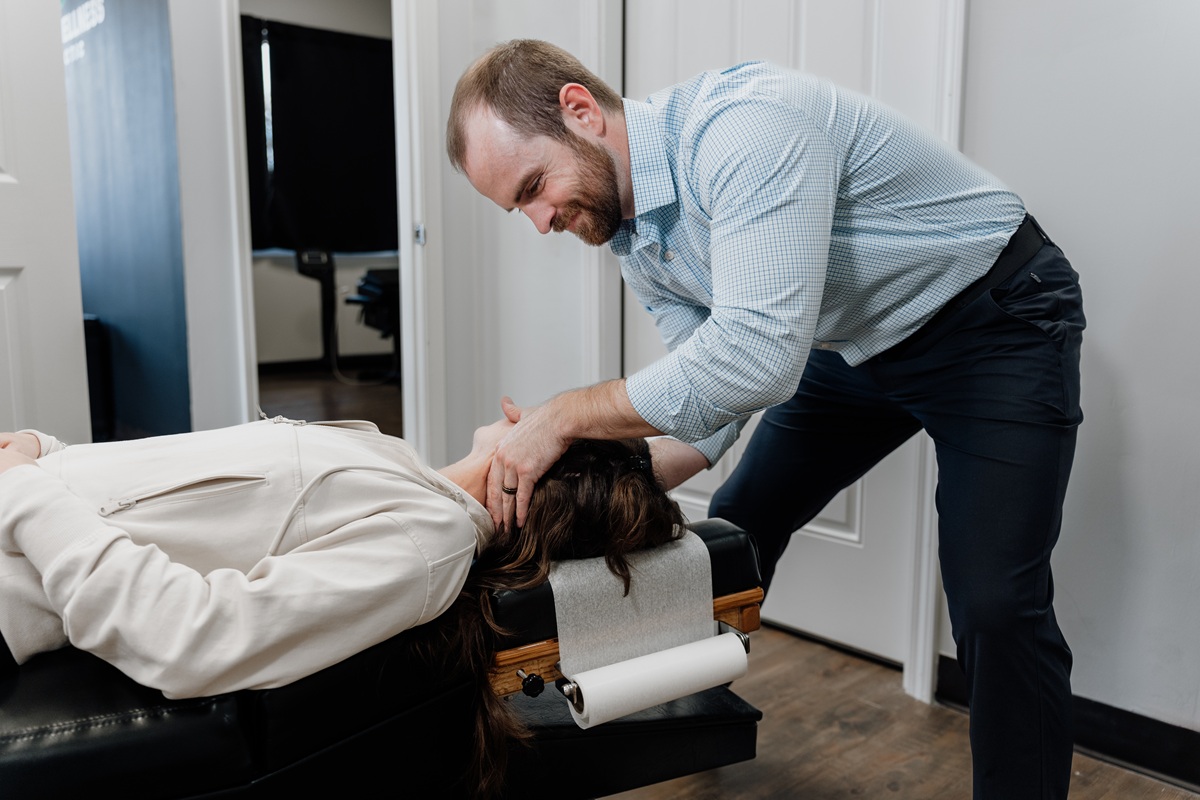
Beyond adjustments, Dr. John Tysdal may incorporate soft tissue therapies to address muscle tension in the neck and suboccipital region, and postural correction guidance to help you break habits that are feeding the problem. Therapeutic exercises and ergonomic recommendations are often part of a well-rounded care plan. The philosophy here at Southern Wellness Chiropractic is always to identify the root cause of your symptoms — not just put a temporary patch on the pain.
Many patients appreciate that chiropractic care is non-invasive and does not rely on medications. This makes it an appealing option for people who want to reduce their dependence on over-the-counter or prescription pain relievers, or who have found that medications alone are not providing lasting relief.
Practical Tips to Reduce Headache Frequency
While professional chiropractic care is important for addressing structural issues, there are meaningful steps you can take on your own to reduce how often headaches occur. These are strategies that Dr. John Tysdal commonly shares with patients at Southern Wellness Chiropractic.
Start by evaluating your workstation setup. Your computer monitor should be at roughly eye level so your head is not consistently tipping forward or downward. Your chair should support the natural curve of your lower back, which also helps keep the upper spine in a healthier position. Small ergonomic adjustments can have a surprisingly large effect on cervical spine stress over time.
Make it a habit to take short movement breaks every 30 to 45 minutes during prolonged seated work. Even a brief walk to refill your water or a few gentle neck stretches can interrupt the cycle of muscle tightening that builds throughout the day. Staying hydrated matters too — dehydration is a commonly overlooked headache trigger.
Pay attention to your sleeping position. Sleeping on your stomach puts the cervical spine under significant rotational stress throughout the night. Side or back sleeping with a properly supportive pillow is generally more neck-friendly. If you wake up with headaches regularly, your sleep setup is worth evaluating.
When to See a Chiropractor for Headaches
If you are experiencing headaches more than a few times per month, or if your headaches are affecting your ability to work, exercise, or enjoy life, it is worth seeking a professional evaluation. Recurring headaches that have not responded well to over-the-counter medications, or headaches that seem to begin in the neck or back of the head, are especially strong signals that a spinal evaluation may be helpful.
Headaches that follow a pattern — getting worse with prolonged sitting, screen use, or certain neck positions — often have a musculoskeletal component that chiropractic care can address. The chiropractors at Southern Wellness Chiropractic in Magnolia, TX are trained to evaluate these patterns and determine whether your headaches are likely to respond to conservative spinal care.
However, it is important to recognize that some headaches are medical emergencies. Please seek immediate medical attention if you experience a sudden, severe headache unlike any you have had before, a headache accompanied by fever, neck stiffness, confusion, vision changes, weakness, or numbness, or a headache following a head injury. These can be signs of serious conditions that require emergency evaluation.
Headache Types at a Glance
|
Headache Type |
Common Features |
Typical Triggers |
Chiropractic Relevance |
|---|---|---|---|
|
Tension-Type |
Dull, pressing pressure around the head; both sides |
Stress, poor posture, muscle tension |
High — strongly linked to cervical and upper back dysfunction |
|
Cervicogenic |
One-sided pain starting in the neck, radiating to the head |
Neck movement, prolonged sitting, prior injury |
Very high — originates directly from the cervical spine |
|
Migraine |
Moderate to severe throbbing, often with nausea or light sensitivity |
Hormonal changes, stress, sleep disruption, certain foods |
Moderate — spinal care may help reduce frequency for some patients |
|
Cluster |
Severe, stabbing pain around one eye; occurs in clusters |
Alcohol, smoke, disrupted sleep cycles |
Low — primarily neurological; medical management is typically primary |
Myths vs. Facts About Chiropractic Care and Headaches
Myth: Chiropractic adjustments are only for back pain.
Fact: While chiropractic care is widely known for treating low back pain, it has a well-established role in addressing neck pain and headaches as well. The cervical spine is absolutely within a chiropractor’s scope of practice, and many patients seek chiropractic care specifically for head and neck-related symptoms.
Myth: If imaging doesn’t show anything, your headaches must just be stress.
Fact: Many of the most common causes of headaches — joint restriction, muscle tension, poor posture mechanics — do not show up clearly on standard X-rays or MRI scans. A skilled chiropractor performs hands-on, functional evaluations that can detect spinal and muscular dysfunction even when imaging appears normal.
Myth: Chiropractic neck adjustments are dangerous.
Fact: Serious complications from cervical chiropractic adjustments are rare. Research and major health organizations generally support cervical manipulation as a safe and effective option for appropriately selected patients when performed by a licensed, trained chiropractor. Dr. John Tysdal conducts a thorough evaluation before any treatment to ensure care is appropriate for each individual.
Myth: You will need to see a chiropractor forever once you start.
Fact: Chiropractic care plans are goal-oriented and individualized. Many patients achieve meaningful improvement over a defined course of care and then transition to periodic wellness visits on their own schedule. The goal is never to create dependency — it is to help you feel better and stay better.
Myth: Headaches are just part of life — nothing can really help.
Fact: Recurring headaches are common, but they are not something you simply have to accept. Identifying the underlying contributors — whether spinal, postural, lifestyle-related, or some combination — can lead to meaningful, lasting improvement for many people.
Final Thoughts from Southern Wellness Chiropractic
Living with recurring headaches can take a real toll — on your productivity, your mood, your relationships, and your quality of life. The team at Southern Wellness Chiropractic in Magnolia, TX genuinely cares about helping you get answers and find lasting relief. Dr. John Tysdal brings a thoughtful, thorough approach to every patient evaluation, with the understanding that no two people — and no two headaches — are exactly alike.
If you have been dealing with frequent headaches and feel like you have hit a wall with your current approach, we would encourage you to consider a chiropractic evaluation. Understanding how your spine and nervous system may be contributing to your symptoms is a powerful first step. You deserve to feel well, and there are real, conservative options worth exploring.
We are proud to serve the Magnolia, TX community and the surrounding areas, and we look forward to being a trusted resource for your health and wellness. Whether you are dealing with tension headaches from a stressful work week or cervicogenic pain that has lingered for years, Southern Wellness Chiropractic is here to help you move forward.
Frequently Asked Questions
How many chiropractic visits does it take to see improvement in headaches?
This varies depending on the type and duration of your headaches, as well as the underlying cause. Some patients notice improvement within a few visits, while others with more chronic or complex presentations may take longer. Dr. John Tysdal will give you a realistic sense of what to expect after your initial evaluation.
Can chiropractic care completely eliminate my headaches?
Chiropractic care can provide meaningful relief and reduce the frequency and intensity of headaches for many people, but outcomes vary and no practitioner can guarantee complete elimination. The goal is to address the spinal and muscular contributors to your headaches and improve your overall function and quality of life.
Is chiropractic care safe if I get migraines?
For many migraine sufferers, chiropractic care is a safe and reasonable complementary approach, particularly when neck tension or cervical dysfunction appears to be a trigger. A thorough evaluation will help determine whether chiropractic care is appropriate for your specific situation.
What should I expect during my first chiropractic visit for headaches?
At Southern Wellness Chiropractic, your first visit will include a comprehensive health history, a postural and spinal examination, and a discussion of your headache patterns and history. Based on this information, Dr. John Tysdal will explain his findings and outline a care plan tailored to your needs.
Can children or teenagers see a chiropractor for headaches?
Yes, chiropractic care can be appropriate for younger patients experiencing headaches, particularly those related to posture, sports, or prolonged device use. Care techniques are always adapted to be safe and appropriate for the patient’s age and size.
Do I need a referral to see a chiropractor for headaches?
In most cases, you do not need a referral to schedule a chiropractic evaluation. You can contact Southern Wellness Chiropractic in Magnolia, TX directly to set up an appointment and begin the process of getting to the root of your headache symptoms.
TL;DR Summary
-
Chiropractic care for headache relief focuses on identifying and correcting spinal dysfunction — especially in the cervical spine — that contributes to head pain.
-
Tension-type and cervicogenic headaches are the most directly linked to spinal issues and respond well to chiropractic evaluation and care.
-
Poor posture, prolonged screen use, past neck injuries, and chronic stress are common contributors to spinal-related headaches.
-
Dr. John Tysdal at Southern Wellness Chiropractic in Magnolia, TX takes a thorough, individualized approach that goes beyond temporary symptom relief to address root causes.
-
Seek immediate medical attention if you experience a sudden severe headache, or a headache accompanied by neurological symptoms — these require emergency evaluation, not chiropractic care.