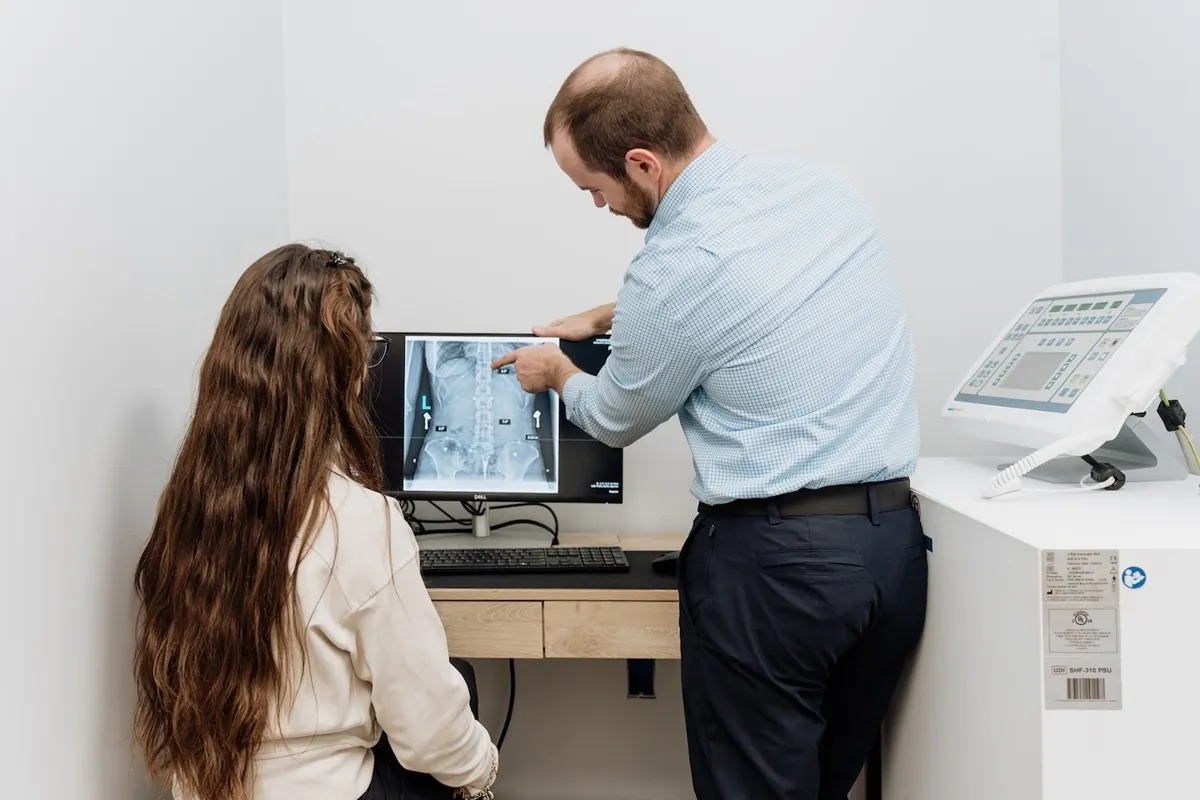
Understanding Spinal Disc Injuries: Causes, Symptoms, and Types
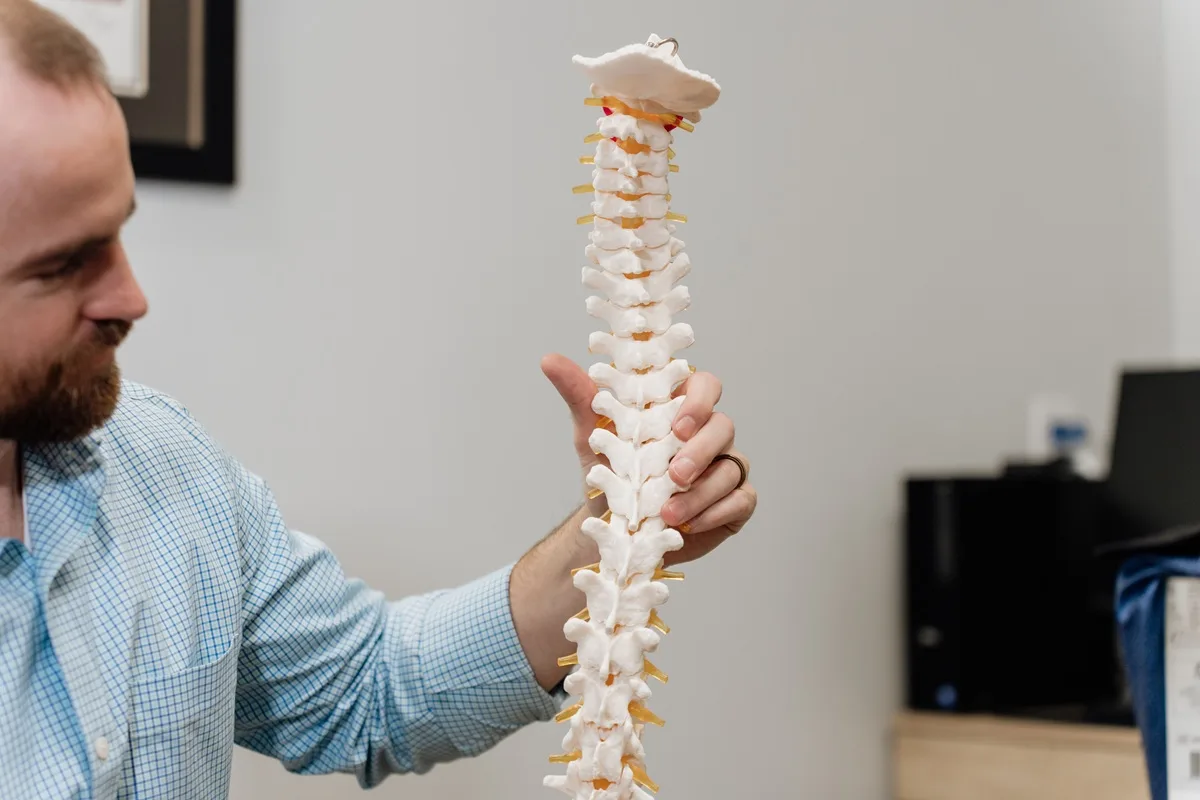

If you’ve ever felt a sharp, shooting pain down your leg or a deep ache in your lower back that just won’t quit, you may have wondered whether something is wrong with your spine. Spinal disc injuries are one of the most common reasons people seek care — and one of the most misunderstood. Here at Southern Wellness Chiropractic in Magnolia, TX, Dr. John Tysdal works with patients every week who come in confused, worried, and sometimes scared about what’s happening in their spine. The good news? Understanding what a spinal disc injury actually is can go a long way toward reducing that fear and helping you take the right steps forward.
What Is a Spinal Disc Injury?
A spinal disc injury refers to any damage or dysfunction involving the intervertebral discs — the cushion-like structures that sit between the bones of your spine. These discs act as shock absorbers and allow your spine to move freely. When they’re damaged, compressed, or displaced, they can cause significant pain, nerve irritation, and reduced mobility.
- What Are Spinal Discs and What Do They Do?
- Types of Spinal Disc Injuries
- Common Causes of Spinal Disc Injuries
- Signs and Symptoms to Watch For
- How Chiropractic Care Fits In
- Practical Tips for Protecting Your Spine
- When to See a Chiropractor
- Myths vs. Facts About Spinal Disc Injuries
- Final Thoughts from Southern Wellness Chiropractic
- Frequently Asked Questions
What Are Spinal Discs and What Do They Do?
Your spine is made up of 24 movable vertebrae stacked on top of one another. Between each pair of vertebrae sits an intervertebral disc — a small but mighty structure that does a lot of heavy lifting, literally and figuratively. Each disc has two main parts: a tough outer ring called the annulus fibrosus and a soft, gel-like center called the nucleus pulposus. Together, these two layers allow your spine to absorb impact, distribute weight evenly, and move in multiple directions.
Think of a disc like a jelly doughnut. The doughy outer layer holds everything in place, while the jelly in the center provides the cushion and flexibility. When the outer layer weakens or cracks — from injury, repetitive stress, or simple wear and tear — that inner material can shift, bulge, or leak out. That’s when problems begin. The good news is that the spine is a remarkably resilient structure, and many disc injuries respond well to conservative, non-surgical care like the kind Dr. John Tysdal provides at Southern Wellness Chiropractic.
Discs also play a role in maintaining the height and spacing between vertebrae, which protects the nerve roots that branch out from your spinal cord. When disc health deteriorates, those nerve roots can become compressed or irritated — leading to symptoms that extend far beyond your back.
Types of Spinal Disc Injuries
Not all disc injuries are the same, and understanding the differences can help you have a more informed conversation with your care provider. There are several distinct types that Dr. John Tysdal commonly sees in patients visiting Southern Wellness Chiropractic in Magnolia, TX.
Disc Bulge
A disc bulge occurs when the outer wall of the disc weakens and the disc extends beyond its normal boundary — but the outer layer remains intact. This is often considered the least severe form of disc injury, though it can still cause significant discomfort, especially if the bulging disc presses against nearby nerves. Many people have disc bulges without even knowing it, as some cause minimal or no symptoms at all.
Herniated Disc
A herniated disc — sometimes called a slipped or ruptured disc — occurs when a crack or tear in the outer layer allows the inner gel-like material to push through. This is more serious than a bulge because the displaced material can directly compress nerve roots, causing sharp pain, numbness, or tingling that radiates into the arms or legs. Herniated discs most commonly occur in the lumbar (lower back) and cervical (neck) regions of the spine.
Degenerative Disc Disease
Despite its name, degenerative disc disease is not really a “disease” in the traditional sense — it’s a gradual, age-related breakdown of disc material over time. As discs lose water content and flexibility, they become thinner and less able to absorb shock. This can lead to chronic pain, stiffness, and increased vulnerability to other disc injuries. Research suggests that this condition is very common and affects most adults to some degree as they age.
Disc Protrusion
A disc protrusion is similar to a bulge but involves the disc material extending outward in a more localized area. The base of the protrusion is wider than the extended portion, distinguishing it from a full herniation. It can still irritate nerve tissue and cause radiating pain depending on its size and location.
Common Causes of Spinal Disc Injuries
Spinal disc injuries rarely happen out of nowhere. In most cases, they’re the result of a combination of factors that have been building over time. Here in Magnolia, TX, Dr. John Tysdal often sees patients whose disc injuries developed gradually — sometimes from years of poor posture, repetitive motion at work, or simply the cumulative effects of daily life.
One of the most common contributors is improper lifting mechanics. When you bend at the waist and twist while lifting a heavy object, you place enormous strain on the discs in your lower back. The lumbar spine simply isn’t designed to handle that combination of forces, and over time — or even in a single moment — it can lead to a significant disc injury.
Prolonged sitting is another major factor. Many of us spend the majority of our workday seated at a desk, and when posture breaks down — as it inevitably does — the pressure on the lumbar discs increases substantially. Research has shown that sitting places more load on the spinal discs than standing, particularly when slouched forward.
Other common contributors include repetitive physical labor, sudden trauma (such as a car accident or fall), excess body weight, and smoking — which is known to reduce blood flow to disc tissue and accelerate degeneration. Genetics also play a role, meaning some people are simply predisposed to disc problems regardless of lifestyle factors.
Signs and Symptoms to Watch For
The symptoms of a spinal disc injury can vary widely depending on the type of injury, its location in the spine, and whether any nerves are involved. Some people experience intense, debilitating pain, while others feel only a dull ache or mild stiffness. Understanding what to look for can help you recognize when it’s time to seek professional evaluation.
Localized back or neck pain is usually the first sign. This may be a constant ache or a sharp pain that worsens with certain movements. If a disc is pressing on a nerve root, however, symptoms often travel beyond the spine itself. Lumbar disc injuries frequently cause sciatic nerve pain — a radiating discomfort that shoots down through the buttocks, thigh, calf, and sometimes into the foot. Cervical disc injuries may produce similar radiating pain, numbness, or tingling that travels down the shoulder, arm, or into the fingers.
Muscle weakness in the affected extremity is another important symptom. If you notice that your grip strength has decreased, or that your leg feels unusually weak during normal activities, this warrants prompt evaluation. In rare but serious cases, disc injuries affecting the lower spine can interfere with bladder or bowel function — this is a medical emergency and requires immediate attention.
How Chiropractic Care Fits In
Chiropractic care is widely recognized as a valuable conservative, non-surgical approach for managing spinal disc injuries. At Southern Wellness Chiropractic in Magnolia, TX, Dr. John Tysdal takes a thorough, individualized approach to evaluating each patient’s spine before determining the most appropriate course of care.
Chiropractic adjustments — also known as spinal manipulation — are carefully applied techniques designed to restore proper alignment and movement to the vertebrae. When joints in the spine become restricted or misaligned due to a disc injury, surrounding muscles tighten, inflammation increases, and nerve irritation can worsen. Gentle, targeted adjustments can help relieve that tension, reduce pressure on affected discs, and support the body’s natural healing processes.
It’s important to understand that not all chiropractic techniques are the same. For patients with certain types of disc injuries — particularly more severe herniations — Dr. John Tysdal may use gentler, low-force techniques rather than traditional high-velocity manipulation. The approach is always tailored to the individual’s specific condition, comfort level, and overall health history. Chiropractic care may also be combined with other supportive therapies such as soft tissue work, therapeutic exercise guidance, and postural education.
Evidence from organizations like the American College of Physicians (ACP) supports spinal manipulation as a first-line, non-pharmacological option for managing certain types of back pain. While chiropractic care may not be appropriate for every type or severity of disc injury, it plays a meaningful role in helping many patients recover function, reduce pain, and avoid unnecessary medication or surgery.
Practical Tips for Protecting Your Spine
Whether you’re recovering from a disc injury or simply trying to protect your spine for the long haul, a few consistent habits can make a meaningful difference. These are the same general recommendations Dr. John Tysdal shares with patients at Southern Wellness Chiropractic every day.
First and foremost, pay attention to how you lift. Always bend at the hips and knees — not at the waist — when picking something up from the floor. Keep the object close to your body and avoid twisting your spine while holding weight. These simple mechanics reduce disc stress dramatically.
If you work at a desk, take regular movement breaks. Getting up and walking around for even a few minutes every hour helps reduce disc compression and keeps the muscles supporting your spine from tightening up. Make sure your workstation is set up ergonomically, with your monitor at eye level and your feet flat on the floor.
Staying physically active is one of the best things you can do for spinal disc health. Low-impact movement — such as walking, swimming, or gentle yoga — promotes circulation to disc tissue and helps maintain the strength of the muscles that support your spine. Talk with a healthcare provider before starting any new exercise routine, especially if you’re currently experiencing disc-related symptoms.
When to See a Chiropractor
If you’ve been dealing with back or neck pain that has lasted more than a few days, or if your pain is accompanied by radiating symptoms like numbness, tingling, or weakness in an arm or leg, it’s a good idea to get a professional evaluation. Many patients in the Magnolia, TX area wait too long before seeking care, allowing small problems to become bigger ones.
Chiropractic evaluation is a great starting point because it’s non-invasive and doesn’t involve medication. Dr. John Tysdal can assess your spine, review your symptoms, and help determine the most appropriate next steps — whether that’s chiropractic care, referral for imaging, or coordination with another healthcare provider.
However, there are certain red flags that require immediate medical attention rather than chiropractic care. These include sudden loss of bladder or bowel control, progressive weakness in both legs, numbness in the groin or inner thigh area, or any disc symptoms that follow significant trauma like a serious fall or car accident. If you experience any of these, please seek emergency care right away.
Spinal Disc Injury Types at a Glance
| Type of Disc Injury | What Happens | Common Symptoms | Severity Level |
|---|---|---|---|
| Disc Bulge | Outer wall weakens; disc extends beyond normal boundary but stays intact | Localized back pain, mild nerve irritation | Mild to Moderate |
| Herniated Disc | Tear in outer layer allows inner gel to push through | Radiating pain, numbness, tingling in arms or legs | Moderate to Severe |
| Degenerative Disc Disease | Age-related breakdown; discs lose height and flexibility | Chronic aching, stiffness, reduced range of motion | Gradual / Chronic |
| Disc Protrusion | Localized extension of disc material; outer wall still intact | Localized or radiating pain depending on location | Mild to Moderate |
Myths vs. Facts About Spinal Disc Injuries
Myth: A herniated disc always requires surgery.
Fact: The vast majority of herniated discs resolve or significantly improve with conservative, non-surgical care. Research and clinical guidelines consistently recommend trying conservative approaches — including chiropractic care, physical therapy, and exercise — before considering surgical intervention. Surgery is typically reserved for cases where severe neurological deficits are present or when conservative care has not provided relief after an extended period.
Myth: If your disc is “slipped,” it has completely moved out of place.
Fact: The term “slipped disc” is a common but misleading expression. Discs are firmly attached to the vertebrae above and below them — they don’t literally slip out of position. What actually happens is that the disc material bulges, herniates, or protrudes in a way that affects surrounding structures. Understanding this helps dispel the image of a spine that is entirely “out of place.”
Myth: Disc injuries only happen to older people.
Fact: While degenerative disc disease is more prevalent with age, disc injuries like herniations can and do occur in younger adults — even teenagers and people in their twenties or thirties. Factors like high-impact sports, heavy physical labor, poor posture habits, and acute trauma can cause disc injuries at any age.
Myth: Rest is the best treatment for a spinal disc injury.
Fact: Extended bed rest is generally not recommended for disc injuries. While short-term rest may help in the acute phase, prolonged inactivity can actually weaken the muscles that support the spine and slow recovery. Gentle, guided movement and activity — under the direction of a qualified provider — tends to produce better outcomes than complete rest.
Myth: Chiropractic adjustments are dangerous for disc injuries.
Fact: When performed by a trained, licensed chiropractor who has thoroughly evaluated the patient, chiropractic care is considered a safe and effective option for many types of disc-related pain. Dr. John Tysdal at Southern Wellness Chiropractic adapts techniques based on each patient’s specific condition and always conducts a detailed assessment before beginning any care.
Final Thoughts from Southern Wellness Chiropractic
Living with a spinal disc injury can feel overwhelming — but it doesn’t have to define your quality of life. The more you understand about what’s happening in your spine, the better equipped you are to make informed decisions about your health. That’s something Dr. John Tysdal genuinely believes in and works to put into practice every day at Southern Wellness Chiropractic in Magnolia, TX.
Our community deserves access to honest, compassionate, and evidence-informed care. Whether you’re dealing with your first episode of back pain or you’ve been managing a chronic disc condition for years, there is a path forward. If you’re in the Magnolia area and you’re wondering whether chiropractic care might be right for your situation, we warmly encourage you to reach out and start the conversation. You deserve to feel supported, informed, and hopeful about your spinal health.
Frequently Asked Questions
Can a spinal disc injury heal on its own?
In many cases, yes — especially with less severe injuries like minor bulges or small herniations. The body has a remarkable ability to reabsorb disc material over time, and symptoms often improve significantly with conservative care and appropriate activity. However, professional evaluation is important to determine the nature and severity of the injury and to guide appropriate recovery.
How long does recovery from a disc injury typically take?
Recovery timelines vary depending on the type and severity of the injury, the individual’s overall health, and how consistently they follow their care plan. Some patients experience meaningful improvement within a few weeks, while others may need several months of consistent care and rehabilitation. There is no universal timeline, which is why personalized evaluation matters.
Is it safe to exercise with a disc injury?
Gentle, low-impact movement is generally encouraged and can support recovery — but the right type of exercise depends heavily on the specific injury. Some movements can aggravate certain disc conditions. Always consult with a qualified healthcare provider, like the team at Southern Wellness Chiropractic, before beginning or modifying an exercise routine during recovery.
What’s the difference between a disc bulge and a herniated disc?
A disc bulge involves the outer wall of the disc extending beyond its normal boundary while remaining intact, whereas a herniated disc involves a tear or crack in the outer layer that allows the inner gel-like material to escape. Herniations are generally considered more severe and are more likely to cause direct nerve compression and radiating symptoms.
Can poor posture really cause a disc injury?
Chronic poor posture contributes to uneven loading of the spinal discs over time, which can accelerate disc degeneration and increase the risk of injury. It may not cause an acute disc injury in a single moment, but years of habitual slouching, forward head position, or asymmetrical sitting habits do add up. Postural correction is one of the preventive strategies Dr. John Tysdal emphasizes with patients at Southern Wellness Chiropractic.
Should I get an MRI if I think I have a disc injury?
An MRI can be a helpful diagnostic tool for confirming the type and location of a disc injury, but it isn’t always the first step. Many healthcare providers — including chiropractors — begin with a thorough clinical evaluation before determining whether imaging is necessary. In cases of red flag symptoms or when conservative care isn’t producing improvement, imaging may be recommended or the patient may be referred to an appropriate specialist.
TL;DR — Key Takeaways
- Spinal disc injuries occur when the cushioning discs between vertebrae are damaged, displaced, or degenerated — and they range from mild bulges to more significant herniations.
- Common causes include improper lifting, prolonged sitting, repetitive stress, trauma, and age-related wear — many of which are preventable or manageable with the right habits.
- Symptoms can include localized back or neck pain, radiating pain, numbness, tingling, and muscle weakness — and not all disc injuries cause noticeable symptoms.
- Chiropractic care is a well-supported, non-surgical option for many disc-related conditions, with care tailored to each individual’s specific injury and needs.
- If you’re experiencing persistent or radiating spinal pain in the Magnolia, TX area, a professional evaluation with Dr. John Tysdal at Southern Wellness Chiropractic is a great first step toward understanding and addressing what’s going on.