Why You Should See A Chiropractor for Headaches & Migraines

If you’ve ever had to cancel plans, miss work, or lie in a dark room waiting for a headache to pass, you already know how much these episodes can take over your life. Headaches and migraines are incredibly common, but that doesn’t mean they’re something you simply have to live with. Here in Magnolia, TX, more and more patients are discovering that chiropractic care may offer real, lasting relief — without relying solely on pain medication. At Southern Wellness Chiropractic, Dr. John Tysdal works with headache and migraine sufferers every week, helping them understand the root causes of their pain and find a path forward that actually makes sense for their body and lifestyle.
What does it mean to see a chiropractor for headaches? Chiropractic care for headaches focuses on identifying and addressing musculoskeletal and spinal factors that may be contributing to head pain — such as neck tension, joint restriction, and posture imbalances. Rather than masking symptoms, chiropractic care aims to address potential underlying contributors to recurring headaches through hands-on, drug-free treatment.
Understanding the Different Types of Headaches
Not all headaches are created equal, and understanding what type you’re dealing with is the first step toward finding effective relief. The most common categories that chiropractors frequently see and assess include tension-type headaches, cervicogenic headaches, and migraines. Each has distinct characteristics, but they can all significantly impact your quality of life.
Tension-type headaches are the most common kind. They’re often described as a dull, pressing, or band-like sensation around the head, and they tend to develop gradually. Stress, poor posture, and prolonged sitting are frequent contributors. Many people who work long hours at a desk in the Magnolia, TX area come into Southern Wellness Chiropractic reporting exactly this type of head pain.
Cervicogenic headaches originate in the cervical spine — that is, the neck. The pain typically begins in the neck or base of the skull and radiates upward toward the forehead, temples, or behind the eyes. This type is particularly relevant to chiropractic care because the cervical spine plays a direct structural role in generating that pain. Restricted joints, tight muscles, or nerve irritation in the neck can all refer pain to the head.
Migraines are a neurological condition that often involves intense, throbbing head pain — usually on one side — and can be accompanied by nausea, light sensitivity, and visual disturbances known as aura. Migraines are complex and multifactorial, but research suggests that musculoskeletal factors and nervous system function can play a role in their frequency and intensity. That’s where conservative, hands-on care like chiropractic comes into the conversation.
The Connection Between Your Spine, Neck, and Head Pain
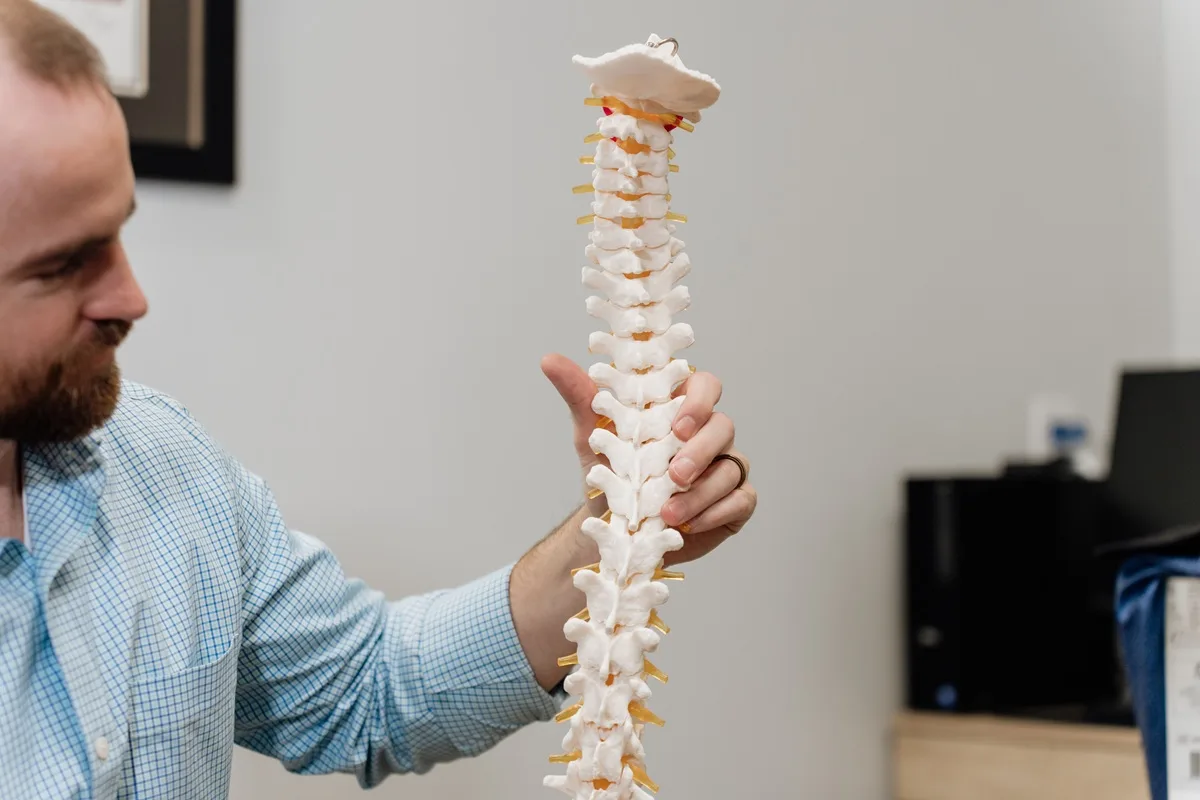
The relationship between the cervical spine and headaches is well-recognized in the medical and chiropractic community. Your neck supports the weight of your head — roughly 10 to 12 pounds — and it’s in near-constant motion throughout the day. When the joints and muscles of the neck are under stress, restricted, or misaligned, it can have a ripple effect on the surrounding tissues and nerves.
The upper cervical spine — the top two or three vertebrae in your neck — has a particularly close anatomical relationship with the structures involved in headache generation. Nerves in this region share pathways with the trigeminal nerve, which is heavily involved in migraine and facial pain. When these upper cervical joints are restricted or irritated, they can sensitize the nervous system and contribute to the headache cycle.
Poor posture is another major piece of the puzzle. Forward head posture — that all-too-common position where your head juts forward in front of your shoulders — places tremendous additional stress on the cervical spine. For every inch your head moves forward, the effective weight experienced by the neck roughly doubles. Over time, this sustained mechanical stress builds tension in the suboccipital muscles (the small muscles at the base of your skull), which are directly linked to tension headaches and cervicogenic headaches.
Here in Magnolia, TX, Dr. John Tysdal evaluates patients not just for where the pain is, but for what structural and biomechanical factors may be contributing to it. Understanding the spine-head connection is central to how Southern Wellness Chiropractic approaches care for headache patients.
How Chiropractic Care May Help with Headaches and Migraines

Chiropractic care for headaches is rooted in the idea that improving spinal function, reducing muscle tension, and optimizing nervous system communication can help decrease the frequency and intensity of head pain episodes. This approach is conservative, non-invasive, and drug-free — which is why so many patients in the Magnolia area seek it out, especially those looking to reduce their reliance on over-the-counter or prescription medications.
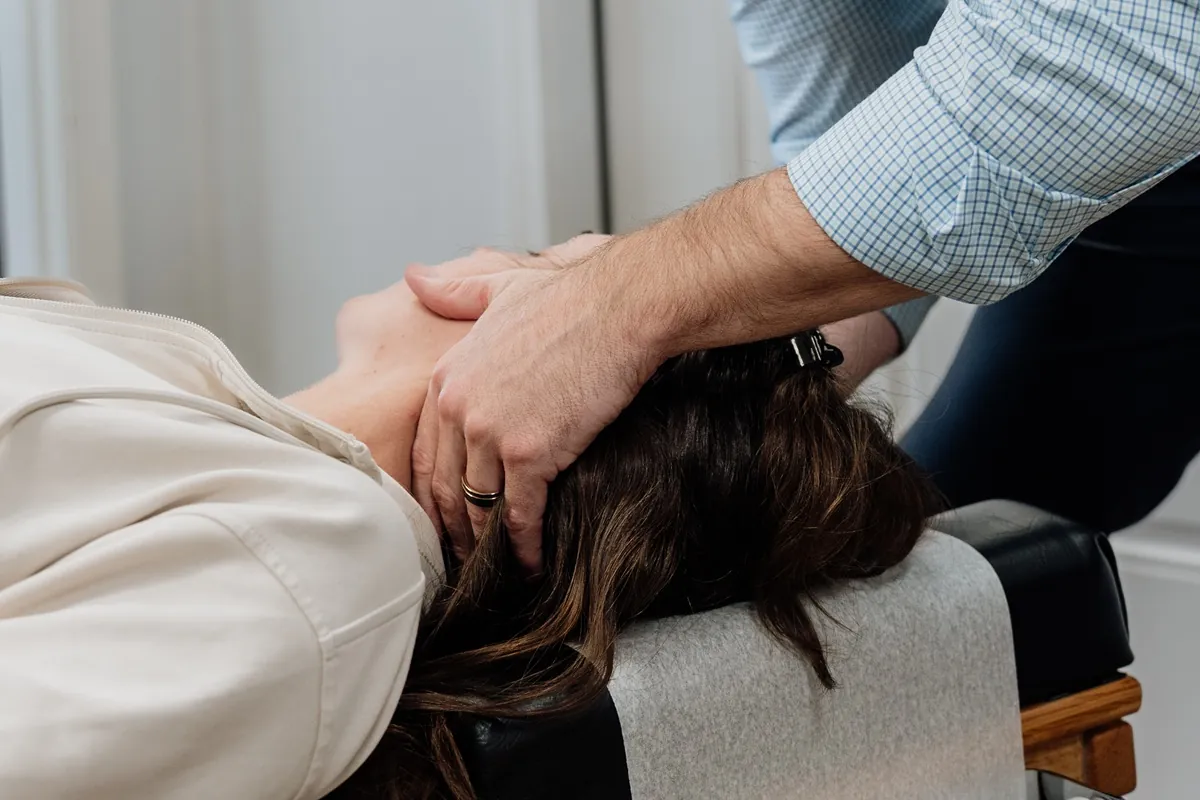
Spinal manipulation, often called a chiropractic adjustment, is one of the primary tools used. When applied to the cervical and upper thoracic spine, adjustments aim to restore proper joint movement, reduce nerve irritation, and relieve muscle tension. Evidence from organizations like the American Chiropractic Association and research published in peer-reviewed journals indicates that spinal manipulation has been shown to help reduce the frequency and severity of both tension-type headaches and cervicogenic headaches. For migraines, the evidence is more nuanced, but research suggests that chiropractic care may help reduce migraine frequency in some patients, particularly when musculoskeletal factors are contributing.
Beyond adjustments, Dr. John Tysdal may incorporate soft tissue therapy, myofascial release, and postural correction exercises into a patient’s care plan. These tools work together to address the full picture — not just the symptomatic area, but the underlying mechanical patterns that keep the headaches coming back. Chiropractic care at Southern Wellness Chiropractic is individualized, meaning your care plan is designed around your specific presentation, history, and goals.
It’s also worth noting that the National Center for Complementary and Integrative Health (NCCIH), a division of the NIH, recognizes spinal manipulation as a reasonable option to explore for headache management. Patients are encouraged to discuss their full health picture with their care team to determine if chiropractic care is appropriate for them.
Practical Tips for Managing Headache Triggers at Home
Chiropractic care works best when it’s paired with smart lifestyle habits. There are several practical steps you can take between visits to support your body and reduce the likelihood of headache episodes. These aren’t complicated changes — they’re realistic adjustments that make a real difference over time.
One of the most impactful things you can do is audit your workstation setup. If you spend hours at a desk each day, your monitor height, chair position, and keyboard placement all affect your neck and shoulder posture. Your monitor should be at roughly eye level so you’re not constantly looking down, which strains the cervical spine and fuels tension headaches.
Hydration is also underestimated as a headache factor. Even mild dehydration can trigger head pain in many people. Making a habit of drinking water consistently throughout the day — rather than catching up all at once — helps keep tissues hydrated and reduces this common trigger.
Sleep position matters, too. Sleeping on your stomach forces your neck into prolonged rotation and can worsen cervical tension. Sleeping on your back or side with appropriate pillow support keeps the spine in a more neutral position overnight, which can reduce morning headaches caused by poor cervical alignment during sleep.
Finally, pay attention to jaw clenching and teeth grinding, particularly if your headaches tend to strike in the morning or are concentrated around the temples. Tension in the jaw muscles (the masseter and temporalis muscles) can directly contribute to head and facial pain and is often connected to overall neck and upper body tension — something Dr. John Tysdal at Southern Wellness Chiropractic can help assess during your evaluation.
When to See a Chiropractor for Your Headaches
Many people wait far too long before seeking care for recurring headaches. If your headaches are happening more than once a week, lasting for hours, or consistently disrupting your work, sleep, or daily activities, those are clear signals that it’s time to get a professional evaluation. Chiropractic care is particularly worth exploring if your headaches are accompanied by neck stiffness, if they worsen with sustained postures, or if you’ve noticed that over-the-counter pain relievers are becoming less effective over time.
Cervicogenic headaches — those that originate in the neck — are especially well-suited to chiropractic evaluation, since the cause is structural and musculoskeletal in nature. If you notice that turning your head, looking down at your phone, or sitting at your computer seems to trigger or worsen your headaches, that’s a meaningful clue that the cervical spine may be involved.
However, there are certain red flags that always warrant immediate medical attention rather than chiropractic care. These include a sudden, explosive “thunderclap” headache, headaches accompanied by fever, stiff neck, confusion, vision changes, or weakness on one side of the body, and headaches that follow a head injury. These can be signs of serious medical conditions, and you should seek emergency care right away. Dr. John Tysdal and the team at Southern Wellness Chiropractic in Magnolia, TX are committed to appropriate referral whenever a patient’s presentation falls outside the scope of conservative chiropractic care.
|
Headache Type |
Common Triggers |
Chiropractic Relevance |
|---|---|---|
|
Tension-Type |
Stress, poor posture, prolonged screen time |
High — neck and upper back tension are primary contributors |
|
Cervicogenic |
Neck joint restriction, poor sleep position, whiplash history |
Very High — structural cervical factors are the root cause |
|
Migraine |
Hormonal shifts, light/sound, sleep changes, stress |
Moderate — musculoskeletal factors may contribute to frequency |
|
Cluster |
Alcohol, smoking, disrupted sleep cycles |
Low — primarily managed medically; chiropractic as adjunct only |
Myths vs. Facts About Chiropractic Care and Headaches
Myth: Chiropractic adjustments are only for back pain.
Fact: While back pain is one of the most common reasons people visit a chiropractor, the scope of chiropractic care extends well beyond the lower back. The cervical spine, which is directly involved in many types of headaches, is a central focus of chiropractic assessment and treatment. Chiropractic care for headaches is well-established and widely practiced.
Myth: You’ll need adjustments forever once you start.
Fact: This is a common concern, but it’s not rooted in reality. Many patients see meaningful improvement in their headache frequency after a focused course of care and then transition to periodic maintenance visits — or are discharged once their goals are met. At Southern Wellness Chiropractic, care plans are goal-driven, not open-ended.
Myth: Chiropractic neck adjustments are dangerous.
Fact: Neck adjustments performed by licensed chiropractors are considered safe when applied to appropriate patients. Serious adverse events are extremely rare. Dr. John Tysdal conducts thorough evaluations before recommending any treatment to ensure it’s appropriate for each individual patient’s health history and presentation.
Myth: Migraines can’t be helped by chiropractic care.
Fact: Research suggests that chiropractic care may help reduce the frequency and intensity of migraines in some patients, particularly when musculoskeletal factors are contributing. While chiropractic care is not a cure for migraines, it can be a valuable part of a comprehensive management approach.
Myth: You should just take pain medication and push through headaches.
Fact: Over-the-counter and prescription medications can be helpful tools, but relying on them too frequently can actually lead to what’s known as medication overuse headache (MOH), where the headaches become more frequent as a result of repeated analgesic use. Addressing the structural and lifestyle contributors through chiropractic care may help reduce the need for medication over time.
Final Thoughts from Southern Wellness Chiropractic
Living with recurring headaches or migraines can feel exhausting and discouraging — but you don’t have to just accept it as a permanent part of your life. At Southern Wellness Chiropractic in Magnolia, TX, Dr. John Tysdal takes a thoughtful, thorough approach to understanding what’s driving your head pain and building a care plan that addresses it at a structural level.
Our community here in Magnolia deserves access to conservative, evidence-informed care that actually takes the time to listen and evaluate — not just hand over a prescription and send you on your way. Chiropractic care isn’t a magic cure, but for many headache sufferers, it has been a meaningful turning point in reclaiming a better quality of life.
If you’ve been dealing with headaches that just won’t quit, we’d encourage you to take the first step and come in for an evaluation. Understanding what’s happening in your body is always the right place to start. The team at Southern Wellness Chiropractic is here to help you do exactly that.
Frequently Asked Questions
Can a chiropractor help with migraines specifically?
Research suggests chiropractic care may help reduce the frequency and intensity of migraines in some patients, especially when musculoskeletal factors are involved. It is not a cure for migraines, but it can be part of a broader management strategy alongside other treatments your healthcare providers recommend.
How many chiropractic visits does it take to see improvement in headaches?
This varies significantly depending on the type of headache, how long the issue has been present, and individual health factors. Some patients notice improvement within a few visits, while others with more chronic patterns may need a longer course of care. Dr. John Tysdal will discuss realistic expectations during your evaluation.
Is it safe to get a chiropractic adjustment in the neck for headaches?
Cervical adjustments performed by a licensed chiropractor are generally considered safe for appropriate candidates. Dr. John Tysdal conducts a thorough health history and examination before recommending any treatment to ensure it’s suitable for your specific situation.
What’s the difference between a tension headache and a cervicogenic headache?
Tension headaches typically present as a diffuse, band-like pressure around the head and are often linked to stress and muscle tightness. Cervicogenic headaches originate from dysfunction in the cervical spine itself and usually involve neck pain or stiffness as part of the picture. Both can be evaluated and addressed through chiropractic care.
Should I stop taking my headache medication before seeing a chiropractor?
No — do not stop any medication without first consulting the prescribing physician. Chiropractic care can often work alongside existing medical management. Dr. John Tysdal and the team at Southern Wellness Chiropractic will work cooperatively with your other healthcare providers as needed.
What should I expect at my first chiropractic visit for headaches in Magnolia, TX?
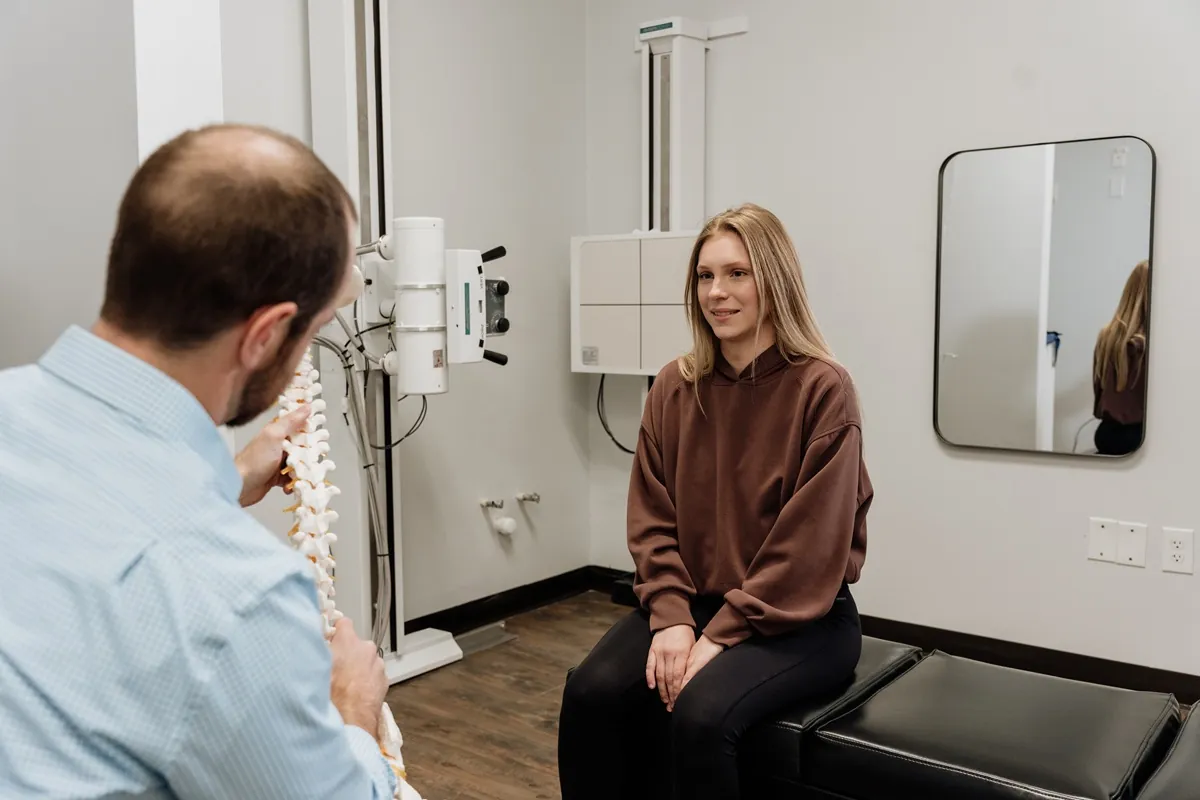
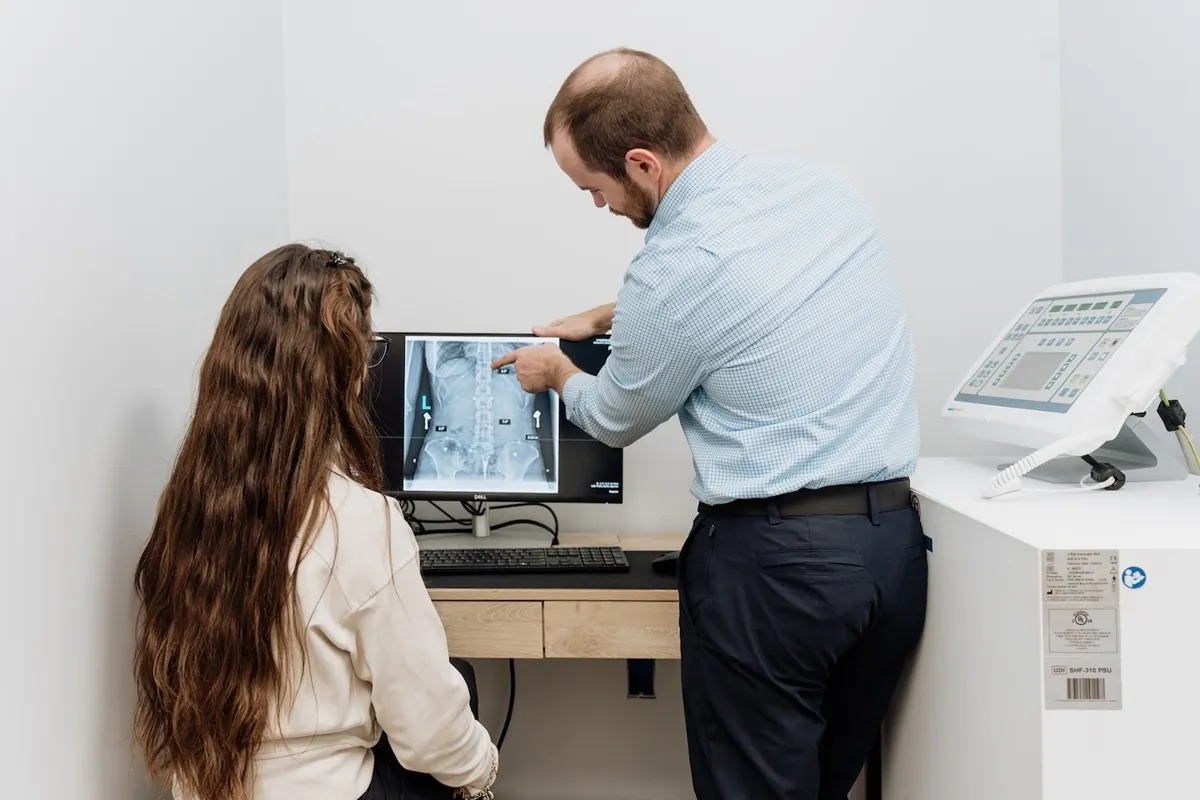
Your first visit at Southern Wellness Chiropractic will typically include a detailed health history review, a physical and postural examination, and a discussion of your headache patterns and goals. From there, Dr. John Tysdal will explain his findings and recommend a care approach tailored specifically to you.
TL;DR Summary
-
Headaches and migraines often have musculoskeletal contributors — especially tension in the neck and upper spine — that chiropractic care can help address.
-
Chiropractic adjustments to the cervical and upper thoracic spine have been shown to help reduce tension-type and cervicogenic headaches, with emerging evidence for migraine management as well.
-
Practical lifestyle habits — like improving workstation ergonomics, staying hydrated, and correcting sleep position — can support your chiropractic care and reduce headache frequency.
-
Certain red flags (thunderclap headache, neurological symptoms, post-trauma headaches) require immediate medical attention, not chiropractic care.
-
Dr. John Tysdal at Southern Wellness Chiropractic in Magnolia, TX offers individualized, drug-free evaluations and care plans for headache and migraine sufferers in the community.