
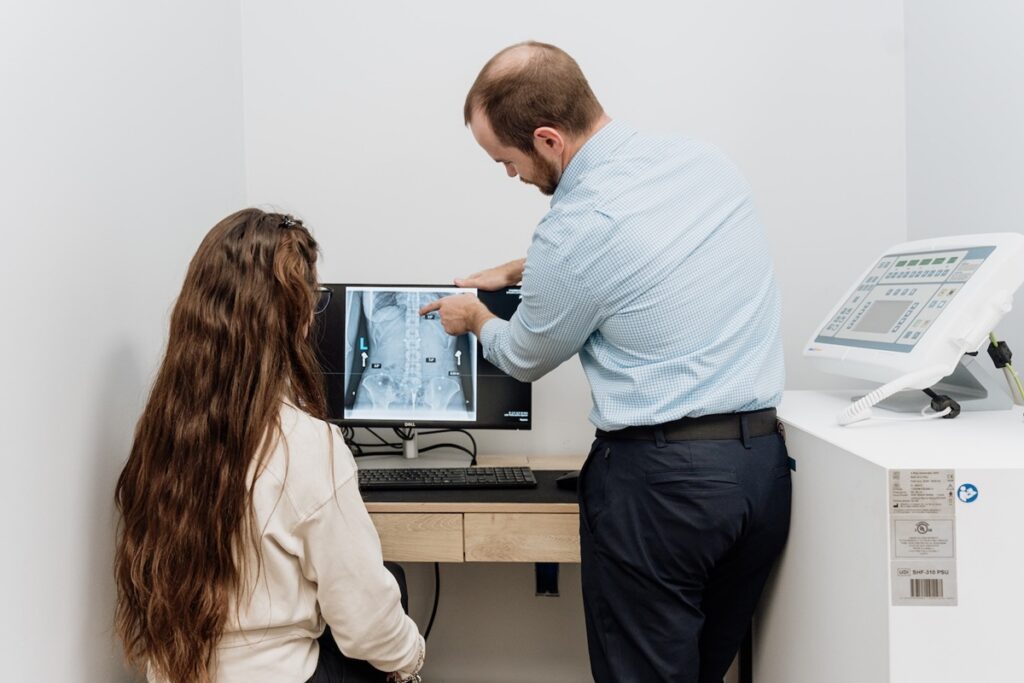

Hip pain during pregnancy is one of those things nobody really warns you about — and yet, so many expectant mothers in Magnolia, TX find themselves waking up stiff, struggling to get comfortable, or wincing with every step. If that sounds familiar, you are not alone, and more importantly, you do not have to just push through it. Understanding why hip pain happens during pregnancy is the first step toward finding real, lasting relief.
What is hip pain during pregnancy?
Hip pain during pregnancy refers to discomfort, achiness, or sharp pain felt in and around the hip joints, pelvis, and surrounding soft tissues during any trimester of pregnancy. It can range from mild and manageable to severe enough to disrupt sleep, daily movement, and overall quality of life.
Why Hip Pain Happens During Pregnancy
Pregnancy is a remarkable, transformative experience — but it places enormous demands on your body. From the very early weeks, your body begins releasing a hormone called relaxin. This hormone is actually a good thing. Its job is to loosen the ligaments in your pelvis so that your body can accommodate a growing baby and eventually allow for childbirth. But relaxin does not target just one area. It affects ligaments throughout your entire body, including those that stabilize your hips, sacroiliac joints, and lower spine.
When those stabilizing structures become more lax, your joints have to work harder just to keep you upright and moving. Your center of gravity is also shifting forward as your belly grows, which changes the way you walk, stand, and carry your weight. That combination — loosened ligaments plus a shifting center of gravity — creates the perfect conditions for hip pain to develop.
Here in Magnolia, TX, Dr. John Tysdal at Southern Wellness Chiropractic works with pregnant patients at every stage of their journey. One of the most consistent things he hears is that patients assumed hip discomfort was simply something they had to endure. The good news is that it rarely has to be that way.
The Most Common Causes of Pregnancy-Related Hip Pain
There is rarely just one single culprit when it comes to hip pain during pregnancy. Instead, it tends to be a combination of structural, hormonal, and postural changes that pile on top of one another over the course of your pregnancy. Here are the most common contributors.
Sacroiliac Joint Dysfunction
The sacroiliac (SI) joints connect the base of your spine to your pelvis on either side. These joints are critical for transferring weight between your upper and lower body. During pregnancy, the increased laxity caused by relaxin can allow the SI joints to shift or move in ways they normally would not. This leads to inflammation, instability, and pain that often radiates into the hips and buttocks. Many patients describe it as a deep, nagging ache that is worse when standing on one leg, climbing stairs, or rolling over in bed.
Symphysis Pubis Dysfunction (SPD)
The symphysis pubis is a joint at the front of your pelvis that holds the two sides of your pelvis together. Relaxin affects this joint too, and in some pregnancies, it can become hypermobile — meaning it moves too much. This causes a grinding or sharp pain in the front of the pelvis that often radiates into the inner thighs and hips. It can make walking, separating your legs, or even climbing into a car quite painful.
Postural Changes and Muscle Imbalances
As your baby grows and your belly shifts your center of gravity forward, your low back tends to arch more than normal. This increased lumbar lordosis — the exaggerated inward curve of the lower spine — puts added stress on the hip flexors, piriformis, and other muscles surrounding the hip joint. Over time, some muscles become overworked and tight while others weaken from underuse, creating imbalances that contribute directly to hip pain.
Sciatica and Nerve Irritation
The sciatic nerve runs from your lower spine, through the buttocks, and down each leg. During pregnancy, pressure from a growing uterus or a tight piriformis muscle can irritate or compress this nerve, causing a sharp, burning, or shooting pain that travels from the hip or buttock down the leg. This is sometimes misunderstood as “just hip pain” when it actually has a nerve component that deserves specific attention.
Signs, Symptoms, and What to Watch For
Pregnancy-related hip pain can feel different for every person, and it can change throughout the course of your pregnancy. Some of the most common ways it presents include a dull, constant ache deep in one or both hips, sharp pain when shifting your weight from one leg to the other, stiffness and difficulty getting out of bed in the morning, pain that worsens after sitting or standing for extended periods, and a clicking or grinding sensation in the hip or pelvic area.
It is important to pay attention to whether the pain is one-sided or bilateral, whether it radiates down your leg, and whether it is affecting your sleep or daily function. These details help Dr. John Tysdal at Southern Wellness Chiropractic get a clearer picture of what is happening and how to best address it.
There are also certain symptoms that should prompt you to contact your OB or midwife right away rather than waiting. Sudden severe pain, swelling, redness, fever, or any changes in fetal movement alongside pelvic pain should always be evaluated medically before pursuing any other care.
How Chiropractic Care Can Help
Chiropractic care during pregnancy is a gentle, non-invasive, drug-free approach to addressing the musculoskeletal changes that contribute to hip pain. At Southern Wellness Chiropractic in Magnolia, TX, Dr. John Tysdal uses techniques specifically suited for pregnant patients — including the Webster Technique, which is a chiropractic analysis and adjustment method designed to reduce stress on the pelvis and surrounding structures during pregnancy.
The goal of chiropractic care during pregnancy is not to override the natural changes your body is making. Instead, it is to help your joints, muscles, and nervous system adapt to those changes as smoothly as possible. When the pelvis is better aligned and the surrounding muscles are functioning in a more balanced way, the hip pain that so many pregnant women experience can often be reduced significantly.
Evidence from the chiropractic and broader conservative care community suggests that spinal and pelvic manipulation, when performed by a trained provider using pregnancy-appropriate techniques, can be a safe and effective option for managing musculoskeletal discomfort during pregnancy. The American Pregnancy Association recognizes chiropractic care as a complementary approach that many expectant mothers find helpful.
Take a moment to watch this video for more information about how chiropractic care can support you during pregnancy:
Every patient’s experience is unique, and Dr. John Tysdal takes the time to evaluate each pregnant patient individually — considering their trimester, their specific symptoms, and any guidance from their OB or midwife — before recommending a care plan. Communication and collaboration with your prenatal care team is always part of the process at Southern Wellness Chiropractic.
Practical Tips for Managing Hip Pain at Home
While chiropractic care can make a meaningful difference, there are also several things you can do between visits — or while you are deciding whether to seek care — to help manage hip pain more comfortably at home.
Supporting your pelvis during sleep is one of the most impactful changes you can make. Sleeping on your side with a pillow between your knees helps keep your hips and pelvis in a more neutral alignment throughout the night, which reduces strain on the SI joints and hip muscles. A full-length body pillow can be especially helpful for this purpose.
Be mindful of how you transition between positions. Getting in and out of the car, rolling over in bed, and rising from a chair are all moments where asymmetrical movement can aggravate an already irritated pelvis. Try to keep your knees together when rotating your body, and take your time with these transitions.
Gentle movement is generally more beneficial than complete rest. Staying sedentary for long periods tends to cause stiffness and increase discomfort. Short, frequent walks at a comfortable pace, gentle prenatal stretching, and swimming or water walking are all low-impact options that many pregnant patients find helpful for hip pain management.
If you work at a desk, pay attention to how long you are sitting and whether your chair supports your lower back. Taking a brief standing or walking break every thirty to forty-five minutes can prevent the hip flexors from tightening and make a notable difference in your comfort level throughout the workday.
Supportive footwear matters more than ever during pregnancy. High heels shift your posture in ways that increase lumbar lordosis and pelvic stress. Flat, supportive shoes help keep your gait as balanced as possible during a time when your body is already working overtime to adapt.
When to See a Chiropractor
Many pregnant patients in the Magnolia, TX area wonder whether their hip pain is “bad enough” to warrant a visit. The honest answer is that you do not need to be in severe pain to benefit from a chiropractic evaluation. If hip pain is affecting your sleep, your ability to walk comfortably, your work, or your daily activities, that is reason enough to come in and be assessed.
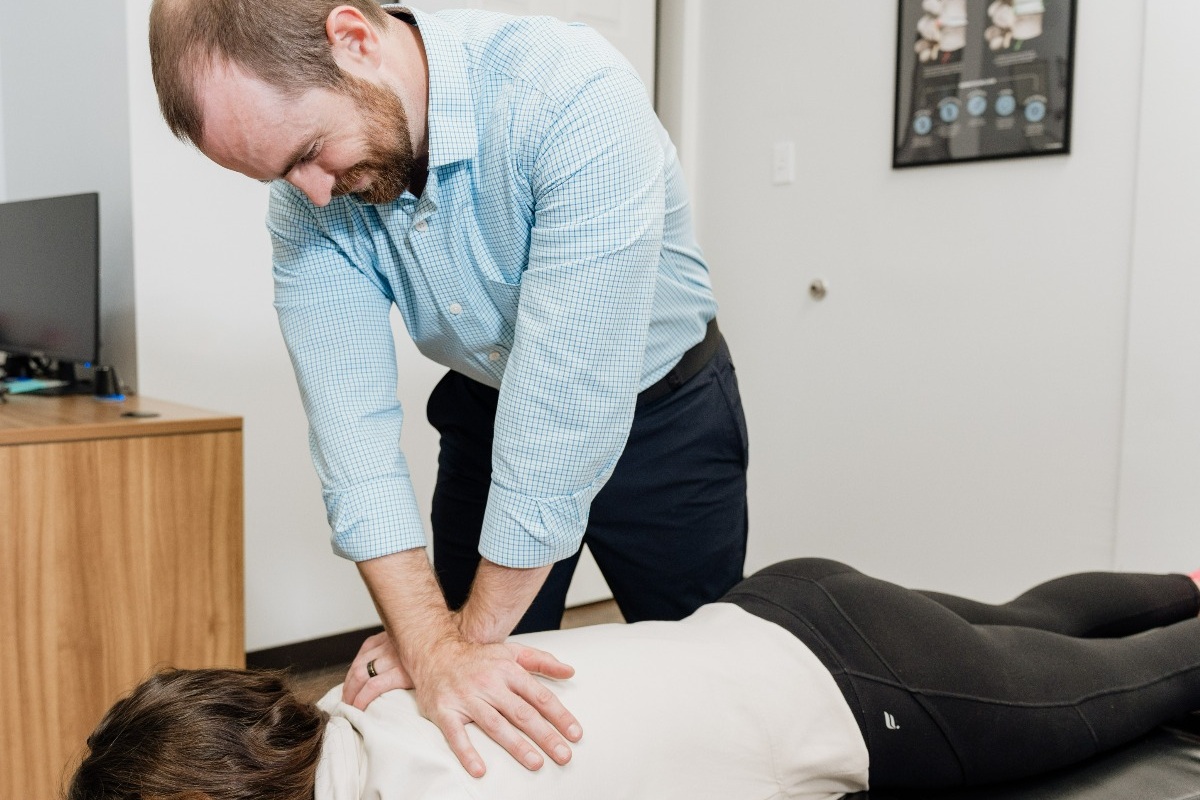
That said, there are certain signs that warrant more immediate attention. If your hip pain came on suddenly and severely, if it is accompanied by numbness or weakness in your legs, or if it is significantly worsening as your pregnancy progresses, those are all situations where getting evaluated sooner rather than later makes sense.
On the other hand, there are true red flag symptoms that should send you directly to your OB or an emergency setting rather than a chiropractor. These include vaginal bleeding, severe abdominal pain, fever alongside musculoskeletal pain, sudden swelling in the legs, or any decrease in fetal movement. Chiropractic care is an excellent complement to prenatal medical care — but it is never a replacement for it.
Hip Pain Triggers vs. Helpful Adjustments
Common Hip Pain Trigger | Helpful Adjustment or Strategy |
|---|---|
Sleeping flat without pelvic support | Side sleeping with a pillow between the knees |
Long periods of uninterrupted sitting | Standing/walking breaks every 30-45 minutes |
Wearing high heels or unsupportive footwear | Flat, cushioned, supportive shoes with good arch support |
Asymmetrical movements (twisting, lunging) | Moving with knees together; mindful transitions |
SI joint or pelvic misalignment | Chiropractic evaluation and pelvic adjustment |
Tight piriformis or hip flexor muscles | Gentle prenatal stretching and soft tissue therapy |
Myths vs. Facts About Hip Pain in Pregnancy
Myth: Hip pain is just a normal part of pregnancy that you have to live with.
Fact: While hip pain is common during pregnancy, that does not mean it is unavoidable or untreatable. Many women experience meaningful relief with proper pelvic support, lifestyle modifications, and conservative care like chiropractic. Common does not have to mean permanent.
Myth: Chiropractic adjustments are not safe during pregnancy.
Fact: When performed by a trained chiropractor using pregnancy-appropriate techniques, chiropractic care is widely considered a safe and gentle option for expectant mothers. Chiropractors trained in prenatal care use modified positions and techniques that avoid pressure on the abdomen. As with any care during pregnancy, open communication with your OB or midwife is encouraged.
Myth: Hip pain only starts in the third trimester.
Fact: Relaxin begins circulating in the body quite early in pregnancy, which means pelvic and hip instability can begin in the first trimester for some women. Hip pain can develop at any stage of pregnancy, and earlier evaluation tends to lead to better outcomes.
Myth: If it is not severe, it is not worth addressing.
Fact: Mild to moderate hip pain that is ignored often becomes more significant as pregnancy progresses and the body continues to change. Addressing discomfort early — before it becomes debilitating — is a much more effective strategy than waiting until it is severe.
Myth: Resting completely is the best thing you can do for hip pain.
Fact: Complete bed rest is rarely recommended for musculoskeletal hip pain during pregnancy. Gentle movement, appropriate stretching, and staying active in low-impact ways tends to support better hip and pelvic health than prolonged inactivity, which can cause muscles to stiffen and weaken further.
Final Thoughts From Southern Wellness Chiropractic
Pregnancy is one of the most meaningful seasons of life, and you deserve to experience it with as much comfort and ease as possible. Hip pain can make it hard to sleep, hard to stay active, and hard to simply enjoy the journey — but it is not something you have to accept as inevitable.
At Southern Wellness Chiropractic in Magnolia, TX, Dr. John Tysdal is passionate about supporting expectant mothers through safe, thoughtful, personalized chiropractic care. Whether you are in your first trimester and already noticing pelvic tension, or you are further along and struggling with significant hip discomfort, our team is here to help you understand what is happening in your body and explore what options may be right for you.
Our approach is always collaborative. We work alongside your OB, midwife, or other prenatal care providers to make sure that every decision fits your overall health picture. You will never feel rushed, and you will always feel heard. The Magnolia community has trusted Southern Wellness Chiropractic for compassionate, evidence-informed care — and that same commitment extends to every pregnant patient who walks through our door.
If hip pain is making your pregnancy harder than it needs to be, reach out to our team at Southern Wellness Chiropractic. Dr. John Tysdal and the rest of our staff would be glad to answer your questions and help you take the next step toward feeling better.
Frequently Asked Questions
Is it safe to see a chiropractor for hip pain while pregnant?
For most pregnancies, chiropractic care is considered a safe and gentle option when provided by a trained practitioner using pregnancy-appropriate techniques. It is always a good idea to let your OB or midwife know you are pursuing chiropractic care so that your entire care team is on the same page.
What trimester does hip pain usually start during pregnancy?
Hip pain can begin as early as the first trimester due to the early release of relaxin, though it is most commonly reported in the second and third trimesters as the belly grows and postural demands increase. Every pregnancy is different, and onset timing varies from person to person.
Can the Webster Technique help with hip pain during pregnancy?
The Webster Technique is a specific chiropractic method focused on analyzing and addressing pelvic alignment during pregnancy. Many patients report reduced pelvic and hip discomfort following Webster-based care. Dr. John Tysdal at Southern Wellness Chiropractic is trained in this technique and can assess whether it is appropriate for your situation.
Will my hip pain go away after I give birth?
For many women, pregnancy-related hip pain does improve significantly after delivery as relaxin levels normalize and the body begins to recover. However, the postpartum period can bring its own set of musculoskeletal challenges, and some women benefit from continued chiropractic support after birth as well.
How do I know if my hip pain is sciatica or SI joint pain?
Sciatica tends to produce a sharp, burning, or shooting sensation that travels from the hip or buttock down the leg, often past the knee. SI joint pain is more commonly felt as a deep ache in the lower back and buttock region that does not typically radiate as far. A proper evaluation by Dr. John Tysdal can help distinguish between the two and guide the most appropriate care approach.
Are there exercises I can do to reduce hip pain during pregnancy?
Gentle, low-impact movement such as prenatal walking, swimming, or approved stretching can help reduce hip pain for many pregnant women. It is important to avoid high-impact or asymmetrical exercises that place excessive stress on the pelvis. Always consult your healthcare provider before starting any new exercise routine during pregnancy.
TL;DR
Hip pain during pregnancy is very common but not something you simply have to endure — it has specific, identifiable causes that can often be addressed with the right care.
The hormone relaxin, postural shifts, SI joint dysfunction, and muscle imbalances are among the most common contributors to pregnancy-related hip pain.
Chiropractic care, including the Webster Technique, can be a safe and effective part of managing hip pain during pregnancy when provided by a trained practitioner.
Simple home strategies — like sleeping with a pillow between the knees, wearing supportive footwear, and taking regular movement breaks — can make a meaningful difference in daily comfort.
Dr. John Tysdal and the team at Southern Wellness Chiropractic in Magnolia, TX are here to support expectant mothers with personalized, gentle, collaborative care throughout every stage of pregnancy.


