


Knee pain is one of the most common complaints we hear about here in Magnolia, TX — and it’s easy to understand why. Whether you’re an active parent keeping up with kids at the park, a weekend athlete on the local trails, or someone whose work demands hours of standing or kneeling, your knees take an enormous amount of stress every single day. When knee pain shows up, it can stop you in your tracks and make even simple activities feel like a challenge. The good news is that understanding what’s happening in your knee — and knowing your options for conservative care — can make a real difference in how quickly you start feeling better.
At Southern Wellness Chiropractic in Magnolia, TX, Dr. John Tysdal works with patients dealing with all kinds of knee pain, from acute injuries to the slow-building discomfort that creeps up over time. This article is designed to give you a thorough, honest look at knee pain: what causes it, what the symptoms mean, and how chiropractic care may be able to help you get back to living your life fully.
What Is Knee Pain?
Knee pain refers to discomfort, soreness, or dysfunction in or around the knee joint — one of the largest and most complex joints in the human body. It can stem from an acute injury, a chronic condition, poor biomechanics, or simple overuse. Knee pain can affect people of any age and activity level, and it often responds well to conservative, non-invasive care when addressed early.
Table of Contents
Understanding the Knee: A Quick Anatomy Overview
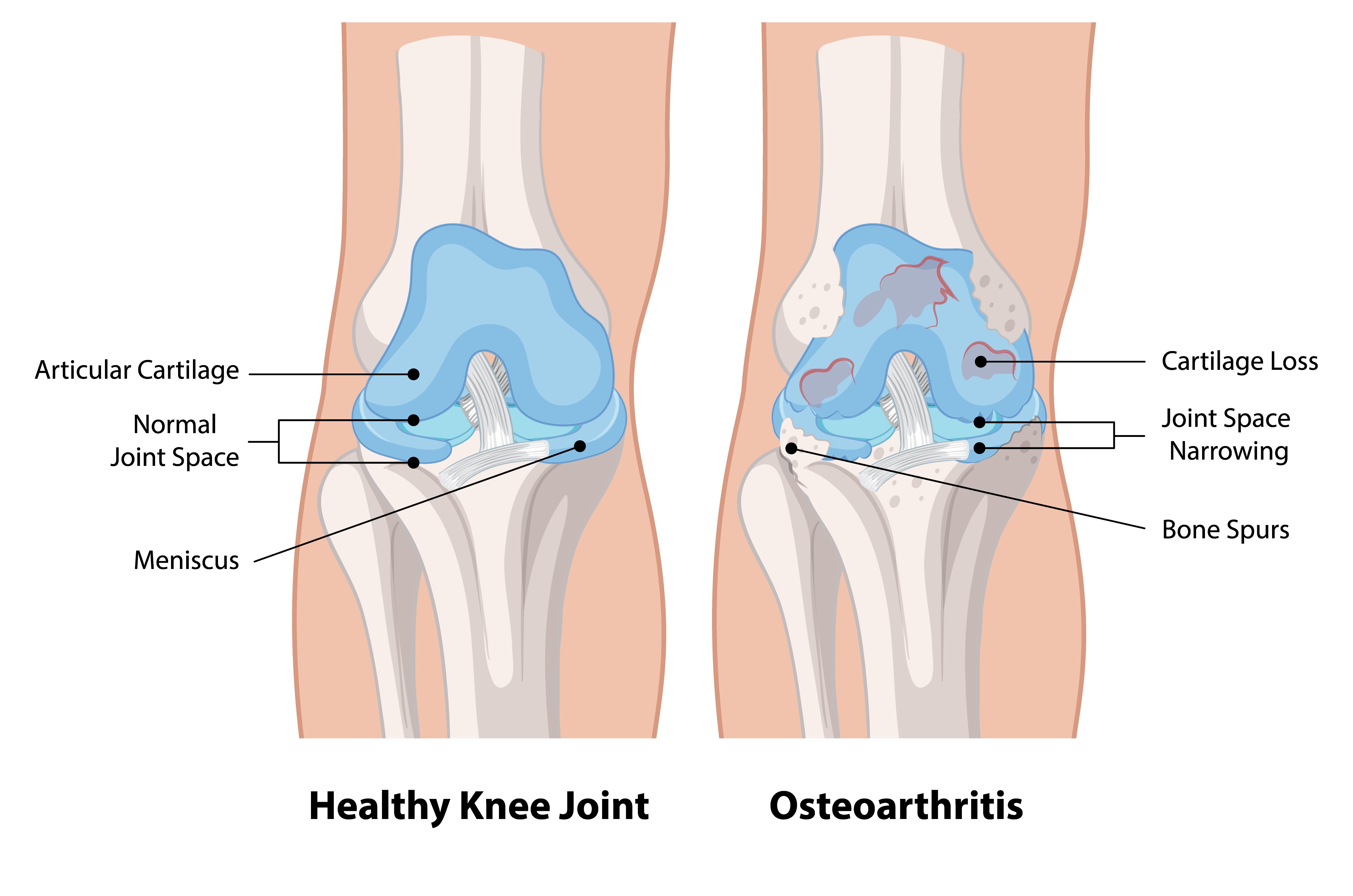
Before we dive into causes and symptoms, it helps to have a basic picture of what makes up your knee. The knee is a hinge joint formed by three bones: the femur (thigh bone), the tibia (shin bone), and the patella (kneecap). Holding everything together is a network of ligaments, tendons, cartilage, and fluid-filled sacs called bursae.
The two most important pieces of cartilage in the knee are the medial and lateral menisci — these act like shock absorbers between the femur and tibia. You’ve probably heard of the ACL (anterior cruciate ligament) and PCL (posterior cruciate ligament) — these are the crossing ligaments that provide stability to the joint. On the inner and outer sides, the MCL and LCL add further support.
Because so many structures are packed into a relatively small space, knee problems can come from many different sources. Pinpointing exactly which structure is involved is one of the most important steps in getting the right care — and it’s one of the things Dr. John Tysdal focuses on during a thorough evaluation at Southern Wellness Chiropractic.
Common Causes of Knee Pain
Knee pain doesn’t always come from a dramatic injury. In fact, many of our patients in Magnolia are surprised to learn their knee pain developed gradually due to repetitive stress, postural imbalances, or alignment issues elsewhere in the body. Here are some of the most frequently seen causes.
Acute Injuries
Sprains and strains are among the most common causes of sudden knee pain. A ligament sprain occurs when the ligament is stretched or torn — often from a twisting motion, a fall, or a collision during sports. A muscle strain near the knee can cause similar sudden discomfort. These injuries are common in athletes, but they can happen to anyone who puts unexpected stress on the knee.
Meniscus tears are another frequent culprit. The meniscus can tear when the knee is forcefully twisted while the foot is planted on the ground. This is especially common in sports like soccer, basketball, and running — activities that are popular throughout the Magnolia and Montgomery County area.
Overuse and Repetitive Stress
Conditions like patellar tendinitis (inflammation of the tendon connecting the kneecap to the shinbone) and iliotibial (IT) band syndrome develop when repetitive motions create ongoing stress. Runners, cyclists, and people who spend long hours on their feet are particularly prone to these issues.
Patellofemoral pain syndrome — sometimes called “runner’s knee” — is another overuse condition where the kneecap doesn’t track properly over the femur. This causes pain and grinding sensations around the front of the knee, especially when climbing stairs or sitting for long periods.
Biomechanical and Postural Factors
This is where chiropractic care becomes especially relevant. Poor hip alignment, flat feet, weak glutes, or an imbalanced pelvis can all alter the way force travels through your knee with every step. When the biomechanics of the lower extremity are off, the knee often pays the price — even if the knee itself isn’t the root problem.
Degenerative Conditions
Osteoarthritis of the knee is one of the leading causes of chronic knee pain, particularly in adults over 50. Over time, the cartilage that cushions the joint breaks down, leading to stiffness, swelling, and aching that tends to worsen with activity or after long periods of rest. While arthritis cannot be reversed, many patients find that conservative care helps manage symptoms and maintain quality of life.
Recognizing the Symptoms
Knee pain symptoms vary widely depending on the underlying cause. Some patients describe a sharp, stabbing pain during movement; others notice a dull, persistent ache that lingers throughout the day. Here are some of the most telling signs that something may be going on with your knee.
Swelling and warmth around the knee joint often indicate inflammation, which can be the result of an injury, bursitis, or arthritis. Clicking, popping, or grinding sensations — especially with bending and straightening — can point to cartilage issues or patellar tracking problems. A feeling of instability or the knee “giving way” is a significant red flag, often associated with ligament damage.
Stiffness after sitting or sleeping, difficulty fully bending or straightening the knee, and pain that radiates down the shin or up into the thigh are all symptoms worth paying attention to. Weakness in the surrounding muscles — particularly the quadriceps and hamstrings — frequently accompanies knee conditions and can worsen symptoms if left unaddressed.
One thing Dr. John Tysdal emphasizes at Southern Wellness Chiropractic is that symptoms don’t always tell the whole story. A thorough evaluation — including a look at posture, gait, hip and ankle function, and spinal alignment — is essential to understanding the bigger picture.
How Chiropractic Care Fits Into Knee Pain Treatment
Many people think of chiropractic care as strictly a back-and-neck specialty. While spinal care is certainly a major part of what we do at Southern Wellness Chiropractic, chiropractic treatment extends to the entire musculoskeletal system — including the knees, hips, ankles, and feet. Research suggests that chiropractic care, when combined with rehabilitative approaches, can be a valuable part of a conservative knee pain treatment plan.
Dr. John Tysdal takes a whole-body approach to knee pain. Rather than simply treating where it hurts, he looks at how the entire kinetic chain — from your feet to your spine — may be contributing to the problem. Misalignments in the lumbar spine or pelvis, for example, can alter the way load is distributed through the lower extremities, placing excessive stress on the knee joint over time.
Chiropractic Adjustments
Gentle chiropractic adjustments to the knee, hip, ankle, or lumbar spine can help restore proper joint mechanics, reduce nerve irritation, and improve overall mobility. When joints move the way they’re supposed to, surrounding muscles can function more efficiently — and the knee has a better chance to heal and stabilize.
Soft Tissue Techniques
Chiropractic care often incorporates soft tissue work to address tight muscles, restricted fascia, and trigger points that contribute to knee pain. Addressing tension in the quadriceps, hamstrings, calves, and IT band can meaningfully reduce the stress placed on the knee joint during everyday movement.
Rehabilitation and Movement Guidance
A key part of knee pain care at Southern Wellness Chiropractic involves teaching patients how to move better. Dr. John Tysdal may provide guidance on specific exercises to strengthen the muscles supporting the knee, as well as advice on activity modification to avoid re-injury during recovery.
Practical Tips to Support Your Knee Health
While professional evaluation and care are important, there are steps you can take on your own to support your knee health and reduce discomfort. These recommendations are general in nature — always consult with a healthcare provider before starting new exercises, especially if you’re recovering from an injury.
Keeping the muscles around your knee strong is one of the most effective things you can do for long-term knee health. The quadriceps and hamstrings act as the knee’s primary support system. Exercises like straight-leg raises, wall sits, and gentle hamstring stretches can help maintain this muscular foundation without placing undue stress on the joint.
Footwear matters more than most people realize. Worn-out shoes or shoes without adequate arch support can dramatically alter how forces travel through your knee with each step. Supportive footwear — and in some cases, custom orthotics — can make a meaningful difference, especially for those who spend a lot of time on hard surfaces.
Maintaining a healthy body weight is also important. The knee joint bears roughly three to four times your body weight during walking and even more during activities like climbing stairs or squatting. Even modest weight loss can reduce the cumulative load on the knee significantly over time.
Avoid sitting or standing in one position for too long. If your work keeps you stationary, take short movement breaks every 30 to 45 minutes. Gentle movement keeps the joint lubricated and prevents the stiffness that often worsens knee pain.
When to See a Chiropractor for Knee Pain
It’s reasonable to give mild knee discomfort a few days of rest and gentle care before seeking professional help. However, there are certain situations where you shouldn’t wait. If you’ve experienced a direct blow or fall and have significant swelling, inability to bear weight, or visible deformity, you should seek medical evaluation promptly to rule out fractures or severe ligament tears.
If your knee pain has persisted for more than one to two weeks without improvement, it’s a good idea to have it evaluated. Chronic or recurring knee pain rarely resolves on its own — and the longer biomechanical issues go unaddressed, the more likely compensatory patterns are to develop in other areas of the body, such as the hip, low back, or opposite knee.
Patients in and around Magnolia, TX frequently visit Southern Wellness Chiropractic after months of tolerating knee pain because they weren’t sure whether chiropractic care was the right place to turn. In many cases, a conservative chiropractic approach is exactly what was needed — and starting sooner tends to produce better outcomes.
Red flags that warrant immediate medical attention include severe swelling, redness and warmth suggesting possible infection, a locked knee that cannot be straightened, or numbness and tingling that extends down the leg. These symptoms require urgent evaluation beyond chiropractic care.
Knee Pain Causes at a Glance
Condition |
Common Cause |
Typical Symptoms |
Conservative Care Approach |
|---|---|---|---|
|
Patellar Tendinitis |
Repetitive jumping or running |
Pain below the kneecap, worsens with activity |
Soft tissue therapy, activity modification, strengthening |
|
Meniscus Tear |
Twisting injury |
Clicking, locking, swelling, joint line pain |
Joint mobilization, rehab exercise, referral if severe |
|
IT Band Syndrome |
Overuse in runners/cyclists |
Sharp outer knee pain, especially downhill or descending stairs |
Soft tissue release, hip strengthening, gait assessment |
|
Patellofemoral Syndrome |
Poor patellar tracking, muscle imbalance |
Front knee pain, grinding sensation, worse with stairs/sitting |
Quad/hip strengthening, biomechanical correction |
|
Osteoarthritis |
Degenerative joint wear |
Stiffness, aching, reduced range of motion |
Gentle mobilization, exercise guidance, lifestyle support |
|
Ligament Sprain |
Sudden force or twisting |
Instability, swelling, immediate pain |
Stabilization, gentle rehab, referral if severe tear suspected |
Myths vs. Facts About Knee Pain
Myth: If it’s not swollen, it’s not serious.
Fact: Many significant knee conditions — including early cartilage damage, IT band syndrome, and patellar tendinitis — produce little to no visible swelling. Pain and functional limitation are meaningful indicators regardless of whether the knee looks puffy. Don’t dismiss discomfort just because you can’t see outward signs of injury.
Myth: Rest is always the best medicine for knee pain.
Fact: While rest may be appropriate immediately after an acute injury, prolonged inactivity often makes knee pain worse. Research in musculoskeletal care consistently supports gentle, controlled movement as beneficial for recovery. Complete rest can lead to muscle weakness and joint stiffness that prolongs the healing process.
Myth: Knee pain is just part of getting older — nothing can be done.
Fact: While age-related changes in cartilage are real, they don’t automatically mean you’re destined for constant knee pain. Many older adults manage knee conditions very effectively with conservative care, appropriate exercise, and lifestyle adjustments. Age alone does not determine your outcome.
Myth: Chiropractic care is only for back pain — it can’t help knees.
Fact: Chiropractors are trained to assess and treat the entire musculoskeletal system. Evidence indicates that chiropractic care can be effective for knee conditions by addressing joint mechanics, surrounding muscle function, and contributing factors like spinal and hip alignment. Dr. John Tysdal at Southern Wellness Chiropractic regularly helps patients in Magnolia, TX with knee-related complaints.
Myth: You need surgery to fix most knee problems.
Fact: The majority of knee conditions respond well to conservative, non-surgical care. Many patients avoid surgery altogether by addressing underlying biomechanical issues early with chiropractic care, physical rehabilitation, and lifestyle modifications. Surgery may be appropriate in select cases, but it is rarely the first step.
Final Thoughts
Knee pain doesn’t have to be something you simply learn to live with. Whether you’ve experienced a sudden injury on the field or trail, or you’ve been dealing with nagging discomfort that’s been building for months, there are real, effective conservative options available to you right here in Magnolia, TX.
At Southern Wellness Chiropractic, Dr. John Tysdal is committed to helping members of the Magnolia community understand what’s driving their knee pain and what can be done about it — without rushing toward medications or surgical interventions as a first resort. The goal is always to find the root cause, restore proper movement, and support the body’s natural capacity to heal.
If you’ve been searching for knee pain treatment near Magnolia — or if you’re just curious whether chiropractic care might be a good fit for what you’re experiencing — we’d love to have a conversation. Southern Wellness Chiropractic is here to serve this community with honest, patient-centered care. You deserve to move well and feel well, and taking that first step toward answers is always worth it.
Frequently Asked Questions
Can a chiropractor treat knee pain?
Yes. Chiropractors are trained to evaluate and treat musculoskeletal conditions throughout the body, including the knee. Care may include joint adjustments, soft tissue techniques, and rehabilitative guidance aimed at restoring proper movement and reducing discomfort.
How long does it take for knee pain to improve with chiropractic care?
Recovery timelines vary depending on the cause and severity of the condition, how long it’s been present, and individual health factors. Some patients notice improvement within a few visits, while chronic or complex conditions may take longer. Dr. John Tysdal provides individualized care plans based on each patient’s specific situation.
Is knee pain from arthritis treatable without surgery?
Many patients with knee osteoarthritis experience meaningful improvement in symptoms through conservative care, including chiropractic treatment, therapeutic exercise, and lifestyle modifications. While arthritis-related cartilage changes cannot be reversed, symptom management and functional improvement are realistic goals.
What’s the difference between a knee sprain and a knee strain?
A sprain involves injury to a ligament — the fibrous tissue connecting bone to bone. A strain involves injury to a muscle or tendon. Both can cause pain, swelling, and limited movement in the knee, but they involve different structures and may require different approaches to care.
Should I ice or heat my knee when it hurts?
Ice is generally recommended for acute injuries or after activities that cause flare-ups, as it helps reduce inflammation and swelling. Heat is often more appropriate for chronic stiffness and muscle tightness. When in doubt, consult with Dr. John Tysdal or another healthcare provider for guidance specific to your situation.
When is knee pain an emergency?
Seek immediate medical attention if your knee is severely swollen, you cannot bear weight, there is visible deformity, or you suspect a fracture. Signs of possible infection — such as significant warmth, redness, and fever — also require urgent evaluation.
TL;DR Summary
-
Knee pain is extremely common in Magnolia, TX and can stem from injuries, overuse, poor biomechanics, or degenerative conditions like arthritis.
-
Symptoms vary widely — from swelling and instability to stiffness and grinding — and should be professionally evaluated to identify the root cause.
-
Chiropractic care addresses not just the knee but the entire kinetic chain, making it an effective conservative option for many patients.
-
Dr. John Tysdal at Southern Wellness Chiropractic in Magnolia, TX takes a whole-body approach to knee pain, focusing on restoring proper movement and function.
-
Most knee conditions respond well to non-surgical, conservative care — especially when addressed early rather than left to linger.


