

As a parent, nothing matters more than your child’s health and safety. When you’re exploring natural, conservative care options for your little one — whether it’s to address colic, support healthy development, or help with growing pains — it’s completely normal to wonder: Is chiropractic care actually safe for children? Here in Magnolia, TX, many parents at Southern Wellness Chiropractic ask us this exact question. The short answer is yes, but there’s so much more you should know. Pediatric chiropractic care is gentle, specifically adapted for children’s developing bodies, and grounded in evidence-based approaches. This article will walk you through everything parents need to understand about chiropractic care for kids, from safety and technique to what conditions may benefit from care.
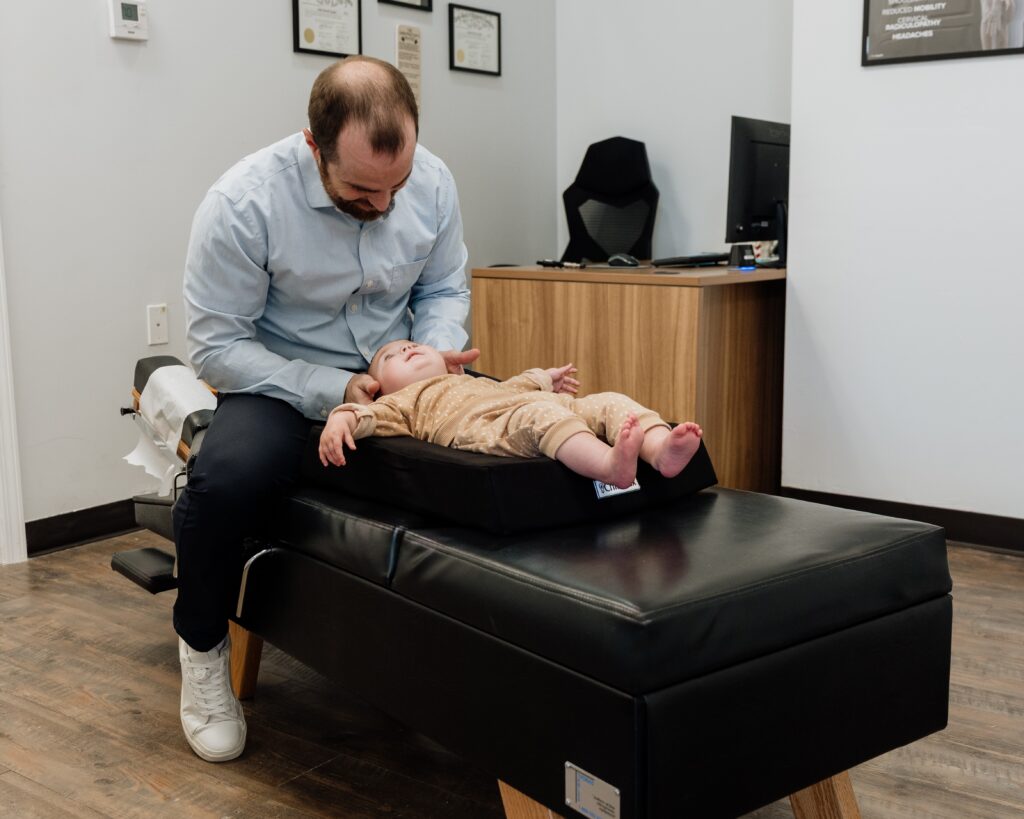
Is chiropractic care safe for children? Yes, when performed by a trained chiropractor, pediatric chiropractic care is considered safe and is tailored specifically to a child’s age, size, and developmental stage. Techniques used on children involve gentle pressure — often no more than the amount you’d use to test a tomato for ripeness — and are significantly different from adult adjustments.
Table of Contents
- What Is Pediatric Chiropractic Care?
- Safety and Research: What the Evidence Shows
- How Pediatric Adjustments Differ From Adult Care
- Common Childhood Conditions That May Benefit
- What to Expect During Your Child’s Visit
- Choosing the Right Chiropractor for Your Child
- Myths vs. Facts About Pediatric Chiropractic
- When to Consider Chiropractic Care for Your Child
- Final Thoughts
What Is Pediatric Chiropractic Care?
Pediatric chiropractic care focuses on the assessment and gentle care of infants, toddlers, children, and adolescents. The foundation of chiropractic philosophy is that the nervous system controls and coordinates every function in the body, and when the spine and nervous system are functioning optimally, the body has a better chance to heal and develop properly.
Children are not simply small adults. Their bones, joints, muscles, and nervous systems are constantly growing and changing. Because of this, chiropractors who work with children use specialized, age-appropriate techniques that are far gentler than those used on adults. These techniques may include light fingertip pressure, gentle mobilization, or instrument-assisted adjustments that deliver controlled, comfortable corrections.
Here in Magnolia, parents often bring their children to Southern Wellness Chiropractic for wellness checks, developmental support, or specific concerns like difficulty latching during breastfeeding, torticollis, or recurring ear discomfort. Pediatric chiropractic is conservative, non-invasive, and drug-free — qualities that align well with many families’ health values.
It’s important to understand that chiropractors do not claim to cure diseases or replace necessary medical care. Instead, pediatric chiropractic focuses on supporting the body’s natural ability to function well by addressing areas of tension, restriction, or misalignment in the spine and musculoskeletal system.
Safety and Research: What the Evidence Shows
One of the most common concerns parents have is whether chiropractic adjustments could harm their child. The evidence consistently supports the safety of pediatric chiropractic care when delivered by trained professionals.
Research published in peer-reviewed journals, including studies reviewed by organizations like the International Chiropractic Pediatric Association and findings in journals such as the Journal of Manipulative and Physiological Therapeutics, indicates that adverse events following pediatric chiropractic care are exceedingly rare. Most reported side effects are minor and temporary, such as mild soreness or temporary fussiness, similar to what might occur after any physical therapy or bodywork.
A large-scale study examining chiropractic care for children found that serious adverse events were extremely uncommon, and when they did occur, they were often linked to underlying pathology rather than the chiropractic care itself. The study emphasized the importance of thorough examination and appropriate referral when necessary.
The World Health Organization (WHO) has acknowledged the role of spinal manipulation in musculoskeletal conditions, and organizations like the American Chiropractic Association support evidence-informed care for pediatric populations. The key to safety lies in proper training, appropriate technique modification, and clinical judgment.
At Southern Wellness Chiropractic, we prioritize your child’s safety by conducting thorough health histories, performing age-appropriate examinations, and using gentle techniques specifically designed for pediatric patients. If we ever identify something outside our scope of practice, we refer families to the appropriate medical provider without hesitation.
How Pediatric Adjustments Differ From Adult Care
Many parents imagine their child receiving the same type of adjustment they might get, complete with audible “popping” sounds. That’s not what happens during pediatric chiropractic care. The techniques are fundamentally different.
For infants, adjustments often involve gentle fingertip pressure — typically no more than the pressure you’d use to check if fruit is ripe. There are no forceful twists or thrusts. Chiropractors may use light sustained contact, gentle mobilization, or specialized instruments that deliver precise, controlled input without manual force.
As children grow, techniques are gradually adjusted to match their developmental stage. Toddlers and preschoolers may receive slightly more pressure than infants, but still far less than adults. School-age children and adolescents can tolerate techniques closer to adult adjustments, but practitioners continue to modify based on size, muscle development, and individual tolerance.
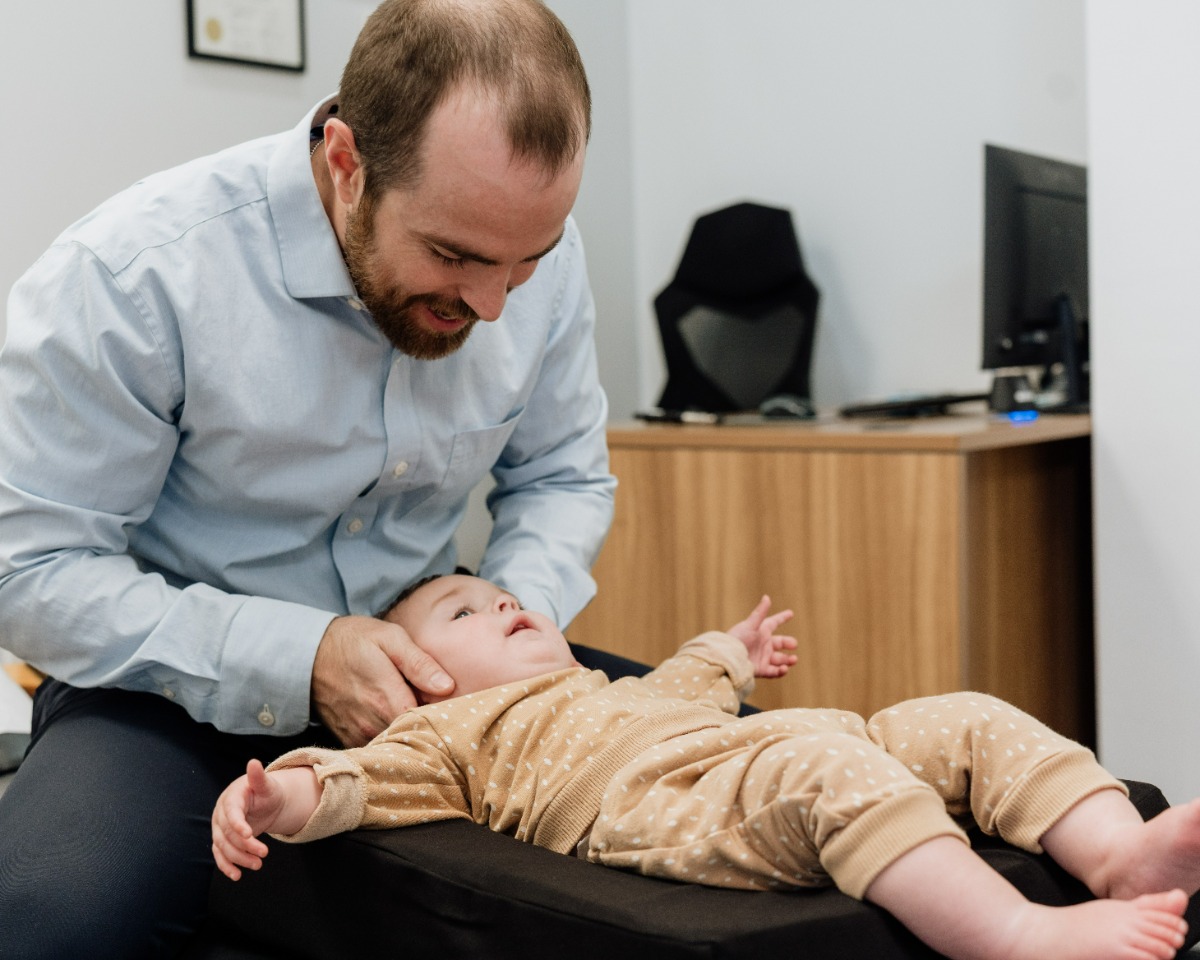
The treatment table setup may also differ. Infants might be adjusted while being held by a parent or lying on a special cushion. Young children often find the experience comfortable and may even fall asleep during care.
Chiropractors trained in pediatric care understand spinal biomechanics throughout developmental stages. They know which areas are more vulnerable during growth spurts, how to assess developmental milestones, and when certain techniques are appropriate. This specialized knowledge is what makes pediatric chiropractic distinct and safe.
Common Childhood Conditions That May Benefit
While chiropractic care doesn’t treat diseases, research and clinical experience suggest it may help support children experiencing certain musculoskeletal or developmental concerns. Parents in the Magnolia area often seek chiropractic care for their children for the following reasons:
Colic and Fussiness: Some research indicates that chiropractic care may help reduce crying time in infants with colic. While the exact mechanism isn’t fully understood, gentle spinal adjustments may help release tension from the birth process and support nervous system regulation.
Breastfeeding Difficulties: Restrictions in neck mobility or jaw function can make latching difficult for newborns. Gentle adjustments may help improve range of motion, making feeding more comfortable for both baby and mother.
Torticollis: This condition involves tightness in the neck muscles that causes a baby’s head to tilt to one side. Chiropractic care, often combined with stretching exercises, may help address the underlying restrictions.
Growing Pains: While often dismissed as normal, growing pains can sometimes be related to muscular tension, postural stress, or biomechanical imbalances. Chiropractic care may provide relief through gentle adjustments and soft tissue work.
Posture Concerns: With increased screen time and heavy backpacks, many children develop postural issues. Chiropractic care can address spinal alignment and provide education on ergonomics and healthy movement patterns.
Sports Injuries: Young athletes may experience strains, overuse injuries, or joint dysfunction. Chiropractic care offers a conservative approach to injury recovery and prevention.
Ear Discomfort: While chiropractors don’t treat infections, some evidence suggests that chiropractic care may help with drainage and mechanical function related to recurrent ear issues, potentially reducing frequency.
It’s important to emphasize that chiropractic care should complement, not replace, appropriate medical care. If your child has a fever, infection, or other medical condition, seeing their pediatrician is essential.
What to Expect During Your Child’s Visit
Understanding what happens during a pediatric chiropractic visit can ease anxiety for both parents and children. Here’s what typically occurs at Southern Wellness Chiropractic when you bring your child in:
Initial Consultation: The first visit begins with a detailed health history. We’ll ask about pregnancy, birth history, developmental milestones, current symptoms, and overall health. This information helps us understand your child’s unique needs.
Gentle Examination: The examination is age-appropriate and non-invasive. For infants, we observe movement patterns, check muscle tone, and assess spinal alignment. For older children, we may include posture analysis, range of motion testing, and gentle palpation to identify areas of tension or restriction.
The Adjustment: If chiropractic care is appropriate, the adjustment itself is brief and gentle. Infants often don’t even wake up during care. Toddlers and young children usually find it comfortable and may be curious about the process. We encourage parents to stay close and provide comfort.
Education and Recommendations: We’ll explain what we found, discuss whether chiropractic care may be helpful, and provide recommendations for home care, exercises, or lifestyle modifications that support your child’s health.
Follow-Up Care: Depending on the concern, some children benefit from a short series of visits, while others come for periodic wellness checks. We tailor care plans to each child’s individual needs.
Parents are always welcome to ask questions, express concerns, or stop the visit at any time. Your comfort and your child’s comfort are our top priorities.
Choosing the Right Chiropractor for Your Child
Not all chiropractors have extensive training or experience working with children. When choosing a chiropractor for your child, consider these important factors:
Training and Certification: Look for chiropractors who have completed additional training in pediatric care. Certifications from organizations like the International Chiropractic Pediatric Association (ICPA) indicate specialized education beyond chiropractic school.
Experience: Ask how often the chiropractor sees children and what age groups they commonly work with. Experience matters when it comes to pediatric adjustments.
Technique: Inquire about the specific techniques used for children. Gentle, age-appropriate methods should be standard practice.
Communication: A good pediatric chiropractor will take time to answer your questions, explain their findings clearly, and respect your parenting decisions.
Office Environment: The office should feel welcoming to children, with staff who are comfortable and patient with young patients.
Red Flags: Be cautious of anyone who promises to cure diseases, discourages necessary medical care, or uses high-pressure sales tactics. Ethical chiropractors work collaboratively with other healthcare providers.
Here in Magnolia, families trust Southern Wellness Chiropractic because we prioritize safety, communication, and individualized care for every child who comes through our doors.
| Age Group | Typical Technique | Pressure Used |
|---|---|---|
| Newborns (0-3 months) | Fingertip contact, instrument-assisted | Equivalent to testing fruit ripeness |
| Infants (3-12 months) | Gentle mobilization, light pressure | Slightly more than newborn, still very light |
| Toddlers (1-3 years) | Modified manual techniques, gentle stretching | Light to moderate, adapted to tolerance |
| Children (4-12 years) | Age-appropriate adjustments, education | Moderate, significantly less than adults |
| Adolescents (13+ years) | Techniques closer to adult care, individualized | Approaching adult levels, still modified |
Myths vs. Facts About Pediatric Chiropractic
Myth: Chiropractic adjustments will hurt my child
Fact: Pediatric adjustments are extremely gentle and most children find them comfortable. Infants often sleep through adjustments, and older children typically report feeling relaxed afterward. The pressure used is minimal and specifically adapted to your child’s age and size.
Myth: Chiropractors crack babies’ backs just like adults
Fact: The techniques used on infants and young children bear little resemblance to adult adjustments. There are no forceful thrusts or “cracking” sounds. Pediatric techniques involve light fingertip pressure, gentle mobilization, or specialized instruments that deliver precise corrections without manual force.
Myth: There’s no research supporting chiropractic care for children
Fact: While more research is always beneficial, existing studies published in peer-reviewed journals support the safety and potential benefits of pediatric chiropractic care for certain conditions. Research continues to grow in this area, with evidence suggesting positive outcomes for issues like colic, torticollis, and musculoskeletal complaints.
Myth: You should wait until a child has pain before seeing a chiropractor
Fact: Many parents bring children for wellness checks and developmental support, not just pain relief. The birth process, learning to walk, sports activities, and growth spurts all create physical stress that may benefit from chiropractic assessment, even when no obvious symptoms are present.
Myth: Chiropractors claim to cure ear infections and other diseases in children
Fact: Ethical chiropractors do not claim to treat or cure infections or diseases. Instead, chiropractic care focuses on optimizing nervous system function and addressing musculoskeletal restrictions that may affect overall health. For infections, medical care is always appropriate and necessary.
When to Consider Chiropractic Care for Your Child
Chiropractic care may be worth considering if your child experiences any of the following:
Difficulty with breastfeeding or persistent latching problems, persistent fussiness or colic symptoms that haven’t responded to other approaches, noticeable preference for turning their head to one side or tilting, postural concerns or uneven shoulder or hip alignment, growing pains that affect daily activities or sleep, frequent falls or clumsiness that may indicate coordination issues, sports-related injuries or overuse complaints, neck or back discomfort from heavy backpacks or poor ergonomics, or recovery support after accidents or injuries.
Additionally, some families choose chiropractic care as part of a proactive wellness approach, scheduling periodic check-ups to support healthy development and catch potential issues early.
When to seek medical care instead or first: If your child has fever, signs of infection, acute injury with severe pain or swelling, neurological symptoms like numbness or weakness, or any condition that requires medication or medical diagnosis, see your pediatrician. Chiropractic care can often work alongside medical treatment, but certain conditions require medical evaluation first.
At Southern Wellness Chiropractic in Magnolia, we’re always transparent about what chiropractic can and cannot help with. If we believe your child needs medical evaluation, we’ll tell you and help coordinate appropriate referrals.
Final Thoughts
Choosing healthcare for your child is one of the most important decisions you’ll make as a parent. Chiropractic care, when provided by a qualified, experienced practitioner, offers a safe, gentle, conservative approach to supporting your child’s musculoskeletal health and development. The techniques used for children are specifically designed with their growing bodies in mind, using minimal force and maximum care.
Here in Magnolia, TX, families trust Southern Wellness Chiropractic because we understand that every child is unique. We take time to listen to parents’ concerns, thoroughly assess each child, and provide individualized recommendations based on evidence and clinical experience. We never make unrealistic promises, and we always prioritize your child’s safety and comfort above all else.
If you’re curious whether chiropractic care might benefit your child, we encourage you to reach out with questions or schedule a consultation. We’re here to provide honest, transparent information so you can make the best decision for your family’s health. Your child’s wellbeing is our priority, and we’re honored to serve families throughout the Magnolia community.
Frequently Asked Questions
At what age can a child start receiving chiropractic care?
Chiropractic care can be appropriate for newborns, though techniques vary significantly by age. Many parents bring infants within the first few weeks of life, especially if there were complications during birth or if the baby shows signs of discomfort, feeding difficulties, or favoring one side. The care is extremely gentle and adapted specifically to the infant’s delicate structure.
Will my child’s adjustment make a popping or cracking sound?
Adjustments for infants and young children rarely produce audible sounds. The techniques used involve such light pressure that cavitation (the gas release that causes popping) typically doesn’t occur. As children get older and techniques are adjusted, occasional sounds may occur, but they’re still less common than in adult adjustments and are not necessary for effective care.
How many visits will my child need?
This varies greatly depending on the child’s age, the concern being addressed, and how their body responds to care. Some children benefit from just a few visits, while others with chronic or complex issues may need more. We provide individualized recommendations and never pressure families into unnecessary care.
Does insurance cover pediatric chiropractic care?
Many insurance plans include chiropractic coverage, though benefits vary. Some plans cover pediatric care the same as adult care, while others have limitations. We recommend contacting your insurance provider directly or speaking with our office staff about your specific coverage and payment options.
Can chiropractic care replace my child’s pediatrician?
Absolutely not. Chiropractors are not trained to diagnose or treat diseases, prescribe medications, or provide immunizations. Your child’s pediatrician remains essential for well-child checks, vaccinations, illness diagnosis, and medical treatment. Chiropractic care should be viewed as complementary to, not a replacement for, medical care.
What should I do if my child is scared or won’t cooperate?
This is completely normal, especially with toddlers and young children. We never force care on a reluctant child. Instead, we take time to let them get comfortable, explain things in age-appropriate ways, and sometimes schedule multiple visits just to build trust before attempting adjustments. Parents can hold younger children during care, and we make the experience as positive and non-threatening as possible.
TL;DR – Key Takeaways
- Pediatric chiropractic care is safe when performed by trained professionals, using gentle techniques specifically adapted to children’s developing bodies with pressure equivalent to checking fruit ripeness for infants.
- Research supports the safety of chiropractic care for children, with serious adverse events being extremely rare and most side effects being minor and temporary.
- Children’s adjustments are fundamentally different from adult care, involving light fingertip pressure, gentle mobilization, and specialized instruments rather than forceful manipulations.
- Chiropractic care may help with conditions like colic, breastfeeding difficulties, torticollis, growing pains, and posture concerns, but does not replace necessary medical care or treat diseases.
- When choosing a chiropractor for your child, look for additional pediatric training, experience with children, gentle techniques, clear communication, and ethical practices that include appropriate referrals when needed.


