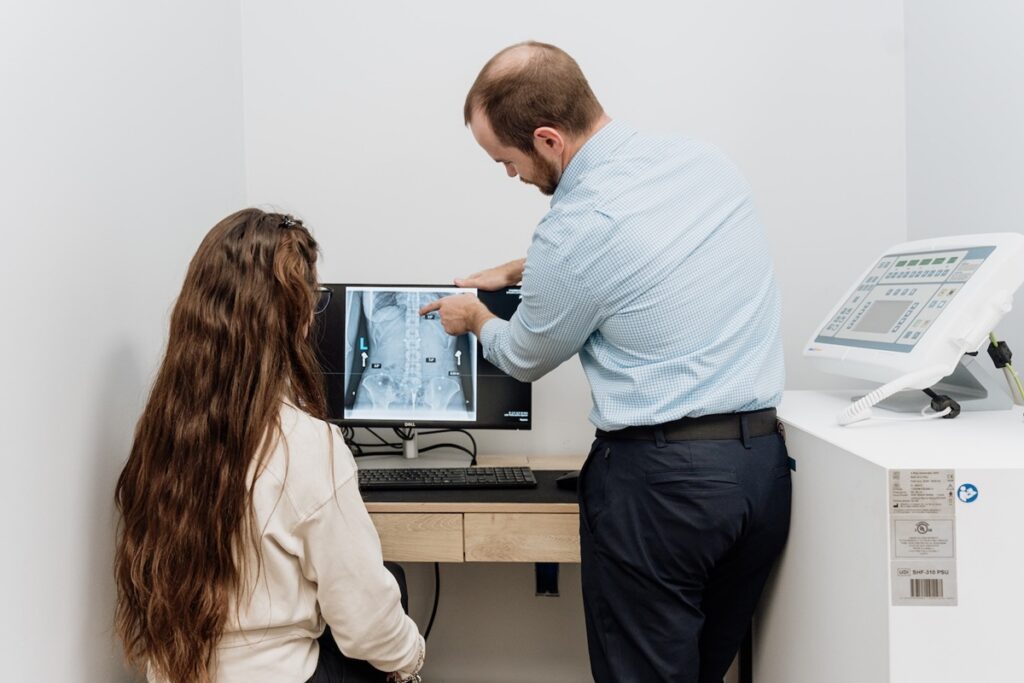

Chronic pain can significantly disrupt your daily life, making preventive care crucial for effectively managing your symptoms. As a local chiropractor, I want to emphasize the importance of addressing underlying issues early on. By doing so, you can prevent your condition from worsening and reduce the frequency of painful flare-ups.
Regular chiropractic check-ups and lifestyle changes are vital to maintaining your mobility and overall well-being. Chiropractic care focuses on the alignment of your spine and musculoskeletal system, which can have a profound effect on how your body functions and manages pain.
So, what specific strategies can help you take control of your pain management? Here are some essential components of preventive care that can transform your approach to chronic pain:
- Regular Chiropractic Adjustments: Routine visits to a chiropractor can help keep your spine aligned, reduce tension, and improve overall function. This can lead to significant pain relief and promote natural healing.
- Exercise and Movement: Staying active is critical. Gentle exercises, stretching, and low-impact activities like walking or swimming can help strengthen muscles, improve flexibility, and reduce pain.
- Healthy Posture: Being mindful of your posture during daily activities can prevent unnecessary strain on your spine. Simple adjustments, like sitting up straight or using ergonomic furniture, can make a big difference.
- Nutrition: Eating a balanced diet rich in anti-inflammatory foods can support your body’s healing processes. Incorporate plenty of fruits, vegetables, whole grains, and healthy fats into your meals.
- Stress Management: Chronic pain can be exacerbated by stress. Techniques such as deep breathing, meditation, or yoga can help you relax and manage pain more effectively.
- Hydration: Staying well-hydrated is essential for overall health and can help keep your joints lubricated, which is vital for reducing pain.
By integrating these strategies into your routine, you can empower yourself to take charge of your pain management journey. Remember, chiropractic care is a natural and effective approach that focuses on healing your body from within, helping you achieve optimal health and wellness without the need for medications or surgeries. If you’re struggling with chronic pain, consider reaching out to your local chiropractor for personalized care and support. Together, we can work towards a healthier, pain-free life!
Key Takeaways
Preventive care is essential for managing chronic pain effectively. By focusing on early detection of potential issues, we can intervene promptly and help minimize complications that often arise from chronic discomfort.
Regular chiropractic visits play a crucial role in this process. During these appointments, we monitor your spinal health, track any changes in pain levels, and help you make informed choices about your treatment. This proactive approach not only improves your overall outcomes but also empowers you to take charge of your health.
Incorporating preventive measures into your daily routine can make a significant difference. Simple lifestyle changes, such as maintaining a balanced diet, staying active, and making ergonomic adjustments in your workspace, can greatly reduce the frequency of pain flare-ups. Remember, small changes can lead to big improvements in your overall well-being.
Combining chiropractic care with practices like physical therapy and mental wellness techniques creates a holistic approach that addresses both the physical and emotional aspects of chronic pain. This comprehensive strategy can help you achieve a better quality of life.
Many individuals have experienced remarkable success through preventive care. They report increased mobility, lower pain levels, and improved long-term health outcomes. By prioritizing chiropractic care and preventive measures, you too can work towards a healthier, pain-free life.
Here are some general tips you can incorporate into your routine:
- Stay Active: Engage in gentle exercises like walking or stretching to keep your body moving.
- Maintain Good Posture: Be mindful of your posture, especially if you sit for long periods. Ergonomic chairs and desks can help.
- Stay Hydrated: Drink plenty of water to keep your body functioning optimally.
- Listen to Your Body: Pay attention to pain signals and don’t hesitate to seek chiropractic care when needed.
By taking these steps, you can enhance your health and well-being while managing chronic pain naturally. Remember, chiropractic care is your best ally on this journey to optimal health!
Understanding Chronic Pain and Its Impact
Although chronic pain affects millions of people, its impact goes beyond just physical discomfort. It can lead to emotional challenges like anxiety and depression, which often accompany persistent pain. Simple daily tasks may start to feel overwhelming, making it hard to enjoy your favorite hobbies or connect with loved ones. This not only puts a strain on your physical health but can also affect your relationships and overall quality of life.
When you’re dealing with chronic pain, you might also find that your sleep patterns are disrupted, resulting in fatigue and irritability. The ongoing struggle can create feelings of helplessness, which can be overwhelming. Additionally, many people develop avoidance behaviors, steering clear of activities or situations that might trigger their discomfort, leading to further isolation.
Understanding these various effects is crucial for managing your pain effectively. Recognizing how chronic pain affects different aspects of your life empowers you to seek the right support and treatment. This is where chiropractic care shines as a natural and holistic approach to pain relief. Chiropractors focus on aligning the spine and improving overall function, which can help alleviate pain and promote a healthier lifestyle.
Here are some general tips to help you manage chronic pain and improve your well-being:
- Stay Active: Gentle movement can help reduce stiffness and improve your mood. Activities like walking, stretching, and yoga are great options.
- Practice Good Posture: Maintaining proper posture can help reduce strain on your spine and alleviate pain. Pay attention to how you sit, stand, and move throughout the day.
- Stay Hydrated: Drinking plenty of water is essential for overall health and can help reduce pain levels.
- Incorporate Relaxation Techniques: Practices like deep breathing, meditation, or progressive muscle relaxation can help reduce stress and tension in your body.
- Seek Chiropractic Care: Regular visits to a chiropractor can help realign your spine, improve mobility, and provide relief from chronic pain without the need for medications or invasive procedures.
The Importance of Preventive Care
Preventive care is essential in managing chronic pain, and chiropractic care plays a pivotal role in this process. By focusing on maintaining your overall health, chiropractic adjustments can help reduce the risk of complications associated with chronic pain. When you choose to be proactive about your health, you can catch potential issues early on, allowing for effective and timely intervention.
Regular visits to your chiropractor not only help monitor your spinal health but also ensure that any changes in your condition are addressed promptly. These adjustments can help alleviate pain and improve mobility, making daily activities more manageable.
Education is a key component of preventive care, and your chiropractor can provide valuable insights into your condition. Understanding the root causes of your pain equips you to make informed decisions about your treatment options. Engaging with your chiropractor regularly also builds a strong support system, which can make navigating your pain management journey much smoother.
In addition to spinal adjustments, chiropractic care encourages you to adopt healthier lifestyle habits. Simple tips like practicing good posture, staying active, and incorporating stretching into your daily routine can significantly improve your physical and mental well-being. By prioritizing chiropractic care, you’re taking a proactive step towards managing your chronic pain naturally, empowering yourself to lead a more fulfilling and active life.
Lifestyle Changes for Pain Management
Making lifestyle changes can significantly enhance your ability to manage chronic pain and promote overall wellness. As a chiropractor, I believe that a proactive approach to health is vital.
Here are some essential changes you can consider to support your body’s natural healing processes:
- Stay Active: Incorporating regular exercise into your daily routine is crucial. Activities like walking, swimming, or yoga not only strengthen your muscles but also improve flexibility, which can alleviate pain over time. Remember, movement is vital for spinal health, and chiropractic adjustments can further enhance your body’s ability to move freely.
- Eat a Balanced Diet: Focus on whole foods that are rich in anti-inflammatory properties. Incorporating plenty of fruits, vegetables, whole grains, and healthy fats can help reduce inflammation and support your body’s healing. A proper diet can work hand-in-hand with chiropractic care to optimize your health and reduce discomfort.
- Prioritize Sleep: Establishing a consistent sleep schedule and creating a restful environment is essential for recovery. Quality sleep isn’t just about rest; it plays a significant role in how your body processes pain. If you’re struggling with sleep, consider discussing it with your chiropractor, as they can provide insights on how spinal alignment can improve your sleep quality.
By making these lifestyle adjustments, you can empower yourself to manage pain more effectively. Chiropractic care complements these changes by addressing the root causes of discomfort, ensuring that your body functions optimally.
The Role of Regular Check-Ups
Regular check-ups with your chiropractor are vital for managing chronic pain and enhancing your overall wellness. During these appointments, your chiropractor can assess your spinal health, adjust your treatment plan, and help you address any new discomfort or concerns. Open communication fosters a strong partnership between you and your chiropractor, leading to better health outcomes.
Here’s a quick overview of the key benefits of regular chiropractic check-ups:
| Benefit | Description | Frequency Recommended |
|---|---|---|
| Spinal Assessment | Ensure your spine is aligned and functioning well | Every visit |
| Pain Tracking | Monitor pain levels and identify triggers | Every visit |
| Overall Wellness Check | Evaluate your general health and lifestyle | At least yearly |
| Lifestyle Tips | Discuss nutrition, exercise, and wellness habits | Every visit |
By prioritizing regular visits to your chiropractor, you can not only relieve pain but also promote natural healing and maintain a healthier lifestyle. Here are a few tips to enhance your well-being between visits:
- Stay Active: Engage in regular physical activity that suits your lifestyle. Even simple exercises like walking can improve your spinal health.
- Mind Your Posture: Be conscious of your posture when sitting, standing, or using electronic devices. Good posture can prevent unnecessary strain on your spine.
- Eat Well: Incorporate a balanced diet rich in fruits, vegetables, and whole grains to support your body’s healing processes.
- Stay Hydrated: Drink plenty of water to keep your body hydrated, which is essential for maintaining healthy spinal discs.
- Get Enough Rest: Quality sleep is crucial for recovery. Aim for a restful sleep environment to support your body’s natural healing.
Early Intervention Strategies
When you notice early signs of chronic pain, addressing them promptly can significantly enhance your overall health and well-being. Early intervention is key to preventing pain from escalating and interfering with your daily life.
As a chiropractor, I want to share some effective strategies that can help you manage pain naturally and promote a healthier lifestyle:
- Stay Active: Engaging in low-impact exercises such as walking or swimming can help you maintain mobility and strength. Regular movement is crucial for spinal health, and it can also elevate your mood and energy levels.
- Practice Good Posture: Being mindful of your body mechanics is essential. Good posture helps reduce strain on your spine, which can prevent discomfort and support overall health. Remember to sit up straight and align your ears, shoulders, and hips.
- Utilize Heat or Ice Therapy: Applying heat or ice to affected areas can be a simple and effective way to manage inflammation and provide immediate relief. Heat can help relax tight muscles, while ice can reduce swelling and numb sharp pain.
Incorporating chiropractic care into your routine can also be a game-changer for your health. Chiropractors focus on spinal alignment and overall wellness, helping to address the root causes of pain rather than just the symptoms.
Regular chiropractic adjustments can enhance your body’s natural healing processes, promote better mobility, and support your overall health journey.
Psychological Aspects of Chronic Pain
Understanding the psychological aspects of chronic pain is essential for achieving optimal health and wellness. As a chiropractor, I want to emphasize that your emotional state can significantly influence your experience of pain. Recognizing and addressing these feelings is key to managing discomfort effectively. For instance, anxiety, depression, and stress can make pain feel worse, while positive emotions and a healthy mindset can help ease it.
Here’s a simple overview of how psychological factors can impact chronic pain and what you can do to foster a better emotional state:
| Psychological Factor | Impact on Pain Experience | Tips for Management |
|---|---|---|
| Stress | Increases pain perception | Practice relaxation techniques such as deep breathing or yoga. Regular chiropractic adjustments can also help reduce stress on the body. |
| Anxiety | Heightens sensitivity | Engage in mindfulness practices or meditation to calm your mind. Chiropractic care can support your nervous system, helping to alleviate anxiety. |
| Depression | Can amplify pain intensity | Surround yourself with supportive friends and family, and consider talking to someone about your feelings. Regular spinal adjustments can boost your mood by promoting overall wellness. |
| Positive Outlook | May reduce pain perception | Focus on gratitude and engaging in activities that bring you joy. Chiropractic care can help you maintain a positive outlook by improving your physical state. |
Building a Supportive Healthcare Team
Building a supportive healthcare team is essential for managing chronic pain effectively, and as your local chiropractor, I want to emphasize the importance of a collaborative approach that centers on natural healing and wellness. By fostering open communication and trust among your healthcare providers, you can create a team that works harmoniously to support your pain management journey.
Chiropractic care plays a crucial role in this process, as it focuses on addressing the root causes of pain rather than just masking symptoms. Regular chiropractic adjustments can help align your spine, improve your body’s function, and enhance your overall well-being. It’s a gentle and natural way to promote healing and relieve discomfort without the need for medications or invasive procedures.
Here are some general tips to help you maximize your pain management efforts:
- Stay Active: Incorporate gentle exercises, like walking or stretching, into your daily routine. Movement helps maintain flexibility and strength, which can alleviate pain.
- Practice Good Posture: Be mindful of your posture, especially when sitting for long periods or using electronic devices. Proper alignment can reduce strain on your spine and surrounding muscles.
- Manage Stress: Engage in relaxation techniques such as deep breathing, meditation, or yoga. Stress can exacerbate pain, so finding ways to relax is vital for your overall health.
- Stay Hydrated and Eat Well: A balanced diet rich in anti-inflammatory foods can support your body’s healing processes. Staying hydrated is also important for maintaining spinal health.
- Regular Chiropractic Visits: Make chiropractic care a regular part of your health routine. Consistent adjustments can help keep your spine aligned and your body functioning optimally.
Collaborative Care Approach
A collaborative care approach is a fantastic way to build a supportive healthcare team that addresses your chronic pain, and as a local chiropractor, I want to emphasize how chiropractic care plays a vital role in this process. This model ensures that various healthcare professionals come together to create a personalized treatment plan that centers on your unique needs.
With a dedicated team behind you, including a chiropractor like me, we can focus on what we do best, providing comprehensive care that promotes natural healing and optimal health.
- As your chiropractor, I can help alleviate pain through gentle adjustments that improve spinal alignment and enhance your body’s natural healing abilities. This is a drug-free and non-invasive way to address your discomfort.
- Incorporating physical therapy techniques alongside chiropractic care can improve your mobility and strength. Simple exercises tailored to your needs can help you regain function and reduce pain.
- It’s important to remember the emotional aspects of pain, too. While I focus on the physical, I also encourage you to engage in activities that promote mental well-being, like mindfulness practices or hobbies that bring you joy.
Here are some general tips to consider for managing pain and enhancing your overall wellness:
- Stay Active: Gentle movement is key. Incorporating activities like walking or stretching can keep your body limber and support your recovery.
- Maintain Good Posture: Be mindful of your posture throughout the day to avoid unnecessary strain on your spine.
- Use Heat or Cold Therapy: Applying heat can relax tight muscles, while cold packs can reduce inflammation—both can be beneficial for pain relief.
- Focus on Nutrition: Eating a balanced diet rich in anti-inflammatory foods can support your healing process.
Communication and Trust
Effective communication and trust are vital in building a supportive healthcare team that can help you address your chronic pain, especially when it comes to chiropractic care.
When you openly share your symptoms, concerns, and treatment goals with your chiropractor, they can better understand your unique situation and tailor their approach to your needs. This open dialogue fosters trust, making it easier for you to discuss sensitive topics related to your health.
Your chiropractor should actively listen to you and provide clear explanations about your condition and treatment options, empowering you to make informed choices about your care. This two-way communication not only strengthens your relationship with your chiropractor but also enhances your overall treatment experience.
Remember, a supportive healthcare team values your input and prioritizes your well-being. Here are some tips to enhance your experience with chiropractic care:
- Be Honest and Open: Share all relevant details about your pain and lifestyle. This helps your chiropractor create a personalized treatment plan.
- Ask Questions: Don’t hesitate to ask about the techniques being used and how they can help you. Understanding your treatment enhances trust.
- Follow Recommendations: Your chiropractor may suggest exercises or lifestyle changes. Following these recommendations can greatly improve your healing process.
- Stay Engaged: Regularly update your chiropractor on your progress and any changes in your condition. This ensures your treatment remains effective.
- Practice Self-Care: Incorporate healthy habits such as proper hydration, balanced nutrition, and gentle movement into your daily routine to support your recovery.
Success Stories: Preventive Care in Action
Success stories of preventive care in chronic pain management showcase how proactive approaches can dramatically improve lives.
As a chiropractor, I believe that embracing preventive measures, particularly through chiropractic care, can lead to remarkable transformations.
These inspirational stories demonstrate the power of early intervention and lifestyle changes, highlighting the effectiveness of natural healing.
- One woman suffering from fibromyalgia found significant relief after starting a customized chiropractic care plan, which included gentle adjustments and a tailored exercise program. This not only reduced her pain levels but also improved her mobility and overall well-being.
- A man with chronic back pain made simple ergonomic adjustments at his workplace, combined with regular chiropractic visits. This proactive approach led to fewer flare-ups, increased productivity, and a more comfortable work environment.
- A couple decided to incorporate mindfulness and stress-reduction techniques into their daily routines alongside their chiropractic care. They discovered that taking care of their mental wellness directly contributed to their physical health, enhancing their overall quality of life.
These examples illustrate how taking charge of your health through chiropractic care can lead to lasting outcomes.
By prioritizing preventive care, you can alleviate pain and enhance your overall wellness naturally.
Here are some general tips to help you on your journey:
- Regular Chiropractic Adjustments: Schedule routine visits to your chiropractor for adjustments that can help keep your spine aligned and your body functioning optimally.
- Stay Active: Engage in low-impact exercises, like walking or swimming, to maintain mobility and strength without putting excessive strain on your body.
- Practice Good Posture: Be mindful of your posture while sitting, standing, and lifting. Proper alignment can prevent unnecessary strain on your spine.
- Manage Stress: Incorporate relaxation techniques such as deep breathing, meditation, or yoga to help reduce stress, which can contribute to pain.
- Listen to Your Body: Pay attention to what your body is telling you. If something doesn’t feel right, consult your chiropractor for guidance.
By adopting these strategies and embracing chiropractic care, you can set yourself on a path to lasting relief and empowerment in your health journey.
Conclusion
Incorporating preventive care into your routine can significantly improve your quality of life while managing chronic pain. As a local chiropractor, I believe that focusing on early intervention, regular check-ups, and lifestyle adjustments can empower you to confront pain effectively. Chiropractic care is a natural and holistic approach that supports your body’s ability to heal itself.
Don’t underestimate the value of a dedicated healthcare team and effective self-care strategies. Regular chiropractic adjustments can help keep your spine aligned, reduce tension, and enhance your overall mobility. Here are some general tips to help you manage chronic pain and promote wellness:
- Stay Active: Engage in gentle exercises, such as walking or stretching, which can help improve your flexibility and strength.
- Posture Matters: Pay attention to your posture, especially when sitting for long periods. Proper alignment can prevent unnecessary strain on your spine.
- Healthy Eating: Maintain a balanced diet rich in anti-inflammatory foods. This can support your body in managing pain naturally.
- Hydration: Drink plenty of water to keep your joints lubricated and support overall health.
- Stress Management: Consider incorporating relaxation techniques like deep breathing, meditation, or yoga to reduce stress, which can contribute to pain.
With commitment to these practices and the guidance of your chiropractor, you can effectively reduce flare-ups, maintain mobility, and enjoy a more active and fulfilling life. Embrace chiropractic care as a vital part of your wellness journey and discover the benefits of natural healing for chronic pain management.