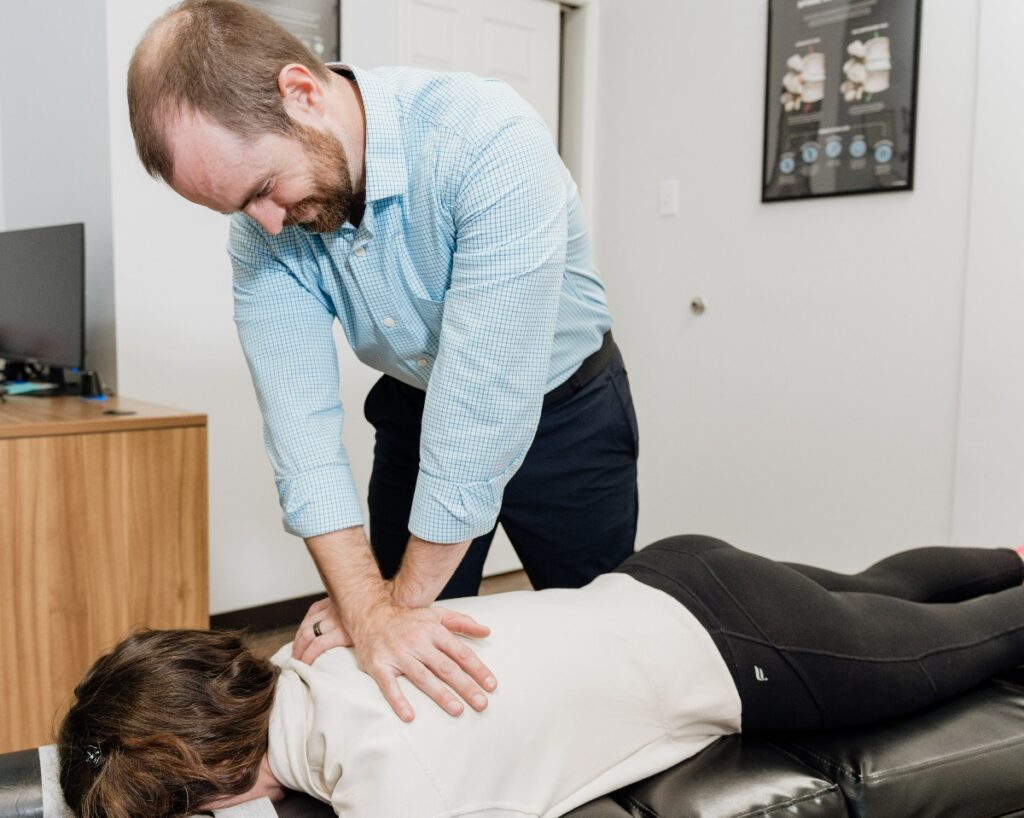

You might think that pushing through pain is a sign of dedication, but this mindset can prevent you from recognizing the vital role of recovery in achieving optimal health. Many athletes overlook how essential rest and repair are for long-term success. Instead of viewing recovery as a strategy for improvement, it often feels like a luxury. However, neglecting this critical component can hinder your performance more than you realize.
So, why do athletes often overlook recovery? The reasons can be complex, but one common factor is a lack of understanding about how the body heals and performs. This is where chiropractic care comes into play. By focusing on spinal health and overall wellness, chiropractic adjustments can help enhance your body’s natural ability to recover, allowing you to perform at your best.
Remember, effective recovery isn’t just about taking a break; it’s about engaging in practices that support your body’s healing processes. Here are some tips to improve your recovery:
- Prioritize Rest: Make sure to schedule regular rest days in your training routine. Your body needs time to repair itself, especially after intense workouts.
- Stay Hydrated: Proper hydration is crucial for recovery. Water helps transport nutrients throughout the body and assists in flushing out toxins.
- Practice Good Nutrition: Fuel your body with healthy foods that support recovery. Focus on whole foods, including lean proteins, healthy fats, and plenty of fruits and vegetables.
- Incorporate Chiropractic Care: Regular visits to a chiropractor can help align your spine, improve mobility, and reduce pain. This natural healing approach can enhance your body’s performance and recovery.
- Listen to Your Body: If you’re feeling pain or discomfort, don’t ignore it. Pay attention to what your body is telling you and seek help through chiropractic care to address any underlying issues.
By embracing recovery as a crucial part of your training regimen and utilizing chiropractic care, you can enhance your performance and achieve better long-term health. Remember, taking care of your body is not just about pushing through; it’s about nurturing it for sustained success.
Key Takeaways
Why Athletes Overlook Essential Recovery Support
As a local chiropractor, I want to emphasize that recovery is not just a luxury for athletes; it is a vital part of enhancing performance and maintaining overall health. Unfortunately, many athletes may perceive recovery as secondary to their training regimen.
The common “no pain, no gain” mentality can be misleading. While dedication is important, enduring pain should not be seen as a badge of honor. Instead, it’s crucial to listen to your body and recognize that discomfort can be a signal that something needs attention. Ignoring these signals can lead to more serious injuries and prolonged recovery times.
Cultural attitudes that glorify constant hustle can also contribute to the neglect of recovery. It’s essential to understand that rest and recovery are just as important as training. In fact, they are key to preventing burnout and injuries, allowing you to perform at your best.
Additionally, the influence of coaches and peers can sometimes reinforce the idea that toughness means pushing through pain. However, true strength lies in acknowledging when to take a step back and prioritize your health. This is where chiropractic care can play a vital role.
Chiropractic care focuses on natural healing and optimal spinal health, which can significantly aid in recovery. Regular chiropractic adjustments can help alleviate pain, improve mobility, and enhance overall well-being, allowing you to train harder and recover faster.
Here are some simple tips to incorporate recovery into your routine:
- Listen to Your Body: Pay attention to any pain or discomfort. Don’t push through it. Seek help from a chiropractor for natural pain relief and guidance.
- Prioritize Rest: Schedule regular rest days in your training plan. Your body needs time to heal and rebuild.
- Incorporate Stretching: Gentle stretching can improve flexibility and reduce muscle tension. It’s a great way to aid recovery.
- Stay Hydrated: Proper hydration is essential for overall health and recovery. Make sure to drink plenty of water before, during, and after workouts.
- Consider Chiropractic Care: Regular visits to a chiropractor can help maintain your spinal health and support your body’s natural recovery processes.
By embracing these practices and recognizing the importance of recovery, you can not only enhance your athletic performance but also promote long-term health and wellness. Remember, chiropractic care is here to support you on your journey to optimal health.
The Misconception of Recovery as a Luxury
Many athletes mistakenly believe that recovery is a luxury they can skip, thinking it’s only important for those who aren’t training at their level. This misconception can have serious consequences for your performance and overall health. Recovery isn’t just about taking a break; it’s essential for repairing muscles, reducing fatigue, and preventing injuries.
When you neglect recovery, you risk burnout, decreased performance, and even long-term health issues.
Incorporating recovery into your routine can significantly enhance your training outcomes. It allows your body to adapt, heal, and grow stronger, so you’re ready for your next workout or competition. Chiropractic care plays a vital role in this process by promoting spinal health, which is crucial for overall well-being. Regular chiropractic adjustments can help reduce tension, improve mobility, and support your body’s natural healing mechanisms.
Additionally, embracing simple recovery practices like stretching, staying properly hydrated, and getting enough sleep can greatly improve your athletic capabilities. These practices, combined with chiropractic care, create a powerful approach to achieving optimal health and performance.
Cultural Attitudes Toward Hard Work and Pain
In many cultures, there’s a common belief that pain equals strength, encouraging individuals to wear discomfort like a badge of honor. This hustle culture often leads people to overlook the vital role that recovery plays in maintaining overall health.
It’s important to recognize that taking time to heal isn’t a sign of weakness; in fact, it’s an essential part of a balanced approach to wellness.
As a chiropractor, I want to emphasize that effective pain relief and recovery are key components of achieving optimal health. Chiropractic care focuses on addressing the root causes of pain, rather than just masking symptoms.
By aligning the spine and improving overall function, chiropractic adjustments can help your body heal naturally.
Remember, listening to your body is crucial. If you’re experiencing discomfort, it’s important to prioritize recovery. Here are a few tips to support your wellness journey:
- Stay Active: Gentle movement can promote healing. Activities like walking or stretching can help maintain mobility without exacerbating discomfort.
- Practice Good Posture: Maintaining proper posture can reduce strain on your spine and help prevent further injury.
- Hydration Matters: Staying hydrated is essential for overall health and can aid in recovery.
- Sleep Well: Quality sleep is vital for healing. Ensure you’re getting enough rest to allow your body to recover.
- Seek Chiropractic Care: Regular visits to a chiropractor can help you manage pain effectively and restore balance to your body. We can provide personalized treatment plans tailored to your needs.
Pain Equals Strength
While many individuals perceive pain as a setback, athletes often wear it like a badge of honor, showcasing their dedication and resilience. It’s common to feel the pressure to push through discomfort, believing that enduring pain signifies strength. While this mindset can be motivating, it’s crucial to recognize that neglecting recovery can hinder your overall performance. Here are some common thoughts that fuel this belief:
- “No pain, no gain.” This phrase is familiar to many, reinforcing the notion that suffering must accompany success. However, it’s important to understand that pain is your body’s way of signaling that something may be wrong.
- “Winners sacrifice.” The idea that you must endure pain to achieve greatness can lead to unnecessary strain on your body, particularly on your spine, which is vital for overall health.
- “Tough it out.” This mantra may encourage you to ignore physical signals that indicate it’s time to rest and recover.
Instead, embracing the importance of recovery can actually enhance your performance and well-being. Chiropractic care is a natural and effective way to manage pain and promote healing. Here are a few tips to help you prioritize your health:
- Listen to Your Body: Pay attention to what your body is telling you. If you’re experiencing pain, it’s essential to evaluate the cause and seek appropriate care.
- Incorporate Chiropractic Care: Regular visits to a chiropractor can help ensure your spine is aligned, reducing discomfort and improving your overall function.
- Prioritize Rest and Recovery: Allow your body the time it needs to heal. This includes getting adequate sleep, staying hydrated, and incorporating gentle stretches.
- Focus on Nutrition: Eating a balanced diet rich in anti-inflammatory foods can support your body’s healing processes.
- Stay Active, but Smart: Engage in low-impact activities that promote movement without exacerbating pain, such as walking, swimming, or yoga.
Hustle Culture Pressure
As hustle culture becomes more prevalent in our society, the pressure to work hard and push through discomfort can be overwhelming. It’s easy to feel that taking a break indicates weakness, causing you to overlook the important signals your body is trying to communicate. This mindset often glorifies constant effort while neglecting your overall well-being, leading you to focus more on training and less on recovery. You might notice peers thriving on this relentless hustle, and it’s tempting to think that enduring more pain means achieving greater rewards. However, this approach can lead to burnout and injuries, ultimately hindering your potential.
It’s crucial to recognize that the key to optimal health and performance lies not just in pushing yourself harder, but also in prioritizing recovery. Embracing recovery as an essential part of your training regimen can have a remarkable impact on your performance and longevity in the activities you love.
As a chiropractor, I encourage you to consider chiropractic care as a natural and effective way to support your journey towards wellness. Chiropractic adjustments can relieve pain, improve mobility, and enhance your body’s ability to heal itself. Here are some practical tips to incorporate into your routine:
- Listen to Your Body: Pay attention to what your body is telling you. If you’re feeling pain or discomfort, it’s your body’s way of signaling that it needs some care.
- Prioritize Recovery: Make recovery a priority in your training schedule. This can include rest days, gentle stretching, or yoga to promote flexibility and relaxation.
- Stay Hydrated: Drinking plenty of water is essential for overall health and can help alleviate muscle soreness and fatigue.
- Consider Chiropractic Care: Regular chiropractic visits can help maintain proper alignment, reduce pain, and improve your overall functioning, allowing you to train more effectively.
- Practice Mindfulness: Take time to relax and engage in mindfulness activities, such as meditation or deep breathing exercises, to help reduce stress.
Recovery Stigma Issues
Many athletes encounter a stigma surrounding recovery, often feeling pressured to demonstrate their commitment through relentless activity. This cultural mindset can foster harmful misconceptions about the importance of rest and recuperation. Taking time off doesn’t signify weakness or laziness; in fact, it’s a crucial aspect of maintaining your health and enhancing your performance. Understanding these recovery stigma issues is essential for both your physical well-being and overall athletic success.
Here are some common beliefs that often perpetuate this stigma:
- Pain Equals Progress: It’s a widespread notion that enduring pain is essential for improvement. However, true progress comes from smart training and recovery.
- Rest Is for the Weak: Society tends to celebrate those who push through injuries rather than those who prioritize healing. Remember, allowing your body to recover is a sign of strength.
- Busy Equals Productive: There’s a prevalent idea that being active all the time equates to being productive, but this can often undermine your recovery process.
As a chiropractor, I want to emphasize that incorporating proper recovery methods, including chiropractic care, can significantly enhance your overall health and performance. Here are some tips to help shift your mindset towards a more balanced approach to recovery:
- Embrace Rest: Recognize that rest is a vital component of your training. It allows your body to repair and grow stronger.
- Seek Chiropractic Care: Regular chiropractic adjustments can help alleviate pain, improve mobility, and support your body’s natural healing processes. This non-invasive approach is a fantastic way to maintain your health without resorting to medications or surgeries.
- Listen to Your Body: Pay attention to the signs your body is giving you. If you’re feeling fatigued or experiencing pain, it may be time to take a step back and prioritize recovery.
- Practice Mindfulness: Incorporate mindfulness and relaxation techniques into your routine. This can help reduce stress and improve your overall well-being.
- Stay Educated: Understanding the benefits of recovery and the role of chiropractic care can empower you to make informed choices about your health.
Lack of Education on Recovery Practices
As a local chiropractor, I want to highlight an often-overlooked aspect of athletic performance: the importance of recovery practices. While many athletes dedicate countless hours to perfecting their skills and techniques, neglecting recovery can hinder their performance and overall well-being. Understanding the science behind recovery methods is crucial for achieving long-term success and maintaining optimal health.
Here’s a simple summary of effective recovery practices that can benefit everyone, especially athletes:
| Recovery Method | Benefits | Recommended Duration |
|---|---|---|
| Active Recovery | Helps reduce muscle soreness and promotes blood flow | 20-30 minutes of light activity, like walking or cycling |
| Stretching | Increases flexibility and can alleviate tension in the muscles | 10-15 minutes of gentle stretches for major muscle groups |
| Hydration | Essential for preventing dehydration and supporting bodily functions | Drink water consistently throughout the day |
| Sleep | Vital for enhancing muscle repair and overall recovery | Aim for 7-9 hours of quality sleep each night |
In addition to these methods, chiropractic care can play a significant role in your recovery journey. Regular chiropractic adjustments can help improve spinal alignment, reduce tension, and enhance your body’s natural healing processes. By addressing any misalignments in your spine, chiropractic care can alleviate pain and enhance your overall physical performance.
Here are a few general tips to incorporate recovery practices into your routine:
- Listen to Your Body: Pay attention to how your body feels after workouts. If you’re experiencing soreness or fatigue, it’s a sign to prioritize recovery.
- Schedule Recovery Time: Just like you schedule your training sessions, set aside dedicated time for recovery practices to ensure they become part of your routine.
- Stay Consistent: Make recovery a habit. Consistent practice will yield better results in performance and overall health.
- Incorporate Chiropractic Care: Regular visits to a chiropractor can help maintain your body’s balance and support recovery, ensuring you’re at your best for each training session.
The Influence of Coaches and Training Programs
While recovery practices are essential for athletes, the role of coaches and training programs is equally important. Coaches not only guide training but also influence how athletes view recovery. If your coach emphasizes pushing through pain and neglecting recovery, you might feel compelled to do the same, potentially risking your health.
Here are some key points to consider regarding coaching and training programs:
- Training Philosophy: If your coach adheres to a “no pain, no gain” mindset, you might be led to believe that recovery is a sign of weakness. However, it’s essential to understand that recovery is a vital part of any training regimen, and chiropractic care can greatly assist in this process by promoting healing and enhancing performance.
- Program Design: A well-designed training program should include recovery days to prevent injury and maintain optimal health. If your program overlooks this, it may be beneficial to incorporate chiropractic care into your routine. Regular chiropractic adjustments can help keep your spine aligned and support your body’s natural healing processes.
- Communication: When coaches talk about recovery techniques, it fosters a culture of health and wellness. Embracing practices such as chiropractic care can have a profound impact on your recovery. By discussing the importance of spinal health and natural healing methods, you can encourage a more balanced approach to training.
Ultimately, while coaches and training programs provide a framework for your athletic journey, it’s crucial to prioritize your recovery needs. By integrating chiropractic care into your routine, you can maintain your health, prevent injuries, and achieve peak performance.
Time Constraints and Scheduling Challenges
When you’re balancing training sessions, competitions, and personal commitments, finding time for recovery can feel impossible. It’s common to prioritize your training and performance, leaving recovery on the back burner. With busy schedules, it’s easy to view recovery as a luxury rather than a necessity.
However, neglecting recovery can lead to burnout and injuries, which can derail your progress. The good news is that effective recovery doesn’t always require hours of your time. Even short, focused sessions can make a significant difference in your overall well-being.
As a chiropractor, I encourage you to consider incorporating recovery strategies that support your spinal health and overall wellness. Try to carve out small pockets of time in your day for recovery activities, such as gentle stretching, foam rolling, or relaxation techniques. Remember that these moments aren’t just “extra” but essential for your performance and health.
Chiropractic care can play a crucial role in your recovery process. Regular chiropractic adjustments can help relieve tension, improve your range of motion, and enhance your body’s natural healing abilities. By integrating chiropractic care into your routine, you’ll find that it not only aids in recovery but also promotes optimal health and performance.
Underestimating the Impact of Mental Recovery
While you may prioritize physical training, it’s crucial to understand that mental recovery is just as important for your overall performance and well-being. Mental fatigue can significantly impact your focus and decision-making abilities, which can hinder your progress. One effective way to support your mental health is through chiropractic care. Regular chiropractic adjustments can help alleviate tension and stress in your body, promoting a sense of relaxation and clarity.
Incorporating stress management techniques, such as deep breathing or mindfulness practices, can also complement your chiropractic sessions. Visualization techniques, where you imagine yourself succeeding in your goals, can enhance your resilience and help elevate your game.
Mental Fatigue Effects
While physical training often takes the spotlight in an athlete’s routine, we mustn’t overlook the significant impact that mental fatigue can have on performance and recovery. Many people mightn’t realize that mental exhaustion can diminish focus, motivation, and decision-making abilities both on and off the field. Ignoring these effects can’t only lead to a dip in performance but also increase the risk of injury.
Here are some ways mental fatigue can affect you:
- It can reduce your concentration, making it challenging to execute plays or strategies effectively.
- It may lower your motivation, resulting in less intensity during workouts and competitions.
- It can hinder your mental recovery, impacting your overall well-being and readiness to perform.
Recognizing the signs of mental fatigue is crucial. Just like physical recovery, prioritizing mental recovery is essential for achieving peak athletic performance.
One effective way to combat mental fatigue and enhance your overall wellness is through chiropractic care. Regular chiropractic adjustments can help improve your body’s alignment, which in turn supports your nervous system function. A well-functioning nervous system is key for better focus, improved mood, and enhanced recovery.
Here are some general tips to support your mental well-being:
- Stay Hydrated: Dehydration can contribute to fatigue, so drink plenty of water throughout the day.
- Get Quality Sleep: Aim for 7-9 hours of restorative sleep each night to help your mind and body recover.
- Practice Mindfulness: Techniques such as meditation or deep-breathing exercises can help clear your mind and reduce stress.
- Engage in Regular Chiropractic Care: Regular visits to your chiropractor can help maintain your spinal health and promote overall wellness, making it easier to manage stress and fatigue.
Stress Management Techniques
While mental recovery is crucial, effective stress management techniques can significantly enhance your overall well-being and performance in daily life. As a chiropractor, I emphasize the importance of taking a holistic approach to health, which includes managing stress naturally. Incorporating practices such as mindfulness, deep breathing, and effective time management can help you navigate daily stressors more effectively and promote a healthier spine.
Here’s a quick reference table to get you started on these valuable techniques:
| Technique | Benefits | How to Implement |
|---|---|---|
| Mindfulness | Reduces anxiety and improves focus | Dedicate a few minutes each day to simple meditation or mindful breathing exercises. |
| Deep Breathing | Lowers heart rate and stress levels | Try the 4-7-8 breathing pattern: inhale for 4 seconds, hold for 7 seconds, exhale for 8 seconds. Repeat several times. |
| Time Management | Increases productivity and reduces overwhelm | Use a daily planner to organize tasks and set realistic goals for your day. |
Visualization and Focus
Visualization and focus are vital components of mental recovery and overall wellness, especially for those engaged in physical activities. Incorporating these techniques into your daily routine can sharpen your mind, promote healing, and enhance your performance. Here are some benefits to consider:
- Mental Rehearsal: When you visualize successful outcomes, it can boost your confidence and prepare you for various challenges. This mental practice is similar to how chiropractic care prepares your body for optimal function by aligning your spine and improving nervous system communication.
- Increased Concentration: By focusing on your health goals, you can minimize distractions and improve your performance in daily activities. Chiropractic adjustments can help clear your mind by alleviating physical discomfort, allowing you to concentrate better on what matters most.
- Stress Reduction: Engaging in visualization techniques can promote relaxation and ease anxiety, making it easier to recover mentally from stressors. Regular chiropractic care supports this by reducing tension in your muscles and joints, leading to a more relaxed state overall.
The Role of Technology in Recovery Support
Technology has significantly changed how athletes approach recovery, and while there are many innovative tools available, it’s essential to remember that the foundation of optimal health and healing lies in natural methods like chiropractic care.
Chiropractic care is a powerful way to support your body’s recovery process. By focusing on spinal health, chiropractors can help alleviate pain, improve mobility, and enhance overall well-being.
When your spine is aligned and functioning correctly, your body can heal itself more effectively, reducing the risk of injury and promoting faster recovery.
While wearable devices and apps can track your heart rate and hydration, they can’t replace the hands-on care that a chiropractor provides. Regular chiropractic adjustments can help relieve tension and discomfort in your muscles and joints, allowing you to bounce back quicker after physical activity. Additionally, techniques such as gentle stretching and specific exercises can complement your recovery and keep your body functioning optimally.
Instead of relying solely on technology or invasive treatments, consider incorporating chiropractic care into your routine. Here are some general tips to enhance your recovery:
- Stay Active: Engage in low-impact activities like walking or swimming to keep your body moving while you recover.
- Listen to Your Body: Pay attention to any signs of discomfort or fatigue and address them promptly with your chiropractor.
- Hydration is Key: Drink plenty of water to help flush out toxins and promote muscle recovery.
- Rest and Relaxation: Make time for relaxation techniques, such as deep breathing or meditation, to support mental recovery.
- Regular Adjustments: Schedule regular chiropractic visits to maintain spinal health and prevent injuries.
Ignoring Individual Needs and Recovery Preferences
When athletes overlook their individual needs and recovery preferences, they risk hindering their progress and overall wellbeing. Recovery isn’t one-size-fits-all; what works for one athlete mightn’t work for you. Ignoring your unique requirements can lead to ineffective recovery strategies and even burnout.
As a chiropractor, I want to emphasize the importance of personalizing your recovery approach to support optimal health and wellness. Here are some factors to keep in mind:
- Personal Preferences: Recovery methods can vary widely. Do you prefer gentle stretching, foam rolling, or perhaps yoga? Choose what feels comfortable and effective for you. Chiropractic care can also be tailored to suit your needs, helping to realign your spine and improve your overall movement, which can enhance your recovery process.
- Body Signals: Listening to your body is crucial. If you’re feeling fatigued or sore, adapt your recovery routine accordingly. Chiropractic adjustments can help alleviate discomfort and improve your body’s ability to heal naturally. Remember, your body knows best—honor its signals!
- Time Constraints: Life can be busy, and your schedule may not allow for lengthy recovery sessions. Look for quick but effective methods that can fit into your lifestyle. Simple chiropractic exercises or stretches can be done in just a few minutes and can significantly enhance your recovery.
Incorporating chiropractic care into your recovery routine not only promotes pain relief but also supports your body’s natural healing processes. By listening to your body and tailoring your recovery strategies, you can achieve optimal health and wellbeing—naturally!
The Long-Term Consequences of Neglected Recovery
Neglecting recovery can lead to serious long-term consequences that affect both your physical and mental health, especially when it comes to your spine and overall well-being. You might believe that pushing through discomfort is the best route to success, but the costs can be significant. Over time, chronic injuries may arise, restricting your performance and potentially leading to an early retirement from the activities you love. Mentally, this neglect can result in burnout, which diminishes your passion for your sport or activity.
Here’s a quick look at some potential consequences:
| Physical Consequences | Mental Consequences |
|---|---|
| Chronic injuries | Increased anxiety |
| Decreased performance | Burnout |
| Weakened immune system | Loss of motivation |
Prioritizing recovery is not just about feeling good today; it’s an investment in your future health. Chiropractic care plays a vital role in facilitating this recovery process. By focusing on spinal health and alignment, chiropractic adjustments can help alleviate pain, enhance your body’s natural healing abilities, and support your overall wellness.
Here are some general tips to support your recovery and well-being:
- Stay Hydrated: Drinking plenty of water helps keep your joints lubricated and supports overall health.
- Listen to Your Body: If you’re feeling pain or discomfort, don’t ignore it. Seek chiropractic care to address any underlying issues before they become chronic.
- Incorporate Stretching: Regular stretching can improve flexibility, reduce muscle tension, and promote recovery.
- Prioritize Rest: Make sure to include rest days in your training schedule to allow your body to recover properly.
- Consider Chiropractic Visits: Regular adjustments can help maintain your spinal health, improve your performance, and prevent injuries.
If you want to maintain peak performance and enjoy your activities for years to come, take recovery seriously and consider chiropractic care as a key component of your wellness strategy. Your body and mind will thank you!
Conclusion
In today’s competitive sports environment, it’s vital to rethink how you approach recovery. Recovery isn’t just a luxury; it’s a crucial component of your training that can significantly enhance your performance. As a chiropractor, I want to emphasize that proper rest and rejuvenation are essential for both your body and mind.
Chiropractic care can play a key role in this process. Regular adjustments can help align your spine, improve your overall mobility, and reduce tension in your muscles, allowing you to recover more effectively. By prioritizing your spinal health, you’re taking an important step towards preventing injuries and ensuring your body can perform at its best.
Educate yourself about the importance of recovery and listen to what your body is telling you. Don’t let the pressures of competition rush your recovery process. Instead, make it a priority. Incorporating chiropractic care into your routine can enhance your mental and physical well-being, helping you feel rejuvenated and ready to tackle your next challenge.
Here are some general tips to support your recovery journey:
- Stay Hydrated: Drink plenty of water to keep your muscles and joints lubricated.
- Get Adequate Sleep: Aim for 7-9 hours of quality sleep each night to allow your body to repair itself.
- Incorporate Stretching: Regular stretching can improve your flexibility and prevent stiffness.
- Listen to Your Body: If you’re feeling pain or discomfort, seek chiropractic care to address those issues before they become serious.
- Practice Mindfulness: Techniques like meditation or yoga can help reduce stress and improve your mental clarity.
By recognizing and addressing your individual recovery needs, you’ll not only prevent injuries but also set yourself up for long-term success in your athletic journey. Remember, chiropractic care is a natural and effective way to support your recovery and enhance your overall health.