
Recovery is just as vital as training when it comes to achieving peak athletic performance. To bounce back faster and enhance your results, it’s important to focus on several key areas that support your overall well-being. Think about your nutrition, hydration, sleep, and even your mental state—each of these elements plays a crucial role in how quickly you recover.
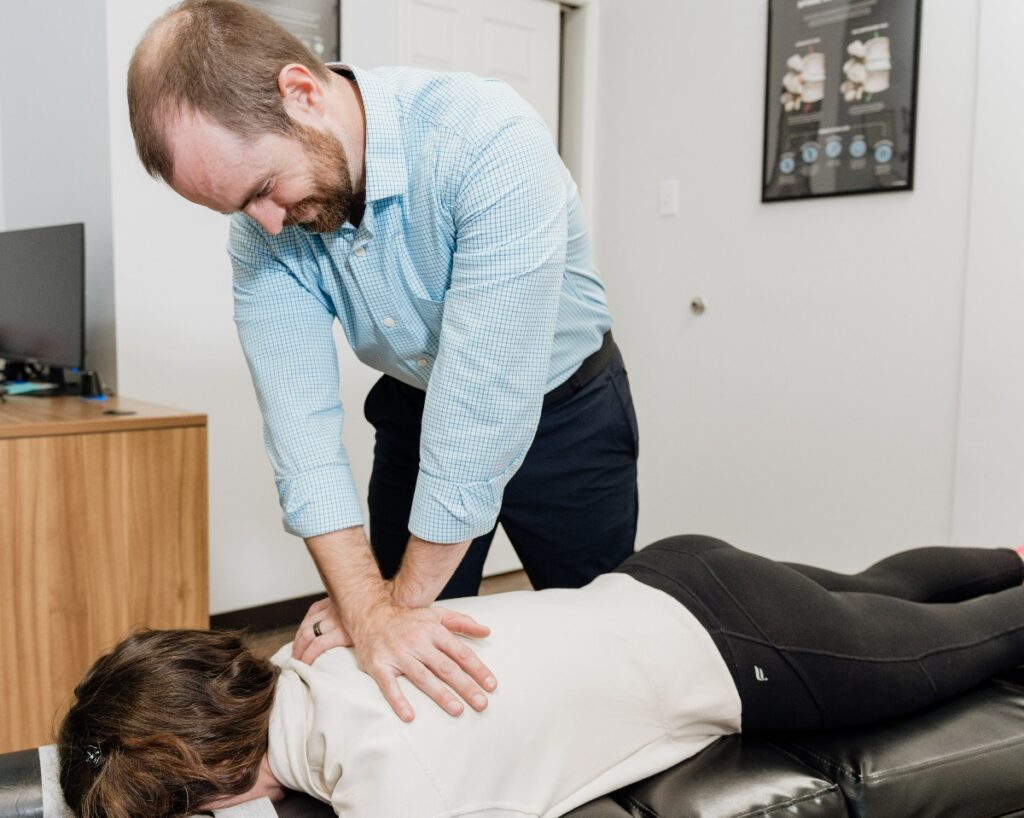
As a chiropractor, I want to emphasize that chiropractic care can be a powerful tool in your recovery process. Regular adjustments can help align your spine, improve your mobility, and reduce pain, allowing your body to heal naturally. Here are some specific strategies you can implement to maximize your recovery:
- Nutrition: Fuel your body with nutrient-rich foods. Focus on whole grains, lean proteins, fruits, and vegetables that can help repair muscles and keep your energy levels up.
- Hydration: Staying hydrated is essential for recovery. Water helps transport nutrients and can aid in reducing inflammation. Aim to drink plenty of fluids throughout the day, especially after workouts.
- Sleep: Quality sleep is crucial for recovery. Ensure you’re getting enough rest each night to allow your body to repair itself. A well-aligned spine can significantly improve your sleep quality, making chiropractic adjustments an excellent addition to your routine.
- Mental State: Your mental health plays a significant role in how you recover. Stress can hinder your recovery process, so consider practices like mindfulness or meditation to keep your mind relaxed and focused.
- Chiropractic Care: Regular visits to your chiropractor can help maintain your body’s alignment and function. This not only aids in pain relief but also promotes overall wellness, ensuring your body can recover efficiently and effectively.
Incorporating these strategies can help you recover more quickly and feel better overall. Remember, taking care of your spine and overall health is one of the best ways to support your athletic performance. Embrace the power of chiropractic care as a natural and effective path toward optimal health and recovery.
Key Takeaways
- Make quality sleep a priority by aiming for 7–10 hours each night. This not only helps your muscles repair but also supports overall recovery. Establishing a consistent sleep schedule and creating a restful environment can significantly enhance your sleep quality.
- On your rest days, consider incorporating active recovery techniques such as gentle walking or yoga for 20–30 minutes. These activities can promote blood flow and healing while keeping your energy levels intact, making them great complements to your chiropractic care.
- Regular chiropractic adjustments play a crucial role in supporting your spinal alignment, improving circulation, and reducing inflammation. These benefits not only enhance your recovery but also contribute significantly to your overall well-being.
- To maintain flexibility and alleviate tightness, engage in daily stretching and self-myofascial release, such as foam rolling. These practices can prevent injuries and are excellent additions to your chiropractic routine, helping you feel your best.
- Don’t overlook the power of mindfulness techniques. Simple practices like deep breathing and visualization can help reduce stress and bolster your mental resilience during recovery. Integrating these practices with chiropractic care can provide a holistic approach to your health and wellness journey.
By focusing on these natural and effective methods, you can support your body’s recovery process and unlock the benefits of optimal health through chiropractic care.
The Importance of Recovery in Athletic Performance
While it may seem that pushing your limits is the secret to success in athletics, it’s crucial to recognize that recovery plays an equally important role in enhancing your performance. When you engage in intense training, your muscles undergo micro-tears, and without proper recovery, you risk injuries and burnout. This is where chiropractic care can make a significant difference. By ensuring your spine and nervous system are in optimal alignment, chiropractic adjustments can help your body heal more effectively.
Incorporating rest days into your routine allows your body the time it needs to repair and grow stronger. During recovery, your body isn’t just resting; it’s actively working to rebuild muscle tissue, and chiropractic care can support this process by improving circulation and reducing inflammation.
Quality sleep is another key factor in recovery. It’s during restful nights that your body releases growth hormones that aid in muscle repair. Consider chiropractic adjustments not only for pain relief but also for improving the quality of your sleep and overall well-being.
Don’t overlook the benefits of active recovery, either. Gentle activities such as walking, stretching, or yoga can help increase blood flow and promote healing. Chiropractic care can enhance these activities by ensuring your body is functioning optimally, allowing you to recover faster and more effectively.
Ultimately, finding a balance between training and recovery is essential for improving your endurance, strength, and overall performance. Remember, taking a step back to prioritize recovery—especially with the support of chiropractic care—can be just as beneficial for your athletic journey as pushing harder. Embrace the power of recovery, and your body will thank you in the long run.
Nutrition: Fueling Your Recovery
Nutrition plays a crucial role in your recovery, serving as the fuel that powers your body’s healing processes.
After intense workouts, your muscles require the right nutrients to repair and grow stronger. It’s essential to focus on consuming a balanced mix of proteins and carbohydrates. Proteins are vital for rebuilding muscle fibers, while carbohydrates help replenish glycogen stores, providing you with the energy needed to bounce back.
Incorporate lean meats, fish, beans, and dairy into your meals for protein sources. Whole grains, fruits, and vegetables should occupy a significant portion of your plate for those necessary carbohydrates and vitamins. Don’t overlook healthy fats from sources like avocados and nuts; they not only support overall health but also help reduce inflammation, which can enhance your recovery.
Timing your meals is also crucial. Aim to eat a recovery meal or snack within 30 to 60 minutes after your workout. This timeframe is vital for maximizing your recovery and ensuring your body gets what it needs to heal effectively. By fueling your body properly, you can enhance your performance and feel ready to tackle your next challenge with renewed energy.
As you focus on nutrition, remember that chiropractic care also plays an integral role in your overall health and recovery. Regular chiropractic adjustments can help maintain proper spinal alignment, reduce pain, and promote better circulation, which is essential for delivering those nutrients to your muscles. Embracing a holistic approach that includes proper nutrition and chiropractic care can lead to optimal health and a more effective recovery process.
Incorporate these general tips for a healthier lifestyle: stay hydrated, listen to your body, and make time for rest and recovery. By combining good nutrition with chiropractic care, you’ll not only feel better but also achieve your wellness goals more effectively.
Hydration: The Key to Optimal Recovery
Hydration plays a crucial role in your overall recovery and well-being, especially when it comes to supporting your spine and muscular health. Staying well-hydrated not only aids your body in healing but also enhances your performance during physical activities. Proper hydration helps your muscles function optimally, allowing you to recover more effectively after intense workouts or daily activities. It’s important to note that even mild dehydration can hinder your recovery process, potentially leading to fatigue, cramps, and discomfort.
To help you understand the impact of hydration on your recovery and emotional state, consider the following:
| Hydration Level | Effects on Recovery | Emotional Impact |
|---|---|---|
| Well-Hydrated | Enhanced muscle repair and support for spinal health | Increased confidence and motivation |
| Mild Dehydration | Slower recovery and potential for discomfort | Frustration and decreased energy |
| Severe Dehydration | Impaired performance and increased risk of injury | Disappointment and decreased morale |
As a chiropractor, I encourage you to prioritize hydration as part of your wellness journey. Here are some simple tips to help you stay hydrated and support your body’s recovery process:
- Drink Water Regularly: Aim to drink water consistently throughout the day, not just when you feel thirsty. Keeping a water bottle on hand can remind you to sip regularly.
- Incorporate Hydrating Foods: Include fruits and vegetables with high water content, such as cucumbers, watermelon, and oranges, in your diet. These not only hydrate but also provide essential vitamins.
- Listen to Your Body: Pay attention to how you feel. If you’re experiencing fatigue or muscle cramps, it could be a sign that you need to increase your water intake.
- Consider Your Activity Level: If you engage in intense workouts, make sure to increase your hydration before, during, and after exercise to replenish lost fluids.
- Regular Chiropractic Care: Regular visits to your chiropractor can help ensure your spine and muscles are aligned, which may enhance your body’s ability to recover and function optimally.
Sleep: The Unsung Hero of Recovery
You may not realize it, but sleep is an essential component of your recovery process, especially when it comes to maintaining a healthy spine and overall wellness. Quality sleep allows your muscles to repair and your body to rejuvenate, which is crucial for those seeking pain relief and optimal health. As a chiropractor, I emphasize the importance of prioritizing sleep to support your body’s natural healing processes.
To enhance your recovery, aim for 7-9 hours of quality sleep each night. Here are some simple tips to help you achieve better rest:
- Create a Relaxing Sleep Environment: Make sure your bedroom is dark, quiet, and cool to promote restful sleep. Consider using blackout curtains and white noise machines if needed.
- Establish a Sleep Routine: Go to bed and wake up at the same time every day, even on weekends, to help regulate your body’s internal clock.
- Mind Your Posture: The way you sleep can affect your spine health. Try sleeping on your back or side with a supportive pillow to maintain proper alignment.
- Limit Screen Time Before Bed: The blue light emitted by screens can disrupt your sleep cycle. Aim to turn off electronic devices at least an hour before bedtime.
- Stay Active: Regular physical activity can help you fall asleep faster and enjoy deeper sleep. Just be sure to finish exercising a few hours before bedtime.
Importance of Sleep Quality
While many athletes concentrate on training intensity and recovery techniques, the importance of sleep quality is often overlooked. It’s crucial to understand that restorative sleep is essential for your body to repair itself, enhance your performance, and maintain overall well-being. During deep sleep, your body naturally releases growth hormones, which are vital for muscle recovery and repair. If you skimp on sleep or let distractions disrupt it, you may hinder your progress and increase your risk of injury.
As a chiropractor, I emphasize the connection between quality sleep and spinal health. A well-aligned spine can contribute to better sleep, as it helps reduce discomfort and tension that may keep you awake. To prioritize high-quality sleep, consider creating a restful environment by keeping your bedroom dark and cool, managing stress through relaxation techniques like deep breathing or gentle stretching, and sticking to a consistent sleep schedule.
In addition to these tips, regular chiropractic adjustments can promote better sleep by ensuring your spine is aligned, which may relieve any discomfort that disrupts your rest. By prioritizing sleep and incorporating chiropractic care into your wellness routine, you’ll not only speed up recovery but also enhance your focus and energy levels for your next training session. Don’t let poor sleep hold you back from reaching your full potential—embrace a holistic approach to health that includes quality sleep and chiropractic care!
Ideal Sleep Duration
Sleep is often overlooked in conversations about recovery and overall wellness, yet it plays a crucial role in how well you recover after a long day, whether you’re working out or just managing daily stress. As a chiropractor, I can tell you that getting the right amount of sleep each night is essential for your body to heal and maintain optimal health. Most people, including athletes, benefit from 7 to 9 hours of quality sleep to support recovery and overall wellness.
When you prioritize consistent sleep patterns, you may notice improvements not just in muscle repair, but also in reducing fatigue and enhancing mental clarity. Here’s a handy guide for ideal sleep duration based on your daily activity level:
| Activity Level | Ideal Sleep Duration |
|---|---|
| Light Activity | 7-8 hours |
| Moderate Activity | 8-9 hours |
| Intense Training | 9-10 hours |
| Recovery Phase | 10+ hours |
As you focus on your sleep, remember that chiropractic care can also support your journey to better rest. Regular adjustments can help ensure your spine is aligned, reducing discomfort that may keep you awake at night.
Here are a few simple tips to improve your sleep quality and overall wellness:
- Establish a Sleep Schedule: Go to bed and wake up at the same time every day to help regulate your body’s internal clock.
- Create a Relaxing Bedtime Routine: Wind down before sleep with calming activities like reading or gentle stretching.
- Limit Screen Time: Try to avoid screens at least an hour before bed, as the blue light can interfere with your ability to fall asleep.
- Stay Active: Regular physical activity can help you fall asleep faster and enjoy deeper sleep.
- Consider Chiropractic Visits: Regular adjustments can help alleviate pain and tension, making it easier for you to get restful sleep.
Active Recovery Techniques
Engaging in active recovery techniques is a fantastic way to boost your athletic performance and speed up recovery, and as a chiropractor, I want to emphasize how natural methods can help you achieve optimal health. Instead of remaining inactive, try incorporating low-intensity activities such as walking, cycling, or swimming into your routine. These gentle movements enhance blood flow, delivering essential nutrients to sore muscles while helping to clear out metabolic waste.
Consider adding activities like yoga or tai chi to your regimen. Not only do they support recovery, but they also promote mental clarity and focus. Keeping your body in motion is vital for maintaining flexibility and mobility, which can significantly reduce stiffness and discomfort.
It’s important to listen to your body when practicing active recovery; it should feel refreshing rather than draining. Aim for 20 to 30 minutes of light activity on your rest days to keep your body engaged. You can also enhance your recovery by incorporating foam rolling to release muscle tension and alleviate soreness.
Prioritizing active recovery not only helps you feel better but also sets the stage for improved performance in your future workouts and competitions. And remember, chiropractic care is an excellent option for addressing pain and promoting overall wellness. By focusing on natural healing methods, you can stay at the top of your game while supporting your body’s intrinsic ability to heal.
Stretching and Flexibility Exercises
Stretching plays a crucial role in maintaining your range of motion and preventing injuries, especially when it comes to spinal health. As a chiropractor, I emphasize the importance of flexibility exercises as part of a holistic approach to wellness. By integrating these exercises into your routine, you not only enhance your athletic performance but also promote faster recovery and overall well-being.
Let’s dive into the different types of stretching and their benefits for your health journey.
- Static Stretching: This involves stretching a muscle to its farthest point and holding that position for a period of time. It’s great for improving flexibility and can help alleviate tension in your spine. Consider incorporating static stretches for your back, hamstrings, and shoulders into your daily routine.
- Dynamic Stretching: Unlike static stretching, dynamic stretching involves moving parts of your body through a full range of motion. This can be particularly beneficial before a workout, as it warms up your muscles and prepares your spine for movement. Include exercises like arm circles and leg swings to get your body ready for activity.
- Neuromuscular Stretching: This type of stretching focuses on the connection between your nervous system and muscles. It can improve flexibility and help reduce the risk of injury. As a chiropractor, I recommend techniques that focus on gently lengthening the muscles while engaging the nervous system.
Remember, incorporating stretching and flexibility exercises into your daily routine not only supports your physical activities but also aids in maintaining a healthy spine.
Here are a few general tips for effective stretching:
- Always warm up your muscles before stretching to prevent injury.
- Listen to your body; if a stretch feels painful, ease off.
- Consistency is key! Aim to stretch regularly for the best results.
- Focus on your breathing; deep breaths can enhance the effectiveness of your stretches.
Importance of Stretching
Incorporating regular stretching into your daily routine isn’t just beneficial for athletes; it plays a crucial role in overall health and wellness, especially when paired with chiropractic care.
Stretching improves flexibility, which enhances the range of motion in your joints. This increased mobility can lead to more efficient movements in daily activities and sports, helping to prevent injuries.
In addition, stretching helps relieve muscle tension and soreness after physical activity, making recovery easier. It promotes better blood flow, which is essential for delivering nutrients to your muscles and speeding up the healing process.
As a chiropractor, I emphasize that stretching is also a wonderful way to mentally prepare for your day, helping you focus and stay relaxed.
Remember, it’s important to listen to your body while stretching. Here are a few tips to keep in mind:
- Warm Up: Always start with a light warm-up to get your blood flowing before stretching. This can be as simple as a brisk walk or gentle movements.
- Breathe: Focus on your breath while you stretch. Deep, steady breaths can help you relax and get the most out of your stretches.
- Hold Gently: When you stretch, hold each position for about 15-30 seconds. Never push yourself to the point of pain; the goal is to feel a gentle pull.
- Consistency is Key: Aim to stretch regularly, ideally daily, to maintain your flexibility and support your spinal health.
- Consult Your Chiropractor: If you have specific concerns or injuries, working with your chiropractor can help tailor a stretching routine that suits your needs and enhances your overall wellness.
Don’t underestimate the power of a good stretch. It’s a vital component of a healthy lifestyle and can work hand in hand with chiropractic care to help you achieve optimal health and wellness.
Embrace stretching as part of your self-care routine for better outcomes in your everyday life!
Types of Flexibility Exercises
To enhance your flexibility and overall wellness, it’s essential to incorporate various flexibility exercises into your routine. One effective approach is dynamic stretching, which includes controlled movements like leg swings and arm circles.
These exercises warm up your muscles and prepare them for activity while promoting spinal health.
Static stretching is another valuable technique that involves holding a stretch for 15-60 seconds, targeting specific muscle groups such as your hamstrings or shoulders. This practice helps to release tension in your muscles and can contribute to improved posture—an important aspect of spinal health.
Consider trying PNF (Proprioceptive Neuromuscular Facilitation) stretching as well. This method combines stretching and contracting the muscles, which can lead to deeper muscle release and flexibility.
It’s particularly useful for enhancing your range of motion, which can support your chiropractic care goals.
In addition, incorporating practices like yoga or Pilates can greatly benefit your flexibility, strength, and balance. These activities not only promote physical well-being but also support your spinal alignment and overall health.
Remember, flexibility exercises should be part of a holistic approach to wellness. Regular chiropractic adjustments can further enhance your flexibility by ensuring your spine is properly aligned, allowing your body to move more freely.
By combining these exercises with chiropractic care, you can recover faster, reduce pain, and perform better in all your activities.
Tips for flexibility improvement:
- Warm up before stretching to prevent injury.
- Listen to your body and avoid pushing past your limits.
- Incorporate flexibility exercises into your routine several times a week.
- Consider scheduling regular chiropractic appointments to support your overall health and flexibility goals.
Foam Rolling and Self-Myofascial Release
Foam rolling and self-myofascial release (SMR) are excellent techniques that can greatly benefit your health and wellness journey. As a chiropractor, I often emphasize the importance of natural methods for pain relief and improving your overall quality of life. These practices help relieve muscle tightness, enhance blood circulation, and improve flexibility, which are vital for maintaining a healthy spine and body.
When you use a foam roller or a massage ball, you’re applying gentle pressure to specific areas of your muscles. This helps to break up adhesions and knots that can form due to stress, poor posture, or repetitive activities. By increasing circulation, you promote better delivery of nutrients to your muscles, aiding in recovery and overall function.
To get started with foam rolling, focus on areas that feel tight or sore. Spend about 1-2 minutes on each spot, applying enough pressure to feel a mild discomfort but not pain. It’s important to listen to your body and ensure that the experience is beneficial. Incorporating foam rolling into your daily routine, especially before and after workouts, can help you recover faster and improve your mobility.
As a chiropractor, I believe that making SMR a regular part of your wellness routine can enhance your body’s resilience, reduce the risk of injury, and ultimately support your overall health. Remember, while foam rolling is helpful, it’s not a substitute for chiropractic care. Regular chiropractic adjustments can address underlying issues in your spine and nervous system, ensuring that your body functions at its best.
Cold Therapy and Contrast Baths
When it comes to speeding up athletic recovery, two effective methods are cold therapy and contrast baths, both of which can complement your chiropractic care for optimal health. Cold therapy, such as using ice packs or ice baths, helps to constrict blood vessels, reducing swelling and numbing sharp pain. This method is particularly beneficial right after intense workouts, as it can enhance your recovery process and help manage discomfort.
Contrast baths are another excellent option that involves alternating between hot and cold water. This technique not only stimulates circulation but also aids in flushing out metabolic waste from your muscles. To practice this, start with cold water for about 3 minutes, then switch to hot water for 1-2 minutes. Repeat this cycle a few times, and you may notice a significant boost in your recovery speed.
Integrating these methods into your post-workout routine can be a great way to support your body’s natural healing processes. Additionally, remember that regular chiropractic adjustments can further enhance your recovery by ensuring your spine and nervous system are functioning optimally. This holistic approach can help you bounce back quicker and perform at your best, allowing you to enjoy a healthier, more active lifestyle.
Always listen to your body and consider combining these techniques with chiropractic care for the best results. Your journey to wellness is a partnership, and I’m here to help guide you every step of the way!
Mindfulness and Mental Recovery Strategies
To enhance your athletic recovery, consider incorporating mindfulness techniques alongside chiropractic care. Visualization techniques and breathing exercises can’t only calm your mind but also help you focus on your recovery goals. When you combine these practices with regular chiropractic adjustments, you can improve your spinal health, boost your mental resilience, and enhance your overall performance.
Chiropractic care is a natural way to support your body’s healing process and can be especially beneficial for athletes looking to recover from intense training. Regular adjustments help ensure that your spine is aligned, which promotes better nerve function and overall wellness.
To get started, try setting aside a few minutes each day for deep breathing exercises. Inhale deeply through your nose, hold for a moment, and exhale slowly through your mouth. This simple practice can help reduce stress and improve your focus.
Additionally, take a moment to visualize your recovery goals—imagine yourself performing at your best and feeling strong.
Incorporating these strategies into your routine can lead to better recovery and a healthier lifestyle. Remember, regular chiropractic visits can enhance the benefits of mindfulness practices, helping you achieve optimal health and well-being naturally.
Visualization Techniques
Visualization techniques are often overlooked in athletic recovery, but they can significantly enhance your mental resilience and performance. As a chiropractor, I believe that the mind-body connection is crucial for achieving optimal health and wellness. By mentally rehearsing your recovery process, you can create a powerful link between your mind and body.
Imagine yourself in a calm and peaceful environment, feeling relaxed and rejuvenated. Picture the sensations of healing and strength returning to your muscles. This practice not only helps reduce anxiety but also boosts your confidence, making it a valuable tool in your recovery journey.
Spend a few minutes each day visualizing your goals, whether it’s completing a workout or recovering from an injury. By training your mind in this way, you reinforce positive outcomes, increasing the chances of them becoming a reality. Incorporating visualization into your daily routine can truly elevate your recovery experience.
As you focus on your recovery, remember that chiropractic care plays a vital role in supporting your journey toward natural healing and overall wellness. Regular adjustments can help reduce pain, improve mobility, and enhance your body’s natural ability to heal itself. By prioritizing chiropractic care, you’re making a smart choice for pain relief and a healthier lifestyle.
To make the most of your recovery, here are a few simple tips:
- Set aside time each day for visualization.
- Find a quiet space where you can relax and focus.
- Pair your visualization practice with deep breathing to enhance relaxation.
- Consider combining visualization with regular chiropractic adjustments for optimal results.
Breathing Exercises
Breathing exercises can significantly support your recovery and overall wellness, making them a valuable addition to your health routine alongside chiropractic care. By promoting mindfulness and reducing stress, these exercises help you focus on your breath, allowing you to shift your attention away from distractions and any physical discomfort you may be experiencing.
To get started, practice deep, slow breaths. Inhale deeply through your nose, hold for a moment, then exhale slowly through your mouth. This technique not only calms your nervous system but also lowers cortisol levels, which can aid in muscle recovery and help reduce tension in your body.
Another effective method is box breathing: inhale for a count of four, hold your breath for four counts, exhale for four counts, and hold again for four counts. This structured breathing can help you stay centered, particularly during intense training sessions or moments of stress.
Incorporating these breathing techniques into your daily routine can be a game-changer, enhancing both your mental clarity and physical well-being. Remember, along with regular chiropractic adjustments, focusing on your breath can help you achieve optimal health naturally. So, take a few moments each day to practice these exercises, and you may find that they complement your chiropractic care beautifully, leading to a more balanced and healthier life.
Creating a Personalized Recovery Plan
When creating a personalized recovery plan, it’s important to consider your individual needs and athletic goals, especially from a chiropractic perspective. A tailored approach not only enhances your recovery but also supports your overall wellness.
Here are three essential elements to think about:
- Assessment: Begin with an evaluation of your current fitness level and any past injuries. This step is crucial in identifying areas that may require more attention during your recovery journey. A chiropractor can help assess your spine and overall alignment, which plays a vital role in your body’s healing process.
- Goals: Establish clear and achievable recovery goals that align with your athletic aspirations. Whether you aim to improve flexibility, reduce soreness, or prevent future injuries, having specific targets will help shape your recovery plan. Remember, chiropractic care can assist in reaching these goals by promoting proper alignment and function of your body.
- Techniques: Incorporate a variety of recovery techniques that support natural healing. Techniques such as gentle stretching, foam rolling, and staying properly hydrated are great options. Additionally, don’t underestimate the benefits of regular chiropractic adjustments, which can enhance your recovery by improving spinal alignment and reducing muscle tension.
Incorporating these elements into your recovery plan not only helps you bounce back stronger but also fosters a healthier, more balanced lifestyle.
Conclusion
Incorporating effective recovery strategies into your routine can significantly boost your athletic performance, and chiropractic care is an essential component of that journey. Prioritize quality sleep, smart nutrition, and hydration, as these foundational elements support overall wellness and recovery. Embrace active recovery techniques, including gentle stretching and mobility exercises, which can enhance your spinal health and help prevent injuries.
Don’t underestimate the benefits of foam rolling and cold therapy, but remember that regular chiropractic adjustments can also play a crucial role in your recovery. By aligning your spine and improving your nervous system function, chiropractic care can alleviate pain, enhance mobility, and promote faster healing.
Additionally, nurturing your mental well-being through mindfulness practices is vital for optimal performance. A healthy mind supports a healthy body, and chiropractic adjustments can help reduce stress and tension, allowing you to focus better on your athletic goals.
By developing a personalized recovery plan that includes chiropractic care tailored to your needs, you can not only speed up your recovery but also set yourself up for greater success in your athletic endeavors. Embrace a holistic approach to health, and experience the natural healing benefits of chiropractic care on your path to optimal wellness.