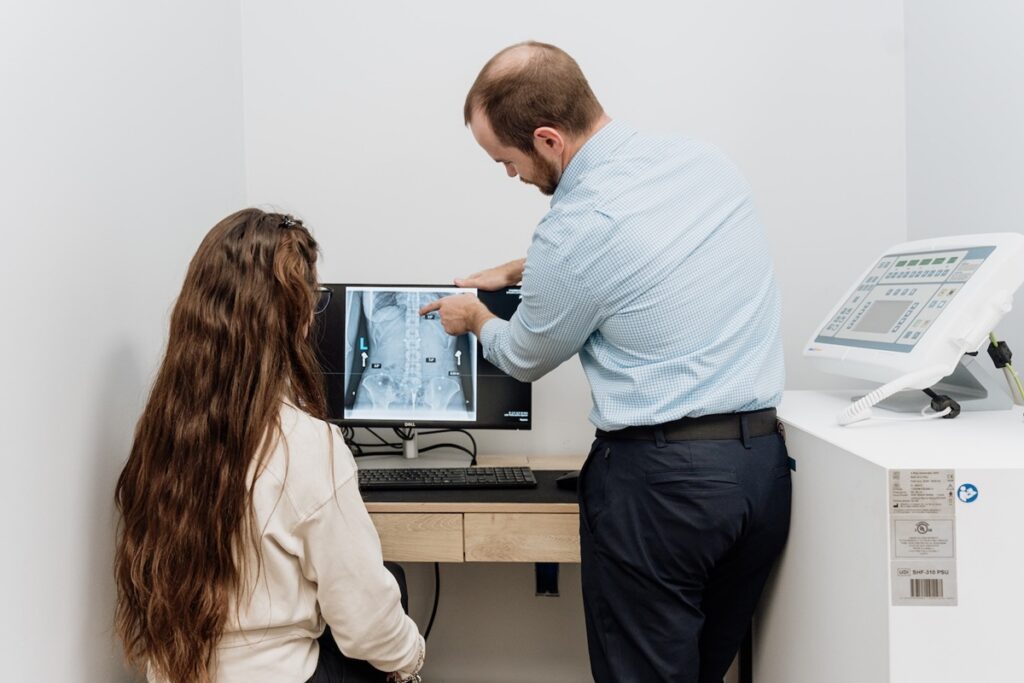

Chronic pain can significantly affect your daily life, but there are proactive ways to prevent it. As a local chiropractor, I believe that by embracing simple daily habits, you can enhance your spine health and overall wellness naturally. From the right exercises to proper nutrition, every element contributes to your well-being. Interested in learning more about effective strategies to stay pain-free? Let’s delve into some essential tips that can help you lead a healthier, pain-free life, with a special focus on the benefits of chiropractic care.
- Stay Active: Regular movement is key to preventing chronic pain. Engage in low-impact exercises such as walking, swimming, or cycling, which can strengthen your muscles and support your spine. Remember, chiropractic adjustments can enhance your mobility, making it easier to stay active.
- Maintain Good Posture: Poor posture can lead to chronic pain, especially in your back and neck. Be mindful of your posture when sitting, standing, or lifting. A chiropractor can provide guidance on how to maintain proper alignment, which is crucial for spinal health.
- Incorporate Stretching: Stretching can improve flexibility and reduce tension in your muscles. Try to incorporate gentle stretches into your daily routine, especially after long periods of sitting. Your chiropractor can recommend specific stretches that are beneficial for your body.
- Eat a Balanced Diet: Nutrition plays a vital role in your overall health. Focus on a diet rich in whole foods, including fruits, vegetables, lean proteins, and healthy fats. Certain foods can reduce inflammation, helping to alleviate pain.
- Stay Hydrated: Drinking plenty of water is essential for keeping your body functioning optimally, including your spinal discs. Proper hydration supports joint health and can help prevent discomfort.
- Prioritize Sleep: Quality sleep is crucial for healing and overall health. Establish a relaxing bedtime routine and ensure your sleeping environment supports good posture. A chiropractor can also offer tips on sleep positions that protect your spine.
- Regular Chiropractic Care: One of the best ways to prevent chronic pain is through regular chiropractic adjustments. These treatments help align your spine, relieve tension, and improve your body’s function. By working with a chiropractor, you can create a personalized plan that addresses your specific needs and keeps you on the path to wellness.
By integrating these habits into your daily life, you can take charge of your health and work towards a pain-free future. Remember, chiropractic care is a natural and effective way to support your journey to optimal wellness. If you’re curious about how chiropractic can specifically help you, don’t hesitate to reach out and schedule a consultation. Your health is worth it!
Key Takeaways
- Engage in regular low-impact exercises, such as walking or swimming, to strengthen your muscles and improve flexibility. These activities not only support your overall health but can also help prevent chronic pain. As a chiropractor, I recommend incorporating movement into your daily routine to keep your spine healthy and aligned.
- Pay attention to your posture during daily activities. Maintaining proper posture not only feels better but also helps prevent strain on your back and neck. Consider investing in ergonomic furniture that supports your body’s natural alignment, making it easier to sit and work comfortably.
- Nourish your body with anti-inflammatory foods like leafy greens, berries, and fatty fish. These foods can help support your overall health and reduce inflammation, which is essential for maintaining a pain-free life. Remember, what you eat can significantly impact how you feel!
- Practice stress management techniques, such as deep breathing and mindfulness. Chronic stress can heighten pain levels, so it’s important to find ways to relax and ease your mind. Simple practices like these can make a big difference in how you manage discomfort.
- Schedule regular chiropractic visits to keep your spine in check. Chiropractic care is a natural and effective way to assess spinal alignment and address any imbalances before they become chronic issues. By making chiropractic care part of your wellness routine, you can take proactive steps toward optimal health and pain relief.
By incorporating these tips into your lifestyle, you can enhance your well-being and reduce the risk of chronic pain—all while embracing the benefits of chiropractic care!
Understanding Chronic Pain
When considering chronic pain, it’s important to recognize that it’s more than just a symptom; it’s a multifaceted condition that can significantly impact your physical and emotional well-being.
Chronic pain doesn’t merely persist; it can change the way you live your daily life, affecting your mood, relationships, and overall quality of life. It’s common to feel frustrated or isolated as you deal with the challenges it presents.
Chronic pain can arise from various sources, including injuries, illnesses, or even psychological factors. Understanding its complexity is crucial for managing it effectively.
Remember, your body and mind are connected, meaning that stress or anxiety can make your pain feel worse.
This is where chiropractic care comes into play. Chiropractic adjustments can help realign your spine, which may relieve pressure on nerves and reduce pain.
By focusing on the root cause of your discomfort, rather than just masking the symptoms, chiropractic care promotes natural healing and wellness.
To empower yourself in managing chronic pain, here are some tips you can incorporate into your daily routine:
- Stay Active: Gentle movement can help keep your body limber. Consider low-impact activities such as walking, swimming, or yoga—these can help strengthen your muscles and improve flexibility.
- Practice Stress Management: Techniques such as deep breathing, meditation, or mindfulness can reduce anxiety and may help alleviate pain.
- Maintain a Healthy Diet: A balanced diet rich in whole foods can support your overall health and potentially reduce inflammation, which is often linked to pain.
- Stay Hydrated: Drinking plenty of water can help maintain proper bodily functions and may assist in reducing pain levels.
- Seek Support: Whether it’s talking to friends, family, or healthcare professionals, having a support network can be crucial in managing chronic pain.
By focusing on understanding chronic pain and exploring chiropractic care, you can take proactive steps towards reclaiming your life and enhancing your overall well-being.
The Role of Exercise in Pain Prevention
Regular exercise isn’t just important for maintaining a healthy lifestyle; it plays a crucial role in preventing chronic pain and enhancing your overall well-being.
As a chiropractor, I can tell you that incorporating specific pain-relief exercises into your daily routine can help strengthen your body and improve flexibility, which are key components in avoiding pain.
Staying active can significantly reduce the risk of developing chronic pain conditions, and it can also support your spine’s health.
When your body is strong and flexible, it helps to maintain proper alignment and function of your spine, reducing stress on your nervous system. This is where chiropractic care shines, as it focuses on aligning your spine and restoring its function to promote natural healing.
Here are some simple yet effective exercises that can help you prevent pain:
- Stretching: Incorporate gentle stretches into your daily routine. Stretching improves flexibility and helps relieve tension in your muscles and joints.
- Strengthening Exercises: Focus on core-strengthening exercises, such as planks and bridges. A strong core supports your spine and can alleviate pressure on your back.
- Low-Impact Activities: Engage in low-impact activities like walking, swimming, or cycling. These activities are easy on the joints while still providing great benefits for your overall health.
- Posture Awareness: Pay attention to your posture, especially if you sit for long periods. Good posture helps prevent unnecessary strain on your back and neck.
- Chiropractic Care: Regular visits to your chiropractor can enhance the benefits of exercise. Chiropractic adjustments can help ensure that your spine is properly aligned, which can improve your mobility and overall wellness.
Remember, the goal is to keep your body moving and to promote a healthy spine.
Benefits of Regular Activity
Engaging in physical activity consistently can significantly reduce your risk of chronic pain, and as your chiropractor, I want to emphasize the importance of incorporating movement into your daily routine. Regular exercise not only strengthens your muscles but also enhances flexibility and boosts endurance—key components for maintaining a healthy spine and overall body mechanics.
When you move regularly, you promote better blood flow, which is essential for repairing tissues and reducing inflammation. This is where chiropractic care complements your active lifestyle. By ensuring that your spine is aligned and functioning properly, we can further enhance the benefits of your physical activity, leading to a more effective pain relief strategy.
Moreover, staying active can have a positive impact on your mood and help decrease stress—two factors that can often make pain feel worse. In fact, movement releases endorphins, the body’s natural pain relievers, which can help combat stress and improve your overall sense of well-being.
Here are some key benefits of regular activity that support your journey towards natural healing and wellness:
| Benefit | Description |
|---|---|
| Strengthening Muscles | Builds support around joints, reducing strain and pain |
| Enhancing Flexibility | Increases range of motion, preventing stiffness and injuries |
| Boosting Mood | Releases endorphins that combat pain and stress |
To maximize the benefits of your physical activity and support your spine, consider these simple tips:
- Incorporate Variety: Mix different types of exercises—such as strength training, stretching, and aerobic activities—to keep your body engaged and balanced.
- Listen to Your Body: Pay attention to how your body responds to different activities. If something feels uncomfortable, it’s important to adjust or consult with your chiropractor for tailored advice.
- Stay Consistent: Aim for regular physical activity throughout the week, even if it’s just a short walk or gentle stretching. Consistency is key to reaping the benefits.
- Pair with Chiropractic Care: Regular visits to your chiropractor can help maintain spinal health and improve your body’s adaptability to physical activity.
Types of Pain-Relief Exercises
Incorporating specific pain-relief exercises into your daily routine can significantly boost your ability to prevent chronic pain and enhance your overall wellness. These exercises not only improve flexibility and strength but also promote relaxation, reducing tension throughout your body.
As a chiropractor, I believe that these activities complement the benefits of chiropractic care, providing a natural path to healing and maintaining optimal health. Here are three effective types of pain-relief exercises you should consider, along with some helpful tips:
- Stretching: Gentle stretches are a fantastic way to improve flexibility and relieve muscle tightness. Regular stretching can help you maintain proper posture, which is essential for spinal health. Try to include stretches for your neck, back, and legs. Remember to breathe deeply as you stretch, allowing your body to relax even further.
- Strengthening: Focused strength exercises build muscle support around your joints, which can help diminish the risk of injury and reduce chronic pain. Simple exercises like wall sits, planks, and resistance band workouts can help strengthen your core and lower body. Start slow, and gradually increase the intensity as your strength improves.
- Low-Impact Aerobics: Activities such as walking, swimming, or cycling are excellent for boosting circulation and enhancing your overall fitness. These low-impact exercises are gentle on your joints while still providing significant benefits. Aim for at least 30 minutes of low-impact activity most days of the week. Remember to listen to your body and adjust the pace as needed.
Incorporating these exercises into your routine can work wonders for your health. Always consult with a chiropractor to ensure you’re on the right track and to receive personalized guidance tailored to your specific needs.
Nutrition for Pain Management
Nutrition plays a crucial role in managing pain, and as a chiropractor, I want to emphasize the importance of incorporating anti-inflammatory foods into your daily meals. These foods can significantly help reduce discomfort and promote overall wellness. Staying well-hydrated and maintaining a balanced intake of essential nutrients are also vital in supporting your body’s natural healing processes.
By focusing on what you eat and drink, you can take charge of your health and alleviate chronic pain. Here are some simple tips to enhance your diet for pain management:
- Incorporate Anti-Inflammatory Foods: Foods like leafy greens, berries, fatty fish (like salmon), nuts, and olive oil can help reduce inflammation in the body.
- Stay Hydrated: Drinking plenty of water throughout the day is essential. Proper hydration supports spinal health and helps keep your joints lubricated.
- Limit Processed Foods: Try to reduce your intake of processed snacks, sugary beverages, and refined carbohydrates, as these can contribute to inflammation.
- Listen to Your Body: Pay attention to how certain foods affect your pain levels. Keeping a food diary can help you identify any triggers.
- Pair Nutrition with Chiropractic Care: Regular chiropractic adjustments can enhance your body’s function and support your nutritional efforts. When combined, they can lead to more effective pain management.
Anti-Inflammatory Foods
As a local chiropractor, I believe that the foods we eat can play a significant role in managing inflammation and chronic pain. By incorporating anti-inflammatory foods into your diet, you can support your body’s natural healing processes and enhance your overall well-being. Alongside regular chiropractic care, these dietary choices can help you achieve optimal health. Here are three key foods to consider adding to your meals:
- Fatty Fish: Fish like salmon and mackerel are loaded with omega-3 fatty acids, which are known to help reduce inflammation. Including these in your diet can aid in alleviating pain and improving joint function. Aim to enjoy fatty fish a few times a week for the best benefits.
- Leafy Greens: Vegetables such as spinach and kale aren’t only nutritious but also packed with antioxidants and vitamins that combat inflammation. Try to fill half your plate with these greens at each meal. They’re versatile and can be added to salads, smoothies, or cooked as a side dish.
- Berries: Blueberries and strawberries are delicious and rich in compounds that fight inflammation. They can be a great addition to your breakfast or a healthy snack throughout the day. Consider adding them to your yogurt, oatmeal, or enjoying them on their own.
Remember, making small changes to your diet can have a big impact on your health. Pairing these anti-inflammatory foods with regular chiropractic adjustments can enhance your body’s ability to heal and manage pain naturally. By focusing on nutrition and chiropractic care, you’re taking significant steps toward a healthier, pain-free life.
Stay proactive about your health and consider these dietary tips as part of your wellness journey!
Hydration Importance
Proper hydration is crucial for managing chronic pain and enhancing your overall health. When you maintain good hydration, your body operates at its peak, which can significantly help in reducing discomfort and stiffness that often accompany pain. Water is vital for transporting nutrients, flushing out harmful substances, and keeping your joints well-lubricated. If you’re not drinking enough water, you may find that your pain sensitivity increases, and inflammation can worsen.
To ensure you stay well-hydrated, aim for at least eight 8-ounce glasses of water per day, but feel free to adjust this amount based on your activity levels and the climate you’re in. It’s important to listen to your body’s cues; thirst is just one signal among many. You can also enhance your hydration by incorporating more fruits and vegetables into your diet—they’re not only delicious but also packed with water.
Balanced Nutrient Intake
Balancing your nutrient intake is essential for managing chronic pain and promoting overall well-being. While chiropractic care is a fantastic approach to achieving optimal health, proper nutrition can complement your healing journey. Here are three key components to focus on that can help support your body:
- Omega-3 Fatty Acids: Including foods like fatty fish, flaxseeds, and walnuts in your diet can help reduce inflammation. This is important for easing discomfort and supporting your chiropractic treatment.
- Antioxidants: Foods rich in antioxidants, such as berries, spinach, and even dark chocolate, play a crucial role in neutralizing harmful free radicals in your body. By doing so, they may help lower pain levels and enhance your overall health, making your chiropractic care more effective.
- Magnesium: Incorporating magnesium-rich foods like leafy greens, nuts, and whole grains into your meals can help relax your muscles and reduce tension. This is particularly beneficial when combined with chiropractic adjustments, as it can enhance your body’s healing process.
Mindfulness and Stress Reduction Techniques
Mindfulness and stress reduction techniques play a vital role in supporting your overall health and well-being, especially when it comes to managing pain and maintaining a healthy spine. Focusing on the present moment can help alleviate anxiety and tension, which often contribute to discomfort and pain.
One effective method to start with is deep breathing exercises. Begin by inhaling deeply through your nose, holding for a few seconds, and then exhaling slowly. This simple yet powerful technique not only calms your mind but also helps reduce muscle tension, making it a great complement to chiropractic care.
Incorporating mindfulness meditation into your day can also be beneficial. Find a quiet spot, close your eyes, and focus on your breath or a soothing mantra. Just a few minutes of this practice can significantly enhance your mental clarity and relaxation, supporting the healing process initiated by your chiropractor.
Consider adding yoga or gentle stretching to your routine as well. These activities promote relaxation and flexibility, which are essential for preventing muscle tension and ensuring your spine stays in optimal alignment.
Additionally, journaling can be a helpful outlet for processing your thoughts and emotions. Writing about your day or any stressors can clear your mind and provide insights into your feelings, further supporting your journey towards wellness.
Ergonomics: Creating a Pain-Free Workspace
Creating a pain-free workspace is vital for your overall health and well-being. As a chiropractor, I want to emphasize the importance of an ergonomic environment to support your spine and help you maintain a pain-free lifestyle.
Regularly assessing your workspace can make a significant difference. Here are three key aspects to consider:
- Chair Height and Support: Choose a chair that provides adequate support for your lower back. It’s important that your feet are flat on the floor, which helps keep your spine aligned. Adjust the chair height so that your knees are in line with or slightly below your hips. This position promotes better posture and reduces strain on your back.
- Monitor Position: Your computer monitor should be positioned at eye level and about an arm’s length away. This setup is crucial for reducing neck strain and maintaining proper spinal alignment. When your monitor is at the right height, your head stays in a neutral position, which can prevent discomfort and tension.
- Keyboard and Mouse Placement: Keep your keyboard and mouse close enough to your body so that your elbows remain at a 90-degree angle. This minimizes strain on your wrists and shoulders, helping you maintain a relaxed posture while working. Adjusting these tools can alleviate tension and prevent repetitive strain injuries.
By making these simple adjustments to your workspace, you can support your spine and overall wellness. Remember, chiropractic care is a natural and effective way to address pain and promote a healthy lifestyle.
Regular chiropractic visits can help ensure that your spine is aligned and functioning optimally, contributing to your overall health and well-being.
The Importance of Sleep for Pain Recovery
The Importance of Sleep for Pain Recovery
As a chiropractor, I can’t stress enough how vital sleep is for pain recovery and overall health. When you make quality sleep a priority, your body has the opportunity to heal itself. Without enough sleep, your pain levels can actually increase, making it tougher to manage discomfort. During deep sleep, your body produces growth hormones that are crucial for repairing tissues and recovering muscles.
Strive to get 7 to 9 hours of restorative sleep each night. To help you wind down, establish a calming bedtime routine. This could include dimming the lights and reducing screen time to signal to your body that it’s time to unwind. Creating a sleep-friendly environment is also important—aim for a cool, dark, and quiet space to help you fall asleep faster.
If stress and anxiety are keeping you from a good night’s rest, consider incorporating relaxation techniques into your routine. Deep breathing exercises or gentle meditation can work wonders in helping your mind calm down. Remember, proper spinal alignment can also significantly improve your sleep quality. Regular chiropractic adjustments can help alleviate tension and discomfort, setting the stage for better sleep and faster recovery.
Seeking Professional Help and Support
When you’re dealing with chronic pain, finding the right path to recovery is crucial, and chiropractic care can play a vital role in your journey toward better health and wellness. It’s important to remember that you don’t have to face this challenge alone. Here are three essential steps to consider:
- Visit a Chiropractor: Start by consulting with a chiropractor who specializes in spinal health. They can assess your posture, spinal alignment, and overall body mechanics to identify the root cause of your pain. Through gentle adjustments and targeted therapies, chiropractic care can help restore balance and alleviate discomfort naturally.
- Incorporate Physical Wellness: Alongside chiropractic adjustments, consider incorporating exercises that strengthen and support your spine. Simple stretches or low-impact activities like walking or swimming can enhance your mobility and reduce tension. Your chiropractor can provide personalized exercises tailored to your needs.
- Connect with a Community: Engaging with others who understand your experience can be incredibly beneficial. Look for local support groups or wellness workshops that focus on holistic health. Sharing your journey and learning from others can empower you and provide valuable insights into managing your pain effectively.
Conclusion
By incorporating these daily habits into your routine, you can significantly reduce your risk of chronic pain and enhance your overall well-being. Staying active with low-impact exercises, such as walking or swimming, is essential for maintaining a healthy spine and preventing pain. Nourishing your body with anti-inflammatory foods, like fruits, vegetables, and whole grains, can support your body’s natural healing processes.
It’s also important to prioritize good posture, whether you’re sitting at a desk or standing. An ergonomic workspace can make a huge difference in how your body feels throughout the day. Remember, your spine is the foundation of your overall health, so taking care of it is crucial.
In addition to physical health, don’t underestimate the power of mindfulness and restful sleep. These practices can help your body recover and manage stress, which is often linked to pain.
Chiropractic care is a fantastic option for achieving optimal health and pain relief. Regular adjustments can help keep your spine aligned, improve mobility, and reduce tension, allowing your body to heal naturally. If you’re experiencing discomfort or just want to maintain your health, consider visiting a chiropractor for personalized care.
Remember, taking small, consistent steps today can lead to a healthier, pain-free tomorrow. Your body will thank you for prioritizing natural wellness!