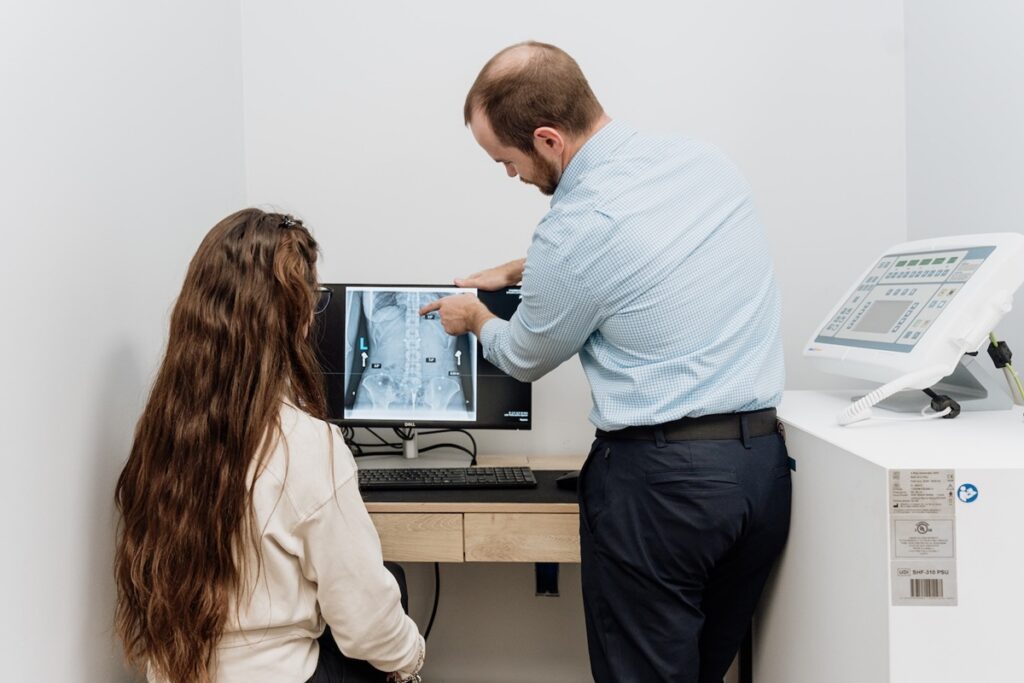

Managing chronic pain can feel overwhelming, but there are effective strategies that can truly enhance your life, especially when you prioritize chiropractic care. As a chiropractor, I believe that natural healing through spinal adjustments and holistic approaches can provide significant relief and promote overall wellness.
Exploring various methods, such as physical therapy and mindfulness practices, is important, but chiropractic care stands out as a powerful solution. Regular adjustments can help realign your spine, reduce tension, and improve your body’s function, leading to better pain management.
Don’t overlook the impact of nutrition on your health. Eating a balanced diet rich in anti-inflammatory foods can complement your chiropractic treatments and enhance your recovery. Simple changes, like incorporating more fruits, vegetables, and whole grains, can make a big difference in how you feel.
To get started on your journey to pain relief, consider the following tips:
- Schedule regular chiropractic visits to maintain spinal health and address pain at its source.
- Incorporate gentle stretching and strengthening exercises into your routine to support your spine and improve flexibility.
- Practice mindfulness techniques, such as deep breathing or meditation, to help manage stress and promote relaxation.
- Focus on a nutritious diet that supports your overall health and reduces inflammation.
By embracing these strategies and prioritizing chiropractic care, you can regain control over your pain and enhance your quality of life. Let’s work together to find the best approach tailored to your needs!
Key Takeaways
- If chronic pain is affecting your daily life, work, or social activities, consider seeking professional help from a chiropractor. Chiropractic care focuses on identifying and treating the root causes of pain, providing a natural path to relief without the need for medications or surgeries.
- Engaging in regular exercise and movement therapies such as yoga or swimming can be incredibly beneficial. These activities help improve flexibility, build strength, and promote natural pain relief. Your chiropractor can guide you on safe exercises tailored to your specific needs.
- Eating a nutritious, anti-inflammatory diet is key to supporting your overall health and healing. Incorporate plenty of fruits, vegetables, and omega-3 fatty acids into your meals. These foods can help reduce inflammation and support your body’s natural healing processes.
- Mindfulness techniques, like deep breathing and meditation, can significantly reduce stress and help manage pain. These practices can be easily integrated into your daily routine and can complement the benefits of chiropractic care.
- Keeping a journal to track your pain triggers and responses can be a valuable tool. This information can help inform your chiropractic treatment plan and allow for better collaboration with your chiropractor to develop effective pain management strategies.
Remember, chiropractic care is a natural and holistic approach to achieving optimal health and wellness. By taking these steps and working closely with your chiropractor, you can enhance your quality of life and find relief from chronic pain.
Understanding Chronic Pain
When you think about chronic pain, it’s essential to understand that it’s not just a symptom—it’s a complex condition that can influence every part of your life. Alongside physical discomfort, you might also face emotional challenges, social isolation, and changes to your daily routines. Chronic pain can affect your ability to work, enjoy hobbies, and maintain relationships, often leading to feelings of frustration and helplessness.
Understanding the causes of chronic pain is crucial. It can arise from various sources, such as injury, inflammation, or nerve issues, and can be worsened by stress and anxiety. This complexity means that managing chronic pain effectively often requires a holistic approach. Chiropractic care stands out as a natural and effective option for pain relief and overall wellness.
As a chiropractor, I encourage you to explore a few strategies to help manage chronic pain naturally:
- Regular Chiropractic Adjustments: These can help realign your spine, improve function, and reduce pain. Regular visits can address the underlying issues contributing to your discomfort.
- Stay Active: Gentle exercises and stretches can promote flexibility, strengthen muscles, and reduce pain. Activities like walking, swimming, or yoga can be beneficial.
- Mindfulness and Relaxation Techniques: Practices like meditation, deep breathing, or gentle yoga can reduce stress and help manage the emotional aspects of chronic pain.
- Healthy Nutrition: A balanced diet rich in anti-inflammatory foods can support your body’s healing processes. Consider incorporating fruits, vegetables, whole grains, and healthy fats into your meals.
- Build a Support System: Surrounding yourself with supportive friends and family can provide emotional relief and encouragement as you navigate your pain management journey.
The Role of Physical Therapy
Chiropractic care plays a crucial role in managing chronic pain and enhancing your overall well-being. By partnering with a skilled chiropractor, you can create a personalized plan that addresses your specific pain areas and helps you regain mobility naturally. You’ll learn techniques that not only relieve pain but also empower you to take control of your health.
- Experience improved mobility, allowing you to return to activities you love without discomfort.
- Gain strength and flexibility in your body, which can boost your confidence and independence.
- Discover effective, natural pain management strategies that can easily fit into your daily routine.
- Connect with a supportive community of individuals who are also on their journey to better health, reminding you that you’re not alone.
Chiropractic care isn’t just about adjustments; it’s about nurturing a positive mindset and creating a pathway toward a more active, fulfilling life. By committing to regular chiropractic visits, you can transform your relationship with pain and rediscover joy in everyday moments.
Here are a few tips to enhance your wellness journey:
- Stay active: Incorporate gentle exercises like walking or stretching into your daily life to maintain mobility.
- Maintain good posture: Be mindful of your posture whether you’re sitting, standing, or lifting to prevent strain on your spine.
- Stay hydrated: Drinking plenty of water can help keep your muscles and joints functioning smoothly.
- Listen to your body: Pay attention to how your body feels and make adjustments to your activities as needed.
Integrating Mindfulness and Meditation
Integrating mindfulness and meditation into your chronic pain management routine can significantly enhance your overall well-being, especially when combined with chiropractic care. These practices help you cultivate awareness of your thoughts and feelings, enabling you to observe your pain without judgment. By focusing on your breath or a specific mantra, you create a mental space that reduces stress and anxiety—two factors that can worsen discomfort.
Start with just a few minutes each day. Find a quiet spot, close your eyes, and take deep, calming breaths. As thoughts come to mind, simply acknowledge them and gently bring your focus back to your breathing. Over time, you may notice improved emotional resilience and an enhanced ability to cope with pain, complementing the benefits of chiropractic adjustments.
Consider incorporating chiropractic care into your routine. Regular visits can help align your spine, improve your overall function, and alleviate pain. Together with mindfulness practices, this holistic approach empowers you to reclaim control over your body and fosters a more positive mindset in the face of chronic pain.
Additionally, you might explore mindfulness-based stress reduction programs or guided meditation apps to support your journey. These resources can enhance your practice and help you stay committed to your wellness goals. Remember, the combination of chiropractic care and mindfulness can propel you towards a healthier, pain-free life.
Exploring Nutritional Approaches
When managing chronic pain, what you eat can make a significant difference in your recovery and overall health. As a chiropractor, I believe in the power of natural healing, and nutrition plays a vital role in this process. Incorporating anti-inflammatory foods, such as fruits, vegetables, and whole grains, can help reduce discomfort and support your body’s healing mechanisms. Omega-3 fatty acids, found in fish like salmon or in flaxseeds, are also great for reducing inflammation.
Staying hydrated is equally essential; drinking plenty of water keeps your body functioning optimally and can help alleviate some pain. Remember, our bodies are interconnected – what we consume can impact our spinal health and overall well-being.
In addition to focusing on nutrition, chiropractic care can be a game-changer in your pain management journey. By aligning your spine and improving nerve function, chiropractic adjustments can enhance your body’s ability to heal naturally.
Here are some simple tips to help you on your path to better health:
- Incorporate more whole foods into your diet and limit processed foods.
- Stay hydrated – aim for at least 8 glasses of water a day.
- Consider adding omega-3-rich foods to your meals a few times a week.
- Schedule regular chiropractic visits to help maintain your spinal health.
Anti-Inflammatory Foods
As a local chiropractor, I want to share how incorporating anti-inflammatory foods into your diet can play a significant role in managing chronic pain and enhancing your overall health. While chiropractic care is essential for achieving optimal health and wellness, the foods you eat can also make a big difference. It’s empowering to know that by making simple dietary changes, you can support your body’s natural healing processes.
Here are some easy-to-add anti-inflammatory foods that can complement your chiropractic care and help you feel better:
- Berries: These little powerhouses are rich in antioxidants, which help fight inflammation and can even elevate your mood. Try adding them to your breakfast or as a snack.
- Leafy greens: Vegetables like spinach and kale are packed with vitamins and minerals that promote healing and vitality. Incorporate them into salads, smoothies, or as a side dish to boost your meals.
- Turmeric: This golden spice is known for its potent anti-inflammatory properties. You can add it to soups, stews, or even smoothies for a flavorful health boost.
- Nuts: Nuts aren’t only nutrient-dense but also help reduce pain signals in the body. A handful of almonds or walnuts can make for a great snack and provide lasting energy.
Remember, while these foods can help manage inflammation, regular chiropractic adjustments are crucial for aligning your spine and supporting your body’s natural ability to heal. Together, a balanced diet and chiropractic care can lead to a healthier, more vibrant life.
If you’re looking for ways to improve your well-being, consider reaching out to your chiropractor for personalized advice and support.
Omega-3 Fatty Acids
Omega-3 fatty acids are essential nutrients that can play a significant role in your journey towards managing chronic pain naturally. These healthy fats, commonly found in fish like salmon and mackerel, as well as in flaxseeds and walnuts, have wonderful anti-inflammatory properties that may help reduce pain and stiffness, making them a great addition to your wellness routine.
Incorporating omega-3s into your diet can support not only joint health but also your overall well-being. Consider adding a serving of fatty fish to your meals a couple of times a week, or if you prefer, you can explore fish oil supplements. It’s important to maintain a balance between omega-3 and omega-6 fatty acids for optimal health.
As a chiropractor, I believe in a holistic approach to pain relief. While nutrition is key, combining it with regular chiropractic care can enhance your body’s ability to heal itself and maintain a healthy spine. Gentle adjustments can help improve your overall function and may even complement the benefits of omega-3 fatty acids.
Hydration and Pain Relief
Staying hydrated is crucial for managing chronic pain effectively, and as a chiropractor, I want to emphasize just how vital this simple practice can be for your overall health. When your body is well-hydrated, it functions more efficiently, which can lead to a reduction in discomfort and pain levels. On the other hand, dehydration can worsen pain by increasing tension and inflammation, making it even more important to prioritize hydration in your daily routine.
Here are some emotional connections to hydration that can enhance your journey toward wellness:
- Relief: Taking a moment to sip water can provide immediate comfort and ease, making it a simple yet effective way to manage pain.
- Empowerment: By being proactive about your hydration, you take control of your health. This self-care approach aligns perfectly with chiropractic principles, as it empowers you to support your body naturally.
- Hope: Staying hydrated can boost your energy levels and motivation, encouraging you to engage more fully in activities you enjoy, which is essential for healing and overall wellbeing.
- Connection: Sharing a drink with a friend or family member not only strengthens your relationships but can also elevate your mood, providing emotional support during challenging times.
To help you make the most of your hydration, here are some practical tips:
- Set Reminders: Use your phone or a timer to remind you to drink water throughout the day.
- Flavor It Up: If plain water doesn’t excite you, consider infusing it with fruits like lemon, cucumber, or berries for a refreshing twist.
- Carry a Reusable Bottle: Having a water bottle on hand makes it easier to sip throughout the day, ensuring you stay hydrated.
- Pair Hydration with Meals: Make it a habit to drink a glass of water before or during each meal to help establish a routine.
- Listen to Your Body: Pay attention to signs of thirst and make it a priority to hydrate whenever you feel dry or fatigued.
Remember, while hydration plays a significant role in managing pain, incorporating chiropractic care can further enhance your journey toward optimal health. By focusing on your spine’s health and overall body alignment, chiropractic adjustments can help improve your body’s function and reduce pain naturally.
Embrace these strategies for hydration and consider chiropractic care to support your path to wellness!
Utilizing Alternative Therapies
When it comes to managing chronic pain, you might be surprised to learn that chiropractic care can be one of the most effective and natural solutions. While traditional treatments often lean heavily on medications and surgeries, chiropractic focuses on treating the root cause of your pain through spinal adjustments and holistic approaches.
Chiropractic care works by ensuring your spine is properly aligned, which can alleviate pressure on nerves and improve your body’s overall function. This natural healing method helps reduce inflammation and promotes better circulation, leading to a decrease in pain over time.
You can complement your chiropractic treatments with other alternative therapies for enhanced relief. For example, practices like yoga and tai chi not only provide gentle movement but also improve your flexibility and strength. These activities can work hand-in-hand with chiropractic adjustments to optimize your well-being.
Incorporating mindfulness and meditation into your daily routine is another great way to manage pain. These techniques can help you relax and reduce stress, which often contributes to discomfort. Even just a few minutes a day of deep breathing can make a significant difference in how you feel.
Additionally, consider using essential oils in your home. Aromatherapy can create a soothing atmosphere and may help ease discomfort when combined with your chiropractic care. Simple practices like these can enhance your healing journey.
The Importance of Regular Exercise
Regular exercise is essential for managing chronic pain and promoting overall wellness, and as a chiropractor, I want to emphasize how physical activity can complement chiropractic care on your journey to optimal health. You may be surprised to find that even gentle movements can significantly alleviate pain and lift your spirits. When you engage in regular physical activity, your body releases endorphins, which are natural pain relief substances that enhance your mood.
Here are some emotional benefits of incorporating exercise into your routine:
- Empowerment: Taking charge of your physical health can be incredibly empowering. With chiropractic care, you can learn how to move your body in ways that support your spine and overall well-being.
- Connection: Participating in group classes or outdoor activities can help you build relationships, providing a support system as you work towards your health goals.
- Hope: Regular movement can foster a sense of optimism about managing your pain. Coupled with chiropractic adjustments, you may find that you have more tools to feel better every day.
- Resilience: Engaging in exercise helps you build both physical and mental strength. With the right chiropractic guidance, you can develop a greater ability to face life’s challenges.
Incorporating exercise into your daily routine doesn’t have to feel overwhelming. Start with small, manageable activities—perhaps a short walk or gentle stretching—and gradually increase your activity level. Remember, every little effort counts!
By working alongside your chiropractor, you can create a personalized plan that suits your needs and helps you feel your best.
Ultimately, chiropractic care is a natural and effective method to achieve pain relief and enhance your quality of life. Prioritize your health by embracing both chiropractic adjustments and regular exercise, and you’re on the right path to feeling better!
Medication Management Strategies
When managing chronic pain, considering chiropractic care can be a vital step in your journey towards wellness. Chiropractic adjustments not only help in relieving pain but also promote overall health by addressing the root causes of discomfort in the body. It’s important to focus on effective techniques for monitoring your progress, ensuring that you feel safe and supported throughout your healing process.
Incorporating regular chiropractic sessions can lead to improved spinal alignment, which in turn can enhance your body’s natural ability to heal itself.
Here are some general tips for better pain relief and healthier living:
- Stay Active: Gentle exercises and stretching can keep your body flexible and strong, reducing pain over time. Your chiropractor can guide you on the best movements for your specific needs.
- Practice Good Posture: Being mindful of your posture while sitting, standing, and sleeping can significantly impact your pain levels. Your chiropractor can provide advice on ergonomic adjustments and exercises to support better alignment.
- Stay Hydrated and Maintain a Balanced Diet: Proper nutrition and hydration can aid in recovery and overall health. Eating a diet rich in anti-inflammatory foods can contribute to pain relief.
- Incorporate Stress-Reduction Techniques: Practices such as meditation, deep breathing, or yoga can help manage stress, which can often exacerbate pain.
- Listen to Your Body: Pay attention to how different activities affect your pain levels. Communicate openly with your chiropractor about any changes you notice, so adjustments can be tailored to your needs.
Opioid Alternatives Exploration
As a chiropractor dedicated to your health and wellness, I understand that many individuals dealing with chronic pain are looking for effective alternatives to opioids. It’s important to manage your pain while also minimizing the risk of addiction.
One powerful way to achieve this is through chiropractic care, which focuses on spinal health and overall well-being. Here are some natural alternatives that can complement chiropractic treatment:
- Chiropractic Adjustments: Regular adjustments can help align your spine, reduce pain, and improve your body’s function. This holistic approach addresses the root cause of pain rather than just masking symptoms.
- Physical Therapy: Working with a physical therapist alongside your chiropractic care can help you rebuild strength and flexibility, which may lead to lasting pain relief.
- Mindfulness and Meditation: These practices help you cultivate mental resilience and can significantly reduce your perception of pain. Incorporating mindfulness techniques into your routine can enhance the benefits of your chiropractic adjustments.
- Acupuncture: This ancient technique can promote natural healing and may provide pain relief. While it’s not a substitute for chiropractic care, it can be a helpful complementary treatment.
- Topical Treatments: Using creams and patches can provide targeted relief for localized pain. However, always consult your chiropractor to ensure these methods align with your overall treatment plan.
General Tips for Natural Wellness:
- Stay Active: Regular movement helps maintain spinal health; even gentle activities like walking can be beneficial.
- Maintain Good Posture: Pay attention to your posture throughout the day, especially if you sit for long periods. This can prevent unnecessary strain on your spine.
- Stay Hydrated: Drinking plenty of water supports overall health and can help keep your discs hydrated and functioning well.
- Prioritize Sleep: Quality sleep is crucial for healing and managing pain. Aim for a consistent sleep routine.
By focusing on chiropractic care and these natural alternatives, you can take control of your health and find effective ways to manage pain without the risks associated with opioids.
Dosage Monitoring Techniques
Dosage monitoring techniques are important for anyone managing pain, but let’s talk about a natural approach that truly supports your overall well-being—chiropractic care!
Instead of relying solely on medications, which can have side effects and may not address the root cause of your pain, consider keeping a journal of how your body feels after chiropractic adjustments. This can help you track your progress and understand how your body responds to care.
It’s also beneficial to stay organized. Use a pill organizer or set reminders for your chiropractic appointments to ensure you’re consistent with your care. Remember, regular visits to your chiropractor can help you manage pain more effectively than any medication alone.
Listen to your body and pay attention to any changes. If you’re feeling different after adjustments, share this feedback with your chiropractor. They can tailor your treatment plan to fit your needs better. Embrace the idea of natural healing through chiropractic care, which focuses on aligning your spine and optimizing your body’s function.
The Benefits of Support Groups
Support groups can be a lifeline for those dealing with chronic pain, providing a unique opportunity to connect with others facing similar challenges. These groups offer a space where you can share your experiences and gain insights, helping you feel less isolated in your journey.
The emotional support from fellow members can be incredibly valuable, especially as you navigate the ups and downs of living with pain.
- You’ll find comfort in knowing that others understand your struggles and can validate your experiences.
- You’ll discover effective coping strategies that others have found useful, which may complement your chiropractic care.
- You’ll build friendships that can offer ongoing support, helping you feel connected and empowered.
- You’ll have a safe space to express your feelings without fear of judgment, which can enhance your emotional well-being.
Participating in a support group fosters a sense of community, reminding you that you’re part of something bigger. This connection can empower you to tackle daily challenges with renewed hope.
In addition to the support you receive, consider integrating chiropractic care into your wellness routine. Chiropractic adjustments can help alleviate pain, improve mobility, and promote overall wellness by addressing spinal misalignments that may be contributing to your discomfort.
Here are some general tips to enhance your journey toward optimal health:
- Stay active: Gentle exercises, as recommended by your chiropractor, can strengthen your muscles and support your spine.
- Practice good posture: Being mindful of your posture can help reduce strain on your spine and alleviate pain.
- Stay hydrated: Drinking plenty of water supports overall health and can help keep your joints lubricated.
- Incorporate stress-relief techniques: Activities like yoga, meditation, or deep-breathing exercises can help manage stress and tension.
Developing a Pain Management Plan
Creating an effective pain management plan begins with understanding your pain triggers. Knowing what initiates your discomfort is crucial in helping you regain control over your body and health.
By identifying these triggers, you can set realistic and achievable goals tailored to your needs, which is essential for effective pain relief.
Chiropractic care is a natural and holistic approach to managing pain that focuses on the spine’s alignment and overall body function. Regular chiropractic adjustments can help alleviate pain and improve your quality of life without the need for medications or invasive procedures.
It’s important to monitor your progress regularly. Keeping track of how your body responds to chiropractic adjustments and other wellness practices can help you stay on the right path and make necessary adjustments to your plan.
Here are some general tips to help you along the way:
- Stay Active: Engage in gentle exercises and stretches suitable for your condition. Movement is key to maintaining flexibility and reducing pain.
- Maintain Good Posture: Be mindful of your posture throughout the day, whether sitting, standing, or lifting. Proper alignment can significantly reduce strain on your spine.
- Stay Hydrated: Drinking plenty of water supports overall health and helps keep your joints lubricated.
- Consider Your Diet: A balanced diet rich in anti-inflammatory foods can aid in reducing pain and promoting healing.
- Manage Stress: Incorporate relaxation techniques such as deep breathing, meditation, or yoga into your routine, as stress can exacerbate pain.
Identify Pain Triggers
Identifying pain triggers is a crucial step in creating an effective pain management plan, and as a chiropractor, I believe that understanding these triggers can help you take control of your health naturally. By recognizing what exacerbates your pain, you can minimize flare-ups and lead a more comfortable life.
One of the best ways to start this process is by keeping a pain diary. Note when your pain intensifies and what activities you were engaged in at that time. This can help uncover patterns that allow you to avoid certain activities or environments that may contribute to your discomfort.
Common triggers you might discover could include:
- Stressful situations: Stress can create tension in your body, leading to increased pain. Incorporating relaxation techniques such as deep breathing, yoga, or meditation can help in managing stress and its impact on your body.
- Specific physical activities: Certain movements or exercises may strain your body and worsen your pain. It’s important to listen to your body and modify activities when necessary. Chiropractic adjustments can also help align your spine and improve your overall mobility, making it easier to engage in physical activities without pain.
- Dietary choices: Foods that lead to inflammation can aggravate your pain. Focusing on whole, nutritious foods can support your body’s healing process. Incorporating anti-inflammatory foods like fruits, vegetables, nuts, and healthy fats can be beneficial.
- Weather changes: Many people find that their pain levels fluctuate with the weather. While you can’t control the weather, chiropractic care can help improve your joint function and alleviate discomfort related to these changes.
Taking proactive steps to identify and manage your pain triggers is essential for better health. Along with keeping track of your pain, consider regular chiropractic visits to maintain spinal health, enhance your body’s natural healing capabilities, and promote overall wellness.
Set Realistic Goals
Setting realistic goals is key to creating an effective pain management plan that works specifically for you. By setting achievable objectives, you’ll find it easier to stay motivated and dedicated to your path toward wellness. Begin by identifying your personal goals, whether that’s easing pain, boosting mobility, or enhancing your overall quality of life through natural methods like chiropractic care.
Chiropractic care focuses on restoring the body’s natural ability to heal itself, which makes it an excellent choice for pain relief and overall wellness. Here are some examples of realistic goals you might consider:
| Goal Type | Specificity | Time Frame |
|---|---|---|
| Pain Reduction | Decrease pain by 2 points | Within 3 months |
| Mobility Improvement | Walk for 10 minutes daily | Next 4 weeks |
| Quality of Life | Engage in a hobby weekly | Over 2 months |
Here are some helpful tips to keep in mind as you work toward these goals:
- Regular Adjustments: Schedule consistent chiropractic adjustments to help align your spine and improve your body’s overall function. This can significantly reduce pain and enhance mobility.
- Listen to Your Body: Pay attention to how your body responds to different activities. If something causes discomfort, it may be best to modify your approach.
- Incorporate Movement: Gentle movements and stretches, as recommended by your chiropractor, can promote healing and improve your range of motion.
- Stay Hydrated: Drinking plenty of water can help keep your joints lubricated and support overall health.
- Practice Relaxation Techniques: Stress can exacerbate pain, so try incorporating relaxation strategies like deep breathing, meditation, or yoga to help manage your stress levels.
Monitor Progress Regularly
Monitoring your progress regularly is an essential part of developing an effective pain management plan, especially in the context of chiropractic care. By keeping track of your experiences, you can discover what techniques are working for you and where adjustments may be needed.
This awareness empowers you to take charge of your healing journey and make informed decisions about your health.
Here are a few reasons why consistent monitoring is so important:
- Celebrate small victories: Every improvement, no matter how small, deserves recognition. Celebrating these milestones can boost your motivation and overall morale, which is crucial for your recovery.
- Identify triggers: By observing your daily activities and reactions, you can pinpoint patterns that might aggravate your pain. This knowledge can help you avoid those triggers and promote a more comfortable lifestyle.
- Adjust your strategies: Regularly checking in with yourself allows you to fine-tune your approach to pain relief. Whether it’s adjusting your chiropractic care routine or incorporating new wellness practices, small changes can lead to better results.
- Enhance communication with your chiropractor: Sharing your progress with your chiropractor fosters collaboration and helps them tailor your care plan to better suit your needs. Open communication is key to achieving optimal health.
Incorporating these monitoring habits into your routine will help you stay engaged in your healing process. Remember, every step counts towards achieving natural wellness and improving your quality of life.
And always keep in mind that chiropractic care is a powerful ally on your journey to optimal health!
When to Seek Professional Help
If chronic pain is affecting your daily activities or overall quality of life, it’s important to take action and seek help from a professional, such as a chiropractor. You don’t have to face constant discomfort on your own. If you find that over-the-counter remedies aren’t delivering the relief you need, or if your pain is intensifying, chiropractic care may be the solution you’re looking for.
Be aware of warning signs like ongoing fatigue, mood changes, or trouble sleeping, as these can highlight the need for professional evaluation. A chiropractor can assist in identifying the root causes of your pain and create a personalized treatment plan that focuses on natural healing and restoring balance to your body.
If your pain is hindering your ability to work, socialize, or enjoy your favorite hobbies, seeking chiropractic care is crucial. It’s important to remember that early intervention often leads to better outcomes. Trust your instincts—if something feels off, don’t hesitate to reach out to a chiropractor. You deserve to live a fulfilling life, free from the burden of chronic pain.
For general wellness, consider incorporating gentle stretches and regular movement into your routine, which can support spinal health. Staying hydrated and maintaining good posture can also make a significant difference. Chiropractic care is a natural approach to achieving optimal health and wellness, helping you live your best life.
Conclusion
Incorporating chiropractic care into your daily routine can significantly improve your ability to manage chronic pain. By focusing on spinal health, movement, mindful practices, nutritional changes, and professional chiropractic support, you’re paving the way for a better quality of life.
Chiropractic care emphasizes the importance of a properly aligned spine, which can alleviate pain and improve overall health. Regular adjustments can help restore balance to your body, promoting natural healing and enhancing your mobility. Additionally, incorporating gentle exercises and stretches into your day can further support your spine and reduce discomfort.
Mindfulness practices, such as deep breathing or meditation, can also be beneficial in managing pain. These techniques help you stay present and reduce stress, which can exacerbate pain symptoms. Pairing these practices with a nutritious diet rich in anti-inflammatory foods can enhance your body’s healing process.
Don’t forget to track your progress and make adjustments to your routine as needed. If you’re feeling overwhelmed, remember that you don’t have to navigate this journey alone. Your chiropractor is here to support you every step of the way. With the right approach, including regular chiropractic care, you can take control of your pain and improve your overall well-being. Embrace these strategies and discover the natural path to a healthier, pain-free life!