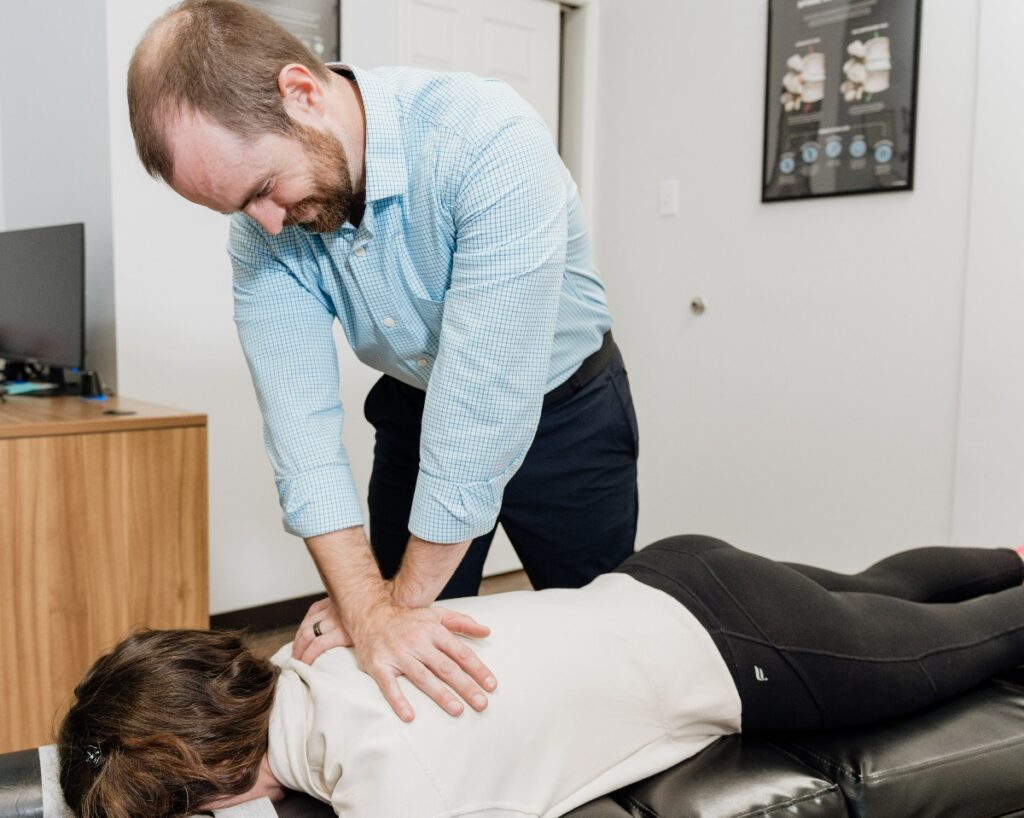

Lower back pain can be both frustrating and debilitating, but it’s important to know that you don’t have to endure it. By understanding the root causes and embracing natural healing techniques, you can unlock relief and regain your quality of life. One of the most effective ways to alleviate discomfort is through chiropractic care, which focuses on restoring proper alignment and function to the spine.
In addition to regular chiropractic adjustments, there are practical strategies you can adopt at home to support your recovery. Improving your posture is a key step; whether you’re sitting at a desk or standing, maintaining a neutral spine can help reduce strain on your lower back. Incorporating gentle stretches into your daily routine can also be beneficial. Simple movements like knee-to-chest stretches or cat-cow poses can help increase flexibility and release tension in the back muscles.
As you explore these natural methods, remember that everyone’s body is different, so some techniques may resonate with you more than others. Listening to your body is essential. It’s also beneficial to stay active—engaging in low-impact exercises like walking or swimming can strengthen your back and improve overall wellness.
By prioritizing chiropractic care and adopting these holistic practices, you’re taking proactive steps toward optimal health and pain relief. Together, we can work towards a healthier, more comfortable you.
Key Takeaways
- It’s essential to maintain good posture while sitting and standing, as this helps prevent muscle strain and supports proper spinal alignment. By being mindful of your posture, you can reduce the risk of discomfort and promote overall spinal health.
- Regularly incorporating gentle stretching and yoga into your routine can work wonders for alleviating tension and improving flexibility in your lower back. These activities not only help to ease discomfort but also enhance your overall well-being.
- Consider setting up your workstation ergonomically to minimize neck and back strain during daily tasks. Adjusting your chair height, using supportive cushions, and keeping your computer screen at eye level can make a significant difference in your comfort levels.
- Engaging in core-strengthening exercises, such as planks and bridges, is a fantastic way to support your spinal health and stability. A strong core provides the necessary support for your back, helping to prevent pain and injury.
- If you’re experiencing persistent or worsening pain, seeking professional chiropractic care is a proactive step towards personalized treatment and early intervention. Chiropractors specialize in understanding the spine and can provide tailored solutions to help you achieve optimal health and wellness naturally. Remember, taking care of your spine is key to living a healthier, pain-free life!
Understanding Lower Back Pain
Lower back pain can be a frustrating experience, especially when it disrupts your daily activities. You might feel a dull ache or sharp pain, which can arise from various factors. Strain from lifting heavy objects, poor posture, or muscle imbalances often trigger discomfort. Additionally, stress and inactivity can contribute to that nagging pain as well.
Understanding the nature of your lower back pain is essential for finding effective relief, and chiropractic care can be a natural and holistic approach to achieving that. Pay attention to when the pain strikes and what activities make it worse. This awareness will help you identify patterns and potential triggers, guiding you toward healthier habits.
It’s also important to recognize the difference between acute and chronic pain. Acute pain typically lasts a few days to weeks, while chronic pain persists for three months or more. By understanding these distinctions, you can communicate more effectively with your chiropractor, who’ll help tailor a treatment plan that meets your unique needs.
In addition to regular chiropractic adjustments, here are some general tips to help manage and prevent lower back pain:
- Maintain Good Posture: Sit up straight and keep your feet flat on the floor. Use a chair with good lumbar support.
- Stay Active: Incorporate gentle stretches and exercises into your routine. Activities like walking, swimming, or yoga can strengthen your back and improve flexibility.
- Lift Properly: When lifting heavy objects, bend your knees and keep the item close to your body. Avoid twisting your back during the lift.
- Manage Stress: Practice relaxation techniques such as deep breathing, meditation, or mindfulness to help reduce tension in your muscles.
- Stay Hydrated: Drink plenty of water to keep your spinal discs hydrated and healthy.
Chiropractic care focuses on aligning the spine and improving overall function, which can be a powerful tool in relieving lower back pain and promoting natural wellness. If you’re struggling with back pain, consider reaching out to a chiropractor. They can work with you to develop a personalized plan that addresses your specific concerns and helps you achieve optimal health.
Importance of Good Posture
Good posture is essential for preventing lower back pain and promoting overall health. As a chiropractor, I’ve seen firsthand how poor alignment can lead to discomfort and long-term spinal issues. When we slouch or sit in awkward positions, we not only strain our muscles but also disrupt the natural curvature of our spine.
Here are some simple tips to improve your posture and set up an ergonomic workstation for better spinal health:
- Sit Up Straight: Keep your back straight and shoulders relaxed. Your ears should be aligned with your shoulders, and your feet should be flat on the floor.
- Use Supportive Chairs: Choose a chair that supports your lower back. If your chair doesn’t have built-in lumbar support, consider using a small cushion or a rolled-up towel to maintain the natural curve of your spine.
- Monitor Height: Your computer screen should be at eye level to prevent straining your neck. If you work on a laptop, consider using a stand or a separate keyboard to achieve the right height.
- Take Breaks: Remember to stand up, stretch, and move around every 30 minutes. This helps relieve tension in your muscles and keeps your spine healthy.
- Practice Core Strengthening: Engaging in exercises that strengthen your core can help support your spine and improve your posture over time.
- Consider Chiropractic Care: Regular chiropractic adjustments can help maintain proper alignment, alleviate pain, and promote overall wellness. By addressing the root cause of discomfort, chiropractic care can provide long-lasting relief without the need for medications or surgery.
By incorporating these simple habits into your daily routine, you can enhance your posture and support your spinal health. Remember, a healthy spine is the foundation of a healthy body!
If you’re experiencing pain or discomfort, don’t hesitate to reach out for chiropractic care to help you on your journey to optimal health.
Effects of Poor Posture
As a local chiropractor, I want to shed light on how poor posture can significantly affect your overall health and well-being. Many people may not realize it, but slouching or hunching over can lead to muscle imbalances and put unnecessary strain on your spine, increasing the likelihood of experiencing lower back pain.
When your body is out of alignment, it compensates in ways that can result in discomfort and fatigue. You might also notice tension in your neck and shoulders, which can hinder your daily activities and overall productivity.
Over time, poor posture can even contribute to more serious health issues, such as reduced lung capacity and digestive problems. This is where chiropractic care comes into play. By focusing on spinal alignment and overall body balance, chiropractic adjustments can help alleviate the discomfort caused by poor posture.
To promote a healthier posture and prevent these negative effects, here are some tips and tricks you can incorporate into your daily routine:
- Be Mindful of Your Posture: Regularly check in with your posture throughout the day. Make a conscious effort to sit and stand tall, keeping your shoulders back and your head aligned over your spine.
- Strengthen Your Core: Engaging in exercises that strengthen your core muscles can provide better support for your spine, helping to maintain proper posture.
- Take Frequent Breaks: If you sit for long periods, make it a point to stand up, stretch, and move around every 30 minutes. This simple act can help reduce tension and improve circulation.
- Create an Ergonomic Workspace: If you work at a desk, ensure your chair and computer setup promote good posture. Your screen should be at eye level, and your feet should be flat on the ground.
- Stay Active: Regular physical activity helps maintain flexibility and strength, both of which are essential for good posture.
By being proactive and making small adjustments to your daily habits, you can prevent the negative consequences of poor posture and promote a healthier, more balanced body. Remember, chiropractic care is a natural and effective way to achieve optimal health and support your body in its journey toward wellness.
If you’re experiencing discomfort or want to improve your posture, don’t hesitate to reach out for personalized chiropractic care. Your body will thank you!
Tips for Better Alignment
Maintaining proper alignment is essential for preventing discomfort and enhancing your overall health. Good posture is not just about looking confident; it plays a crucial role in supporting your spine and reducing the strain on your muscles. As a chiropractor, I believe that optimal alignment is fundamental for achieving natural healing and wellness. Here are some simple tips to help you maintain better alignment in your daily life:
| Tips for Better Alignment | Benefits |
|---|---|
| Sit up straight | Reduces back strain and improves posture |
| Keep your feet flat on the ground | Promotes stability and balance |
| Align your ears over your shoulders | Supports proper neck alignment |
| Use chairs with good support | Enhances comfort and encourages healthy sitting habits |
| Take regular breaks from sitting | Prevents stiffness and keeps your body moving |
Ergonomic Workstation Setup
Creating an ergonomic workstation is crucial for supporting your spine health and preventing discomfort during those long hours at your desk.
Start with your chair: adjust it to provide support for your lower back, which helps maintain the natural curve of your spine. Make sure your feet are flat on the ground or on a footrest to promote proper alignment.
Next, position your monitor at eye level and about an arm’s length away. This setup is key to reducing neck strain and keeping your spine in a neutral position.
Your keyboard and mouse should be close enough that your elbows can remain at a comfortable 90-degree angle, which helps keep tension away from your shoulders and back.
Remember to take regular breaks—standing up or stretching every hour can significantly relieve muscle tension and encourage blood flow. Incorporating gentle stretches into your routine can also be beneficial for spinal health. Additionally, when you’re on calls, using a headset can prevent you from hunching over, which is vital for maintaining good posture.
By focusing on these ergonomic tips, you can help support your spine and overall health.
And if you ever find yourself dealing with pain or discomfort, consider visiting a chiropractor. Chiropractic care is an excellent choice for natural pain relief and promoting optimal wellness, helping you maintain a healthy spine and a more comfortable work life.
Stretching Exercises for Relief
When it comes to finding relief from lower back pain, incorporating stretching exercises can truly enhance your journey to wellness. Regularly practicing these stretches not only improves flexibility but also reduces tension in your back muscles, which is essential for maintaining a healthy spine.
Here are three effective stretches that can complement your chiropractic care:
- Child’s Pose: Begin on your hands and knees, then gently sit back onto your heels while reaching your arms forward. This position helps decompress your lower back and allows for relaxation. Hold this stretch for about 30 seconds to feel the soothing effect on your spine.
- Knees-to-Chest Stretch: Lie comfortably on your back and gently pull your knees toward your chest. This stretch helps alleviate tension and enhances spinal alignment, making it a great addition to your daily routine. Hold the position for 20-30 seconds, focusing on your breathing.
- Cat-Cow Stretch: Start on all fours and engage in a gentle flow between arching your back (like a scared cat) and dipping it down (like a cow). This dynamic movement encourages spinal flexibility and can help reduce stiffness, making it a wonderful way to warm up or cool down after a long day.
In addition to these stretches, remember to maintain good posture throughout your daily activities, stay hydrated, and consider regular chiropractic adjustments. These practices work together to support your spine and overall health, positioning chiropractic care as a crucial element in achieving optimal wellness.
Strengthening Your Core
Building on the benefits of stretching, strengthening your core is crucial for alleviating lower back pain and enhancing overall wellness. A strong core provides vital support to your spine, helping to reduce strain on your lower back. As a chiropractor, I encourage you to incorporate exercises such as planks, bridges, and abdominal crunches into your routine. These movements specifically target the muscles surrounding your abdomen and lower back, promoting stability and balance.
Start with basic exercises to build a strong foundation, and gradually increase the intensity as your strength improves. It’s important to stay consistent; aim for at least two to three sessions each week. Always pay attention to your form to avoid injury—engage your core and maintain a straight back during each movement.
As you strengthen your core, you may notice a decrease in discomfort and an improvement in your posture. A strong core not only helps alleviate back pain but also enhances your performance in daily activities. Remember, prioritizing core strength is a natural way to support your back and overall health without the need for surgeries or medications.
Incorporating chiropractic care into your wellness plan can further enhance your journey to optimal health. Regular adjustments can help align your spine, promote healing, and support your core-strengthening efforts. Focus on adopting healthy habits, engage in core-strengthening exercises, and consider chiropractic care as a natural path to achieving long-term relief and wellness.
Mindfulness and Relaxation Techniques
Mindfulness and relaxation techniques can significantly support your journey to managing lower back pain, complementing the benefits of chiropractic care. By incorporating these practices into your daily routine, you can help reduce stress and enhance your overall well-being, paving the way for a healthier spine.
Here are three effective techniques to consider:
- Deep Breathing: Pay attention to your breath. Inhale deeply through your nose, letting your abdomen expand fully. Exhale slowly through your mouth. Doing this for a few minutes can promote relaxation and help ease tension in your lower back, making it a great practice to pair with your chiropractic adjustments.
- Guided Imagery: Picture a tranquil place in your mind, like a calm beach or a peaceful forest. Engage all your senses to create a vivid mental image that allows you to escape from stress and tension. This technique can be especially helpful after a chiropractic session, as it enhances your body’s natural healing process.
- Progressive Muscle Relaxation: This involves tensing and then relaxing each muscle group in your body, starting from your toes and moving up to your head. This technique helps to release physical tension and calm your mind, which can be an excellent way to prepare your body for chiropractic care or to maintain the benefits after a visit.
Remember, while these mindfulness practices can enhance your well-being, regular chiropractic care remains one of the best natural options for addressing lower back pain and achieving optimal health.
The Role of Heat and Cold Therapy
If you’re struggling with lower back pain, incorporating heat and cold therapy into your routine can be a powerful way to manage discomfort and encourage healing. When you apply heat, such as a warm towel or heating pad, it helps to relax tight muscles and boosts blood circulation, which can alleviate stiffness. This is particularly helpful after a long day of sitting or lifting heavy objects.
On the flip side, cold therapy—like ice packs—can be very effective for reducing inflammation and numbing sharp pain. This technique is best used right after an injury or during painful flare-ups. You might find that alternating between heat and cold provides the greatest relief, allowing your body to recover more effectively.
Here are some simple tips to keep in mind: aim to use heat or cold for about 15-20 minutes at a time and always place a cloth between the heat or cold source and your skin to avoid burns or frostbite.
However, while these methods can be beneficial, remember that chiropractic care offers a holistic approach to addressing the root causes of your pain. By visiting a chiropractor, you can benefit from personalized treatment plans that focus on spinal health, proper alignment, and overall wellness. This natural approach not only aims to relieve your pain but also promotes long-term health and vitality. Embracing chiropractic care can be a key step on your journey to optimal health and a pain-free life.
Ergonomic Adjustments at Home and Work
Combining heat and cold therapy with ergonomic adjustments is a fantastic way to enhance your comfort and productivity at home and work, while also supporting your spinal health. As a chiropractor, I want to share some practical adjustments that can help you create a more supportive environment, which is essential for maintaining overall wellness.
- Chair Height: Adjust your chair so that your feet can rest flat on the floor, with your knees forming a 90-degree angle. This simple change not only promotes better posture but also reduces strain on your lower back, which is crucial for spinal health.
- Desk Position: Ensure your desk is at elbow height when you’re seated. This helps avoid hunching over, which can lead to discomfort and misalignment in your spine. Keeping your elbows at a right angle can significantly enhance your overall comfort while working.
- Screen Alignment: Your computer monitor should be at eye level and about an arm’s length away. This alignment minimizes neck strain and allows you to maintain a more relaxed posture. Proper screen positioning can prevent tension and discomfort, which often leads to headaches and other issues.
Remember, incorporating these ergonomic adjustments into your daily routine not only improves your physical comfort but also supports your overall health.
Along with these tips, consider regular chiropractic care to keep your spine aligned and functioning optimally. Chiropractic adjustments can address pain and discomfort, promote healing, and enhance your natural wellness journey.
Take these steps for a healthier, more productive life!
Incorporating Yoga for Flexibility
Incorporating yoga into your daily routine can be a fantastic way to enhance your flexibility and alleviate lower back pain, which is essential for spinal health. As a chiropractor, I often emphasize the importance of maintaining a healthy spine for overall wellness.
By practicing fundamental yoga poses and focusing on your breathing, you not only improve your mobility but also promote relaxation, which can contribute to better spinal alignment.
Here are some simple tips to help you get started with yoga for flexibility:
- Start Slow: If you’re new to yoga, begin with basic poses. Child’s Pose, Cat-Cow, and Downward Dog are great for gently stretching the back and improving flexibility.
- Focus on Breathing: Deep, mindful breathing can help you relax and release tension in your muscles. Try to synchronize your breath with your movements for a more effective practice.
- Stay Consistent: Just like chiropractic care, consistency is key. Aim to practice yoga a few times a week to see improvements in your flexibility and overall wellbeing.
- Listen to Your Body: Pay attention to how your body feels during each pose. If something doesn’t feel right, don’t push yourself. It’s important to practice safely to avoid injuries.
- Combine with Chiropractic Care: Regular chiropractic adjustments can help maintain spinal health and enhance the benefits of your yoga practice. Consider scheduling visits to your chiropractor to keep your spine aligned while you work on your flexibility.
By integrating yoga into your routine along with regular chiropractic care, you can achieve not only improved flexibility but also a healthier, pain-free back.
Essential Yoga Poses
As a chiropractor dedicated to your health and well-being, I want to share some effective techniques for alleviating lower back pain while enhancing flexibility through yoga. Incorporating specific poses into your routine can help strengthen your back and improve mobility, complementing the benefits of chiropractic care.
Here are three essential yoga poses to consider:
- Child’s Pose: This gentle stretch is excellent for lengthening the spine and releasing tension in your back. It’s a great way to relax and reset, especially after a long day.
- Cat-Cow Stretch: Flowing between these two positions can increase flexibility in your spine and relieve discomfort. This movement helps to warm up the back and promote better spinal alignment.
- Downward-Facing Dog: This pose stretches the entire back and hamstrings, promoting overall flexibility and strength. It’s a fantastic way to open up your body and improve circulation.
Integrating these poses into your daily routine can help you manage pain and enhance your overall well-being. Remember, it’s important to listen to your body. If a pose doesn’t feel right, modify it to ensure your comfort and safety.
Alongside regular chiropractic adjustments, these practices can support your journey to optimal health and natural healing. Always prioritize your body’s signals, and consider chiropractic care as a key component of your wellness strategy for lasting pain relief and healthier living.
Breathing Techniques Benefits
Breathing techniques are essential for enhancing your overall health and wellness, especially when it comes to relieving tension and improving flexibility. By focusing on your breath, you can promote better oxygen flow throughout your body, which helps relax tight muscles and alleviate discomfort in your lower back. This practice not only encourages relaxation but also enables you to move with greater ease and flexibility.
As you take deep breaths, you create space within your body, allowing for improved mobility. This mindfulness also keeps you present in the moment, which can help reduce stress and anxiety. Engaging in controlled breathing allows you to better listen to your body, making it easier to identify areas of stiffness or discomfort.
When you exhale, visualize letting go of any pain or tension, which can lead to deeper stretches and better posture. Incorporating these breathing techniques into your daily routine can enhance your overall well-being, supporting your journey towards natural healing.
As a chiropractor, I encourage you to combine these breathing methods with regular spinal adjustments. Chiropractic care is a powerful way to achieve optimal health by addressing the root causes of discomfort and promoting natural healing. Remember, prioritizing your spinal health can lead to improved flexibility and a greater sense of calm in your life. Make these techniques part of your wellness routine, and embrace the benefits they bring to your health journey.
Consistent Practice Importance
Practicing consistently is essential for achieving optimal health and wellness, especially when it comes to improving flexibility. Incorporating yoga into your regular routine can lead to significant benefits for both your body and mind. Here are three key reasons to stay committed to your practice, and remember, chiropractic care can further enhance these benefits:
- Increased Range of Motion: Regular yoga practice can help your muscles and joints become more flexible, reducing stiffness and enhancing mobility. This improved range of motion can complement chiropractic adjustments, ensuring that your spine is aligned and functioning properly.
- Better Posture: Consistent yoga strengthens your core muscles, which is crucial for maintaining proper spinal alignment. Good posture not only looks better but can also alleviate lower back pain. Chiropractic care can help reinforce these benefits by addressing any misalignments that may be contributing to discomfort.
- Stress Reduction: Engaging in yoga regularly promotes relaxation, easing tension that can lead to discomfort in your back and other areas. Combining yoga with chiropractic care can amplify stress relief, as both practices focus on natural healing and overall well-being.
By sticking with your yoga practice and considering chiropractic care, you can experience lasting relief and improved health. Remember to listen to your body, set realistic goals, and incorporate gentle stretches and movements into your daily routine.
Your journey towards better health starts with consistent practice and the right support!
When to Seek Professional Help
Although many cases of lower back pain can be managed at home, there are certain situations where seeking professional help, particularly through chiropractic care, is essential. If your pain lasts longer than a few weeks or worsens despite your efforts to alleviate it, it’s a good idea to consult with a chiropractor. They specialize in understanding the spine and can provide tailored treatments that may help restore balance and alleviate pain.
Additionally, if you experience numbness, tingling, or weakness in your legs, these could be signs that your nerves are affected. A chiropractor can assess your situation and offer natural, non-invasive solutions to address these issues.
If your pain follows an injury or is accompanied by fever, unexplained weight loss, or changes in bowel or bladder function, it’s important to seek medical advice promptly. While these symptoms may indicate a more serious underlying condition, a chiropractor can work with you to improve your overall spinal health and wellness, ensuring your body functions optimally.
Remember, early intervention can prevent further complications and support your recovery journey. Listening to your body is crucial; if something feels off, reaching out to a chiropractor can lead you to the right path for healing. Don’t ignore persistent pain—taking action through chiropractic care can empower you to achieve better health and well-being.
As you navigate your wellness journey, consider these general tips: maintain good posture, stay active with gentle exercises, and incorporate stretching into your routine. These practices can support spinal health and help prevent future discomfort. Embrace the power of natural healing through chiropractic care and take steps toward a healthier, pain-free life!
Maintaining Long-term Back Health
Maintaining long-term back health is crucial for your overall well-being, and as a chiropractor, I want to share some valuable insights on how to keep your spine strong and healthy naturally. By incorporating simple habits into your daily routine, you can significantly decrease the risk of future discomfort. Here are three key practices to consider:
1. Stay Active: Regular physical activity is vital for your back health. Engaging in exercises that strengthen your core and back muscles, such as yoga, swimming, or even walking, can make a world of difference. Aim for at least 30 minutes of moderate exercise most days of the week.
Not only does this promote a healthy back, but it also boosts your overall wellness.
2. Mind Your Posture: Good posture is essential, whether you’re sitting at a desk or standing. Ensure your shoulders are back, your spine is straight, and your head is aligned over your shoulders. This helps reduce unnecessary strain on your back and can prevent pain before it starts.
If you’re unsure about your posture, consider visiting a chiropractor for personalized advice.
3. Choose the Right Mattress: Your sleep environment plays a significant role in your back health. Investing in a quality mattress that supports your spine’s natural alignment can enhance your sleep quality and overall comfort.
Look for a mattress that provides the right balance of support and comfort for your body.
Remember, chiropractic care is an excellent way to maintain your spinal health and address any discomfort you may already be experiencing. Regular adjustments can help keep your spine aligned and functioning optimally, promoting natural healing and preventing future issues.
Prioritizing these habits won’t only support your back but also contribute to a healthier, more vibrant life.
Conclusion
Incorporating these chiropractic techniques into your daily routine can significantly enhance your lower back health. By prioritizing proper posture, engaging in gentle stretches, and strengthening your core muscles, you can not only find relief from pain but also prevent future discomfort. It’s essential to listen to your body and modify your activities accordingly.
Chiropractic care is a natural and effective approach to managing lower back pain. With regular adjustments, we can help align your spine, which can alleviate tension and improve overall function. Remember, if your pain continues, don’t hesitate to schedule an appointment with your chiropractor, who can guide you toward the best treatment plan tailored to your needs.
In addition to chiropractic care, here are some practical tips for a healthier back:
- Maintain good posture while sitting, standing, or lifting to reduce strain on your back.
- Incorporate gentle stretches into your daily routine to keep your spine flexible.
- Strengthen your core through exercises like planks and bridges, which support your lower back.
With consistent chiropractic care and mindful practices, you can achieve lasting relief and enjoy a more active, pain-free life. Embrace a natural path to wellness and let chiropractic care be your partner in achieving optimal health!