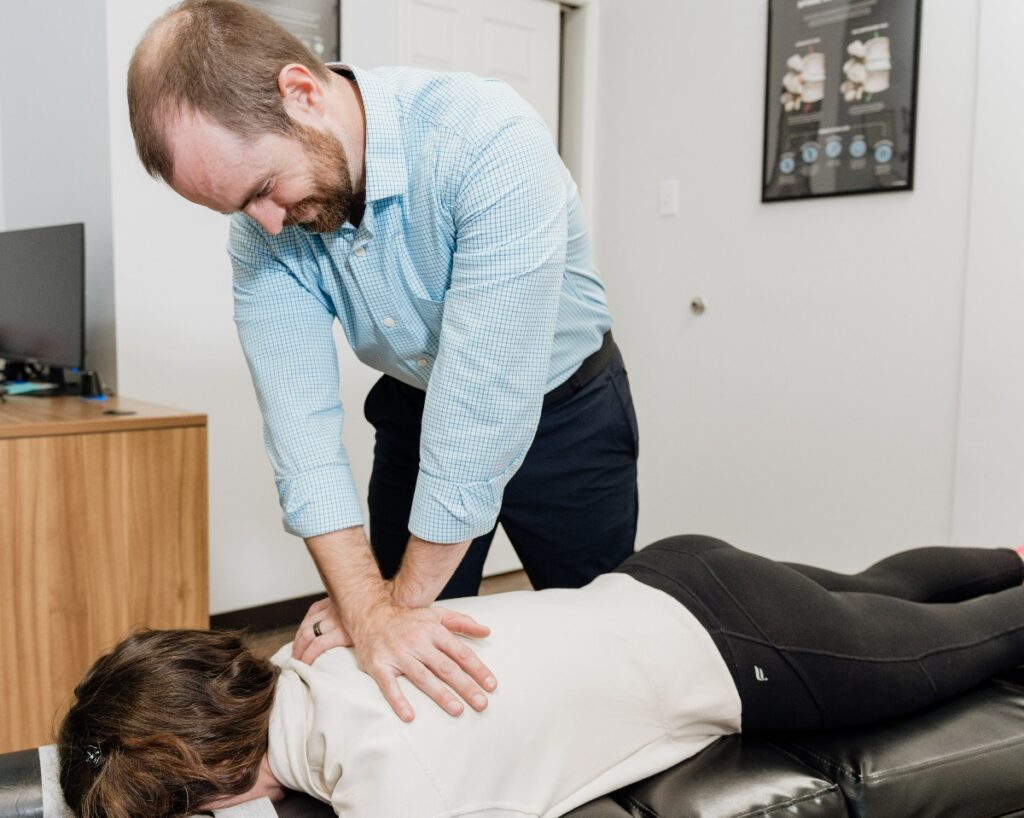

Chronic tension headaches can be both frustrating and debilitating, but chiropractic care offers a natural and effective approach to finding relief. By making simple adjustments to your daily routine and incorporating chiropractic techniques, you can significantly reduce the frequency and intensity of these headaches. From staying hydrated to maintaining good posture, each tip provides a manageable way to alleviate discomfort and promote overall wellness. Let’s explore these strategies so you can regain control of your health and improve your quality of life.
- Stay Hydrated: Dehydration can often lead to headaches. Aim to drink plenty of water throughout the day. Proper hydration supports spinal health and helps maintain your body’s natural balance.
- Practice Good Posture: Poor posture can contribute to tension in the neck and shoulders. Keep your spine aligned whether you’re sitting at a desk or standing. Regular chiropractic adjustments can help correct posture issues and alleviate tension.
- Incorporate Regular Chiropractic Care: Visiting your chiropractor regularly can help address underlying spinal misalignments that may be contributing to your headaches. Chiropractic adjustments can relieve tension in the muscles and improve spinal function.
- Manage Stress: Find effective ways to cope with stress, such as meditation, deep breathing exercises, or yoga. These practices can help relax your mind and body, reducing the strain on your spine and neck.
- Get Moving: Regular physical activity helps improve circulation and relieve muscle tension. Gentle exercises like walking or stretching can make a big difference in how you feel.
- Create a Comfortable Workspace: If you spend long hours at a desk, ensure your workspace is ergonomically friendly. Adjust your chair, monitor, and keyboard to promote good posture and reduce strain on your back and neck.
- Take Breaks: Don’t forget to take regular breaks during long periods of work or screen time. Stand up, stretch, or take a short walk to relieve tension and reset your posture.
- Sleep Well: Make sure you’re getting quality sleep. A supportive mattress and pillow can help maintain proper spinal alignment while you rest, reducing the likelihood of morning headaches.
- Limit Caffeine and Alcohol: Both substances can contribute to dehydration and may trigger headaches in some individuals. Moderation is key, so be mindful of your consumption.
- Explore Relaxation Techniques: Consider trying techniques like massage therapy or acupuncture, which can complement chiropractic care. These therapies can help relax tight muscles and promote healing.
By incorporating these tips into your daily routine and prioritizing chiropractic care, you can take significant steps towards reducing chronic tension headaches and enhancing your overall well-being. Remember, your chiropractor is here to support you on your journey to optimal health!
Key Takeaways
- Stay hydrated by drinking at least eight 8-ounce glasses of water daily. Incorporating high-water-content fruits and vegetables into your diet can also help keep you hydrated, which is essential for overall health and can support spinal function.
- Focus on maintaining good posture. Aligning your head with your spine while sitting or standing can greatly reduce muscle strain and prevent tension headaches. Consider using ergonomic furniture, which is designed to support your spine and promote healthy alignment.
- Engage in regular exercise, aiming for at least 30 minutes most days. Gentle stretching can be particularly beneficial for relieving tension in your muscles. Chiropractic care can also enhance your exercise routine by ensuring your spine is properly aligned and functioning optimally.
- Implement effective stress management techniques. Mindfulness, relaxation breaks, and connecting with support networks can help you cope with stress triggers that may lead to headaches. Chiropractic care can also assist with stress relief by addressing misalignments in your spine that contribute to tension.
- Establish a consistent sleep schedule and optimize your sleeping environment. Quality sleep is crucial for reducing headache frequency. A well-aligned spine can improve your sleep quality, making chiropractic adjustments a great addition to your wellness routine.
By focusing on these natural methods and incorporating chiropractic care into your life, you can achieve better health and find relief from chronic tension headaches. Remember, your spine plays a vital role in your overall well-being, and caring for it can lead to a happier, healthier you.
Stay Hydrated
Staying hydrated is a key component in maintaining overall health and can significantly help in preventing chronic tension headaches. When your body lacks sufficient water, dehydration can set in, which often leads to increased muscle tension and headaches. As a local chiropractor, I recommend aiming for at least eight 8-ounce glasses of water each day. If you’re active or exposed to hot weather, you may need to increase that amount even more.
Listening to your body’s signals is vital. Thirst is a clear indicator that your body needs more fluids. Incorporating fruits and vegetables that are high in water content, such as cucumbers and oranges, can also help you stay hydrated.
To make hydration easier, consider keeping a water bottle with you throughout the day. This serves as a gentle reminder to drink regularly. Additionally, setting reminders on your phone can help you stay on track. By prioritizing hydration, you’re not only working to reduce the frequency and severity of headaches, but you’re also supporting your overall health and well-being.
Practice Good Posture
Practicing good posture is crucial for preventing chronic tension headaches and promoting overall health and wellness. As a chiropractor, I’ve seen firsthand how poor posture can lead to unnecessary strain on your neck and back muscles, resulting in discomfort and pain. By making simple adjustments to your posture, you can alleviate tension and enhance your quality of life.
To maintain good posture, keep your shoulders relaxed and your head aligned with your spine. Picture a string gently pulling the crown of your head upward. This visualization can help you stand tall and maintain a natural alignment that supports your spine.
When sitting, ensure that your feet are flat on the ground, and your knees are bent at a right angle. Choose a chair that offers support for your lower back, promoting the natural curve of your spine. Additionally, adjust your computer screen to eye level to prevent tilting your head forward, which can contribute to neck strain.
When standing, remember to distribute your weight evenly across both feet and avoid locking your knees. This balanced stance not only supports your spine but also helps you feel more grounded and stable.
Incorporating these posture tips into your daily routine can greatly benefit your spinal health and overall well-being. If you’re experiencing pain or discomfort, consider visiting a chiropractor for a personalized assessment. Chiropractic care offers a natural approach to pain relief and wellness, helping you achieve optimal health without the need for medications or surgeries. Embrace good posture, and take the first step towards a healthier, more vibrant life!
Manage Stress Effectively
Managing stress effectively is crucial not just for your mental well-being, but also for preventing chronic tension headaches. When stress creeps in, it can lead to muscle tightness, discomfort, and pain. As a chiropractor, I want to help you find natural ways to alleviate this tension and improve your overall wellness.
Start by identifying what triggers your stress. Understanding these sources allows you to create practical strategies to tackle them head-on.
Incorporating mindfulness techniques, such as deep breathing exercises or meditation, can be very beneficial in calming your mind and easing muscle tension.
Make it a priority to carve out time in your day to relax and unwind, even if it’s just for a few moments. This could be as simple as taking a short walk, enjoying a cup of tea, or practicing gentle stretches that promote spinal health.
Don’t hesitate to lean on your support network. Talking with friends or family about your feelings can help lift your emotional burden. Remember, chiropractic care can also be a vital part of your support system. Regular adjustments can help relieve tension in your body, improve posture, and enhance your overall physical health.
Lastly, prioritize self-care by engaging in activities that bring you joy, such as reading, gardening, or listening to music. These enjoyable moments can significantly reduce stress levels and contribute to a healthier, happier you.
Incorporate Regular Exercise
Incorporating regular exercise into your routine can significantly alleviate chronic tension headaches, and as a chiropractor, I can’t stress enough how beneficial this can be for your overall health and wellness. Engaging in low-impact activities like walking or swimming not only promotes physical fitness but also helps in maintaining proper spinal alignment, which is crucial for preventing headaches.
Establishing a consistent exercise schedule can enhance your body’s natural healing abilities and reduce muscle tension, which often contributes to headaches. Additionally, focusing on flexibility training can improve your range of motion and relieve tight muscles in your neck and shoulders, common culprits of tension headaches.
Here are a few simple tips to get started:
- Choose Activities You Enjoy: Whether it’s a brisk walk in the park or a gentle swim, find what you love to keep you motivated.
- Stay Consistent: Aim for at least 30 minutes of exercise most days of the week. Consistency is key to reaping the benefits.
- Incorporate Stretching: Take 5-10 minutes to stretch your neck and shoulders during your workout to help alleviate tension.
- Listen to Your Body: Pay attention to how your body feels during and after exercise. If you experience pain, it might be worth consulting with a chiropractor to address any underlying issues.
Choose Low-Impact Activities
Regularly choosing low-impact activities can significantly aid in alleviating chronic tension headaches, and as a chiropractor, I encourage you to consider these natural methods for pain relief and overall wellness. Engaging in exercises such as walking, swimming, or cycling can help reduce strain on your body while still promoting essential movement. These activities enhance blood circulation and relieve muscle tension—both critical components in managing headaches.
What’s great about low-impact workouts is that they’re gentle on your body, making it easier to stick with them over time. Additionally, incorporating gentle stretching or yoga into your routine can boost flexibility and relaxation, which may further decrease the frequency of your headaches.
Consistency is key here! Aim for at least 30 minutes of these activities a few times a week, and always listen to your body’s signals. Remember, prioritizing low-impact exercises is a proactive step towards managing and relieving your chronic tension headaches naturally.
Don’t forget that regular chiropractic care can also play a vital role in your journey to optimal health. Adjustments can help realign your spine, improve nerve function, and promote relaxation, all of which can contribute to reducing headache symptoms. By combining low-impact exercises with chiropractic care, you’re not only addressing the symptoms but also supporting your overall well-being. Embrace these natural strategies for a healthier, pain-free life!
Establish a Consistent Routine
Establishing a consistent routine is vital for managing chronic tension headaches and promoting overall wellness. One of the best ways to support your health is by incorporating regular exercise into your daily life, which can significantly help alleviate symptoms. Aim for at least 30 minutes of moderate activity most days of the week. This doesn’t need to be overly strenuous; simple activities like walking, cycling, or swimming can work wonders for your body and mind.
By scheduling your workouts, you create a predictable pattern that your body can adapt to, which can greatly reduce stress levels—a common trigger for tension headaches. Remember to listen to your body and adjust the intensity of your activities as needed. Consistency is key; try to stick to the same times each day to make it easier to form lasting habits.
In addition to exercise, regular chiropractic care can play a crucial role in managing tension headaches. A chiropractor can help align your spine and relieve any tension that may be contributing to your discomfort. This natural approach not only promotes physical health but also enhances your overall well-being by addressing the root causes of pain.
Focus on Flexibility Training
As a chiropractor, I understand how frustrating chronic tension headaches can be. Alongside your regular physical activity, incorporating flexibility training into your routine can significantly enhance your ability to manage these headaches. Flexibility exercises and stretches are essential in releasing muscle tension and improving blood circulation, which can help alleviate headache symptoms naturally.
Here’s a handy reference table to help you get started on your flexibility journey:
| Flexibility Exercise | Benefit |
|---|---|
| Neck Stretches | Eases tension in the neck area |
| Shoulder Rolls | Relaxes tight shoulders |
| Cat-Cow Stretch | Boosts flexibility of the spine |
| Forward Bend | Stretches your back and hamstrings |
| Seated Twist | Improves spinal mobility |
By integrating these exercises into your daily routine, you can promote relaxation and help reduce the frequency of tension headaches. Remember to be consistent with your practice to see the best results!
Additionally, chiropractic care plays an important role in achieving optimal health. Regular adjustments can help align your spine, reduce tension, and improve overall well-being. So, if you’re looking for a natural approach to pain relief and wellness, consider visiting your local chiropractor. Together, we can work towards a healthier, headache-free life!
Use Heat or Cold Therapy
When you’re experiencing chronic tension headaches, incorporating heat or cold therapy can be an effective way to find relief. As a chiropractor, I often emphasize the importance of natural methods for pain management, and these therapies can complement your overall wellness strategy.
Using heat can be particularly beneficial for relaxing tense muscles and improving blood circulation, which may help ease your headache. You might consider using a heating pad, a warm towel, or enjoying a hot shower. Just ensure that whatever you use is comfortably warm—not too hot—to prevent burns.
Conversely, cold therapy can numb the affected area and reduce inflammation, which is another way to combat headaches. A cold pack or a bag of ice wrapped in a cloth can be applied to your forehead or the back of your neck for 15-20 minutes at a time.
It’s worth experimenting with both heat and cold to see which method works best for you. I always advise my patients to listen to their bodies—if one technique doesn’t provide the relief you need, don’t hesitate to try the other.
Beyond these therapies, consider regular chiropractic adjustments as part of your routine to address the underlying causes of tension headaches. Chiropractic care focuses on the spine and nervous system, promoting overall health and wellness. By maintaining proper spinal alignment, you can help reduce the frequency and intensity of headaches over time.
Get Adequate Sleep
Getting enough sleep is crucial for managing chronic tension headaches, and as a chiropractor, I want to emphasize the importance of a holistic approach to your health. Establishing a consistent sleep routine, optimizing your sleep environment, and limiting screen time before bed can significantly enhance your overall rest quality.
Here are some practical tips to help you improve your sleep and reduce headache frequency:
- Create a Sleep Schedule: Going to bed and waking up at the same time every day helps regulate your body’s internal clock. This consistency can lead to deeper, more restorative sleep.
- Optimize Your Sleep Environment: Make your bedroom a sanctuary for rest. Keep it dark, quiet, and cool. Comfortable pillows and a supportive mattress can also make a big difference in how well you sleep.
- Limit Screen Time: The blue light emitted by screens can interfere with your ability to fall asleep. Try to turn off electronic devices at least an hour before bedtime and consider reading a book or practicing relaxation techniques instead.
- Incorporate Gentle Stretching: Before bed, gentle stretches can help relieve tension in your neck and back, potentially reducing headache triggers. This is where chiropractic care can support you further by addressing any underlying spinal issues that may contribute to tension headaches.
- Stay Hydrated: Dehydration can lead to headaches. Make sure you’re drinking enough water throughout the day, but try to limit fluid intake close to bedtime to avoid waking up during the night.
- Seek Chiropractic Care: Regular chiropractic adjustments can help ensure proper spinal alignment, which is essential for overall wellness. A healthy spine promotes better sleep and can reduce the frequency and intensity of tension headaches.
Establish a Sleep Routine
Establishing a consistent sleep routine is essential for managing chronic tension headaches and promoting overall wellness. By going to bed and waking up at the same time every day, you help your body recognize when it’s time to rest, thereby regulating your internal clock. This consistency can significantly improve the quality of your sleep, which is crucial for recovery. Aim for seven to nine hours of restorative sleep each night to ensure your body has the opportunity to heal and rejuvenate.
To further enhance your sleep quality, it’s wise to avoid large meals, caffeine, and electronic devices close to bedtime, as these can disrupt your sleep cycle. Instead, consider incorporating relaxing activities into your evening routine, such as reading a book or practicing gentle stretching. These simple actions can help ease tension, especially in your neck and back, which is beneficial for headache relief.
In addition to establishing a sleep routine, chiropractic care can play a vital role in alleviating tension headaches. Regular chiropractic adjustments can improve spinal alignment, reduce muscle tension, and enhance overall nervous system function. This holistic approach not only addresses the source of your headaches but also supports your body’s natural healing process.
Optimize Sleep Environment
Creating a sleep-friendly environment is essential for your overall health and well-being, especially if you’re dealing with chronic tension headaches. As a chiropractor, I can’t stress enough how important quality sleep is for your spinal health and pain management.
Here are some simple tips to help you optimize your sleep environment:
- Control the Light: Make your bedroom as dark as possible. Use blackout curtains or an eye mask to block out any light that might disrupt your sleep. Darkness signals your body that it’s time to rest and helps promote deeper sleep.
- Minimize Noise: A quiet space is key to restful sleep. Consider using earplugs or a white noise machine to mask any disruptive sounds around you. This can create a peaceful atmosphere conducive to relaxation.
- Comfort is Key: Invest in a quality mattress and pillows that support your preferred sleeping position. Proper spinal alignment during sleep is crucial for reducing tension and preventing headaches.
- Declutter for Calm: Keep your bedroom tidy and free from clutter. A calm environment can help ease your mind, allowing you to relax and prepare for sleep.
- Temperature Matters: Maintain a comfortable room temperature, ideally between 60-67°F (15-19°C). A cooler environment helps your body naturally fall asleep and stay asleep.
- Soothing Scents: Consider using calming scents, such as lavender, to create a relaxing atmosphere. Aromatherapy can help you unwind and signal to your body that it’s time to rest.
By optimizing your sleep environment, you’re not just improving your sleep quality; you’re also taking an important step toward reducing headache frequency and improving your chiropractic care outcomes.
Limit Screen Time
To effectively manage tension headaches, it’s essential to limit your screen time, especially in the evening. Prolonged use of screens can strain your eyes and disrupt your sleep, which may lead to heightened tension and headaches. As a chiropractor, I recommend setting a daily limit on your screen use, particularly in the hour before bedtime.
Instead of scrolling through social media or binge-watching your favorite shows, opt for more relaxing activities like reading a book or practicing gentle stretching exercises. These alternatives can help your mind and body unwind, promoting a more restful night’s sleep—an important factor in relieving headaches.
If you do need to use screens, consider adjusting the brightness and using blue light filters to minimize eye strain. Remember, a good night’s sleep is crucial for your overall well-being and can significantly reduce headache occurrences.
Incorporating these simple changes into your daily routine can lead to noticeable improvements in your health. And don’t forget, regular chiropractic care can also help alleviate tension headaches by addressing any spinal misalignments that may be contributing to your discomfort.
Limit Caffeine and Alcohol
Often overlooked, reducing caffeine and alcohol can significantly alleviate the frequency and intensity of chronic tension headaches. These substances can have a surprising impact on your body, and cutting back might lead to notable relief.
Here are some simple steps to help you get started:
- Track Your Intake: Begin by keeping a record of how much caffeine and alcohol you consume each day. You may be surprised at the total!
- Reduce Gradually: If you tend to rely heavily on these substances, consider tapering off gradually. This approach allows your body to adjust without the discomfort of withdrawal headaches.
- Explore Alternatives: Swap out caffeinated beverages for herbal teas or plain water. Not only will this keep you hydrated, but it can also help minimize headaches and support your overall wellness.
- Set a Reasonable Limit: Aim for just one cup of coffee each day and reserve alcohol for special occasions. This balanced approach can improve your well-being and help maintain a clear mind.
By making these adjustments, you may find yourself feeling more comfortable and less tense.
Consider Over-the-Counter Medications
Reducing caffeine and alcohol can be a great first step in addressing chronic tension headaches. However, instead of turning to over-the-counter medications for relief, consider how chiropractic care can help you find a more natural solution. Chiropractic adjustments focus on aligning the spine and improving overall nervous system function, which can play a significant role in alleviating headache pain.
Regular chiropractic visits can help relieve tension in the neck and shoulders, which are common culprits behind tension headaches. By improving spinal alignment and reducing muscle tension, chiropractic care addresses the root cause of your headaches rather than just masking the symptoms.
In addition to chiropractic adjustments, there are other natural methods you can explore. Maintaining good posture throughout the day, staying hydrated, and incorporating relaxation techniques such as deep breathing or yoga can all contribute to reducing headache frequency and intensity.
If you experience chronic tension headaches, it’s important to consult with a chiropractor who can guide you through a personalized care plan. They can provide insights on lifestyle changes that support overall wellness and help you achieve lasting relief without relying on medications. Remember, taking a holistic approach to your health can lead to better outcomes and a higher quality of life.
Explore Alternative Therapies
Have you considered exploring chiropractic care for your chronic tension headaches? This natural approach can provide relief and may even complement your current wellness routine. Many find that addressing the root causes of their headaches through spinal health leads to significant comfort and improved quality of life.
Here are some ways chiropractic care can help:
- Spinal Adjustments: A chiropractor can assess your spine and make precise adjustments to relieve tension in the neck and upper back, which may be contributing to your headaches.
- Posture Correction: Poor posture can lead to muscle strain and headaches. A chiropractor can help you improve your posture, reducing the frequency and intensity of headaches.
- Lifestyle and Ergonomic Advice: Your chiropractor can provide tips on how to adjust your workspace or daily activities to minimize strain on your body, which can help prevent headaches.
- Stress Management Techniques: Chiropractic care often includes advice on stress reduction methods like breathing exercises and gentle stretches that can alleviate tension and promote relaxation.
Keep a Headache Diary
Keep a Headache Diary for Natural Relief
Tracking your headaches can be a transformative way to uncover their triggers and patterns. By maintaining a headache diary, you’ll not only identify what’s contributing to your discomfort but also empower yourself to take proactive steps toward natural relief. This approach aligns beautifully with the principles of chiropractic care, which focuses on holistic wellness and the body’s innate ability to heal.
In your diary, jot down the date, duration, intensity, and any potential triggers such as food, stress, or changes in sleep. This information is invaluable in understanding how your lifestyle impacts your headaches and can guide you in making healthier choices.
Here’s a simple format to get you started:
| Date | Trigger | Intensity (1-10) |
|---|---|---|
| 2023-10-01 | Stress from work | 7 |
| 2023-10-02 | Skipped breakfast | 5 |
| 2023-10-03 | Weather changes | 6 |
| 2023-10-04 | Dehydration | 8 |
Reviewing your entries regularly helps you spot patterns. This insight can facilitate a more informed discussion with your chiropractor, who can help tailor a treatment plan that emphasizes natural healing methods such as spinal adjustments, lifestyle modifications, and stress management techniques.
In addition to keeping a diary, consider these general tips for headache relief:
- Stay Hydrated: Dehydration is a common trigger. Aim to drink plenty of water throughout the day.
- Maintain Regular Meals: Skipping meals can lead to headaches. Try to eat balanced meals at consistent times.
- Manage Stress: Practice relaxation techniques such as deep breathing, yoga, or meditation to help reduce stress levels.
- Improve Sleep Hygiene: Ensure you’re getting quality sleep by maintaining a regular sleep schedule and creating a restful environment.
- Posture Check: Poor posture can contribute to headaches. Be mindful of your sitting and standing posture, especially while working.
Conclusion
By embracing these strategies, you can effectively manage your chronic tension headaches and enhance your overall well-being. Staying well-hydrated, maintaining good posture, and managing stress levels are key components to alleviating headache discomfort. Regular exercise is vital, as it not only strengthens your body but also promotes better spinal health, which is crucial for preventing headaches.
Incorporating heat or cold therapy can provide relief, while being mindful of caffeine and alcohol intake can help minimize triggers. Keeping a headache diary allows you to track patterns and identify specific triggers, empowering you to make informed lifestyle choices.
Exploring alternative therapies, such as chiropractic care, can be a game changer for those seeking natural relief from headaches. Chiropractic adjustments focus on aligning the spine, which can alleviate tension and improve overall nervous system function. This holistic approach promotes natural healing and long-term wellness without the need for medications or invasive procedures.
If your headaches persist, consider consulting a chiropractor who can assess your individual situation and provide tailored care to support your journey to optimal health. Remember, taking proactive steps toward your health can lead to a more vibrant and pain-free life.