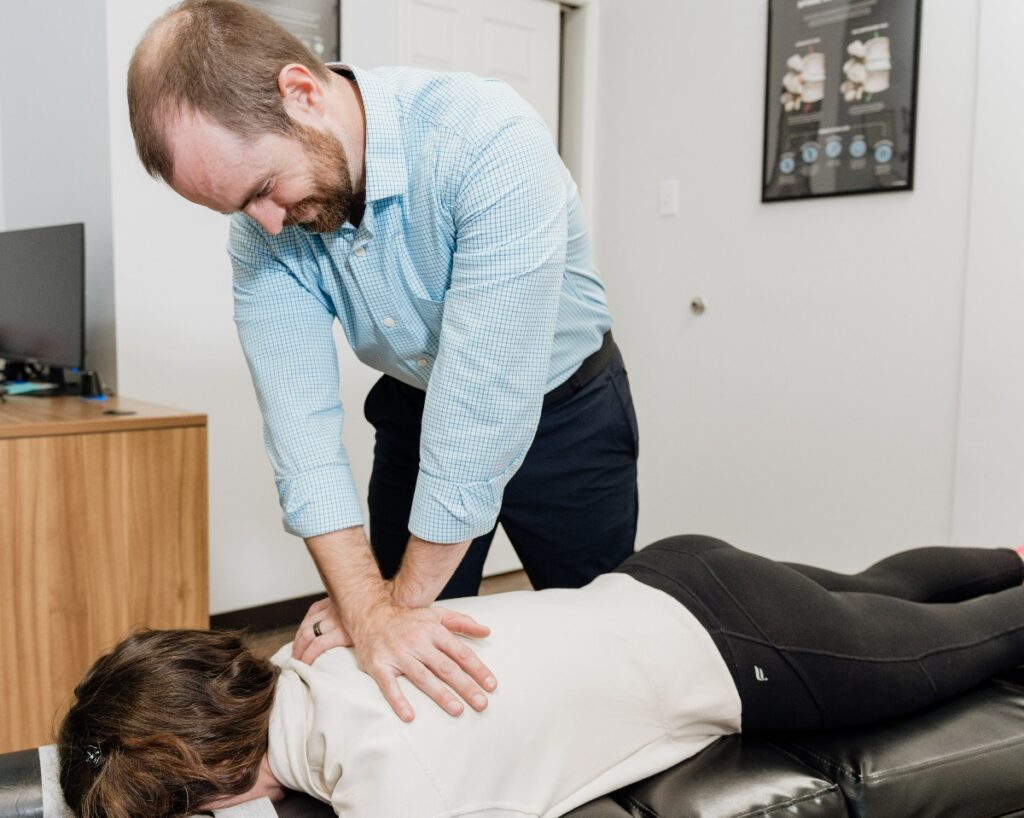

If you’re looking to enhance your mobility and flexibility, embracing some straightforward strategies can make a world of difference. You may be surprised to discover that small adjustments in your daily routine can lead to significant improvements in how you move and feel. As a chiropractor, I believe that optimal health is achievable through natural methods, and chiropractic care plays a crucial role in this journey.
From engaging in dynamic warm-ups to incorporating effective post-workout routines, every aspect contributes to your overall performance and recovery. Here are seven valuable tips that can help you improve your mobility and flexibility naturally:
- Regular Chiropractic Adjustments: One of the best ways to maintain proper spinal alignment and enhance your range of motion is through regular chiropractic care. This not only helps alleviate pain but also promotes better mobility.
- Dynamic Warm-Ups: Before any physical activity, engage in dynamic stretches that mimic the movements you plan to perform. This prepares your muscles and joints, preventing injury and enhancing flexibility.
- Incorporate Stretching: Post-exercise stretching is essential. Focus on static stretches that target the major muscle groups, holding each stretch for at least 20-30 seconds to improve flexibility.
- Stay Active Throughout the Day: Incorporate movement into your daily routine. Simple activities like walking, standing up regularly, or doing light stretches can keep your muscles engaged and improve overall mobility.
- Hydration and Nutrition: Drinking plenty of water and eating a balanced diet rich in vitamins and minerals supports muscle function and recovery. Proper hydration helps keep your joints lubricated and your muscles functioning optimally.
- Mind-Body Practices: Consider incorporating yoga or Pilates into your routine. These practices promote flexibility, strength, and balance, while also encouraging mindfulness and relaxation.
- Listen to Your Body: Pay attention to how your body feels during movement. If you experience pain or discomfort, it may be a sign to consult with a chiropractor. They can provide personalized advice and adjustments to help you move more freely.
By integrating these tips into your lifestyle, you’ll not only enhance your mobility and flexibility but also support your overall health in a natural way. Remember, chiropractic care is a powerful tool in achieving and maintaining optimal health. So, take these suggestions to heart and start your journey toward a more flexible, pain-free life today!
Key Takeaways
7 Tips for Enhanced Mobility and Flexibility through Chiropractic Care
- Dynamic Stretching Before Workouts: Start your exercise routine with dynamic stretching. This not only increases blood flow but also prepares your muscles for intense activities. By incorporating these stretches, you can enhance your range of motion, making your chiropractic adjustments more effective.
- Static Stretching Post-Exercise: After working out, take the time to engage in static stretching. This practice is essential for improving flexibility and aiding recovery in major muscle groups. Remember, a well-aligned spine can further support these efforts, enhancing your overall mobility.
- Strength Training for Stability: Regular strength training is vital for enhancing muscle strength and joint stability. By building a strong foundation, you can better support your spine and improve your overall mobility. Consider discussing personalized strength training plans with your chiropractor to ensure they align with your body’s specific needs.
- Foam Rolling for Relief: Utilize foam rolling techniques to relieve muscle tightness and improve movement quality. This practice can complement your chiropractic care by preparing your muscles for adjustments and helping to maintain the benefits of your treatment.
- Hydration and Nutrition for Muscle Function: Staying hydrated and maintaining a balanced diet are crucial for supporting muscle function and overall health. Proper nutrition fuels your body and aids in recovery, allowing your chiropractic care to work more effectively.
- Regular Chiropractic Visits: Make chiropractic care a regular part of your wellness routine. Routine adjustments can help maintain proper spinal alignment, which is essential for optimal mobility and flexibility. Your chiropractor can also provide tailored advice on exercises that support your specific needs.
- Mindfulness and Body Awareness: Practice mindfulness and body awareness techniques. Being in tune with how your body feels can help you identify areas of tension or discomfort early on. Communicating these feelings with your chiropractor can lead to more effective treatments and improved overall wellness.
By focusing on these tips and incorporating chiropractic care into your health routine, you can enhance your mobility and flexibility naturally. Remember, a well-aligned spine is key to maintaining an active and pain-free lifestyle!
Prioritize Dynamic Stretching Before Workouts
Before you jump into your workout, it’s essential to prioritize dynamic stretching, as it can significantly enhance your performance and is a fantastic way to prepare your body. Dynamic stretching involves moving your limbs through their full range of motion, which helps get your muscles and joints ready for the physical activity ahead. Rather than holding stretches, you’ll engage in movements such as leg swings, arm circles, and walking lunges. These exercises not only increase blood flow and elevate your heart rate but also improve your overall mobility.
Incorporating dynamic stretching into your routine can help prevent injuries by warming up your muscles, which is especially important for maintaining a healthy spine. As a chiropractor, I can’t stress enough how vital it’s to keep your body flexible and mobile. Dynamic stretching primes your body for high-intensity workouts, ensuring you’re prepared to tackle any challenge that comes your way. When you make this a regular part of your routine, you’ll likely notice improvements in your strength and endurance as your body adapts to these movements.
Take a few moments before your workouts to prioritize dynamic stretching. Not only will you feel the difference in your performance, but you’ll also make your exercise routine more effective and enjoyable. Remember, keeping your spine and body healthy through natural methods like dynamic stretching and chiropractic care can lead you to optimal health and pain relief. So, embrace these simple yet effective practices to support your wellness journey!
Incorporate Static Stretching Post-Exercise
After your workout, incorporating static stretching can significantly improve your flexibility and support your recovery, which is essential for maintaining a healthy spine and overall well-being.
Focusing on effective techniques that target your major muscle groups can help prevent injuries and enhance your body’s natural healing processes.
Static stretching isn’t just about flexibility; it’s also a great way to relax your muscles after exertion, making it an excellent complement to chiropractic care.
By taking the time to stretch, you can reduce muscle tension and promote better alignment of your spine, which is crucial for optimal health.
Here are some general tips for incorporating static stretching into your post-exercise routine:
- Stretch Major Muscle Groups: Focus on areas that often tighten during workouts, such as your hamstrings, quadriceps, back, and shoulders. These stretches can help alleviate tension and improve your range of motion.
- Hold Each Stretch: Aim to hold each stretch for about 15-30 seconds. This allows your muscles to relax and lengthen, enhancing flexibility over time.
- Breathe Deeply: Remember to breathe deeply while stretching. This not only helps you relax but also increases the oxygen flow to your muscles, aiding in recovery.
- Listen to Your Body: Pay attention to how your body feels during stretches. If you experience pain, ease up on the stretch. It’s important to stretch gently and avoid pushing yourself too hard.
- Consider Chiropractic Care: Regular visits to your chiropractor can complement your stretching routine by ensuring that your spine is aligned and functioning optimally. This can enhance the benefits of your stretching and overall wellness.
Incorporating these static stretching techniques into your post-exercise routine can help you recover effectively and support your journey toward better health and wellness.
Benefits of Static Stretching
While many people focus on dynamic movements before a workout, it’s equally important to incorporate static stretching after exercise. This practice not only enhances your physical well-being but also complements the benefits of chiropractic care.
Here are some key advantages of static stretching that align with achieving optimal health:
- Improves flexibility: Holding stretches helps lengthen your muscles, which can increase your overall range of motion. This is crucial for maintaining spinal health and preventing injuries.
- Reduces muscle tension: Static stretching is an excellent way to relax tight muscles. By releasing this tension, you may experience a greater sense of relief, which is essential for recovery and can enhance the benefits of chiropractic adjustments.
- Enhances recovery: After intense activity, static stretching can help reduce soreness and speed up recovery. This means you can return to your normal routine sooner, making it easier to maintain a healthy lifestyle.
- Promotes relaxation: Engaging in static stretching after a workout can lower stress levels and help you unwind. A relaxed body is better able to heal naturally, making this practice a perfect complement to chiropractic care.
Incorporating static stretching into your post-exercise routine is a simple yet effective way to support your overall health and wellness. Remember, maintaining flexibility and reducing muscle tension can significantly enhance the benefits of chiropractic treatments.
Recommended Stretching Techniques
Incorporating static stretching into your post-exercise routine can significantly enhance your recovery and flexibility, which is essential for maintaining a healthy spine and overall well-being.
After your workout, take a few moments to focus on major muscle groups to help alleviate tension and promote natural healing.
Start with your hamstrings: sit comfortably on the ground and gently reach for your toes. This stretch not only benefits your legs but also encourages proper alignment in your lower back.
Next, move to your quadriceps by standing on one leg and pulling your other foot toward your glutes. This stretch supports knee health, which is crucial for maintaining a stable spine.
Don’t forget to care for your shoulders, as they play a vital role in your upper body’s functionality. Cross one arm over your chest and gently press it with the opposite hand—this helps relieve tension and improve posture.
Finally, finish with calf stretches against a wall, which helps maintain good balance and supports your entire body.
As you stretch, remember to breathe deeply and listen to your body. Avoid pushing yourself beyond your comfort zone to prevent injury.
Regularly practicing these stretching techniques can complement your chiropractic care, leading to lasting improvements in your health and wellness.
Timing Your Stretching Routine
To maximize the benefits of your stretching routine and support your overall spinal health, timing is crucial. Incorporating static stretching after your exercise can enhance flexibility, promote recovery, and align with natural healing principles. Here’s how to effectively time your stretches for optimal wellness:
- Warm-Up First: Always start with a gentle dynamic warm-up. This gets your blood flowing and prepares your muscles for activity, which is essential for a healthy spine.
- Stretch After Workouts: Perform static stretches once your muscles are warm. This not only helps prevent injury but also improves flexibility, which is vital for maintaining a healthy posture and spine.
- Hold Each Stretch: Aim to hold each stretch for 15-30 seconds. This duration allows your muscles to relax and elongate, fostering better alignment and reducing tension that can contribute to discomfort.
- Listen to Your Body: It’s important to pay attention to how your body feels during stretching. If a stretch causes pain, ease off and adjust. This mindfulness can prevent injury and support your body’s natural healing processes.
By integrating these practices into your routine, you can enhance your overall health and well-being.
Engage in Regular Strength Training
Strength training is an excellent way to enhance your mobility and flexibility, helping make everyday movements feel easier and more efficient. When you incorporate regular strength training into your routine, not only will you strengthen your muscles, but you’ll also improve joint stability and elevate your overall physical performance. Remember, you don’t need to lift heavy weights; bodyweight exercises can be just as effective and are often safer for your spine.
As a chiropractor, I encourage you to consider how strength training can complement your chiropractic care, working together to promote natural healing and overall wellness. Here’s a simple table to help you get started with some effective exercises:
| Exercise | Sets | Reps |
|---|---|---|
| Squats | 3 | 10-15 |
| Push-ups | 3 | 8-12 |
| Lunges | 3 | 10-12 |
| Plank | 3 | 30s |
When selecting exercises, aim for a variety that targets different muscle groups to ensure a balanced approach. Try to include at least two sessions of strength training each week. Over time, you’ll likely notice improved flexibility and ease of movement, making your daily activities much more enjoyable.
In addition to strength training, it’s important to stay mindful of your posture and body mechanics during all activities. This not only helps prevent injuries but also supports your spine’s health. Consider integrating chiropractic adjustments into your wellness routine to further enhance your physical performance and promote natural healing.
Utilize Foam Rolling Techniques
Foam rolling can be a fantastic addition to your wellness routine, especially when paired with chiropractic care to enhance your overall mobility and flexibility.
This self-myofascial release technique is effective in relieving muscle tightness, which can complement your chiropractic adjustments for optimal results. Here are some simple tips to help you get started with foam rolling:
- Focus on Key Areas: Pay special attention to major muscle groups such as your quads, hamstrings, calves, and back. These areas often hold tension that can hinder your movement and overall well-being.
- Leverage Your Body Weight: Use your body weight to apply pressure while rolling. This allows you to control the intensity and find those tight spots that may need extra attention. Remember to roll slowly for the best results.
- Spend Sufficient Time: Aim to roll each muscle group for about 1-2 minutes. Take your time and don’t rush the process; this will help you reap the full benefits of foam rolling.
- Breathe and Relax: Deep breathing is crucial while foam rolling. It helps your muscles relax, allowing for a more effective release of tension. Incorporating this mindful practice can enhance your overall experience.
Adding foam rolling to your routine can significantly improve your flexibility and reduce muscle soreness, which is essential for maintaining a healthy body.
Coupled with regular chiropractic care, it can be a powerful way to support your mobility journey and promote natural healing. Remember, prioritizing your well-being through these practices can lead to a healthier, pain-free life.
Practice Yoga or Pilates
Incorporating practices like yoga or Pilates into your routine can significantly support your mobility and flexibility, complementing the benefits of chiropractic care.
Both disciplines focus on controlled movements and deep stretching, which can help to release tension in your muscles and improve your overall well-being. Regular practice may enhance your range of motion, making everyday activities feel easier and more fluid.
Yoga emphasizes breathing and mindfulness while promoting strength and balance.
You can explore various styles, each offering unique benefits that can aid in your journey towards better health. Pilates, on the other hand, focuses on core strength and stability, which is essential for supporting your spine and improving posture.
While these practices can be beneficial, it’s important to remember that chiropractic care is a key component of achieving optimal health.
A chiropractor can help address underlying issues in your spine and nervous system, providing pain relief and supporting your body’s natural healing process.
Here are some simple tips to keep in mind:
- Stay Consistent: Whether it’s yoga, Pilates, or your chiropractic adjustments, consistency is key to seeing improvements in your health.
- Listen to Your Body: Pay attention to how you feel during and after these practices. If you experience pain, consider discussing it with your chiropractor.
- Incorporate Stretching Daily: Even a few minutes of gentle stretching can help maintain flexibility and reduce tension.
- Focus on Your Breathing: Deep, controlled breathing can enhance relaxation and help you connect with your body during any physical activity.
- Make Chiropractic Care a Priority: Regular visits to your chiropractor can help ensure that your spine is aligned and functioning well, which in turn supports your mobility and overall health.
Maintain Good Hydration and Nutrition
Maintaining good hydration and nutrition is vital for your overall health, especially when it comes to supporting your flexibility and mobility. As a chiropractor, I believe that proper nourishment can significantly enhance your well-being and spinal health. Here are some straightforward tips to help you stay hydrated and nourished:
- Drink Plenty of Water: Aim for at least eight 8-ounce glasses of water a day, or even more if you’re active. Staying hydrated is crucial for your muscles and joints to function optimally, which can alleviate discomfort and enhance your chiropractic adjustments.
- Incorporate Healthy Fats: Foods like avocados, nuts, and olive oil aren’t just delicious; they can also help reduce inflammation in your body. This is particularly beneficial for maintaining healthy joints, which supports your spine’s alignment and overall function.
- Focus on Lean Proteins: Incorporating lean proteins like chicken, fish, and legumes into your diet provides the essential amino acids your body needs for muscle repair and growth. Strong muscles are integral to supporting your spine and maintaining good posture.
- Eat a Variety of Fruits and Vegetables: These powerhouses are rich in vitamins and minerals that support your body’s functions and can help reduce stiffness. A colorful plate not only nourishes your body but also complements your chiropractic care by promoting overall health.
Focus on Consistency and Routine
To enhance your mobility and flexibility, establishing a consistent routine is essential. Incorporating chiropractic care into your wellness plan can significantly support your journey toward improved movement and overall health.
Regular adjustments help align your spine, reduce tension, and promote better function in your body.
As you track your progress, you’ll not only notice the physical improvements but also understand where to focus your efforts. Staying committed to your chiropractic visits and at-home exercises will yield noticeable results over time.
Here are some simple tips to help you maintain your routine:
- Schedule Regular Appointments: Make chiropractic visits a non-negotiable part of your wellness routine, similar to going to the gym or eating healthy meals.
- Set Daily Reminders: Use your phone or calendar to remind you to perform stretching exercises or mobility routines that complement your chiropractic care.
- Stay Engaged: Keep a journal of your progress, noting how you feel after each adjustment or when practicing your mobility exercises. This can motivate you and provide insight into your journey.
- Practice at Home: Incorporate gentle stretches and mobility work into your daily life. Simple exercises can be done while watching TV or during breaks at work.
- Ask Questions: Don’t hesitate to inquire about specific stretches or exercises during your chiropractic visits. Your chiropractor can provide personalized advice to enhance your routine.
Establish a Schedule
While it might be tempting to skip a workout when life gets busy, establishing a consistent schedule is key to enhancing your mobility and flexibility, both of which are essential for overall spinal health.
By integrating flexibility training into your routine, you’ll experience improvements more quickly and stay motivated to maintain your wellness journey. Here are four helpful tips to create a schedule that works for you, ensuring you can move freely and comfortably:
- Choose specific days and times: Just like scheduling an appointment with your chiropractor, set aside dedicated time for your workouts. This commitment allows your body to adapt and flourish.
- Start small: If you’re new to flexibility training, don’t overwhelm yourself. Begin with shorter sessions to ease your body into the new routine, and gradually increase the duration as your flexibility and comfort improve.
- Mix it up: Keep your routine interesting by incorporating a variety of activities like yoga, gentle stretching, and dynamic movements. This variety not only keeps you engaged but also ensures that different muscle groups and joints are benefiting.
- Stay accountable: Consider joining a class or partnering with a friend for support. This can help you stay committed to your schedule while making the process more enjoyable.
Remember, chiropractic care can play a vital role in your overall wellness.
Regular adjustments help improve your range of motion, relieve tension, and support your flexibility goals. By combining chiropractic care with a consistent flexibility training schedule, you’re taking significant steps toward achieving optimal health naturally.
Track Your Progress
Keeping a consistent schedule is just the first step; tracking your progress is essential for maintaining motivation and ensuring you’re on the right path to optimal health. Regularly noting your achievements helps you recognize how far you’ve come and identify areas for improvement.
Consider using a simple table to monitor your flexibility and mobility exercises, which can complement your chiropractic care and enhance your overall wellness:
| Date | Exercise | Duration/Notes |
|---|---|---|
| 2023-10-01 | Forward Bend | 15 minutes, felt good |
| 2023-10-02 | Side Stretch | 10 minutes, slight discomfort |
| 2023-10-03 | Hip Openers | 20 minutes, improved range |
| 2023-10-04 | Seated Twist | 15 minutes, easy to do |
| 2023-10-05 | Shoulder Stretch | 10 minutes, no issues |
Review your entries weekly to identify patterns and adjust your routine. This practice not only helps maintain flexibility but also supports the alignment of your spine, which is crucial for pain relief and overall health.
Remember that consistency leads to progress! By incorporating these exercises into your routine, you can enhance your chiropractic care, reduce discomfort, and promote natural healing, paving the way for a healthier, more vibrant life. Always consult with your chiropractor for personalized advice and adjustments to your exercise plan that align with your unique health needs.
Conclusion
By prioritizing dynamic stretching before your workouts and incorporating static stretching afterward, you can significantly enhance your mobility and flexibility. While these practices are beneficial, it’s important to remember that chiropractic care is a powerful ally in achieving optimal health and wellness. Regular chiropractic adjustments can help ensure that your spine is aligned properly, which can improve your overall movement and reduce any discomfort you may experience during physical activities.
In addition to chiropractic care, consider adding regular strength training and foam rolling into your routine. These practices can help release tight muscles and improve your range of motion. Activities like yoga or Pilates can also be beneficial, as they enhance your posture and stability, further supporting your spine’s health.
Hydration is key; make sure to drink plenty of water and nourish your body with anti-inflammatory foods, such as fruits, vegetables, and healthy fats. These choices can work synergistically with chiropractic care to promote healing and reduce inflammation in your body.
Most importantly, maintaining a consistent routine, including regular visits to your chiropractor, will help you achieve lasting results. By incorporating these tips into your lifestyle, you’ll not only feel more agile but also empower your body to perform at its best. Remember, chiropractic care is a natural way to support your health and wellness journey!