
If you’re dealing with chronic tension headaches, you might be pleasantly surprised to discover that effective relief often goes beyond just medication. As a chiropractor, I believe that simple adjustments to your daily habits and lifestyle can have a significant impact on the frequency and intensity of your headaches.
One of the primary factors contributing to tension headaches is poor posture. By being mindful of your posture while sitting, standing, or working at a desk, you can alleviate unnecessary strain on your neck and spine, which can lead to headache relief. Incorporating regular stretching and strengthening exercises can also help improve your posture and reduce tension in your muscles.
Additionally, exploring mindfulness techniques such as deep breathing or meditation can be beneficial. These practices can help calm your mind and body, reducing stress levels that often trigger headaches.
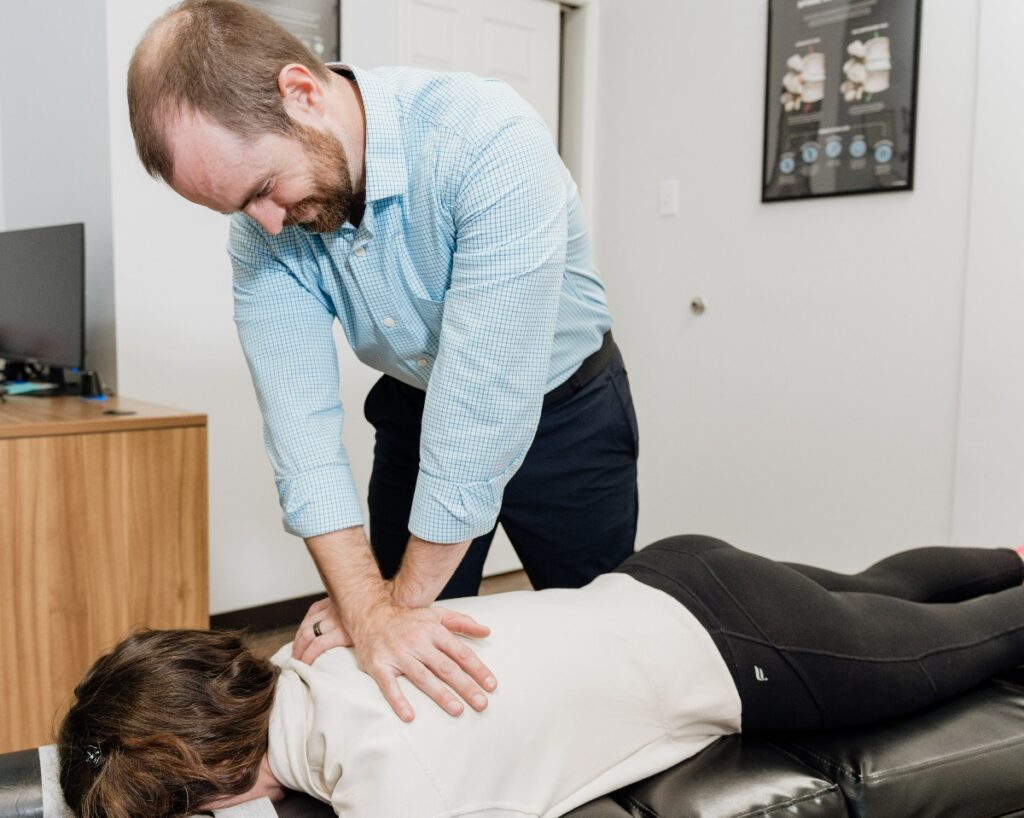
Chiropractic care is another excellent avenue for managing and preventing tension headaches. Regular adjustments can help realign your spine, relieve muscle tension, and improve overall function. This holistic approach not only addresses the symptoms but also targets the underlying causes of your headaches.
Here are some general tips you can incorporate into your routine:
- Take frequent breaks from screens and practice eye exercises to reduce strain.
- Stay hydrated throughout the day, as dehydration can contribute to headaches.
- Maintain a regular sleep schedule to ensure you’re well-rested.
- Incorporate relaxation techniques into your daily life.
Curious about how these unexpected methods can transform your experience? Let’s explore how chiropractic care and simple lifestyle changes can make a significant difference in managing your headaches and achieving optimal health.
Key Takeaways
- Incorporate mindfulness and meditation practices, such as deep breathing and guided imagery, to reduce stress and alleviate headache tension. These techniques can help calm your mind and create a positive environment for healing, which is essential for overall wellness.
- Stay properly hydrated by drinking plenty of water and incorporating hydrating foods into your diet. Dehydration can lead to headaches, and maintaining good hydration supports your spinal health and overall body function.
- Pay attention to your workspace ergonomics and posture. A well-set-up workspace and mindful posture can help minimize neck and back strain, which are often linked to tension headaches. Simple adjustments like keeping your screen at eye level and using supportive chairs can make a significant difference.
- Regular physical activity, such as walking or stretching, is beneficial for releasing endorphins and improving circulation. This not only helps reduce the frequency of headaches but also supports your spinal health and overall well-being.
- Consider chiropractic care as a natural solution for addressing spinal misalignments that may contribute to tension headaches. Chiropractic adjustments can promote relaxation, improve nerve function, and help your body heal itself, making it a fantastic option for pain relief and enhanced quality of life.
By prioritizing these strategies, you can support your health and well-being while minimizing the discomfort of chronic tension headaches. Remember, chiropractic care is a holistic approach that addresses the root causes of pain, helping you achieve optimal health naturally.
Understanding Chronic Tension Headaches
Chronic tension headaches can be incredibly frustrating and debilitating, especially when they interfere with your daily life. These headaches often present as a dull, aching pain that feels like a tight band around your head. They can last for hours or even days, making it tough to focus or enjoy activities you love.
As a chiropractor, I want to emphasize that understanding the triggers of your headaches is key to finding relief. Common culprits include poor posture, lack of sleep, and eye strain from spending too much time in front of screens. By addressing these issues, you can significantly reduce the frequency and intensity of your headaches.
Emotional factors, such as anxiety and frustration, can also play a role in tension headaches. It’s important to recognize these triggers so you can take steps toward managing them effectively.
Chiropractic care is an excellent way to tackle the root causes of chronic tension headaches. Regular adjustments can help improve your posture, relieve tension in your neck and shoulders, and promote overall spinal health. By aligning your spine, you can enhance your body’s ability to heal naturally and reduce pain.
Here are some general tips to help manage and prevent tension headaches:
- Maintain Good Posture: Be mindful of your posture, especially when sitting at a desk or using your phone. Keeping your spine aligned can help prevent tension.
- Stay Hydrated: Dehydration can contribute to headaches. Make sure you’re drinking enough water throughout the day.
- Take Breaks: If you work on a computer, take regular breaks to rest your eyes and stretch your body. This can help alleviate strain.
- Practice Relaxation Techniques: Stress management techniques like deep breathing, yoga, or meditation can help reduce the emotional factors that contribute to headaches.
- Get Enough Sleep: Aim for consistent and restorative sleep to support your overall health.
If you’re struggling with chronic tension headaches, consider visiting a chiropractor. We can work together to develop a personalized plan to help you achieve optimal health and wellness, naturally. Remember, your body has an amazing ability to heal itself, and chiropractic care can support this process.
The Role of Stress Management Techniques
Managing stress is crucial for alleviating chronic tension headaches, and as a local chiropractor, I want to emphasize the importance of a holistic approach to wellness. By focusing on natural healing methods, you can effectively reduce tension and improve your overall health. Techniques such as mindfulness, meditation, deep breathing, and regular physical activity can significantly contribute to easing your headaches.
Incorporating these practices into your daily routine can help you find relief from pain while also promoting a healthier lifestyle. Additionally, chiropractic care plays a vital role in managing stress and tension. By addressing spinal alignment and ensuring proper nervous system function, chiropractic adjustments can enhance your body’s natural ability to cope with stress, leading to fewer headaches and a greater sense of well-being.
Here are some simple tips you can take away to help manage stress and headaches:
- Mindfulness and Meditation: Set aside a few minutes each day to practice mindfulness or meditation. This can help clear your mind and reduce stress levels.
- Deep Breathing: When you feel tension building, take a moment to practice deep breathing. Inhale deeply through your nose, hold for a few seconds, and exhale slowly through your mouth.
- Stay Active: Regular physical activity, such as walking or yoga, can promote relaxation and release endorphins, which are natural pain relievers.
- Chiropractic Care: Consider regular visits to your chiropractor. Adjustments can help improve spinal alignment, reduce tension in your body, and enhance your overall health.
- Hydration and Nutrition: Stay hydrated and eat a balanced diet rich in fruits, vegetables, and whole grains to support your body’s ability to handle stress.
Mindfulness and Meditation Practices
Stress often leads to chronic tension headaches, but there are natural ways to find relief. As a chiropractor, I believe incorporating mindfulness and meditation practices can significantly ease your symptoms. These techniques help you focus your mind, reduce stress, and relieve tension that contributes to headaches. By setting aside just a few minutes each day, you can experience notable improvement in your comfort.
Here are some simple practices you can try:
- Body Scan Meditation: This involves tuning into your body and identifying areas of tension. By consciously relaxing those areas, you can release built-up stress.
- Guided Imagery: Picture yourself in a peaceful setting. This mental getaway can distract you from pain and promote a sense of calm.
- Mindful Breathing: Concentrate on your breath. This helps anchor your thoughts and brings a sense of grounding during stressful times.
- Loving-Kindness Meditation: This practice encourages you to cultivate compassion for yourself and others. By fostering a positive mindset, you can effectively combat stress.
Integrating these mindfulness techniques into your daily routine, alongside regular chiropractic care, can enhance your overall well-being and help reduce the frequency of headaches.
Deep Breathing Techniques
Practicing deep breathing techniques can be an effective part of your overall wellness routine, especially if you’re dealing with tension headaches. As a chiropractor, I believe in the power of natural methods to promote healing and relieve discomfort. Focusing on your breath not only calms your mind but also helps reduce muscle tension that can contribute to headaches.
To get started, find a comfortable position—whether sitting or lying down. Inhale deeply through your nose, allowing your abdomen to expand fully as you fill your lungs with air. Hold that breath for a count of four, allowing your body to absorb the oxygen. Then, exhale slowly through your mouth, letting go of any tension you might be holding. Repeat this cycle several times. You’ll likely notice how this simple practice can help clear your mind and ease anxiety.
Incorporating deep breathing into your daily routine can significantly impact your stress levels and may help alleviate the frequency and intensity of your headaches. Remember, regular chiropractic adjustments also play a crucial role in maintaining overall spinal health, which can complement these breathing exercises. By aligning your spine, you can enhance your nervous system’s function, further supporting your body’s natural healing processes.
Give deep breathing a try—you might be pleasantly surprised by the relief and relaxation it brings. Pairing this technique with regular chiropractic care can put you on the path to a healthier, pain-free life!
Physical Activity Benefits
Engaging in regular physical activity can significantly enhance your overall well-being and serve as an effective method for managing stress. When you integrate exercise into your daily routine, you not only lift your spirits but also alleviate muscle tension and anxiety—two common culprits behind chronic tension headaches.
Here are some benefits of physical activity that can help you manage stress and promote a healthier lifestyle:
- Releases Endorphins: These natural mood enhancers can help reduce pain perception and elevate your feelings of happiness.
- Improves Sleep Quality: Quality rest is vital for your body to recover and can lead to fewer headaches. Establishing a consistent exercise routine can contribute to better sleep patterns.
- Enhances Focus: Regular physical activity sharpens your concentration, allowing you to better navigate everyday stressors without feeling overwhelmed.
- Promotes Relaxation: Exercise encourages a mindful state, helping you step away from daily stress and fostering a sense of calm.
In addition to these benefits, chiropractic care can complement your physical activity by supporting spinal health and improving your overall body alignment. When your spine is in proper alignment, it can enhance your body’s ability to function optimally, making your exercise routine more effective and enjoyable.
Here are some tips to consider:
- Start Small: If you’re new to exercise, begin with short sessions and gradually increase your intensity and duration. Walking, stretching, or light yoga can be great starting points.
- Stay Consistent: Aim for regular physical activity throughout the week. Consistency is key to reaping the benefits of exercise and stress relief.
- Listen to Your Body: Pay attention to how your body feels during and after exercise. If you experience pain, consider consulting a chiropractor to assess your alignment and help prevent injuries.
- Incorporate Stretching: Regular stretching can help maintain flexibility and reduce muscle tension, making it easier to cope with stress.
- Stay Hydrated: Proper hydration supports physical performance and overall health. Make sure to drink plenty of water before, during, and after exercising.
By prioritizing physical activity and considering chiropractic care as part of your wellness journey, you can pave the way for a healthier, more balanced life.
Exploring Acupuncture as a Treatment Option
Acupuncture has become a popular topic in discussions about natural treatments for chronic tension headaches. While some people find relief through this ancient practice, I believe that chiropractic care offers a more comprehensive approach to managing headaches and achieving overall wellness.
Chiropractic care focuses on the spine and nervous system, addressing the root causes of tension headaches that often arise from misalignments in the spine. By restoring proper alignment through gentle adjustments, chiropractors can help reduce muscle tension, improve circulation, and enhance your body’s natural ability to heal.
During your chiropractic sessions, a trained chiropractor will evaluate your posture, range of motion, and overall spinal health. This personalized assessment allows them to create a tailored treatment plan that specifically targets your needs. Many patients report feeling immediate relief from headaches after receiving chiropractic adjustments, as well as a greater sense of relaxation and well-being.
In addition to chiropractic adjustments, there are several lifestyle changes you can make to help manage and prevent tension headaches. Here are a few tips:
- Stay Hydrated: Dehydration can trigger headaches, so make sure you’re drinking plenty of water throughout the day.
- Practice Good Posture: Whether you’re working at a desk or using your phone, be mindful of your posture. Keeping your spine aligned can help reduce tension in your neck and shoulders.
- Incorporate Stretching and Exercise: Regular physical activity and stretching can alleviate muscle tension and improve your overall spinal health.
- Manage Stress: Techniques such as deep breathing, meditation, and yoga can help you manage stress, which is a common headache trigger.
If you’re struggling with frequent tension headaches, I encourage you to explore chiropractic care as a natural and effective treatment option. Consult with a chiropractor to discuss how their holistic approach can help you achieve optimal health and wellness, free from the reliance on medications or invasive procedures.
Your journey to a headache-free life could be just a visit away!
The Benefits of Regular Physical Activity
The Benefits of Regular Physical Activity for Headache Relief and Overall Wellness
As a local chiropractor, I want to share how regular physical activity can significantly improve your health and overall well-being. Incorporating exercise into your daily routine not only strengthens your body but also plays a crucial role in alleviating chronic tension headaches. When you engage in physical activity, your body releases endorphins—natural pain relievers that can help lift your mood and reduce the intensity and frequency of headaches.
Here are some key benefits of regular physical activity, especially when paired with chiropractic care:
- Improved Circulation: Exercise boosts blood flow, which means your brain gets more oxygen and nutrients. This can help reduce tension and alleviate headaches. As you engage in activities like walking or stretching, you’re also encouraging better spinal alignment, which is essential for optimal circulation.
- Stress Reduction: Physical activity is a fantastic way to relieve stress. It lowers cortisol levels, a hormone that can contribute to tension headaches. Pairing regular exercise with chiropractic adjustments can further enhance your body’s ability to cope with stress and promote relaxation.
- Better Posture: Strengthening your core through exercises can improve your posture. Good posture is vital for reducing strain on your neck and shoulders, which are often culprits in tension headaches. Consider integrating posture-focused exercises into your routine, and don’t forget to visit your chiropractor for adjustments that support proper alignment.
- Enhanced Sleep Quality: Regular movement helps regulate your sleep patterns, which is essential for managing headaches. Quality sleep supports your body’s healing processes, and chiropractic care can help ensure your spine is aligned, promoting restful sleep.
Incorporating physical activity into your daily life can make a significant difference in your journey toward headache relief.
Remember, chiropractic care works hand in hand with exercise to support your body’s natural healing abilities.
Tips for Getting Started:
- Start Small: If you’re new to exercise, begin with short walks or gentle stretching. Gradually increase the duration and intensity.
- Stay Consistent: Aim for at least 20-30 minutes of movement most days of the week.
- Listen to Your Body: Pay attention to how your body feels during and after exercise. If something doesn’t feel right, consult with your chiropractor.
- Stay Hydrated: Drink plenty of water before, during, and after physical activity to stay hydrated and help prevent headaches.
The Impact of Nutrition on Headache Frequency
What you eat and drink can significantly influence how often you experience headaches. Staying properly hydrated is crucial, as dehydration can lead to painful episodes. In addition to hydration, paying attention to your diet and identifying certain trigger foods can be very beneficial in managing headache frequency.
As a chiropractor, I believe that a holistic approach to health is essential for optimal wellness. Chiropractic care not only helps with pain relief but also promotes overall health through natural means. By ensuring your spine is aligned, you can improve your body’s function, which may help reduce headache occurrences.
Here are some general tips to help manage headaches naturally:
- Stay Hydrated: Make it a habit to drink enough water throughout the day. Aim for at least 8 glasses, but feel free to increase this amount based on your activity level.
- Identify Trigger Foods: Keep a food diary to track what you eat and any headaches that follow. Common triggers can include aged cheeses, processed meats, and artificial sweeteners. Once you identify your triggers, try to avoid them.
- Maintain a Balanced Diet: Incorporate plenty of fruits, vegetables, whole grains, and lean proteins into your meals. A nutritious diet can support your overall health and possibly reduce headache frequency.
- Regular Chiropractic Adjustments: Consider regular visits to your chiropractor. Chiropractic care can help alleviate tension in your neck and spine, which may be contributing to your headaches.
- Practice Relaxation Techniques: Stress can be a significant headache trigger. Techniques such as deep breathing, meditation, or gentle yoga can help reduce stress and tension in your body.
Hydration and Headache Prevention
Hydration is a vital component in preventing chronic tension headaches, and as a chiropractor, I want to emphasize how this simple practice can significantly impact your overall health and wellness. When your body is well-hydrated, it functions more smoothly, which helps reduce the chances of experiencing headaches.
On the other hand, dehydration can increase tension and discomfort, making it essential to prioritize your fluid intake. Here are some practical tips to enhance your hydration:
- Always have a water bottle on hand: This makes it easy to sip water throughout the day, especially if you’re on the go. Keeping it visible serves as a reminder to drink more often.
- Set reminders: Use your phone or a timer to remind you to take a drink of water regularly. This can help establish a routine that keeps hydration at the forefront of your daily activities.
- Choose hydrating foods: Incorporate fruits and vegetables, such as cucumbers, oranges, and watermelon, into your meals. Not only do they provide essential nutrients, but they also contribute to your overall fluid intake.
- Check your urine color: A simple way to monitor your hydration level is to look at the color of your urine. A pale yellow color typically indicates that you’re well-hydrated.
Remember, staying hydrated supports not just your headache prevention efforts but also your spinal health and overall well-being.
Trigger Foods to Avoid
Many people experience headaches, and identifying certain foods that may trigger them is an important step toward relief. As a chiropractor, I believe that holistic approaches to health, including nutrition, play a vital role in overall wellness. Common food triggers for headaches can include aged cheeses, processed meats, and items that contain MSG or artificial sweeteners. You might also want to consider how chocolate, caffeine, and alcohol can contribute to headache frequency.
To help manage your headaches, consider keeping a food diary. This simple tool can assist you in identifying specific foods that may be causing discomfort. Once you have pinpointed potential triggers, try eliminating them from your diet for a few weeks to see if your headaches lessen.
Remember, everyone’s body reacts differently, so it’s essential to stay mindful of how you feel after eating. In addition to managing your diet, incorporating regular chiropractic care can also be an effective way to alleviate tension headaches. Chiropractic adjustments can help improve spinal alignment and reduce tension in the body, which may contribute to headache relief.
Innovative Therapies: Biofeedback and Beyond
As you seek relief from chronic tension headaches, consider the benefits of chiropractic care as a natural and effective solution.
Chiropractic adjustments focus on aligning the spine, which can help alleviate tension in the neck and shoulders, ultimately reducing the frequency and intensity of headaches.
By optimizing spinal alignment, we can improve nerve function and promote overall wellness, allowing your body to heal naturally.
In addition to chiropractic care, here are some other innovative therapies that work hand-in-hand with spinal health:
- Acupuncture: This ancient technique targets specific pressure points, which can help relieve tension and pain by encouraging the body’s natural healing processes.
- Cognitive Behavioral Therapy (CBT): By changing negative thought patterns, CBT can reduce stress and anxiety that may trigger headaches, complementing the physical benefits of chiropractic adjustments.
- Neurofeedback: This technique helps train your brain to regulate its activity, promoting relaxation and potentially decreasing the frequency of headaches.
- Gentle Yoga: Incorporating yoga can improve flexibility and relieve muscle tension. It also encourages mindfulness, which can help manage stress levels.
Remember, the best approach to managing tension headaches is a holistic one.
Here are some general tips to consider:
- Stay Hydrated: Drinking plenty of water can prevent dehydration, a common headache trigger.
- Practice Good Posture: Maintaining proper posture can reduce strain on your neck and back, which may help prevent headaches.
- Manage Stress: Incorporate relaxation techniques such as deep breathing or meditation to help reduce stress levels.
- Regular Exercise: Engaging in regular physical activity can improve overall health and reduce tension in your muscles.
By focusing on chiropractic care and integrating these supportive therapies, you can create a personalized plan for managing and reducing chronic tension headaches.
Your journey to optimal health starts with a commitment to natural healing and wellness.
Simple Daily Habits for Lasting Relief
Incorporating simple daily habits can significantly improve your ability to manage chronic tension headaches, and chiropractic care is a key part of that journey. Start by focusing on hydration; drinking plenty of water throughout the day helps prevent dehydration, which is a common headache trigger.
Regular physical activity is another crucial element. Even short walks can alleviate tension, boost your mood through the release of endorphins, and ultimately reduce the frequency of headaches. Consider incorporating gentle stretches or exercises that promote spinal health to enhance your overall wellness.
Maintaining good posture is essential, especially if you spend long hours at a desk. Ensure your workspace is ergonomically designed to support your spine. Regular chiropractic adjustments can help keep your spine aligned, reducing tension in your neck and back, which often contributes to headaches. Remember to take breaks every hour to stretch and relax your muscles—your body will thank you!
Mindfulness and relaxation techniques, like deep breathing or meditation, can also play a role in reducing stress levels that contribute to headaches. These practices complement chiropractic care beautifully, helping to create a holistic approach to your health.
Lastly, don’t underestimate the power of a consistent sleep schedule. Aim for 7-9 hours of quality sleep each night. A well-rested body is less prone to headaches, and chiropractic care can help improve sleep quality by addressing any underlying spinal issues.
Conclusion
Incorporating these effective strategies into your daily routine can significantly reduce the frequency and intensity of chronic tension headaches. By prioritizing good posture, staying well-hydrated, and managing stress, along with maintaining regular physical activity and practicing mindfulness, you can take control of your health and find lasting relief.
One of the best choices for headache relief is chiropractic care. Chiropractors focus on spinal health and alignment, which can help alleviate tension in the muscles and nerves that contribute to headaches. Regular chiropractic adjustments can enhance your overall well-being and support your body’s natural healing processes.
Additionally, consider exploring complementary therapies like acupuncture and biofeedback, which can work well alongside chiropractic treatment to provide further relief. Remember, even small changes like improving your desk setup, taking short breaks to stretch, and practicing relaxation techniques can lead to big improvements in your headache management. Your journey to a headache-free life starts with proactive steps and a commitment to natural wellness!