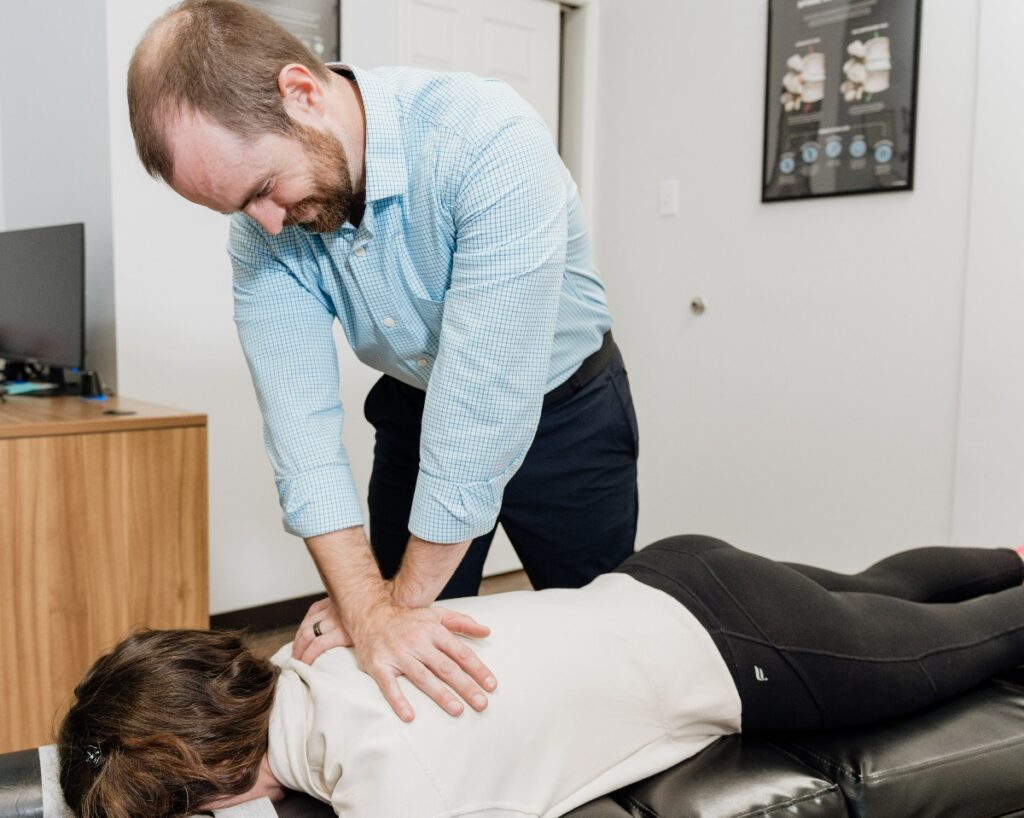

Are you feeling overwhelmed by stress lately? It’s a common issue, but there are effective relaxation techniques that can help you regain your balance and promote overall wellness. As a chiropractor, I believe in the power of natural healing, and incorporating relaxation methods can complement your chiropractic care. Techniques like deep breathing and gentle yoga not only calm your mind but also support your spine and overall health.
Chiropractic care focuses on aligning your spine, which can alleviate tension and improve your body’s ability to manage stress. By maintaining proper spinal alignment, you can enhance your nervous system function, leading to better stress management and increased well-being.
Here are some powerful relaxation techniques that can work hand-in-hand with your chiropractic treatment:
- Deep Breathing: Take a moment to focus on your breath. Inhale deeply through your nose, allowing your abdomen to expand. Exhale slowly through your mouth. This practice can help calm your nervous system and reduce tension.
- Gentle Yoga: Incorporate gentle stretches into your daily routine. Yoga not only improves flexibility and strength but also promotes relaxation and mindfulness, which can be beneficial for your spine.
- Mindfulness Meditation: Set aside a few minutes each day to practice mindfulness. This can help you become more aware of your thoughts and feelings, allowing you to manage stress more effectively.
- Regular Chiropractic Adjustments: Regular visits to your chiropractor can help keep your spine aligned and your body functioning optimally. This can lead to better stress management and overall health.
- Stay Active: Engage in regular physical activity. Exercise releases endorphins, which can improve your mood and reduce stress.
By integrating these techniques into your routine, you can transform your approach to stress relief and enhance your overall well-being. Remember, chiropractic care is a natural and effective way to support your health and help you live a more balanced life. If you’re curious about how these methods can complement your chiropractic journey, feel free to reach out for more personalized advice. Your path to optimal health starts here!
Key Takeaways
Relaxation techniques can be a powerful ally in your journey toward better health and wellness. As a chiropractor, I emphasize the importance of managing stress for overall well-being and optimal spinal health. Techniques such as deep breathing and mindfulness meditation can help reduce stress and enhance your emotional balance by keeping you focused on the present moment.
One effective method is Progressive Muscle Relaxation (PMR). This approach involves systematically tensing and relaxing different muscle groups in your body, which not only alleviates muscle tension but also promotes a deep sense of relaxation. When your body is relaxed, it can better support spinal alignment, making it a great complement to chiropractic care.
Guided imagery is another fantastic tool. By engaging your senses and painting a vivid mental picture, you can create a relaxing escape that helps reduce stress and build emotional resilience. This technique can be particularly beneficial when combined with chiropractic adjustments, as it supports your body’s natural healing processes.
Incorporating these relaxation techniques into your daily routine can lead to improved mental clarity, better sleep quality, and an overall enhanced sense of well-being. Remember, the goal is to achieve a balanced state of mind and body, which is essential for maintaining a healthy spine and optimal health.
For those looking to improve their health naturally, practicing these simple relaxation methods alongside regular chiropractic care can be a game-changer. Prioritize your well-being, and embrace these techniques to help you live a healthier, stress-free life.
Deep Breathing Exercises
Practicing deep breathing exercises can be an effective method to reduce stress and enhance relaxation, which is essential for maintaining overall health—especially spinal health. Focusing on your breath not only helps to calm your mind but also encourages proper posture and spinal alignment. Start by finding a comfortable position, whether sitting upright in a chair or lying down flat. Inhale deeply through your nose, allowing your abdomen to expand, and then exhale slowly through your mouth. Visualize any tension in your back leaving your body with each exhale. Spend a few minutes on this practice, and notice how your mind and body begin to relax.
Incorporating deep breathing into your daily routine can greatly benefit your emotional and physical well-being. You can use this technique during stressful moments, such as before a chiropractic appointment or while waiting in line. With regular practice, you’ll find it easier to access this calming technique whenever you need it. Remember, it’s not just about breathing; it’s about being mindful and creating space for your body to relax and heal.
Additionally, consider pairing your deep breathing exercises with chiropractic care. Regular adjustments can help align your spine, allowing your nervous system to function optimally and enhancing the benefits of your relaxation practices. By combining these approaches, you can work towards achieving better health and wellness naturally. Always remember to listen to your body and prioritize your well-being through these holistic methods.
Progressive Muscle Relaxation
As you seek effective ways to manage stress and enhance your overall wellbeing, consider incorporating Progressive Muscle Relaxation (PMR) into your routine. This technique can complement your chiropractic care by promoting physical ease and encouraging a deeper connection with your body. By systematically tensing and relaxing different muscle groups, PMR helps you become more aware of physical sensations and effectively release built-up tension that can affect your spine and overall health.
To practice PMR, find a quiet space where you can feel comfortable and relaxed. Start with your feet—tense the muscles for about five seconds, then let go and notice the contrast. Gradually move up your body, tensing and relaxing your legs, abdomen, arms, and face. This method not only helps to relieve muscle tension but also supports your spinal alignment, which is crucial for optimal health.
As you engage in PMR, remember to focus on your breath and the sensations throughout your body. By the end of your session, you may find yourself feeling more relaxed and centered, enhancing the benefits of your chiropractic adjustments. PMR is a simple yet effective technique that, when combined with chiropractic care, can significantly lower stress levels and improve your overall wellbeing.
Incorporating these natural relaxation techniques into your life can be a wonderful step towards achieving a healthier, pain-free existence.
Mindfulness Meditation
As you navigate the challenges of daily life, incorporating mindfulness meditation can be an excellent complement to chiropractic care for achieving optimal health and well-being. This practice encourages you to focus on the present moment, which can help reduce stress and enhance your self-awareness—a perfect synergy with the benefits of chiropractic adjustments.
Mindfulness meditation helps you detach from overwhelming thoughts and worries, allowing your body to relax. By paying attention to your breath or the sensations in your body, you can promote a sense of calm and clarity, which is essential for maintaining a healthy spine and overall wellness.
To start, set aside just a few minutes each day. Find a quiet space where you feel comfortable. Close your eyes and take a deep breath, letting your thoughts come and go without judgment. If your mind wanders, gently bring your focus back to your breath. This simple practice can enhance your emotional regulation and contribute to a greater sense of peace.
Incorporating mindfulness meditation into your routine is a great way to support your chiropractic care journey. It not only helps you cope with stress but also enriches your overall well-being. Remember that a relaxed mind can lead to a more relaxed body, which is crucial for maintaining spinal health.
Give mindfulness meditation a try alongside your chiropractic treatments, and observe how it transforms your daily experience. Together, they can help you achieve the natural healing and healthier living you deserve.
Guided Imagery
Guided imagery is a powerful relaxation technique that can complement your chiropractic care by helping you visualize calming scenes to reduce stress and enhance your overall wellness. When you focus on specific images or scenarios, you not only help alleviate tension in your mind but also promote a healthier body, which is essential for optimal spinal health.
Incorporating guided imagery into your wellness routine can be a great way to support the benefits of chiropractic care. By reducing stress, you can help your body heal more effectively and maintain proper alignment. Here’s how this practice works, along with some simple techniques and tips you can use at home.
How Guided Imagery Works:
Guided imagery taps into the power of your mind to create mental images that evoke feelings of peace and relaxation. This practice can help calm the nervous system, which in turn can reduce muscle tension and pain, making it an excellent complement to your chiropractic adjustments.
Techniques to Try:
- Find a Comfortable Space: Choose a quiet and comfortable place where you can sit or lie down without distractions.
- Close Your Eyes and Breathe: Take deep breaths, inhaling through your nose and exhaling through your mouth. This helps to center your thoughts and relax your body.
- Visualize a Peaceful Scene: Picture a place that makes you feel calm—like a serene beach, a tranquil forest, or a cozy room. Imagine all the details: the sounds, the smells, and the sensations.
- Stay Present: As you visualize, let go of any intrusive thoughts. Focus on your breath and the scene you’ve created. Allow yourself to fully experience this peaceful moment.
Benefits of Guided Imagery:
- Stress Reduction: By visualizing calming images, you can reduce anxiety and improve your overall mental well-being.
- Enhanced Healing: A relaxed body can respond better to chiropractic adjustments, promoting faster recovery and improved spinal health.
- Pain Relief: Guided imagery can help manage pain by shifting your focus away from discomfort and encouraging relaxation in tense areas.
General Tips:
- Practice guided imagery regularly, ideally daily, to create a habit of relaxation.
- Combine guided imagery with your chiropractic care routine; consider visualizing a healthy spine and body during your sessions.
- Don’t hesitate to share your experiences with your chiropractor; they can provide personalized tips to enhance your wellness journey.
Incorporating guided imagery into your life can be an effective way to support your chiropractic care and promote natural healing. By focusing on relaxation and visualization, you can take an active role in your health and well-being.
Definition and Overview
Imagining a peaceful scene can be a powerful method for reducing stress, and incorporating guided imagery into your wellness routine can complement your chiropractic care. This technique involves using your imagination to create calming visualizations that transport you to a serene environment, which can be beneficial for both your mental and physical health.
You might picture a tranquil beach, a quiet forest, or a cozy room filled with soft light—these calming images can help ease tension and promote relaxation.
Guided imagery works by engaging your senses—sight, sound, and touch—allowing your mind to escape from daily stressors. This mental escape can enhance your overall well-being, which is crucial for maintaining a healthy spine and body.
While guided imagery is often facilitated by a guide or audio recording, you can also practice it on your own. Simply find a quiet space, close your eyes, and visualize a peaceful location.
As you focus on these soothing images, you’re not only fostering a sense of peace; you’re also supporting your body’s natural healing processes. This is where chiropractic care plays a vital role. By addressing spinal alignment and promoting a healthy nervous system, chiropractic adjustments can enhance your body’s ability to heal and thrive.
Here are a few general tips to incorporate guided imagery into your wellness routine:
- Set Aside Time: Dedicate a few minutes each day to practice guided imagery as a part of your self-care. This can be done in the morning to start your day on a positive note or in the evening to unwind before bed.
- Create a Comfortable Space: Find a quiet and comfortable place where you feel safe and relaxed. This could be a favorite chair, a cozy corner of your home, or even a peaceful outdoor setting.
- Focus on Your Breath: As you visualize your serene environment, pay attention to your breathing. Deep, slow breaths can enhance relaxation and make your guided imagery experience more effective.
- Combine with Chiropractic Care: Consider scheduling regular chiropractic sessions to maintain spinal health, which can further support your ability to relax and engage in guided imagery.
Techniques and Practices
To effectively harness the power of guided imagery for relaxation and wellness, it’s important to begin with a clear intention that aligns with your health goals. Visualizing a peaceful environment, such as a beach or a forest, can be an excellent way to promote relaxation and support your overall well-being. Here are some straightforward steps to maximize your guided imagery practice, which can complement your chiropractic care:
| Step | Action | Purpose |
|---|---|---|
| 1 | Find a quiet space | Minimize distractions for focus |
| 2 | Close your eyes and breathe deeply | Induce relaxation to ease tension |
| 3 | Visualize your chosen scene | Engage your imagination for mental clarity |
| 4 | Focus on sensory details (sounds, smells) | Enhance your experience and promote mindfulness |
| 5 | Gradually return to the present | Reorient yourself for daily activities |
Incorporating guided imagery into your routine can be a natural way to manage stress and improve your overall health. This practice complements the benefits of chiropractic care by promoting relaxation and alignment within your body. As you visualize calming scenes and engage your senses, you may find that your body responds positively, enhancing the effects of your chiropractic treatments. Remember, prioritizing wellness through natural methods like guided imagery is a step towards achieving optimal health.
Benefits for Well-being
While there are many techniques available for managing stress, guided imagery is a powerful tool that can significantly enhance your well-being, especially when combined with chiropractic care. By visualizing peaceful scenes or positive outcomes, you can engage your imagination to foster relaxation and alleviate anxiety. This practice offers a mental escape from the daily pressures of life, giving your mind the opportunity to recharge.
As you immerse yourself in these calming visuals, you may notice an uplift in your mood and a boost in your emotional resilience. Guided imagery can also sharpen your focus, which is particularly beneficial when addressing challenges. Incorporating this technique into your routine, alongside regular chiropractic care, can lead to better overall health, improved sleep, and a stronger sense of control over your life.
Chiropractic care plays a vital role in supporting your body’s natural healing processes. By ensuring your spine is aligned and your nervous system is functioning optimally, you create a solid foundation for both physical and mental well-being. This alignment helps reduce pain and discomfort, allowing you to fully engage in practices like guided imagery.
To get started with guided imagery, find a quiet space where you can sit or lie down comfortably. Close your eyes and take deep breaths, visualizing a peaceful scene, such as a serene beach or a tranquil forest. Allow yourself to fully experience the sights, sounds, and feelings associated with this imagery. You can also integrate chiropractic adjustments into your wellness routine to enhance your overall health and stress management.
Embrace guided imagery and chiropractic care to nurture your mental and emotional well-being, paving the way for a healthier, happier life.
Yoga and Stretching
Yoga and stretching are fantastic tools for enhancing your overall health and well-being, especially when it comes to relieving tension and improving flexibility. As a chiropractor, I can’t emphasize enough how important it’s to incorporate mindful movements into your daily routine. These practices not only promote a better range of motion but also support your spinal health.
When you engage in yoga and stretching, you’re not just pampering your muscles; you’re also taking a proactive step toward maintaining a healthy spine. A well-aligned spine is crucial for optimal nerve function and overall wellness. Regular stretching can help alleviate pain, reduce stress, and enhance your body’s natural healing processes.
Here are some simple stretching techniques that can benefit your spine and overall health:
- Neck Rolls: Gently roll your head in a circular motion to release tension in your neck. This can help reduce headaches and improve mobility.
- Cat-Cow Stretch: Get on your hands and knees and alternate arching your back (like a cat) and dipping it (like a cow). This movement promotes spinal flexibility and helps relieve back pain.
- Child’s Pose: A gentle stretch that encourages relaxation and helps elongate the spine. It’s great for releasing tension in your back and shoulders.
- Hamstring Stretch: While sitting or standing, reach for your toes to stretch your hamstrings. Tight hamstrings can contribute to lower back pain, so keeping them flexible is essential.
Remember, while these stretches can provide relief, they work best when combined with regular chiropractic care. A chiropractor can help align your spine and ensure that your nervous system is functioning optimally, enhancing the benefits of your stretching routine.
Incorporating yoga and stretching into your lifestyle is a powerful way to promote natural healing and maintain a healthier living. With consistent practice and the support of chiropractic care, you can achieve a pain-free, balanced body that thrives. Your journey to optimal health starts with simple, mindful movements. Make these practices a part of your daily routine and watch your well-being transform!
Benefits of Yoga
Practicing yoga regularly can significantly enhance your physical and mental well-being, complementing your chiropractic care for optimal health. As you engage in various poses, you’ll notice improvements in flexibility and strength, which can help alleviate physical tension often caused by misalignments in the spine. Yoga encourages deep breathing, promoting relaxation and helping to reduce stress levels—something we often see affecting our patients’ overall health.
By focusing on your breath and movements during yoga, you can cultivate mindfulness, allowing you to let go of distractions and enhance your mental clarity. This practice can also support better emotional regulation, enabling you to face daily challenges with greater resilience, which is vital for maintaining a balanced lifestyle.
Incorporating yoga into your routine can also contribute to better sleep quality, leading to a more refreshed and energized feeling—important aspects of recovery and overall wellness that chiropractic care aims to support. Remember, taking care of your spine and body as a whole is essential for achieving optimal health.
As you explore yoga, consider the following tips:
- Listen to your body and modify poses as needed, especially if you’re managing any pain or discomfort.
- Focus on your breathing—this not only enhances your yoga practice but also supports spinal health.
- Pair your yoga practice with regular chiropractic adjustments to ensure your spine stays aligned and functioning optimally.
- Stay consistent; making yoga a part of your routine can bring long-term benefits to your physical and mental health.
Stretching Techniques Explained
Incorporating stretching techniques into your daily routine can significantly enhance your wellness journey and overall flexibility. These techniques not only help release muscle tension but also improve your range of motion and promote relaxation, which is vital for spinal health.
Here are three effective stretching techniques to consider that can complement your chiropractic care:
- Forward Bend: Stand tall and gently bend forward at your hips, reaching for your toes. This stretch is excellent for lengthening your hamstrings and lower back, which can alleviate discomfort and promote better posture.
- Cat-Cow Stretch: Begin on all fours and alternate between arching your back (like a cat) and dropping your belly while lifting your head (like a cow). This simple movement warms up your spine and encourages flexibility, which can help prevent future injuries and support overall spinal health.
- Seated Twist: Sit with one leg extended and the other bent. Gently twist your torso towards the bent knee. This stretch enhances spinal mobility and helps release tension in your back, making it a great addition to your daily routine for better posture and alignment.
Integrating these stretches into your life can elevate your wellness and support your chiropractic care.
Mindfulness in Movement
Building on your stretching routine, incorporating mindfulness into your movement can significantly enhance your overall well-being and connection with your body. As a chiropractor, I believe that understanding how your body moves is essential for maintaining a healthy spine and preventing discomfort. When you practice mindfulness during exercises like yoga and stretching, you can focus on your breath and movements, which helps you become more aware of any tension or discomfort in your body.
This heightened awareness allows you to identify areas of stress and release them more effectively, promoting natural healing. As you flow through your poses, visualize your breath guiding your movements. This not only enhances relaxation but also contributes to better spinal alignment and overall posture. Letting go of distractions during your practice creates a meditative experience that can lead to improved mental clarity and a sense of peace.
Incorporating mindfulness into your routine isn’t just about improving flexibility; it’s also about nurturing a calm mindset that helps you tackle daily challenges. By embracing this practice, you can support your body’s natural healing processes, making chiropractic care an essential component of your wellness journey. Remember, regular mindfulness in your movements can lead to better spinal health and a more balanced life.
Try to set aside a few minutes each day to practice mindfulness through stretching or yoga, and notice how it enhances your physical and mental well-being.
Aromatherapy and Essential Oils
Have you ever noticed how a simple scent can uplift your spirits and help you unwind? While aromatherapy with essential oils offers a wonderful way to promote relaxation, it’s important to remember that true wellness starts with a healthy spine and body. As a chiropractor, I believe that addressing spinal health is key to achieving optimal health and well-being.
When your spine is aligned and functioning properly, your body can better handle stress and tension.
Here are three essential oils that can complement your journey towards natural healing and wellness:
- Lavender: This calming scent not only promotes relaxation but can also help alleviate tension related to poor posture or spinal misalignments. Incorporating lavender into your routine can enhance your overall sense of calm and support restful sleep.
- Peppermint: Known for its invigorating properties, peppermint can help clear your mind and boost your energy, especially during those long days. When combined with regular chiropractic care, it can assist in maintaining focus and motivation throughout your day.
- Eucalyptus: With its refreshing aroma, eucalyptus can help open up your airways and promote better breathing. A healthy spine supports optimal lung function, so pairing eucalyptus with chiropractic adjustments can enhance your overall respiratory health.
Incorporating these oils into your daily routine—whether through diffusers, relaxing baths, or massages—can serve as a wonderful complement to your chiropractic care. Remember, it’s essential to prioritize your spinal health for lasting well-being.
Conclusion
Incorporating relaxation techniques into your daily routine can significantly enhance your overall well-being and support your spinal health. Practices such as deep breathing, progressive muscle relaxation, mindfulness, guided imagery, and gentle yoga can help manage stress while promoting a healthy spine. These techniques not only improve your mental clarity but also aid in maintaining proper posture and alignment, which are essential for optimal health.
Adding aromatherapy can further enhance your relaxation experience, providing calming scents that help ease tension in both the body and mind. Consistency is crucial—by making these practices a regular part of your life, you’ll cultivate resilience and promote emotional balance, which can positively impact your physical health.
As a chiropractor, I emphasize the importance of a holistic approach to health. Regular chiropractic adjustments can complement these relaxation techniques by addressing any spinal misalignments that may contribute to stress and discomfort. Remember, taking care of your spine is vital for your overall health, and you deserve to experience the benefits of a calmer, more centered existence. Prioritize your wellness today by integrating these simple practices into your life, and consider chiropractic care as a natural way to achieve lasting pain relief and improved well-being.