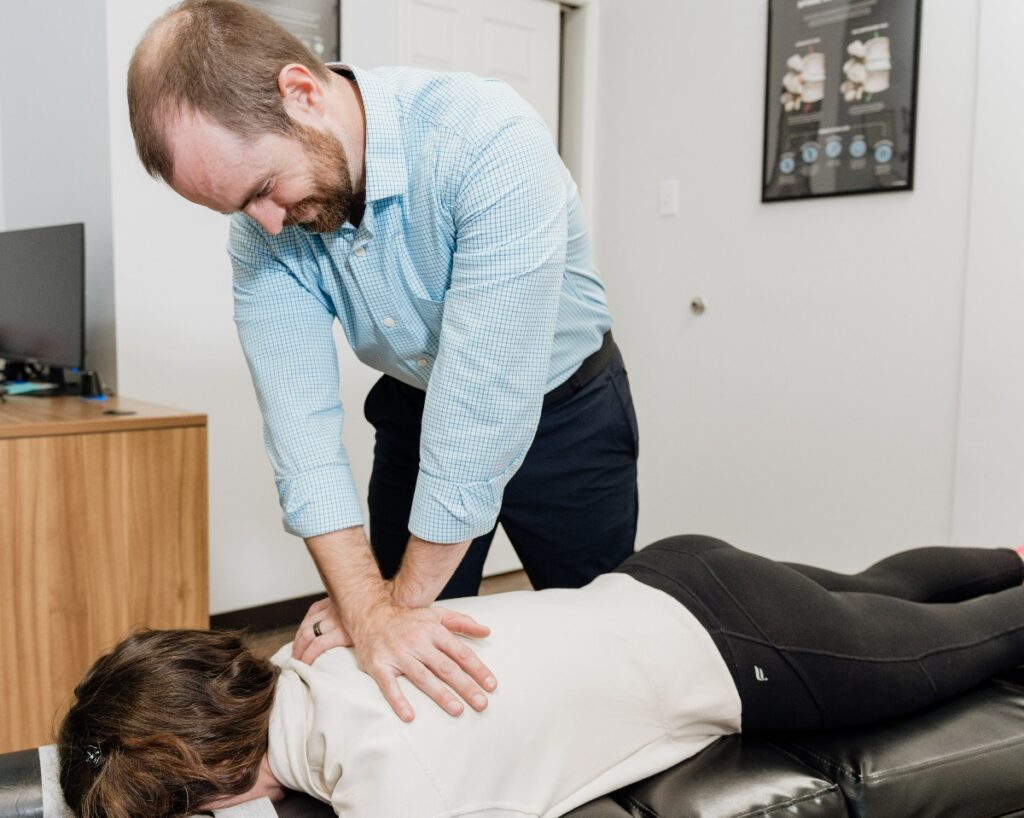

In your journey as an athlete, recovery is often overlooked but is essential for achieving peak performance. Many athletes might not realize the significant impact that sleep, nutrition, and active recovery have on their overall abilities. As a local chiropractor, I believe that incorporating chiropractic care into your routine can greatly enhance your recovery process and overall wellness.
A structured six-week program focusing on recovery can transform your athletic performance. But how do elements like chiropractic care, sleep, nutrition, and active recovery work together to elevate your game? Let’s explore these essential components and how they can redefine your approach to athletic performance.
Chiropractic care plays a crucial role in recovery by ensuring that your spine and nervous system are functioning optimally. A healthy spine allows for better communication between your brain and body, which is vital for muscle recovery and performance. Regular chiropractic adjustments can help alleviate pain, correct misalignments, and improve your range of motion. This, in turn, can lead to enhanced athletic performance and faster recovery times.
Sleep is another key factor in recovery. Quality sleep helps your body repair itself, so make it a priority to establish a consistent sleep schedule. Aim for 7-9 hours of restful sleep each night. If you struggle with sleep, consider creating a relaxing bedtime routine and eliminating distractions from your bedroom.
Nutrition plays a significant role as well. Fueling your body with the right nutrients supports recovery and performance. Focus on whole, natural foods such as fruits, vegetables, lean proteins, and healthy fats. Staying hydrated is also essential—be sure to drink plenty of water throughout the day.
Active recovery is beneficial for athletes looking to enhance their performance. Incorporate gentle activities such as walking, stretching, or yoga into your routine to promote blood flow and facilitate healing. These activities can help reduce muscle soreness and improve flexibility.
By combining chiropractic care with proper sleep, nutrition, and active recovery, you can create a holistic approach to enhance your athletic performance. Remember, optimal health is within your reach, and by prioritizing these elements, you can recover faster, reduce pain, and achieve your athletic goals more effectively.
Key Takeaways
- Prioritize getting 7-10 hours of quality sleep each night; it’s essential for recovery and enhancing your overall athletic performance. Sleep is your body’s natural way of healing and rejuvenating, and it’s crucial for spinal health.
- Focus on a balanced diet rich in protein, carbohydrates, and healthy fats. These nutrients play a vital role in muscle recovery after physical activities. Remember, what you fuel your body with can significantly affect how well your spine and muscles perform.
- Consider incorporating active recovery techniques like light jogging or swimming. These activities can help improve circulation and reduce muscle soreness. Plus, they’re gentle on your spine and can promote overall flexibility.
- Mental recovery is just as important as physical recovery. Practices like visualization and mindfulness can help you stay focused and motivated during your training. A clear mind supports a healthy body, and chiropractic care can also help align your spine, which can enhance your mental clarity.
- Set SMART goals for your training—Specific, Measurable, Achievable, Relevant, and Time-bound. Keep track of your progress and don’t forget to use recovery tools like foam rolling and regular chiropractic adjustments to maintain optimal spinal health and performance. Chiropractic care is a natural way to help your body recover and perform at its best, supporting your journey towards better athletic performance.
Understanding the Importance of Recovery
When you push your body to its limits, it’s easy to forget about recovery. However, recovery is essential for achieving optimal health and enhancing your athletic performance. It’s not just about taking a break; it’s a vital process that allows your muscles to heal, rebuild, and become stronger. Neglecting recovery can lead to injuries, fatigue, and decreased performance, which can derail your progress.
Incorporating recovery into your routine not only improves your endurance and strength but also helps you maintain motivation and mental clarity, keeping burnout at bay. When you prioritize recovery, you’ll find that you can train harder and more effectively over time.
As a chiropractor, I encourage you to listen to your body’s signals—be it soreness, fatigue, or a dip in performance. These signals are your body’s way of telling you it’s time to slow down and recover.
Consider strategies such as active recovery, gentle stretching, and ensuring you get enough quality sleep. Chiropractic care can also play a key role in your recovery process. Regular adjustments help align your spine, improve your posture, and enhance overall body function, making it easier to bounce back after intense training.
By understanding the importance of recovery and integrating chiropractic care into your wellness routine, you can enhance your athletic performance and promote long-term health in your sports journey.
Nutritional Strategies for Enhanced Recovery
Proper nutrition plays an essential role in your recovery process and overall well-being, helping you bounce back faster and perform better in daily activities. By focusing on a balanced diet rich in protein, carbohydrates, and healthy fats, you can support your body’s natural healing processes, which is particularly important for those receiving chiropractic care. Here are some key nutritional strategies to enhance your recovery and wellness:
| Nutrient | Sources | Timing |
|---|---|---|
| Protein | Chicken, Fish, Beans | Within 30 minutes post-activity |
| Carbohydrates | Quinoa, Sweet Potatoes | Before and after activities |
| Healthy Fats | Avocado, Nuts | Throughout the day |
Staying well-hydrated is also crucial, as water helps transport nutrients and supports muscle function. As you incorporate these foods into your diet, consider adding anti-inflammatory options like berries and leafy greens, which can complement the benefits of chiropractic adjustments by reducing inflammation in the body.
Remember to pay attention to your portion sizes to ensure you’re meeting your energy needs without overindulging. By adopting these nutritional strategies, alongside regular chiropractic care, you can optimize your recovery and enhance your overall performance and wellness. Taking these steps not only promotes healing but also empowers you to lead a healthier, more active lifestyle.
The Role of Sleep in Athletic Performance
Sleep is vital for your athletic performance, influencing not just the duration of your rest, but also the quality of your sleep. When you prioritize sufficient rest, you enhance recovery and boost your overall performance.
As a chiropractor, I want to emphasize how chiropractic care can support your journey to better sleep and optimal health.
When your spine is aligned properly, your body functions more efficiently, which can lead to deeper, more restorative sleep. Here are some general tips to improve your sleep quality and, in turn, your athletic performance:
- Maintain a Consistent Sleep Schedule: Go to bed and wake up at the same time every day. This helps regulate your body’s internal clock.
- Create a Relaxing Bedtime Routine: Wind down with calming activities like reading or gentle stretching. Avoid screens before bed, as the blue light can interfere with your sleep.
- Optimize Your Sleep Environment: Ensure your bedroom is dark, quiet, and cool. A comfortable mattress and pillows can also make a significant difference.
- Stay Active During the Day: Regular physical activity can promote better sleep, but try to avoid vigorous workouts close to bedtime.
- Limit Caffeine and Heavy Meals Before Bed: Consuming these too close to bedtime can disrupt your sleep.
- Consider Chiropractic Adjustments: Regular visits to a chiropractor can help alleviate tension in your body, promoting relaxation and improving sleep quality.
By incorporating these practices into your routine, you can enhance your sleep quality and, consequently, your athletic performance.
Sleep Duration Importance
While many athletes prioritize training and nutrition, it’s essential to recognize that sleep duration plays a crucial role in enhancing performance and overall wellness. Adequate sleep not only aids in recovery but also boosts energy levels and enhances focus—vital components for achieving peak athletic performance. If you find yourself skimping on sleep, you may experience decreased strength, slower reaction times, and increased fatigue, which can hinder your progress and enjoyment in your sport.
Here’s a straightforward breakdown of the recommended sleep duration for athletes, along with the benefits you can expect:
| Age Group | Recommended Hours | Impact on Performance |
|---|---|---|
| Teen Athletes | 8-10 hours | Improved focus and recovery |
| Young Adults | 7-9 hours | Enhanced strength and endurance |
| Adults | 7-9 hours | Better cognitive function |
| Masters Athletes | 7-9 hours | Reduced injury risk |
| All Athletes | 7-10 hours | Ideal performance levels |
Incorporating chiropractic care into your wellness routine can also support better sleep and recovery. Regular adjustments can help alleviate tension and pain in the body, promoting relaxation and improving your overall sleep quality. Here are a few simple tips to enhance your sleep and performance:
- Establish a Sleep Routine: Go to bed and wake up at the same time each day to regulate your body’s internal clock.
- Create a Sleep-Friendly Environment: Keep your bedroom dark, quiet, and cool to facilitate restful sleep.
- Limit Screen Time Before Bed: Reduce exposure to screens at least an hour before sleeping to help your body wind down.
- Stay Active: Regular physical activity can help you fall asleep faster and enjoy deeper sleep.
- Consider Chiropractic Care: Regular visits to a chiropractor can help manage pain and tension, leading to better sleep and recovery.
Sleep Quality Impact
When you make quality rest a priority, you’re laying the groundwork for better athletic performance—something we all strive for. Sleep isn’t just about how long you spend in bed; it’s about how restorative that sleep is. Deep, restorative sleep plays a crucial role in muscle recovery, energizing your body, and sharpening your focus.
It’s during this quality sleep that your body releases growth hormones that help repair tissues and build strength. On the flip side, poor sleep can lead to fatigue, lowered motivation, and even hinder your decision-making during those important competitions. You may struggle with endurance and coordination, which are vital for peak performance.
To enhance your sleep quality, consider creating a sleep-friendly environment. Keep your bedroom dark, cool, and quiet—a tranquil space can significantly improve your rest. Establishing a consistent sleep schedule is also key; going to bed and waking up at the same time every day can help regulate your body’s clock.
Additionally, it’s wise to avoid screens before bedtime, as the blue light emitted can disrupt your natural sleep cycle. Remember, chiropractic care can also play a role in your overall wellness and quality of sleep. By aligning your spine and improving your body’s function, chiropractic adjustments can help alleviate discomfort that might be keeping you from a restful night.
Incorporating Active Recovery Techniques
Active recovery techniques can significantly enhance your athletic performance and overall wellness, especially during periods of intense training. By incorporating low-intensity activities into your routine, you allow your body to recover while still keeping it engaged. This approach promotes blood flow, reduces muscle soreness, and prepares you for your next workout, all of which are integral for maintaining a healthy spine and body.
As a chiropractor, I encourage you to consider these effective active recovery techniques:
| Technique | Duration | Benefits |
|---|---|---|
| Light Jogging | 20-30 minutes | Improves circulation and supports spinal health |
| Swimming | 30 minutes | Provides low-impact relief for muscles and joints |
| Cycling (Easy Pace) | 30-45 minutes | Enhances joint mobility and keeps your spine aligned |
Incorporating these active recovery sessions into your weekly schedule can speed up your recovery process and keep your mind engaged. You’ll feel refreshed and ready to tackle more intense workouts, which ultimately boosts your overall performance while supporting your natural healing journey.
Moreover, remember that regular chiropractic care can complement your recovery efforts. A chiropractor can help address any misalignments and muscle tension, ensuring your body functions optimally. This holistic approach to health not only aids in pain relief but also promotes a healthier lifestyle. By prioritizing your spinal health, you set the foundation for better athletic performance and overall well-being.
Utilizing Stretching and Mobility Exercises
To enhance your athletic performance, flexibility is a vital component of your recovery process. By embracing effective mobility techniques and a structured stretching routine, you can improve your range of motion while minimizing the risk of injuries.
As a chiropractor, I want to emphasize that incorporating these practices can play a significant role in your overall health and wellness. Chiropractic care focuses on ensuring that your spine and joints are functioning optimally, which is crucial for maintaining flexibility and mobility.
When your spine is aligned properly, it allows your body to move more freely, reducing tension in your muscles and improving your athletic performance.
Here are some general tips to help you integrate stretching and mobility exercises into your routine:
- Warm Up Before Stretching: Always start with a gentle warm-up to prepare your muscles. This can be as simple as a brisk walk or light jogging for a few minutes.
- Incorporate Dynamic Stretches: Before your workout, use dynamic stretches like arm circles or leg swings to increase blood flow and warm up your joints.
- Focus on Major Muscle Groups: Pay special attention to the key areas used in your sport or activity—like your hips, shoulders, and back. Stretching these areas can significantly improve your flexibility.
- Practice Regularly: Consistency is key. Incorporate stretching into your daily routine, even on rest days, to maintain your flexibility and mobility.
- Listen to Your Body: If you feel pain while stretching, stop immediately. It’s essential to differentiate between discomfort and pain, as pushing through pain can lead to injuries.
- Consider Chiropractic Care: Regular chiropractic adjustments can help keep your spine aligned, which enhances your overall mobility and supports your stretching efforts.
By combining these stretching and mobility exercises with regular chiropractic care, you can elevate your training regimen and promote natural healing.
Importance of Flexibility
Flexibility is crucial for not only enhancing athletic performance but also for promoting overall health and wellness. As a chiropractor, I often emphasize the importance of incorporating stretching and mobility exercises into your daily routine. By doing so, you allow your muscles and joints to move through their full range of motion, which is vital for maintaining a healthy spine and preventing injuries.
When you work on your flexibility, you’re not just improving your athletic output; you’re also fostering better balance and coordination. Regular flexibility exercises can help reduce muscle tightness, making it easier for you to perform explosive movements and maintain proper form during any physical activity. This is especially important for those of you who may experience discomfort or stiffness in your back or joints.
Moreover, improving your flexibility can lead to faster recovery times. When your muscles are flexible, blood flow and nutrient delivery to those areas improve, which can help your body heal naturally. This is one of the reasons why I advocate for prioritizing flexibility in your training—it not only enhances performance but also contributes to a healthier spine and body overall.
Here are some simple tips to help you incorporate flexibility into your routine:
- Start with Gentle Stretching: Begin your day with gentle stretches to wake up your muscles and joints. Focus on areas that may feel tight, such as your back, hips, and shoulders.
- Incorporate Dynamic Movements: Before any workout, include dynamic stretches that mimic the movements you’ll be doing. This helps prepare your body and reduces the risk of injury.
- Practice Deep Breathing: As you stretch, take deep breaths. This not only helps you relax but also increases blood flow to your muscles, enhancing the benefits of stretching.
- Make it a Habit: Set aside time each week to focus on flexibility training. Consider yoga or Pilates, which are excellent for improving flexibility while also promoting spinal health.
- Listen to Your Body: Pay attention to how your body feels during and after stretching. If you feel pain, it’s important to adjust your movements or consult with a chiropractor for personalized guidance.
Remember, chiropractic care is a natural and effective way to support your flexibility and overall well-being. Regular adjustments can help align your spine, which plays a vital role in your body’s ability to move freely and without pain.
Techniques for Mobility
While many athletes concentrate on building strength and endurance, it’s essential to incorporate mobility techniques through stretching and mobility exercises to enhance your overall performance and well-being.
Improving your range of motion not only helps prevent injuries but also promotes more efficient movements. Here are three effective mobility techniques you can easily integrate into your routine, all of which can complement chiropractic care for better spinal health and overall wellness:
- Dynamic Stretching: Before engaging in any physical activity, try incorporating dynamic stretching. These are controlled movements that mimic the actions of your sport or daily activities, which can help prepare your muscles and spine for action. This not only improves flexibility but also helps maintain a healthy range of motion, reducing the risk of injury.
- Foam Rolling: Using a foam roller is a fantastic way to release tension in your muscles, enhance blood flow, and boost flexibility. Regular foam rolling can complement your chiropractic adjustments by helping to keep your muscles relaxed and aligned, supporting your overall spinal health.
- Joint Mobility Drills: Focus on exercises that target specific joints, such as the shoulders, hips, and knees. These drills improve their range of motion and stability, which is crucial for maintaining a healthy spine and preventing discomfort.
Incorporating these mobility techniques into your daily routine can significantly contribute to your health and wellness journey.
Remember to listen to your body and consult with your chiropractor for personalized advice and adjustments that can further enhance your mobility and overall well-being.
Embrace these natural methods for a healthier lifestyle, and you’ll be on your way to achieving optimal health without the need for medications or invasive procedures.
Stretching Routine Recommendations
Incorporating a structured stretching routine into your daily activities can significantly enhance your overall mobility and promote a healthier spine. As a chiropractor, I emphasize the importance of maintaining flexibility and joint health to support your body’s natural alignment.
Begin your day or workout with dynamic stretches that warm up your muscles and prepare your body for movement. Simple exercises like leg swings and arm circles are excellent choices.
After your physical activities, transition to static stretches. Hold each stretch for 20-30 seconds, focusing on major muscle groups such as your hamstrings, quadriceps, and shoulders. This not only improves flexibility but also supports spinal health by reducing tension in the body.
Consider incorporating mobility exercises like hip openers and thoracic rotations. These movements help maintain joint flexibility and promote a healthy spine, which is essential for preventing pain and discomfort.
Aim to dedicate at least three sessions each week to your stretching routine, spending around 10-15 minutes each time.
Listen to your body; if a stretch feels uncomfortable, adjust it to suit your needs. Consistency is crucial. The more you engage in regular stretching, the more you’ll notice improvements in your movement, recovery, and overall athletic performance.
The Benefits of Cross-Training
Cross-training is a fantastic way to boost your athletic performance while also supporting your body’s natural healing processes. By engaging in a variety of exercises, you not only enhance your overall fitness but also give specific muscle groups a chance to rest while others are active.
This balanced approach isn’t only effective for preventing burnout but is also beneficial for reducing the risk of injury, which can often be alleviated through chiropractic care. Here are a few key benefits of cross-training that align well with maintaining optimal health:
- Improved Strength and Endurance: Participating in different activities challenges your body in various ways, which can help build strength and stamina across multiple muscle groups. This is essential for maintaining a healthy spine and overall body alignment.
- Enhanced Flexibility and Mobility: Incorporating activities such as yoga or swimming can greatly increase your flexibility and mobility. This is crucial for preventing injuries and ensuring that your spine remains properly aligned, which can be further supported by regular chiropractic adjustments.
- Increased Motivation: Trying out new activities can keep your workouts exciting and fresh. This boost in motivation is key to sticking with a healthier lifestyle, which can lead to better overall wellness and less reliance on medications or surgeries for pain relief.
As you explore different forms of exercise, remember that regular chiropractic care can play a vital role in your journey to better health. It can help manage any discomfort that arises during your cross-training activities and ensure that your body is functioning optimally.
Mental Recovery: Techniques for Focus and Motivation
To enhance your athletic performance and overall well-being, focusing on mental recovery is essential. As a chiropractor, I believe that taking care of your spine and nervous system plays a crucial role in achieving optimal health. Techniques like visualization, mindfulness practices, and effective goal setting can sharpen your focus and boost your motivation, all while supporting your natural healing processes.
Chiropractic care is a powerful tool in your journey to recovery. By aligning your spine, we can help improve your body’s communication and function, leading to better mental clarity and focus. Incorporating practices like visualization can help you see your goals clearly, while mindfulness allows you to remain present and reduce stress.
Remember, maintaining a healthy spine is key to your body’s overall performance. Here are some general tips to help you on your path to enhanced athletic performance and wellness:
- Stay Active: Regular exercise keeps your spine strong and your muscles balanced, which is crucial for optimal performance.
- Practice Good Posture: Whether you’re training or sitting at your desk, maintaining good posture can help prevent unnecessary strain on your spine.
- Incorporate Relaxation Techniques: Mindfulness and breathing exercises can help calm your mind and reduce tension, aiding in recovery.
- Set Realistic Goals: Effective goal setting can keep you motivated and focused on your journey without overwhelming yourself.
By integrating these strategies and prioritizing chiropractic care, you’ll not only recover faster but also elevate your game naturally.
Visualization Techniques for Success
Visualization techniques can significantly enhance your overall wellness and athletic performance by helping you focus your mind and boost your motivation. By vividly imagining your goals, you create a mental blueprint that prepares you for success, both physically and mentally.
Here are three effective visualization practices you can easily incorporate into your daily routine to promote a healthier lifestyle:
- Pre-competition imagery: Before engaging in any physical activity, take a moment to picture yourself executing perfect movements and achieving your best performance. This mental rehearsal can help alleviate any anxiety and prepare your body for optimal function.
- Positive affirmations: Pair your visualizations with positive affirmations. Reinforcing your belief in your abilities can help align your mental state with your physical actions, making it easier to overcome challenges.
- Outcome visualization: Envision the success you desire, whether it’s crossing the finish line first or simply feeling energized and healthy. This practice helps to motivate you and keeps you committed to your wellness journey.
By regularly utilizing these visualization techniques, you can stay mentally sharp and motivated, contributing to your overall health.
Remember, chiropractic care plays an essential role in achieving optimal health by supporting your spine and nervous system, which can enhance your physical performance as well.
Embrace these visualization strategies alongside your chiropractic treatments, and watch your health and performance thrive!
Mindfulness and Meditation Practices
While you’re pushing your physical limits, incorporating mindfulness and meditation practices can significantly enhance your overall wellness and support your body, including your spine. These techniques not only help with mental recovery but also promote better alignment and reduce stress, which is vital for achieving optimal health.
Start with short, guided meditations to help train your mind to stay present. Even dedicating just five minutes a day can lead to a reduction in stress and an improvement in mental clarity, which ultimately supports your body’s natural healing processes.
As you become more comfortable, try mindful breathing exercises that can help ground you during intense training sessions or stressful moments. When distractions arise, gently redirect your focus back to your breath. This practice sharpens your concentration and builds resilience, ensuring you maintain mental strength throughout your wellness journey.
In addition to mindfulness practices, consider regular chiropractic care to support your spinal health and overall well-being. Chiropractic adjustments can help relieve pain, improve posture, and enhance your body’s ability to function optimally.
Embracing mindfulness along with chiropractic care can elevate your performance, support recovery, and contribute to a healthier, more balanced life. Remember, taking care of your mind and body goes hand in hand on the path to wellness.
Goal Setting Strategies
Setting clear and achievable goals can significantly enhance your journey toward better health and wellness, especially when it comes to your spinal health and overall athletic performance. By defining specific targets, you can sharpen your focus and boost your motivation.
Here are three effective strategies to help you set those wellness goals:
- SMART Goals: Ensure your health goals are Specific, Measurable, Achievable, Relevant, and Time-bound. For instance, instead of saying “I want to be healthier,” you might say, “I want to incorporate chiropractic care into my routine once a week for the next three months.”
- Short-term vs. Long-term: Break your long-term health aspirations into smaller, manageable milestones. For example, if your long-term goal is to improve your posture, start with short-term goals like practicing spinal exercises for 10 minutes daily or scheduling an initial chiropractic consultation.
- Visualization Techniques: Picture yourself achieving these health goals. Imagine how your body feels after regular chiropractic adjustments or how much better you move after incorporating spinal care into your routine. This mental imagery can enhance your commitment and overall performance in your wellness journey.
By focusing on these strategies and incorporating chiropractic care into your health plan, you can pave the way for natural healing and a healthier lifestyle.
Monitoring and Adjusting Your Training Load
To enhance your athletic performance and overall well-being, it’s crucial to regularly monitor and adjust your training load. This involves being mindful of how your body feels during and after workouts, as well as keeping track of the intensity and duration of your sessions. If you find yourself feeling fatigued or sore, it may be time to dial back your training. Keeping a training log or using simple apps can help you record your progress and spot any trends over time.
Additionally, pay close attention to your performance metrics. If you’re not reaching your objectives, consider modifying the volume or intensity of your workouts. Balancing strenuous training days with sufficient recovery is essential for preventing injury and promoting healing. This is where chiropractic care comes in—it can help ensure your body is aligned and functioning optimally, allowing you to recover more effectively.
Listening to your body is key. If you’re feeling worn out or struggling to concentrate, it might be a sign to reduce your training intensity or take a well-deserved rest day. Regular chiropractic adjustments can also support your recovery, helping to relieve tension and improve mobility, so you can get back to your routine feeling refreshed.
Remember, prioritizing recovery is vital for long-term success. By incorporating chiropractic care into your wellness plan, you can enhance your natural healing processes and maintain a healthy, active lifestyle.
Take care of your spine, and it will take care of you!
Exploring Recovery Tools and Technologies
As you work on enhancing your training load, it’s important to remember that effective recovery is key to achieving optimal performance. While there are many tools and technologies available, focusing on natural methods and chiropractic care can truly enhance your recovery process and overall well-being.
Here are three approaches to consider:
- Chiropractic Adjustments: Regular chiropractic care helps align your spine, which can improve your nervous system function and enhance your body’s natural ability to heal. By ensuring proper alignment, you can reduce pain, improve mobility, and support faster recovery after workouts.
- Foam Rolling: This simple yet effective tool can help alleviate muscle tightness and improve flexibility. By incorporating foam rolling into your routine, you can enhance circulation and alleviate tension in your muscles, which complements the benefits of chiropractic adjustments.
- Cold Therapy: While cryotherapy is a popular treatment, simple cold packs can also be effective. Applying cold therapy to sore muscles can reduce inflammation and accelerate healing, especially after intense workouts.
Incorporating these natural recovery methods into your routine can significantly enhance your wellness journey.
Remember, chiropractic care not only addresses pain relief but also promotes overall health and vitality. By combining these techniques, you can ensure your body is well taken care of, allowing you to perform at your best while embracing a healthier lifestyle.
Take charge of your recovery, and watch as your athletic abilities improve naturally!
Setting Goals and Tracking Your Progress
Setting clear health and wellness goals is vital for tracking your progress and enhancing your overall performance, including your physical activities. Begin by defining specific, measurable, achievable, relevant, and time-bound (SMART) goals. For instance, instead of simply wanting to “improve your fitness,” aim for a more concrete goal like “increase my daily steps to 10,000 over the next month.”
After establishing your goals, break them down into smaller, manageable milestones. This approach makes it easier to monitor your progress regularly and helps you stay motivated. Consider keeping a journal to log your daily activities, any changes in how you feel, and improvements in your mobility or pain levels. This not only allows you to see patterns but also helps you identify areas where chiropractic care can support your recovery and enhance your performance.
Always take time to celebrate your achievements, no matter how small. Recognizing your progress is crucial for maintaining your motivation and focus. By consistently tracking your goals and integrating chiropractic care into your routine, you’ll likely notice improvements not only in your athletic performance but also in your overall health and wellness.
Conclusion
In just six weeks, you can elevate your athletic performance by prioritizing recovery, and one of the best ways to achieve this is through chiropractic care. By focusing on holistic approaches like nutrition, sleep, active recovery, and mental strategies, you’ll not only enhance your physical capabilities but also improve your overall well-being.
Chiropractic care plays a crucial role in your recovery journey. Regular adjustments can help keep your spine aligned, reduce pain, and improve your body’s natural healing processes. This means you can recover faster from workouts and injuries, allowing you to perform at your best.
Here are some practical tips to incorporate into your routine:
- Listen to Your Body: Pay attention to how you’re feeling. If you’re experiencing discomfort or tension, consider visiting your chiropractor for an adjustment, which can help alleviate pain and promote healing.
- Stay Hydrated: Proper hydration is essential for recovery. Make sure you’re drinking enough water to help your body function optimally.
- Prioritize Sleep: Quality sleep is vital for recovery. Aim for 7-9 hours each night to allow your body to repair and rejuvenate.
- Incorporate Active Recovery: Gentle activities like walking or yoga can aid in recovery by improving blood flow and reducing stiffness. Your chiropractor can guide you on the best exercises tailored to your needs.
- Set Clear Goals: Define what you want to achieve in your training and recovery. Track your progress to stay motivated and see improvements over time.
- Utilize Recovery Tools: Foam rollers, stretching bands, and other recovery aids can be beneficial. However, don’t forget the power of chiropractic adjustments to enhance your recovery process.
Start your journey to recovery today, and consider chiropractic care as your go-to option for pain relief and natural wellness. With dedication and the right approach, you’ll be on your way to reaching your peak potential!