
When you experience a sports injury, exploring effective treatment options is crucial for a speedy and complete recovery. One of the most beneficial methods to start with is the R.I.C.E. approach—Rest, Ice, Compression, and Elevation. This method helps to reduce pain and swelling, setting the stage for healing.
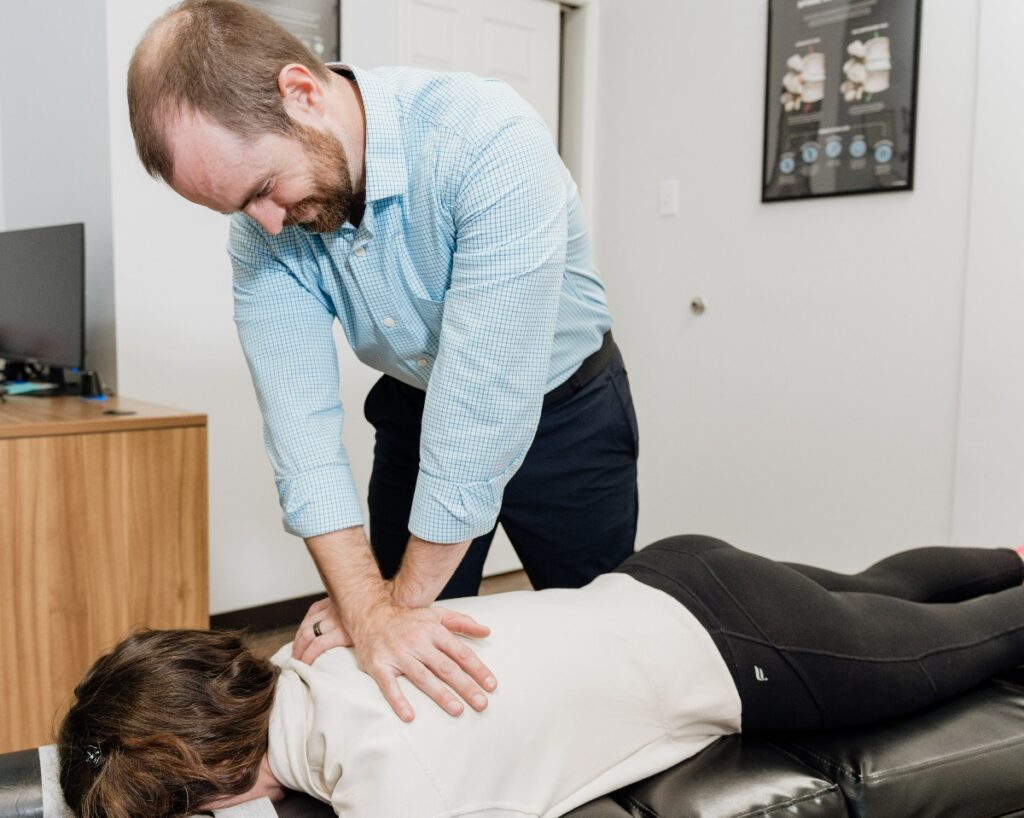
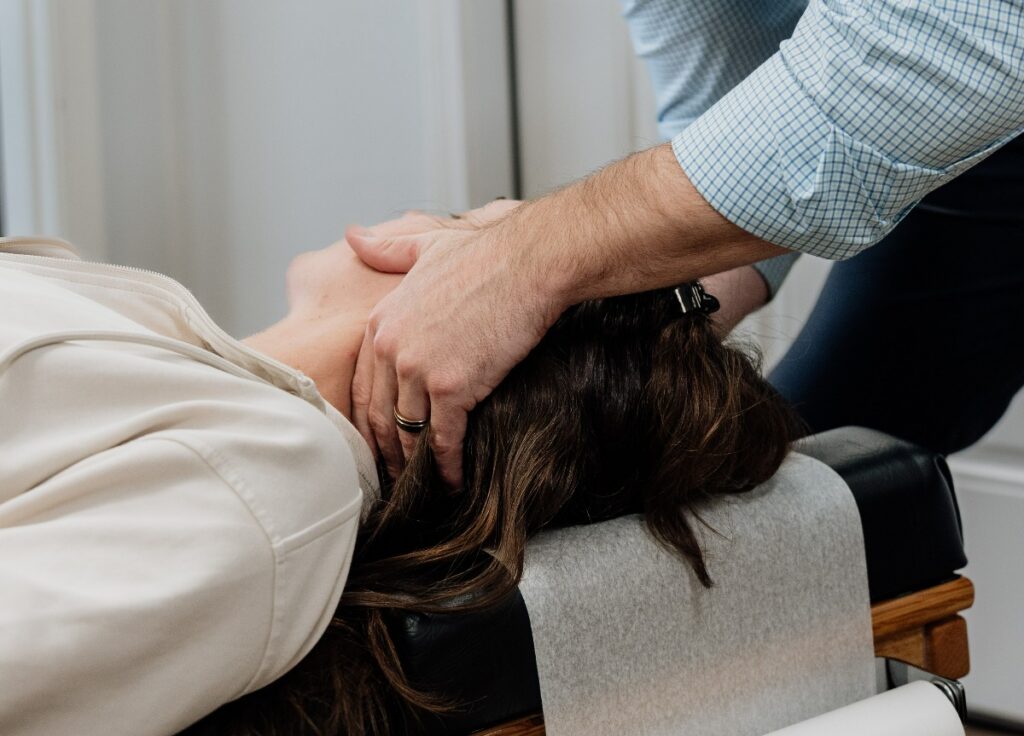
However, to truly enhance your recovery and prevent future injuries, consider incorporating chiropractic care into your treatment plan. Chiropractors focus on aligning the spine and improving overall body function, which can significantly aid in pain relief and promote natural healing. By addressing any misalignments or imbalances, chiropractic adjustments can help restore your body’s optimal performance, allowing you to return to your favorite sports faster and stronger.
In addition to chiropractic care, targeted rehabilitation exercises can be incredibly beneficial. A chiropractor can guide you through personalized exercises that strengthen the affected area, enhance flexibility, and improve overall stability. These exercises not only assist in recovery but also play a vital role in preventing future injuries.
It’s important to remember that everyone’s body is different, and what works for one person may not work for another. That’s why consulting with a chiropractor can help you uncover the best approach tailored to your specific needs. They can provide invaluable insights into your condition and help you navigate your recovery journey safely and effectively.
As you work towards recovery, here are some general tips to keep in mind:
- Stay hydrated to support your body’s healing processes.
- Maintain a balanced diet rich in vitamins and minerals to promote tissue repair.
- Listen to your body and avoid pushing through pain, as this can lead to further injury.
- Incorporate gentle stretching and mobility exercises to improve circulation and flexibility.
By prioritizing chiropractic care and following these supportive practices, you can achieve optimal health and well-being, allowing you to get back to doing what you love most—playing your sport!
Key Takeaways
When dealing with sports injuries, the first step is to utilize the R.I.C.E. method—Rest, Ice, Compression, and Elevation. This approach can help manage pain and swelling effectively.
As a local chiropractor, I want to emphasize the importance of chiropractic care in your recovery journey. Chiropractic adjustments can help restore proper alignment, relieve pain, and enhance your body’s natural healing processes. By improving spinal function, we can support your overall health and wellness.
After the initial management of your injury, engaging in personalized rehabilitation exercises is crucial. These exercises are designed to strengthen your muscles and improve your range of motion, aiding in your recovery and helping you get back to your favorite activities sooner.
Prevention is key when it comes to sports injuries. Incorporating proper warm-ups, stretching, and maintaining good body mechanics can significantly lower your risk of future injuries. Simple practices like these can make a big difference in your athletic performance and long-term health.
Finally, don’t forget about the holistic aspects of recovery. Nutrition, hydration, and adequate sleep play vital roles in supporting your healing process. By focusing on these areas, you can enhance your recovery and promote a healthier lifestyle overall.
Remember, chiropractic care is not just about treating injuries; it’s about achieving optimal health and well-being. If you’re looking for pain relief and a natural approach to health, consider incorporating chiropractic care into your wellness routine.
Understanding Common Sports Injuries
Sports injuries can be a frustrating challenge for athletes at any level, but understanding how to manage and prevent them is key to maintaining your health and wellness. Common injuries such as sprains, strains, fractures, and tendonitis can often be addressed naturally through chiropractic care, which focuses on restoring your body’s balance and function.
Sprains, which affect ligaments, often occur when you twist or overstretch a joint. Strains involve your muscles or tendons, typically arising from sudden movements. Fractures, or broken bones, may occur from high-impact collisions or falls, while tendonitis is often the result of overuse, leading to inflammation in the tendons.
It’s essential to recognize the signs and symptoms of these injuries, such as immediate pain, swelling, and limited range of motion. These indicators can help you understand when to seek care. Chiropractic care can provide effective relief by addressing the root cause of your pain, allowing your body to heal naturally without the need for medications or invasive surgeries.
For prevention, here are some helpful tips:
- Warm-Up and Stretch: Always take time to warm up your muscles and stretch before any physical activity to reduce the risk of injury.
- Listen to Your Body: If you feel pain during an activity, it’s crucial to stop and assess your condition rather than pushing through the discomfort.
- Stay Hydrated: Proper hydration helps maintain muscle function and can reduce the risk of cramps and strains.
- Strength Training: Incorporating strength training into your routine can help build resilience in your muscles and joints, making you less prone to injuries.
The R.I.C.E. Method: Rest, Ice, Compression, Elevation
When you’ve experienced a sports injury, knowing how to respond can greatly enhance your healing process. One of the best methods to manage your injury is the R.I.C.E. method—Rest, Ice, Compression, Elevation. This straightforward approach not only aids in your recovery but also aligns with the principles of natural healing that chiropractic care promotes.
First and foremost, give your body the rest it needs. This means avoiding any activities that exacerbate the pain and allowing your body to focus on healing. Rest is essential in preventing further damage, and it’s a critical first step in your recovery journey.
Next, apply ice to the affected area for 15-20 minutes every hour. Ice helps reduce swelling and numbs the pain, making you feel more comfortable. Just remember to wrap the ice in a cloth to protect your skin from frostbite.
Once you’ve iced the injury, use compression with an elastic bandage. This helps support the injured area while minimizing swelling. Make sure the bandage is snug but not too tight, as you want to maintain healthy blood flow. Proper compression can enhance circulation, which is key to healing.
Finally, elevate the injured limb above heart level whenever possible. Elevation reduces swelling and encourages better circulation, both of which are vital for recovery.
While practicing the R.I.C.E. method, consider incorporating chiropractic care into your healing routine. Chiropractors specialize in natural pain relief and can help realign your spine and joints, facilitating your body’s innate ability to heal itself. Chiropractic adjustments may also relieve tension in surrounding muscles, which can contribute to a faster recovery.
Physical Therapy and Rehabilitation
After you’ve applied the R.I.C.E. method (Rest, Ice, Compression, Elevation), incorporating chiropractic care into your recovery is essential for achieving optimal health and wellness. Chiropractic adjustments can help restore spinal alignment, which plays a significant role in your overall recovery by enhancing your body’s natural ability to heal. By improving nerve function and reducing pain, chiropractic care can aid in restoring strength, flexibility, and function, allowing you to return to your sport safely and effectively.
A personalized chiropractic care plan can also help reduce the risk of re-injury by addressing any underlying issues that may have contributed to your injury in the first place. Here’s a quick overview of what chiropractic care can include:
| Chiropractic Care Type | Purpose |
|---|---|
| Spinal Adjustments | Restore alignment and relieve pressure on nerves |
| Soft Tissue Therapy | Reduce muscle tension and enhance circulation |
| Rehabilitation Exercises | Strengthen muscles and improve range of motion |
| Posture and Body Mechanics | Educate on proper movement to prevent injuries |
Working closely with a qualified chiropractor, you’ll learn specific exercises and techniques tailored to your recovery. This not only promotes healing but also empowers you with the knowledge to maintain your health and prevent future injuries.
Here are some general tips you can incorporate into your daily routine for better health:
- Stay Active: Regular gentle movements can enhance blood flow and speed up recovery.
- Focus on Posture: Maintain good posture while sitting or standing to support your spine.
- Listen to Your Body: If something doesn’t feel right, consult your chiropractor for advice.
- Hydrate Well: Staying hydrated helps with muscle recovery and overall health.
- Prioritize Sleep: Quality sleep is vital for healing and overall wellness.
Don’t underestimate the importance of chiropractic care in your recovery journey! Embracing this natural approach not only alleviates pain but also paves the way for a healthier, more active lifestyle.
Medication Options for Pain Relief
When you’re dealing with sports injuries, it’s crucial to explore natural ways to manage pain and promote healing. Chiropractic care is an excellent option for pain relief that focuses on aligning your spine and enhancing your overall wellness. By addressing the root cause of your discomfort, chiropractic adjustments can help your body heal naturally and effectively.
Instead of relying on medications, which may only mask the pain temporarily, consider how regular chiropractic visits can support your recovery. Chiropractors use gentle techniques to improve mobility, reduce inflammation, and promote better blood flow, which can speed up healing.
In addition to chiropractic care, here are some simple tips to help you manage pain and promote recovery from sports injuries:
- Stay Active: Gentle movements and stretches can help maintain flexibility and reduce stiffness. Listen to your body and avoid pushing through pain.
- Ice and Heat Therapy: Applying ice can help reduce swelling, while heat can soothe tense muscles. Use each method appropriately to find what works best for you.
- Hydration and Nutrition: Keeping your body well-hydrated and nourished with whole foods can support your healing process. Consider anti-inflammatory foods like fruits, vegetables, and healthy fats.
- Rest and Recovery: Don’t underestimate the power of rest. Giving your body time to recover is essential for healing injuries effectively.
- Posture and Ergonomics: Maintain good posture in daily activities to support your spine and prevent further injuries.
Over-the-Counter Pain Relievers
As a local chiropractor, I often see athletes looking for quick solutions for sports-related injuries. While it’s common for many to reach for over-the-counter (OTC) pain relievers like ibuprofen and acetaminophen for fast relief, I want to emphasize the importance of considering natural healing methods, such as chiropractic care, as a primary approach to recovery.
Chiropractic care focuses on the body’s natural ability to heal itself by promoting proper spinal alignment and overall wellness. When your spine is in alignment, it can reduce pain and inflammation more effectively than temporary pain relievers.
Unlike medications, which can mask symptoms but don’t address the root cause of the problem, chiropractic adjustments target the underlying issues that lead to discomfort.
For those dealing with pain, here are some general tips for a healthier, more natural recovery:
- Stay Active: Gentle movement and stretching can help maintain flexibility and prevent stiffness. Listen to your body and avoid pushing through pain.
- Hydration Matters: Drinking plenty of water supports overall health and can help mitigate inflammation.
- Rest and Recovery: Don’t underestimate the power of rest. Giving your body time to recover is essential for healing.
- Proper Nutrition: Focus on a balanced diet rich in anti-inflammatory foods such as fruits, vegetables, nuts, and fish. These can support your body’s healing processes.
- Chiropractic Care: Regular visits to a chiropractor can help keep your body in alignment, reduce pain, and enhance your overall wellness. We can work together to develop a personalized recovery plan that suits your needs.
Prescription Medications Overview
Prescription medications can certainly be an option for managing pain, but as a chiropractor, I believe there are more natural and effective ways to achieve pain relief and overall wellness, especially for athletes recovering from sports injuries.
Instead of relying on over-the-counter pain relievers or stronger medications, consider the benefits of chiropractic care.
Chiropractic adjustments can help restore proper alignment to your spine and joints, which can alleviate pain and reduce inflammation naturally. By addressing the root cause of your discomfort, rather than just masking it with medications, you may find long-lasting relief. Additionally, chiropractic care can enhance your body’s ability to heal itself, promoting better function and mobility.
If you’re experiencing muscle spasms or tension, chiropractic techniques can also help relax those muscles without the need for muscle relaxants. It’s essential to communicate openly with your chiropractor about your pain levels and any concerns you may have.
They can tailor a treatment plan specifically for you, incorporating adjustments, stretches, and exercises that align with your recovery goals.
Topical Treatments Benefits
How can topical treatments support your recovery from sports injuries? While these treatments, including creams, gels, and patches, can offer some targeted relief, it’s important to recognize that they work best alongside a comprehensive approach to health and wellness, such as chiropractic care.
Topical options often contain ingredients like menthol or capsaicin, which can help soothe inflammation and ease discomfort; however, they don’t address the root causes of your pain.
Chiropractic care focuses on the entire body, ensuring that your spine and joints are aligned properly, which can significantly enhance your body’s natural healing processes.
By addressing misalignments, chiropractic adjustments can improve your overall function and mobility, helping you recover more effectively from injuries.
Incorporating chiropractic treatment into your recovery plan can offer long-lasting benefits beyond temporary relief. Regular adjustments may reduce the likelihood of future injuries and support your overall wellness journey.
Remember, while topical treatments can be a handy tool for immediate relief, maintaining a healthy spine through chiropractic care is your best bet for achieving optimal health and wellness.
Stay active, listen to your body, and consider scheduling a visit to your chiropractor to discuss a tailored recovery plan that works for you.
Surgical Interventions for Severe Injuries
When faced with a severe sports injury, it can be overwhelming to think about the best way to recover. While some may consider surgical interventions, it’s important to know that there are effective, natural alternatives that can help restore your function and promote healing. Chiropractic care is a holistic approach that focuses on the health of your spine and nervous system, which can play a crucial role in your overall well-being.
Instead of opting for surgery, consider the benefits of chiropractic adjustments, which can alleviate pain, improve mobility, and enhance your body’s natural healing abilities. These adjustments can help to realign your spine, reduce inflammation, and relieve pressure on nerves, allowing your body to function at its best.
During your recovery, it’s essential to maintain an active lifestyle while being mindful of your injury. Gentle exercises, stretching, and proper nutrition can support your healing process. Staying hydrated and getting adequate rest are also key components to recovery.
If you’re considering chiropractic care, be sure to consult with a qualified chiropractor who can develop a personalized treatment plan tailored to your needs. They can guide you through the recovery process and provide you with practical tips for maintaining a healthier lifestyle.
Types of Surgical Procedures
While many sports injuries can often be managed effectively through natural healing methods, some cases may seem severe and lead individuals to consider surgical interventions. However, it’s important to remember that chiropractic care can play a crucial role in restoring function and alleviating pain without the need for invasive procedures.
For instance, if you’re experiencing joint pain due to torn ligaments or damaged cartilage, chiropractic adjustments can help improve joint mobility and promote healing. Regular chiropractic sessions can also aid in the recovery from fractures by ensuring proper alignment and support for your body as it heals.
In the case of tendon injuries, chiropractic techniques like soft tissue therapy can assist in reducing inflammation and encouraging the natural repair process of the tendon. Additionally, for those dealing with chronic joint issues, chiropractic care focuses on improving overall joint health, enhancing flexibility, and managing pain, which can provide a long-term solution without the need for joint replacement surgery.
As you navigate your path to recovery, consider incorporating some simple wellness tips into your routine:
- Stay active with low-impact exercises to maintain joint mobility and strength.
- Prioritize hydration and nutrition to support your body’s healing processes.
- Practice good posture and body mechanics to prevent further injuries.
- Schedule regular chiropractic adjustments to ensure your spine and joints are aligned, promoting optimal health.
Recovery and Rehabilitation Process
After experiencing a severe sports injury, focusing on a natural recovery and rehabilitation process is crucial for regaining your strength and function. Instead of considering surgical options, many individuals have found that chiropractic care can be an effective way to support healing and enhance overall wellness.
It’s important to stay in tune with your body and follow guidelines from your chiropractor, who’ll tailor specific exercises to your unique situation. Initially, gentle, passive movements can be helpful to prevent stiffness and keep your body mobile. As you progress, your chiropractor will introduce active exercises aimed at improving strength and flexibility, all while ensuring your spine remains aligned and healthy.
Chiropractic care plays a vital role in your recovery journey, offering professional guidance and support as you work towards feeling your best. Be sure to communicate openly with your chiropractor about any pain or discomfort you may encounter. This open dialogue helps them adjust your treatment plan to better suit your needs.
Consistency is key in any rehabilitation program. Make it a habit to regularly visit your chiropractor and stay committed to your exercises. Embrace the journey of healing with patience; remember that achieving optimal health takes time, but with the right support, you can return to your sport stronger than ever.
Here are some general tips to support your recovery process:
- Stay hydrated – Proper hydration aids in recovery and keeps your joints lubricated.
- Eat a balanced diet – Fuel your body with nutritious foods that support healing.
- Incorporate gentle stretches – These can help maintain flexibility and reduce stiffness.
- Practice good posture – This reduces strain on your spine and can promote better healing.
- Get adequate rest – Sleep is essential for recovery, so prioritize restful nights.
Risks and Complications Involved
While some may consider surgical interventions for severe sports injuries, it’s important to recognize that there are often risks and complications associated with such procedures. As a chiropractor, I want to emphasize that there are natural and effective alternatives that can help promote healing and optimal health without the need for invasive surgeries.
Here are some common concerns related to surgery, as well as how chiropractic care can be a safer and more effective option for recovery and wellness:
| Risk | Description | Chiropractic Alternatives |
|---|---|---|
| Infection | Surgical sites can be prone to infections | Chiropractic adjustments help promote the body’s natural healing processes. |
| Blood Clots | Surgery can increase the risk of blood clots | Regular chiropractic care encourages movement and circulation, reducing the risk. |
| Nerve Damage | Surgery may inadvertently damage surrounding nerves | Chiropractic techniques focus on restoring alignment and function, helping to avoid nerve issues. |
| Scarring | Incisions can lead to visible scars | Chiropractic care has no incisions and promotes tissue healing without scarring. |
| Anesthesia Complications | Reactions to anesthesia can occur | Chiropractic adjustments are non-invasive and free from anesthesia risks. |
By choosing chiropractic care, you not only avoid the potential complications of surgery but also embrace a holistic approach to healing. Here are some general tips to enhance your recovery and wellness:
- Stay Active: Gentle movement is key. Engage in low-impact exercises that promote circulation and flexibility.
- Maintain Good Posture: Proper alignment can reduce strain on your body and prevent further injuries.
- Stay Hydrated: Drinking plenty of water supports overall health and aids in recovery.
- Nutrition Matters: A balanced diet rich in vitamins and minerals can enhance your body’s healing abilities.
- Seek Regular Adjustments: Routine chiropractic care can help keep your spine aligned and your body functioning optimally.
Being informed about your options empowers you to make choices that support your health naturally. Embrace the benefits of chiropractic care for pain relief and overall wellness without the need for surgical interventions. Your body deserves the best care possible!
Alternative Therapies: Acupuncture and Chiropractic Care
When dealing with sports injuries, many athletes are looking for effective ways to find relief and speed up their recovery. One of the best options available is chiropractic care, which focuses on the alignment of the spine and joints to enhance your body’s natural healing abilities. By addressing misalignments caused by injuries, chiropractic adjustments can’t only alleviate pain but also improve your overall performance and mobility.
Chiropractic care works by restoring balance to your body. When your spine is properly aligned, your nervous system can function optimally, which is crucial for healing and maintaining peak athletic performance. Many athletes find that regular chiropractic adjustments help them recover faster, stay active, and prevent future injuries.
In addition to adjustments, there are several tips you can incorporate into your daily routine to support your recovery and overall wellness:
- Stay Hydrated: Proper hydration can help keep your muscles and joints lubricated, reducing the risk of injury.
- Stretch Regularly: Incorporating gentle stretching into your routine can improve flexibility and reduce tension in your muscles.
- Maintain a Healthy Diet: Eating a balanced diet rich in vitamins and minerals can support your body’s healing processes.
- Listen to Your Body: Pay attention to any signs of discomfort or pain. Seeking chiropractic care at the first sign of trouble can help prevent more serious issues down the line.
Importance of Nutrition in Recovery
The Role of Nutrition in Recovery and Wellness
When it comes to recovering from sports injuries, nutrition plays a crucial role in helping you heal faster and come back stronger. Eating the right foods can not only support your recovery but also help reduce inflammation and aid in muscle repair. As a chiropractor, I emphasize that proper nutrition, combined with chiropractic care, is essential for achieving optimal health and wellness.
Here’s a simple guide to some key nutrients that can significantly benefit your recovery:
| Nutrient | Benefits |
|---|---|
| Protein | Helps repair tissues and build muscle, essential for recovery. |
| Omega-3 fatty acids | Can reduce inflammation and alleviate pain, making it easier to move and heal. |
| Vitamins C & E | Boost your immune system and promote faster healing, keeping you resilient. |
| Zinc | Supports tissue growth and recovery, helping you bounce back. |
Incorporating these nutrients into your daily meals can truly make a difference. Here are some practical tips for you:
- Prioritize Whole Foods: Aim for a balanced diet rich in whole foods like fruits, vegetables, lean proteins, and healthy fats. These foods provide essential nutrients that your body needs to heal effectively.
- Stay Hydrated: Don’t forget the importance of hydration. Water plays a key role in nutrient transport and overall recovery. Aim to drink plenty of fluids throughout the day.
- Listen to Your Body: Pay attention to how certain foods make you feel. Opt for those that give you energy and help you recover, while staying away from processed foods that may contribute to inflammation.
- Combine Nutrition with Chiropractic Care: Regular chiropractic adjustments can enhance your healing process. They help improve alignment, boost circulation, and reduce pain, allowing your body to function at its best.
Preventive Measures for Future Injuries
To prevent future injuries and promote your overall well-being, it’s vital to take a proactive approach in your daily activities and training. By adopting some simple yet effective strategies, you can significantly lower your risk of injury. Here are three essential tips to consider:
1. Warm-Up and Stretch: Before engaging in any physical activity, dedicate at least 10-15 minutes to warming up and stretching. This practice not only enhances blood flow to your muscles but also increases flexibility, which is crucial for preventing injuries. Remember, a well-prepared body is less prone to strain.
2. Listen to Your Body: Always tune into how your body feels during training. If you experience discomfort or pain, it’s important to take those signals seriously. Ignoring these signs can lead to more serious issues down the line.
If something feels off, don’t hesitate to take a break and consult with a chiropractor who can guide you on the best course of action for recovery.
3. Cross-Train: Varying your workouts by engaging in different activities can strengthen various muscle groups and minimize the risk of repetitive strain injuries. Not only does this enhance your overall fitness, but it also supports your body’s natural healing processes. A chiropractor can help you design a balanced training regimen that incorporates cross-training effectively.
Conclusion
Injuries can put a halt to your active lifestyle, but understanding your treatment options can help you recover effectively. One of the best initial steps you can take is the R.I.C.E. method—Rest, Ice, Compression, and Elevation—to manage swelling and stiffness. However, to truly support your recovery and get back to doing what you love, consider incorporating chiropractic care into your healing journey.
Chiropractic care focuses on spinal health and overall wellness, helping to restore function and alleviate pain naturally. By addressing the root cause of your injury, chiropractic adjustments can promote better movement and accelerate healing. Additionally, physical therapy can complement your chiropractic treatments, providing you with exercises to strengthen the affected area and prevent future injuries.
Nutrition and hydration also play crucial roles in your recovery. Eating a balanced diet rich in vitamins and minerals can support tissue repair, while staying hydrated keeps your body functioning optimally. Don’t overlook the importance of preventive measures—regular chiropractic check-ups can help maintain your spine’s health, keeping you in the game and reducing the risk of future injuries.
By taking a holistic approach to your recovery and collaborating with your chiropractor, you can create a personalized plan that prioritizes natural healing and wellness. Remember, the goal is to not just recover from your injury, but to thrive in your active lifestyle. Embrace chiropractic care as a key component of your health journey, and you’ll be on your way to feeling your best in no time!