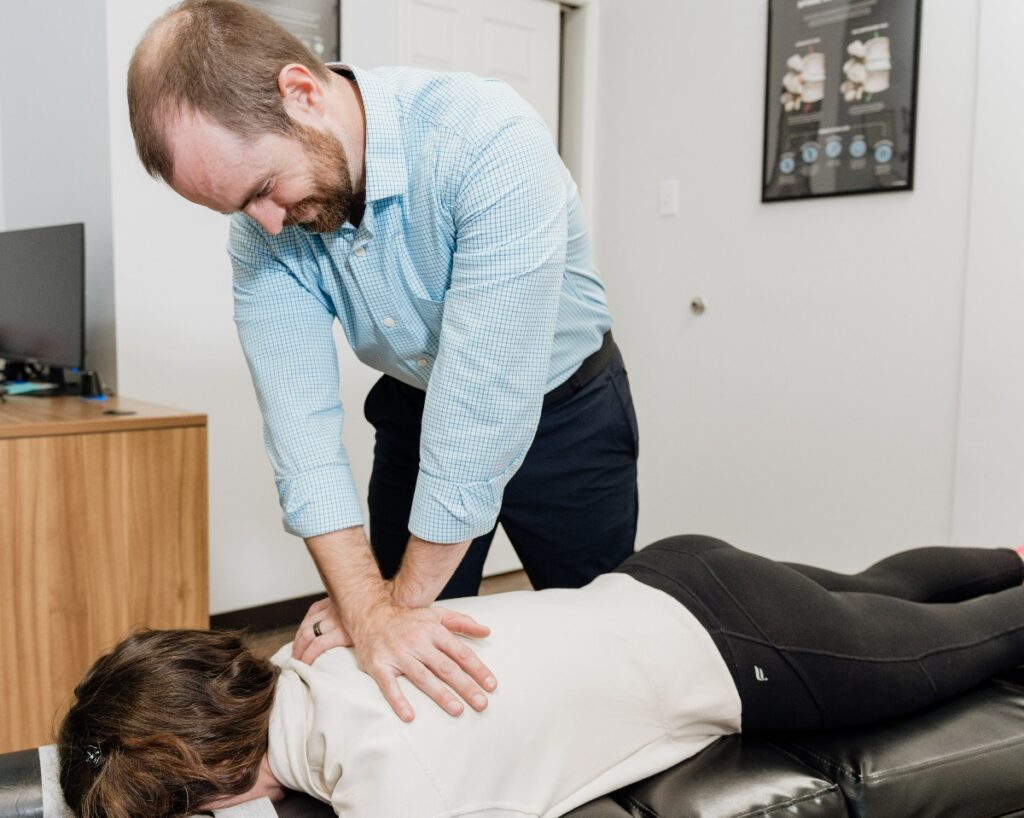

When it comes to finding relief from back pain, a one-size-fits-all approach often falls short. Instead, you need a personalized plan that caters to your unique symptoms and lifestyle. Understanding the different types of back pain and their underlying causes is crucial in taking that first step toward effective relief. Imagine if a few simple adjustments and targeted exercises could significantly enhance your comfort levels.
As a local chiropractor, I’m here to guide you on how personalized chiropractic care can help you regain control over your back health. Chiropractic care focuses on natural healing, addressing the root causes of pain rather than just masking symptoms. By aligning your spine and improving your body’s overall function, we can work together to create a tailored approach that suits your needs.
Here are some general tips to help you start your journey toward better back health:
- Stay Active: Gentle activities like walking or swimming can keep your back muscles strong and flexible. Avoid prolonged periods of inactivity, which can worsen pain.
- Mind Your Posture: Pay attention to how you sit, stand, and lift. Maintaining good posture can prevent unnecessary strain on your back.
- Incorporate Core Strengthening Exercises: A strong core supports your spine. Simple exercises like planks or bridges can help build this strength.
- Practice Relaxation Techniques: Stress can contribute to muscle tension. Techniques such as deep breathing, yoga, or meditation can help reduce stress and promote relaxation.
- Stay Hydrated: Drinking plenty of water is essential for maintaining the health of your spinal discs.
By embracing chiropractic care and these simple lifestyle adjustments, you can take proactive steps toward achieving optimal health and lasting relief from back pain. Remember, your journey to wellness starts with a personalized plan tailored just for you!
Key Takeaways
Chiropractic care stands out as an effective solution for those suffering from back pain, offering personalized treatment plans specifically designed to address your unique symptoms and medical history. By focusing on your individual needs, we can craft a pathway to relief that truly works for you.
Our comprehensive assessments are key to understanding your pain. We take the time to identify not just the characteristics of your discomfort, but also the lifestyle factors and triggers that may be contributing to your back pain. With this information, we can develop targeted treatment strategies that are right for you.
One of the cornerstones of chiropractic care is regular adjustments. These gentle manipulations help relieve tension in your back, improve your mobility, and promote the healing of your spine. Over time, these adjustments not only provide relief but also support long-term pain management, allowing you to enjoy life to the fullest.
In addition to adjustments, incorporating specific exercises and stretching techniques into your routine can further enhance your recovery. Strengthening your core muscles and improving flexibility are key strategies in preventing future pain. Simple activities like gentle stretching, walking, or engaging in low-impact exercises can make a significant difference in your back health.
If you find yourself dealing with persistent or worsening back pain, seeking professional chiropractic help is crucial. With timely interventions and ongoing support, we can guide you on your path to recovery and a healthier, more active lifestyle. Remember, chiropractic care not only addresses the symptoms but also promotes overall wellness, helping you achieve optimal health naturally.
Understanding Your Back Pain: Types and Causes
When you’re dealing with back pain, understanding the different types and their causes can be incredibly helpful in finding relief. Back pain generally falls into two main categories: acute and chronic. Acute pain often comes from injuries or strains and typically lasts a few days to a few weeks. On the other hand, chronic pain sticks around for three months or more and may be linked to underlying issues like arthritis or disc problems.
It’s also important to pinpoint what’s causing your back pain. Poor posture, heavy lifting, and even stress can contribute to discomfort. If you lead a sedentary lifestyle, muscle weakness may play a role as well. Common conditions like herniated discs, spinal stenosis, or sciatica can lead to specific symptoms, such as numbness or tingling.
Here are some tips to help you manage your back pain naturally and support your overall wellness:
- Practice Good Posture: Whether sitting at your desk or lifting items, maintaining proper posture can help reduce strain on your back.
- Stay Active: Engage in gentle exercises such as walking or stretching to strengthen your back muscles and improve flexibility.
- Consider Chiropractic Care: Regular visits to a chiropractor can help align your spine, relieve tension, and promote natural healing. Chiropractors focus on treating the root cause of your pain rather than just masking symptoms.
- Mind Your Lifting Technique: Use your legs instead of your back when lifting heavy objects. Bend at the knees and keep the load close to your body.
- Manage Stress: Stress can lead to tension in your muscles, exacerbating back pain. Consider relaxation techniques like deep breathing, yoga, or meditation.
The Importance of Personalized Treatment Plans
Personalized treatment plans are crucial for effectively managing your back pain because everyone’s experience and the reasons behind their discomfort are unique. What may relieve one person’s pain could be ineffective for another, making a tailored approach essential. By taking into account your specific symptoms, daily activities, and overall health history, a personalized chiropractic plan ensures you’re not wasting your time on treatments that won’t work for you.
This focused approach can lead to faster relief and better long-term results. For example, if your pain is due to a specific injury or condition, the right chiropractic adjustments and exercises can directly target those issues. Moreover, personalized plans can be adapted as you progress, ensuring your treatment evolves in line with your changing needs.
Investing in a personalized chiropractic treatment plan empowers you to take charge of your back pain, setting you on a path toward effective recovery and a better quality of life. Remember, a one-size-fits-all approach doesn’t work for back pain—your condition deserves a unique solution that chiropractic care is perfectly positioned to provide.
Here are some general tips to incorporate into your daily routine for better back health:
- Maintain good posture: Be mindful of your posture when sitting, standing, or lifting.
- Stay active: Incorporate regular, gentle exercise into your routine, such as walking, swimming, or yoga, to keep your back muscles strong and flexible.
- Use ergonomic furniture: Invest in chairs and workstations that support your spine.
- Take breaks: If you sit for long periods, make sure to stand up and stretch every hour.
- Stay hydrated: Drinking plenty of water supports overall health and helps maintain the elasticity of your spinal discs.
Choose chiropractic care for a natural, holistic approach to achieving optimal wellness and relief from back pain. Your journey to a healthier spine starts here!
Assessing Your Unique Needs: A Comprehensive Evaluation
To effectively tackle your back pain, it’s crucial to evaluate your unique needs comprehensively. Begin by pinpointing the specific characteristics of your pain—ask yourself if it’s sharp, dull, constant, or comes and goes. Pay attention to when your pain flares up and if there are certain activities that make it worse.
Next, take a moment to reflect on your medical history. Have you’d any past injuries, surgeries, or ongoing issues that might be contributing to your back pain? This understanding will help you and your chiropractor create a more tailored approach to your care.
Lifestyle factors also play a significant role in your back health. Consider your daily activities, work environment, and exercise routines. Are you sitting for long periods, or do you engage in repetitive motions? These habits can affect your spine and overall well-being.
It’s also beneficial to discuss your pain with a chiropractor. They can offer valuable insights into the underlying causes of your discomfort. By gathering this information, you’ll be well on your way to developing a personalized plan that addresses your specific needs and promotes overall wellness through natural healing methods.
Remember, understanding the nature of your back pain is the first step toward effective relief. Incorporating regular chiropractic adjustments, maintaining proper posture, and practicing good ergonomics can significantly improve your spinal health.
Additionally, gentle stretching and strengthening exercises can help support your back and prevent future issues. Embrace these healthy habits for a happier, pain-free life!
Targeted Exercises for Specific Back Pain Types
When you’re experiencing back pain, targeted exercises can truly transform your recovery journey. Whether you’re facing lumbar pain, sciatica, or the discomfort that comes from poor posture, specific workouts can help ease your symptoms and strengthen your back. As a chiropractor, I believe in the power of natural healing and the body’s ability to recover through gentle, effective movements.
Let’s delve into some effective techniques tailored to your unique needs. Remember, chiropractic care is the best choice for pain relief and overall wellness. By focusing on spinal health, we can help restore balance to your body and alleviate discomfort without the need for surgeries or medications.
Here are some general tips and tricks you can incorporate into your daily routine:
- Stay Active: Regular movement is crucial. Aim for low-impact activities like walking or swimming, which can help keep your back muscles strong and flexible.
- Practice Good Posture: Be mindful of your posture, whether you’re sitting at a desk or standing in line. Keeping your spine aligned can prevent tension and pain.
- Incorporate Stretching: Gentle stretches can improve your flexibility and reduce tightness in your back. Focus on stretches that target the lower back and hips, as these areas are often the source of discomfort.
- Strengthening Exercises: Engaging in exercises that strengthen your core can provide better support for your spine. Consider incorporating planks, bridges, and pelvic tilts into your routine.
- Listen to Your Body: Pay attention to how your body responds to different movements. If something causes pain, it’s important to adjust or seek guidance from a chiropractor.
- Stay Hydrated: Proper hydration supports overall health, including the health of your spinal discs. Be sure to drink plenty of water throughout the day.
- Chiropractic Adjustments: Regular chiropractic visits can help keep your spine in alignment, relieve tension, and promote healing naturally.
Lumbar Pain Exercises
Targeted lumbar pain exercises can significantly alleviate discomfort by focusing on the specific muscles and movements that contribute to your back issues. Incorporating these exercises into your daily routine not only helps strengthen your core but also enhances flexibility, which in turn provides better support for your spine.
As a chiropractor, I believe that these natural methods can empower your body to heal itself, promoting optimal health without the need for medications or surgeries.
Here are four effective exercises to consider incorporating into your routine:
- Pelvic Tilts: Lie on your back with your knees bent. Gently tighten your abdominal muscles and tilt your pelvis upward, holding this position for a few seconds. This exercise helps activate your core muscles, which are essential for a healthy spine.
- Cat-Cow Stretch: While on all fours, alternate between arching your back like a cat and sinking it down like a cow. This movement promotes spinal flexibility and can relieve tension in your back.
- Knee-to-Chest Stretch: While lying on your back, pull one knee toward your chest and hold it, then switch sides. This stretch helps lengthen the lower back muscles and can provide relief from discomfort.
- Bird-Dog: From a tabletop position, extend one arm and the opposite leg outwards, focusing on stability and balance. This exercise strengthens your core and back muscles, which are crucial for maintaining proper posture.
Incorporating these exercises regularly can lead to significant improvements in your lumbar health. Remember, chiropractic care is an excellent choice for pain relief and maintaining overall wellness.
Sciatica Relief Techniques
Many individuals suffering from lumbar pain also face the discomfort of sciatica, which can cause sharp, shooting pain that radiates down the leg. Thankfully, chiropractic care can play a crucial role in alleviating this pain. By focusing on targeted exercises and spinal adjustments, we can relieve pressure on the sciatic nerve and promote overall healing.
Here’s a simple guide to effective exercises that can complement your chiropractic treatments:
| Exercise | Purpose |
|---|---|
| Piriformis Stretch | Helps to ease tightness in the hip, reducing strain on the sciatic nerve. |
| Knee-to-Chest Stretch | Relaxes the lower back, enhancing spinal flexibility and relieving tension. |
| Cat-Cow Stretch | Promotes spine flexibility and encourages a healthy range of motion. |
| Seated Hamstring Stretch | Loosens tight hamstrings, which can alleviate stress on the lower back. |
Incorporating these exercises into your daily routine can provide significant relief and support your journey towards wellness. Remember to listen to your body—if something feels uncomfortable, it’s best to stop and consult with your chiropractor.
Chiropractic care is a natural, effective approach to treating sciatica and promoting overall health. By addressing the root cause of your pain through spinal adjustments and personalized exercise recommendations, you can achieve lasting relief and improved well-being. Embrace these simple steps, and let chiropractic care guide you on your path to optimal health!
Posture Correction Workouts
Improving your posture is essential for reducing back pain and enhancing your overall comfort. As a local chiropractor, I believe that chiropractic care is one of the best ways to achieve optimal health, naturally relieving pain and promoting wellness. Alongside regular chiropractic adjustments, incorporating posture correction workouts can effectively target specific areas of discomfort. Here are four simple exercises you can do at home to help improve your posture and alleviate back pain:
- Wall Angels: Stand with your back against a wall. Slide your arms up and down while keeping your back flat against the wall. This helps open up your chest and strengthens the muscles that support your spine.
- Shoulder Blade Squeeze: Whether you’re sitting or standing, pull your shoulder blades together and hold for a few seconds. This exercise strengthens the muscles between your shoulder blades, promoting better posture and spinal alignment.
- Cat-Cow Stretch: Start on all fours. Alternate between arching your back (like a cat) and lowering it (like a cow). This dynamic stretch increases flexibility in your spine and helps relieve tension in your back.
- Plank: Engage your core by holding a plank position. This exercise strengthens both your back and abdominal muscles, which are vital for maintaining good posture.
Incorporating these exercises into your daily routine can lead to a significant improvement in your posture and reduction in back pain. Remember, regular chiropractic care is an excellent complement to these exercises, providing you with natural pain relief and promoting overall well-being.
Stretching Techniques for Enhanced Flexibility and Relief
Stretching is an essential practice for improving flexibility and alleviating back pain. By incorporating effective stretching techniques into your daily routine, you can enhance your mobility and relieve tension, all of which contribute to better spinal health. As a chiropractor, I want to emphasize that chiropractic care is one of the most effective ways to achieve optimal health, and combining it with simple stretching exercises can lead to significant improvements in your well-being.
Let’s explore some easy yet impactful stretches that can benefit your back health:
- Cat-Cow Stretch: This gentle flow between arching and rounding your back helps to increase flexibility and relieve tension. Start on your hands and knees, breathe in as you arch your back (Cow), and exhale as you round it (Cat). Repeat several times to promote spinal mobility.
- Child’s Pose: This restorative position stretches the spine, hips, and shoulders. Kneel on the floor, sit back on your heels, and extend your arms forward on the ground. Breathe deeply and relax into the stretch to help ease back tension.
- Torso Twist: While seated or standing, gently twist your upper body to one side, using your hands for support. Hold the stretch for a few breaths, then switch sides. This movement can help improve spinal rotation and relieve stiffness.
- Hamstring Stretch: Tight hamstrings can contribute to back pain. While seated, extend one leg forward and reach towards your toes, keeping your back straight. Hold for a few breaths before switching legs. This stretch can help relieve tension in your lower back.
- Standing Forward Bend: Stand tall, then slowly bend forward at the hips, letting your arms hang towards the floor. This stretch helps to decompress the spine and release tightness in the back muscles.
Remember, incorporating these stretches into your routine can greatly enhance your flexibility and contribute to overall spinal health. However, for persistent pain or discomfort, I encourage you to seek chiropractic care. A chiropractor can provide tailored treatment plans that address the root causes of your pain and guide you on your journey to natural healing and healthier living.
Importance of Stretching
Incorporating stretching into your daily routine is a powerful way to enhance your overall health and well-being, especially when it comes to relieving back pain. As a chiropractor, I can’t emphasize enough how beneficial stretching can be for your spine and muscles.
Here are four key advantages of making stretching a regular part of your life:
- Increased Flexibility: Stretching helps lengthen your muscles, which can make everyday activities—like bending, reaching, and lifting—much easier. Improved flexibility not only feels great but also supports your spine’s health.
- Pain Reduction: Engaging in regular stretching can help alleviate stress on your spine. By reducing muscle tension and improving spinal alignment, many people experience a significant decrease in back pain.
- Improved Posture: Stretching strengthens the muscles that support your spine, which helps you maintain better posture. Good posture is essential for preventing pain and discomfort, particularly if you spend long hours sitting or standing.
- Enhanced Relaxation: Stretching promotes relaxation by relieving tension in your muscles. This not only helps reduce stress levels but also contributes to a more peaceful state of mind, which is important for overall wellness.
As a quick tip, try to dedicate a few minutes each day to stretch your major muscle groups. Simple stretches like neck tilts, shoulder rolls, and lower back twists can make a significant difference.
For tailored advice on how to incorporate stretching into your routine effectively, consider visiting your local chiropractor. Chiropractic care focuses on natural healing and can help support your journey to a pain-free, healthier life. Remember, your spine deserves the best care!
Effective Stretching Techniques
Unlocking the benefits of effective stretching techniques can greatly improve your flexibility and help alleviate back pain. When integrated into your daily routine, these stretches can loosen tight muscles and enhance blood flow. Here are a few simple techniques to consider:
| Stretching Technique | Duration |
|---|---|
| Cat-Cow Stretch | 30 seconds |
| Child’s Pose | 1 minute |
| Seated Forward Bend | 30 seconds |
As you engage in these stretches, remember to breathe deeply and pay attention to how your body feels. It’s important to gradually increase the duration and intensity as you become more flexible. Regular stretching can not only relieve tension but also promote better posture, making it a vital component of your journey toward pain relief and overall wellness.
Chiropractic care is a fantastic approach to achieving optimal health, as it focuses on natural healing and enhancing your body’s function. By incorporating effective stretching into your routine alongside chiropractic adjustments, you can experience profound benefits. Remember, consistency is key, and by prioritizing these practices, you are taking significant steps toward a healthier, pain-free life.
Innovative Therapies: From Physical Therapy to Acupuncture
As you seek relief from back pain, it’s essential to consider innovative therapies that focus on natural healing and overall wellness.
Among these, chiropractic care stands out as a powerful option that can help you achieve optimal health by addressing the root causes of pain.
Here are some key therapies to keep in mind, with a special emphasis on chiropractic care:
- Chiropractic Care: As a chiropractor, I specialize in adjusting the spine and joints to restore proper alignment. This can significantly reduce discomfort and improve your body’s natural ability to heal itself. Regular chiropractic adjustments can also enhance your overall health and well-being.
- Physical Therapy: While chiropractic care is my primary focus, physical therapy can complement your treatment. A skilled physical therapist can create a personalized exercise plan to strengthen your muscles and improve flexibility, which is crucial for maintaining a healthy spine.
- Acupuncture: This ancient practice involves inserting thin needles at specific points on the body. While I primarily advocate for chiropractic care, some patients find that acupuncture helps with pain relief and promotes healing in conjunction with adjustments.
- Massage Therapy: Therapeutic massage can relieve tension in your back and surrounding muscles, which can enhance the effectiveness of chiropractic adjustments. It increases blood flow and helps you relax, both of which are beneficial for recovery.
Incorporating these therapies into your wellness routine can empower you to take control of your back pain and lead a healthier, more active life.
Here are some general tips to keep in mind:
- Maintain Good Posture: Pay attention to your posture when sitting, standing, and walking. Good posture helps maintain spinal health and can prevent pain.
- Stay Active: Engage in regular physical activity that promotes strength and flexibility, such as walking, swimming, or yoga.
- Listen to Your Body: If you’re experiencing discomfort, don’t push through the pain. Rest and consult your chiropractor for an appropriate course of action.
- Stay Hydrated: Drinking plenty of water supports overall health and helps maintain the health of your spinal discs.
Always feel free to discuss these options with your healthcare provider, particularly a chiropractor, to find the best tailored recommendations for your health journey.
Embracing chiropractic care can be a vital step towards achieving long-term pain relief and wellness.
Lifestyle Modifications for Long-Term Back Health
To achieve long-term back health, incorporating some simple lifestyle changes can make a significant impact. As a chiropractor, I emphasize the importance of creating an ergonomic workspace that supports your spine’s natural alignment. This means adjusting your chair, desk, and computer setup to promote good posture while you work.
Regular exercise is another essential factor in maintaining a healthy back. Engage in activities that strengthen your core muscles, as a strong core provides stability for your spine. Consider low-impact exercises like walking, swimming, or yoga, which can enhance flexibility and reduce the risk of injury.
Proper lifting techniques can’t be overlooked; always bend at the knees and keep your back straight when lifting heavy objects to protect your spine. If you’re unsure about the best ways to lift or exercise, a chiropractor can provide personalized guidance and support.
Ergonomic Workspace Setup
Transforming your workspace into a sanctuary for your back health is essential, and prioritizing ergonomics can significantly alleviate discomfort while promoting better posture. As a chiropractor, I believe that a well-structured workspace can enhance your overall wellness.
Here’s how to create an ergonomic setup that complements chiropractic care:
- Chair: Choose a supportive chair that encourages good posture. Your feet should rest flat on the floor, and your knees should be at hip level. This position helps maintain the natural curve of your spine.
- Desk Height: Adjust your desk so that it’s at elbow height. This allows your arms to rest comfortably while typing, reducing strain on your shoulders and back.
- Monitor Position: Your monitor should be at eye level to prevent neck strain. Ideally, it should be about an arm’s length away. This positioning helps reduce the risk of developing tension headaches and promotes a healthier neck alignment.
- Keyboard and Mouse: Keep your keyboard and mouse close to avoid unnecessary reaching. Your wrists should remain straight while using them to minimize the risk of repetitive strain injuries.
By making these simple adjustments, you can experience long-term relief from discomfort and enhance your productivity.
Remember, chiropractic care is an excellent choice for addressing pain and maintaining optimal health. Regular chiropractic adjustments can further support your body in adapting to these ergonomic changes, promoting natural healing and a more balanced lifestyle.
Embrace these strategies to foster a healthier working environment!
Regular Exercise Routines
Regular exercise routines are vital for keeping your back healthy and can significantly lower your chances of experiencing pain. Incorporating gentle activities like walking, swimming, or cycling into your daily life not only strengthens your back muscles but also enhances your flexibility. Aim for at least 150 minutes of moderate aerobic activity each week, complemented by strength training exercises twice a week.
When it comes to your core, focus on exercises such as planks and bridges. These are excellent for supporting your spine and promoting overall stability. Additionally, don’t underestimate the importance of stretching. Regular stretching helps maintain flexibility and can prevent stiffness and discomfort that often lead to pain.
Listening to your body is crucial; if something doesn’t feel right, it’s wise to adjust your routine. Remember, chiropractic care can play a key role in your journey to wellness. A chiropractor can help ensure your spine is aligned and functioning optimally, which is essential for effective movement and overall health.
Staying consistent with your exercise plan, along with regular chiropractic adjustments, will help you build resilience, enhance your well-being, and maintain a healthy back for years to come. Prioritize your health naturally and keep your spine happy!
Proper Lifting Techniques
As a local chiropractor, I understand the importance of mastering proper lifting techniques to prevent back injuries and promote long-term spinal health. Lifting heavy objects can be a common cause of discomfort, but with the right approach, you can protect your back and support your overall wellness.
Here are four simple tips to help you lift safely and effectively:
- Bend at the knees: Instead of bending at the waist, keep your back straight and use your legs to lower your body. This technique allows your strong leg muscles to do the lifting, reducing the strain on your back.
- Keep the load close: When lifting, hold the object close to your body. This not only makes the lift easier but also minimizes pressure on your spine, helping to maintain its natural alignment.
- Engage your core: Before you lift, tighten your abdominal muscles. A strong core provides stability and support, making it easier for you to lift safely without putting excess strain on your back.
- Avoid twisting: Rather than twisting your torso while lifting, pivot your feet to change direction. This simple adjustment can prevent unnecessary strain on your spine and help you avoid injury.
Incorporating these tips into your daily routine can enhance your lifting techniques and contribute to a healthier, pain-free lifestyle.
Chiropractic care complements these practices by addressing any existing misalignments and promoting optimal spinal function. If you’re looking for natural pain relief and ways to enhance your overall wellness, consider reaching out to a chiropractor for personalized guidance.
Technology and Back Pain: Apps and Devices That Help
In our busy lives today, technology is stepping in to help manage back pain in ways that are accessible and effective. While I always recommend the hands-on healing of chiropractic care as the best approach to achieving optimal health, there are also some useful apps and devices that can assist in your journey to wellness.
For instance, apps like MyPainDiary allow you to keep track of your pain levels and log any symptoms you experience. This can help you identify patterns and triggers, making it easier to communicate with your chiropractor about your condition and how best to address it.
By being aware of these factors, you can set yourself up for more successful treatment outcomes.
Additionally, you might consider using wearable devices designed to promote better posture. These smart posture correctors can gently remind you to sit up straight, which is crucial for reducing strain on your back.
Good posture is key in preventing pain and supporting your spine’s natural alignment. Some of these devices even provide gentle vibrations to encourage you to maintain proper posture throughout your day, which can complement your chiropractic adjustments.
Virtual reality programs can also offer distraction from discomfort and encourage gentle movement, but remember to consult your chiropractor before starting any new exercise regimen. Engaging in light stretches or activities recommended by your chiropractor is a great way to support your spine and overall health.
Remember, while technology can provide useful tools, nothing compares to the personalized care and treatment you receive from chiropractic care. Regular adjustments can help realign your spine, reduce pain, and improve your overall well-being.
If you’re experiencing back pain, I encourage you to reach out to your chiropractor for a tailored plan that addresses your specific needs and promotes natural healing. Taking these steps will set you on a path to healthier living and lasting relief from back pain.
The Role of Nutrition in Back Pain Management
Eating a balanced diet is crucial not only for your overall health but also for effectively managing back pain. Proper nutrition can help reduce inflammation, support muscle function, and maintain a healthy weight—all essential for keeping your back in top shape.
Here are four simple dietary tips that can make a difference in your back health:
- Incorporate Omega-3 Fatty Acids: Foods like salmon and walnuts are great additions to your diet. These healthy fats can help fight inflammation, which is often a contributor to back pain.
- Opt for Magnesium-Rich Foods: Including spinach, nuts, and whole grains in your meals can be beneficial. Magnesium supports muscle relaxation and proper nerve function, helping to ease tension in your back.
- Load Up on Antioxidants: Fruits and vegetables like berries, cherries, and leafy greens combat oxidative stress, which can lead to chronic pain. Making these foods a regular part of your diet can help reduce discomfort and promote healing.
- Stay Hydrated: Drinking plenty of water is vital for maintaining the health of your spinal discs and preventing stiffness. Proper hydration keeps your body functioning optimally, which is key for pain management.
Remember, while nutrition is important, regular chiropractic care can also play a significant role in alleviating back pain. A chiropractor can help align your spine, relieve tension, and improve your overall health.
Building a Support System: When to Seek Professional Help
Managing back pain effectively often requires more than just good nutrition and self-care. It’s essential to build a support system that includes chiropractic care, which can be a key component in your recovery journey. If you’re experiencing persistent pain, consider visiting a chiropractor. They specialize in spinal health and can assess your condition to develop a personalized treatment plan tailored just for you. Chiropractic adjustments can help relieve pain, improve mobility, and promote overall wellness.
If your pain worsens or starts to interfere with your daily activities, don’t hesitate to seek help. A chiropractor can provide you with natural, non-invasive solutions that focus on healing your body and restoring balance. They can also teach you specific exercises to strengthen your back and improve your posture, enhancing your overall health.
In addition to professional care, involving friends and family in your journey can offer valuable emotional support. Sharing your experiences with them can make it easier to cope with the challenges of back pain. Remember, you don’t have to face this alone; building a solid support system around chiropractic care can greatly enhance your recovery process, helping you regain control of your life and achieve optimal health.
Here are some general tips to keep in mind:
- Stay active: Gentle exercises and stretches can help keep your back strong and flexible.
- Maintain good posture: Whether sitting or standing, be mindful of your posture to reduce strain on your back.
- Listen to your body: Pay attention to what your body is telling you and avoid activities that cause pain.
- Stay hydrated: Drinking plenty of water is essential for overall health and helps keep your spinal discs hydrated.
Incorporating chiropractic care into your wellness routine can be the best choice for achieving lasting pain relief and a healthier, more vibrant life.
Conclusion
In conclusion, embracing a personalized approach to back pain relief is essential for your recovery journey. As a chiropractor, I believe that understanding your unique needs and incorporating targeted exercises, stretches, and lifestyle modifications can lead to effective pain management. Chiropractic care plays a pivotal role in this process, as it focuses on natural healing and restoring proper spinal alignment, which is key to reducing discomfort and improving mobility.
Don’t hesitate to reach out for professional chiropractic help when needed. We can work together to develop a tailored plan that supports your specific challenges and promotes overall wellness. Additionally, consider incorporating healthy habits like regular physical activity, maintaining good posture, and practicing stress-reducing techniques to further enhance your healing process.
Remember, with dedication and a strong commitment to chiropractic care, you can achieve long-term spinal health and a more active, pain-free life. Your path to recovery starts with taking the first step—let’s work together to make it happen!