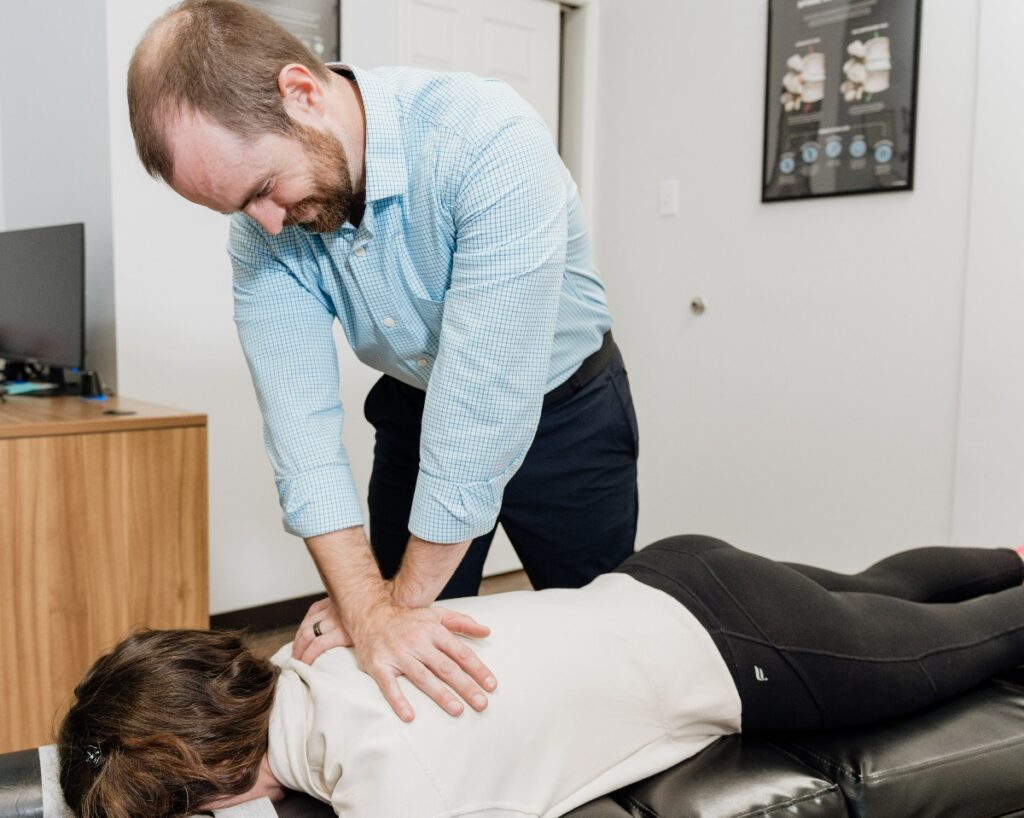

If you’re dealing with tension headaches, you might be amazed at how chiropractic care can be a game-changer in finding relief. As a local chiropractor, I want to share how our various techniques focus on the root causes of your discomfort, paving the way for natural healing and improved well-being. From gentle spinal adjustments to personalized exercise plans, each method we use plays an essential role in easing your pain and enhancing your overall health.
Wondering how these approaches work together? Let’s dive into the seven best ways chiropractic care can help you conquer those persistent tension headaches, along with some simple tips you can incorporate into your daily routine for better wellness.
- Spinal Adjustments: Realigning the spine can relieve pressure on nerves and improve overall function, which is crucial for reducing headache frequency and intensity.
- Posture Correction: We’ll assess your posture and provide guidance on how to maintain proper alignment, especially if you spend long hours sitting. Good posture can significantly decrease tension in your neck and shoulders, common culprits of tension headaches.
- Muscle Relaxation Techniques: We use specific therapies to relax tight muscles, which can alleviate headache symptoms. Techniques like massage and stretching are integrated into your care plan to help ease tension.
- Tailored Exercise Recommendations: Incorporating specific exercises to strengthen neck and upper back muscles can help prevent future headaches. I’ll provide you with easy routines to do at home.
- Stress Management Strategies: Stress can be a major trigger for tension headaches. We’ll discuss relaxation techniques, such as deep breathing exercises or mindfulness practices, to help you manage stress effectively.
- Nutritional Guidance: Sometimes, what you eat can contribute to headaches. I can offer advice on dietary choices that promote overall health and potentially reduce headache occurrences.
- Regular Chiropractic Visits: Maintaining a routine of chiropractic care can not only help with existing headaches but also prevent future episodes. Regular adjustments keep your spine and nervous system functioning optimally.
Remember, chiropractic care focuses on natural healing and wellness, making it a fantastic choice for those seeking relief from tension headaches. By using these methods and integrating simple lifestyle changes, you can take significant steps toward a healthier, headache-free life. Let’s work together to help you achieve your wellness goals!
Key Takeaways
- Chiropractic spinal adjustments are a cornerstone of our practice, helping to realign the spine and alleviate nerve pressure, which can significantly reduce headache pain. This natural approach not only targets the source of discomfort but also promotes overall spinal health.
- We also employ soft tissue therapies like trigger point massage and myofascial release to help release muscle tension that often contributes to headaches. By addressing these tight areas, we can help you find relief from discomfort without the need for medications.
- Creating an ergonomic workspace is essential for maintaining good posture. We can guide you in setting up your desk and chair to minimize strain on your neck and back, which are common culprits in triggering headaches. Simple adjustments can make a big difference!
- Incorporating regular exercise and stretching into your routine can enhance muscle flexibility and strength, which is vital for preventing tension headaches. We can suggest specific exercises that complement your chiropractic care and promote long-term wellness.
- Managing stress is crucial for overall health and can help reduce the frequency of headaches. Techniques like deep breathing and mindfulness are beneficial practices we encourage. These methods not only support mental well-being but also complement the physical benefits of chiropractic care.
By embracing these natural strategies in conjunction with chiropractic treatment, you can take proactive steps toward alleviating tension headaches and enhancing your overall health. Remember, your body is designed to heal itself, and chiropractic care can help facilitate that process!
Spinal Adjustments
Spinal adjustments can be a game changer for those suffering from tension headaches. By realigning your spine, these adjustments relieve pressure on your nerves, which is often a key contributor to headache pain. When you come to see me, I’ll evaluate your spine’s alignment and pinpoint any areas of tension or misalignment that may be causing discomfort.
After a spinal adjustment, many patients experience immediate relief as the pressure diminishes and blood flow improves. Regular adjustments not only help alleviate headaches but also play a vital role in preventing them from recurring. By maintaining proper spinal alignment, you can support better posture and overall health, which can lead to a greater sense of relaxation and improved mobility in your neck and shoulders.
Incorporating spinal adjustments into your wellness routine is a proactive way to manage tension headaches. It empowers you with the tools to combat discomfort before it escalates. Remember, chiropractic care is a natural and effective choice for pain relief and optimal health.
As a takeaway, consider scheduling regular chiropractic visits, practicing good posture, and engaging in gentle stretches throughout your day. These simple habits can help keep your spine healthy and reduce the likelihood of headaches. If you’re struggling with tension headaches, don’t hesitate to reach out for a consultation. Together, we can find the best path to your wellness.
Soft Tissue Therapy
Soft tissue therapy plays a crucial role in alleviating tension headaches by focusing on the muscles that may be contributing to your discomfort.
As a chiropractor, I believe that incorporating techniques such as muscle relaxation and trigger point therapy can help release tightness and significantly reduce pain.
These methods work hand-in-hand with chiropractic adjustments to enhance your overall well-being.
When you seek chiropractic care, you’re not just addressing the symptoms; you’re targeting the root causes of your headaches.
This holistic approach helps restore balance and function to your body.
Here are a few simple tips you can implement at home to further support your health:
- Stay Hydrated: Drinking enough water can help prevent dehydration, which is a common trigger for headaches.
- Practice Good Posture: Whether you’re working at a desk or using your phone, maintaining proper posture can reduce strain on your neck and shoulders, helping to prevent tension headaches.
- Regular Stretching: Incorporate gentle stretches into your daily routine to relieve muscle tightness and improve blood flow.
- Mindfulness and Relaxation Techniques: Practices such as deep breathing, meditation, or yoga can help reduce stress, which is often a contributing factor to headaches.
By choosing chiropractic care as your primary method for pain relief and wellness, you’re investing in a natural and effective pathway to achieving optimal health.
Muscle Relaxation Techniques
As a local chiropractor, I want to share some valuable insights about muscle relaxation techniques, which are also known as soft tissue therapy. These methods can be incredibly effective for relieving tension headaches, a common issue many people face. By focusing on reducing tightness in the neck, shoulders, and upper back, we can help you achieve a state of relaxation and promote overall wellness.
During your chiropractic sessions, you may experience gentle stretching and targeted pressure that enhances blood flow and alleviates tension. This is all part of a holistic approach to health, aiming to restore balance and well-being in your body.
Here’s a quick overview of some common muscle relaxation techniques you might encounter:
| Technique | Description |
|---|---|
| Myofascial Release | Applies gentle pressure to tight areas, helping to release tension and restore mobility. |
| Trigger Point Massage | Targets specific knots within muscles, relieving localized pain and discomfort. |
| Stretching | Involves lengthening muscles to improve flexibility and reduce tightness, contributing to overall relaxation. |
| Deep Tissue Massage | Uses more intense pressure to address deeper layers of muscle, effectively relieving chronic tension. |
Incorporating these techniques into your regular chiropractic care can significantly enhance your overall health. Remember, chiropractic care is not just about pain relief; it’s about nurturing your body naturally and promoting a healthier lifestyle.
To take care of yourself between appointments, consider these simple tips:
- Stay Hydrated: Drink plenty of water to help keep your muscles hydrated and functioning well.
- Practice Gentle Stretching: Spend a few minutes each day stretching your neck and shoulders to relieve tension.
- Maintain Good Posture: Be mindful of your posture while sitting or standing to reduce unnecessary strain on your muscles.
- Take Breaks: If you work at a desk, take short breaks to stand, stretch, and move around to keep your muscles relaxed.
Trigger Point Therapy
After exploring various muscle relaxation techniques, let’s dive into one particularly effective method that I often recommend to my patients: trigger point therapy. This technique is designed to target specific tight knots in your muscles, which can be a major contributor to tension headaches.
During a session with me, I’ll apply focused pressure to these trigger points, allowing your muscles to release built-up tension and improve blood flow. While you may experience some discomfort at first, many of my patients report feeling immediate relief from their headache pain. It’s crucial to communicate with me about the pressure that feels right for you, ensuring a comfortable experience.
Incorporating trigger point therapy into your wellness routine can do wonders not only for alleviating headache pain but also for enhancing your overall muscle function. Regular sessions can help prevent future headaches and keep your body functioning optimally.
Here are a few tips to consider:
- Stay Hydrated: Drinking plenty of water can support muscle recovery and reduce tension.
- Stretch Regularly: Gentle stretching can help maintain flexibility and prevent knots from forming.
- Practice Good Posture: Being mindful of your posture throughout the day can reduce unnecessary strain on your muscles.
Embracing chiropractic care, including trigger point therapy, is one of the best natural ways to achieve optimal health and pain relief. It’s a valuable addition to your wellness plan that promotes healing and overall well-being. If you’re looking for a holistic approach to health, I’m here to help guide you on your journey!
Posture Correction
Your posture plays a crucial role in the development of tension headaches, and making simple adjustments can bring significant relief. As a chiropractor, I want to emphasize the importance of setting up an ergonomic workspace and practicing spinal alignment techniques. These changes can help promote better posture throughout your day and contribute to overall wellness.
Start by ensuring that your workspace is set up to support your spine. Keep your computer screen at eye level, use a chair that supports your lower back, and make sure your feet are flat on the ground. This layout helps to reduce strain on your neck and back, which can ultimately help prevent discomfort.
Additionally, staying aware of your posture throughout the day is vital. Try to take regular breaks to stretch and realign your spine. Simple exercises, such as shoulder rolls and gentle neck stretches, can do wonders for relieving tension and keeping your spine healthy.
Remember, chiropractic care is an excellent option for achieving optimal health and natural pain relief. By visiting your local chiropractor, you can receive personalized guidance and treatment tailored to your specific needs. Embracing chiropractic care not only addresses existing issues but also promotes a healthier lifestyle overall.
Take care of your spine, and it will take care of you!
Ergonomic Workspace Setup
In a well-designed workspace, maintaining proper posture is essential not just for comfort, but also for preventing tension headaches and supporting your overall spinal health. As a chiropractor, I emphasize the importance of an ergonomic setup to promote natural healing and wellness. Here are some key adjustments you can make to create a healthier workspace that supports your spine and well-being:
- Ensure your chair provides adequate support for your lower back, allowing you to sit comfortably while keeping your feet flat on the floor. This alignment is crucial for reducing strain on your spine.
- Position your computer screen at eye level to minimize neck strain. This simple adjustment can help prevent discomfort and promote a more relaxed posture.
Here’s a quick guide to help you set up your ergonomic workspace:
| Feature | Recommendation |
|---|---|
| Chair Height | Adjust so your knees are at a 90° angle, which helps maintain spinal alignment. |
| Monitor Position | The top of the screen should be at eye level to encourage a neutral neck position. |
| Keyboard Placement | Your elbows should be at a 90° angle, allowing for relaxed shoulders and reducing tension. |
Spinal Alignment Techniques
Creating an ergonomic workspace is crucial for your health, but did you know that incorporating spinal alignment techniques can take your posture correction to the next level? As a local chiropractor, I’m here to share how these techniques can help alleviate tension headaches and improve your overall well-being.
Chiropractors specialize in specific adjustments that realign your spine, restoring balance and reducing muscle tension. By focusing on areas like your neck and upper back, we can relieve pressure on nerves that often contribute to those pesky headaches.
Additionally, strengthening your core is essential for maintaining proper alignment. Simple exercises like planks or bridges can make a big difference in supporting your spine. Remember, consistency is key! Regular chiropractic sessions allow your body to adapt to these positive changes, promoting better posture over time.
Here are a few tips to help you start today:
- Mind Your Posture: Keep your back straight and shoulders relaxed while sitting or standing.
- Take Breaks: If you work at a desk, stand up and stretch every hour to relieve tension.
- Stay Active: Engage in low-impact exercises like walking or swimming to keep your muscles strong.
When you commit to these chiropractic techniques, you’re likely to experience fewer headaches and an overall improvement in your daily comfort. I encourage you to visit a chiropractor to explore these effective spinal alignment methods and embark on your journey to optimal health naturally. Your body will thank you!
Daily Posture Awareness
Awareness of your posture throughout the day is crucial for maintaining your overall health and preventing tension headaches. Proper posture not only enhances your well-being but also alleviates unnecessary strain on your neck and shoulders, which are often key contributors to headache discomfort. As a chiropractor, I believe that maintaining a healthy spine is essential for a pain-free life, and good posture plays a significant role in achieving that.
Here are some simple tips to help you improve your posture and support your spinal health:
| Posture Tip | Description |
|---|---|
| Sit Up Straight | Keep your back straight and shoulders relaxed to maintain spinal alignment. |
| Align Your Head | Ensure your ears are in line with your shoulders to prevent neck strain. |
| Keep Feet Flat | Place your feet flat on the floor to support your body’s natural posture. |
| Take Breaks | Stand and stretch every hour to relieve tension and promote circulation. |
| Use Ergonomic Equipment | Invest in a supportive chair and desk to encourage proper alignment while you work. |
Lifestyle and Ergonomic Advice
Tension headaches can often be a result of everyday habits and poor posture, making it crucial to consider lifestyle and ergonomic adjustments for relief.
As a chiropractor, I believe that chiropractic care is a powerful tool to help alleviate pain and promote natural wellness. By incorporating small changes into your daily routine, you can significantly reduce the frequency and intensity of these headaches. Here are some helpful tips to keep in mind:
- Optimize Your Workspace: Ensure that your monitor is at eye level and your chair provides proper support for your lower back. This simple adjustment can help maintain a healthy spine alignment and reduce strain on your neck and shoulders.
- Incorporate Regular Breaks: Remember to stand up, stretch, and move around every 30 to 60 minutes. These breaks are essential to relieve built-up tension and encourage better circulation, which can contribute to headache relief.
- Practice Proper Lifting Techniques: When lifting objects, always bend your knees and keep your back straight. This approach not only minimizes strain on your neck and shoulders but also supports your spinal health.
- Stay Hydrated: Keeping hydrated is vital for overall health and can help ward off dehydration-related headaches. Aim to drink plenty of water throughout the day to support your body’s natural processes.
Chiropractic care can further enhance these lifestyle changes by addressing the underlying issues that contribute to tension headaches.
Regular chiropractic adjustments can help realign your spine, improve your posture, and relieve muscle tension, leading to long-lasting relief. Embrace these tips and consider chiropractic as your go-to solution for achieving optimal health and wellness.
Stress Management Techniques
Stress can take a significant toll on our physical health, especially when it comes to tension headaches. As a chiropractor, I want to emphasize the importance of managing stress to enhance your overall well-being and reduce the frequency and intensity of these headaches. One of the best natural methods to do this is through deep breathing exercises. Each day, take a few moments to focus on your breath. Inhale deeply through your nose, allowing your abdomen to expand, and exhale slowly through your mouth. This practice not only calms your mind but also promotes relaxation throughout your body, which can be beneficial for your spine.
Mindfulness meditation is another wonderful technique to incorporate into your routine. Find a quiet space to sit comfortably and pay attention to your thoughts and feelings without judgment. This helps to create a sense of calm and allows you to gain perspective on stressful situations, ultimately reducing anxiety and supporting your spinal health.
Journaling can also be a great tool for stress relief. Writing down your thoughts and feelings can help you process emotions and identify triggers that may lead to tension headaches. By recognizing these patterns, you can take proactive steps to manage them better.
Don’t forget the power of social support! Talking to someone you trust—be it a friend, family member, or even a chiropractor—about your stress can provide relief and encouragement. Our practice focuses on holistic care, which includes addressing the emotional aspects of health alongside physical adjustments.
Exercise Recommendations
Regular exercise plays a vital role in managing tension headaches and enhancing your overall well-being. Not only does physical activity help reduce stress, but it also improves posture and promotes relaxation—all of which are key factors in alleviating headache symptoms.
As your chiropractor, I want to share some effective exercise recommendations that can support your journey to better health without the need for medications or surgeries:
- Stretching: Incorporate gentle neck and shoulder stretches into your daily routine. This can relieve muscle tightness that often contributes to headaches.
- Aerobic exercises: Simple activities like walking, jogging, or cycling can significantly boost your endorphin levels, which helps to reduce stress and improve your mood.
- Strength training: Building core strength is essential for better posture. Stronger muscles support your spine and can prevent tension headaches caused by poor alignment.
- Yoga or Pilates: These practices are excellent for enhancing flexibility, reducing tension in the body, and promoting deep relaxation.
I recommend aiming for at least 30 minutes of moderate exercise most days of the week. It’s important to listen to your body and find activities that you enjoy. If you’re unsure where to start or want guidance tailored to your specific needs, don’t hesitate to consult with me or another healthcare provider who understands the value of chiropractic care.
Prioritizing movement is a natural way to support your health and can make a significant difference in managing tension headaches. Remember, chiropractic care is always here to help you achieve optimal health and wellness!
Nutritional Guidance
Proper nutrition plays a vital role in managing headache symptoms and enhancing your overall health. As a chiropractor, I often see how dietary choices can impact your body’s ability to function at its best. By focusing on what you eat, you can significantly reduce tension headaches and promote natural healing.
Incorporating nutrient-rich foods into your diet can help your body combat inflammation and maintain hydration, both essential for headache prevention. Here are some food categories to consider:
| Food Type | Benefits | Examples |
|---|---|---|
| Hydrating Foods | Help keep your body hydrated | Cucumbers, watermelon |
| Omega-3 Fatty Acids | Support your body in reducing inflammation | Salmon, walnuts |
| Magnesium-Rich Foods | Help relax muscles and relieve tension | Spinach, avocados |
In addition to eating these beneficial foods, it’s important to drink plenty of water. Staying hydrated can help prevent headaches. Try to limit caffeine, alcohol, and processed foods, as these can sometimes trigger headaches.
Chiropractic care can also play a crucial role in headache relief. Adjustments can help align your spine, reduce tension in your body, and improve overall function. By combining good nutrition with regular chiropractic visits, you can create a powerful approach to managing headaches and enhancing your well-being.
Conclusion
Incorporating chiropractic care into your routine can significantly alleviate tension headaches and enhance your overall well-being. By prioritizing spinal adjustments, soft tissue therapy, and simple lifestyle changes, you can find lasting relief from headaches while promoting natural healing.
Don’t overlook the impact of stress management techniques, regular exercise, and a balanced diet in minimizing headache triggers. Remember, a well-aligned spine is crucial for optimal nervous system function, which plays a vital role in your health.
Partnering with a chiropractor means you’re making a proactive choice for your long-term health and comfort. We’re here to help you enjoy life free from the burden of recurring headaches.
Here are some practical tips to consider:
- Stay Hydrated: Drink plenty of water throughout the day to prevent dehydration, which can trigger headaches.
- Practice Good Posture: Maintain a proper posture, especially when sitting at a desk or using your phone, to reduce strain on your neck and back.
- Incorporate Relaxation Techniques: Try deep breathing, meditation, or yoga to help manage stress levels.
- Regular Exercise: Engage in physical activities you enjoy to boost circulation and reduce muscle tension.
- Healthy Eating Habits: Focus on a diet rich in fruits, vegetables, whole grains, and lean proteins to provide your body with the nutrients it needs.
By choosing chiropractic care, you’re not just addressing headaches; you’re embracing a holistic approach to health that supports your body’s natural ability to heal. Let’s work together towards your journey of wellness!