
Improving your flexibility not only enhances your overall performance but also plays a crucial role in reducing the risk of injury. As a chiropractor, I emphasize the importance of maintaining a healthy spine and body alignment, which can significantly benefit your flexibility. By incorporating specific strategies into your daily routine, you can gradually increase your range of motion while promoting natural healing and overall wellness. From dynamic warm-ups to mindful stretching practices, there are effective methods to explore that align with chiropractic principles. Let’s dive into ten authentic ways to enhance your flexibility and support your journey toward optimal health.
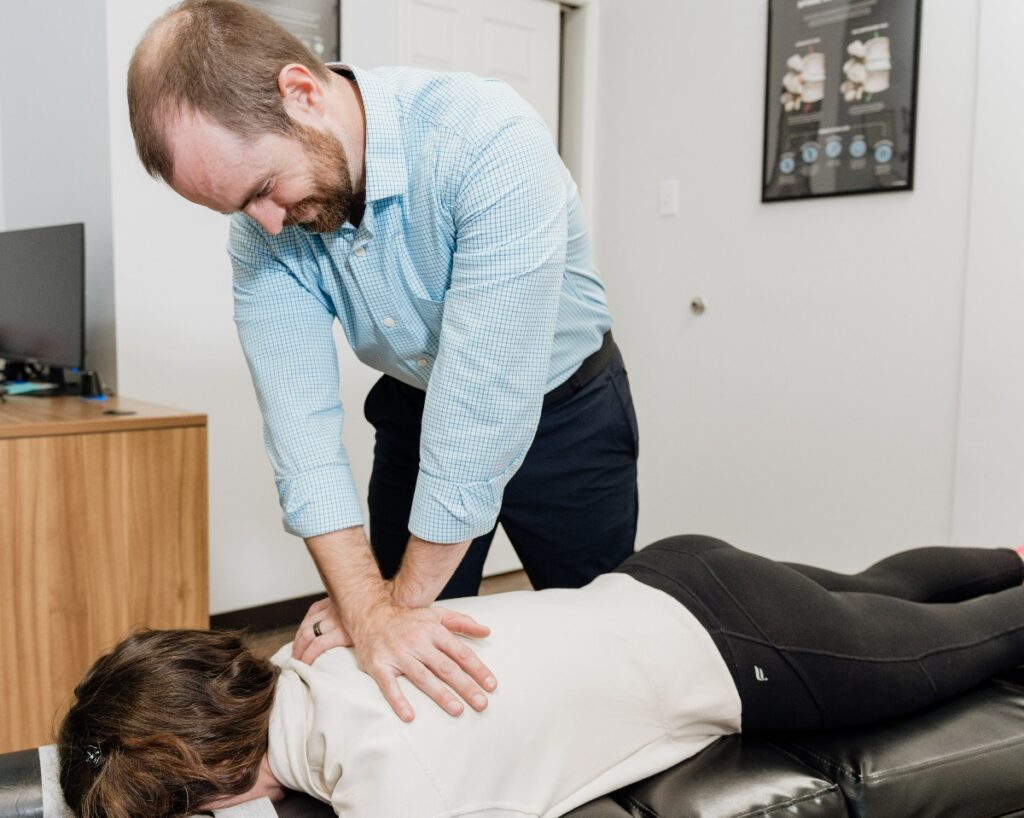
- Chiropractic Adjustments: Regular visits to a chiropractor can help align your spine, which in turn can improve your flexibility. Proper alignment reduces tension in your muscles and joints, allowing for a greater range of motion.
- Dynamic Warm-ups: Before any activity, engage in dynamic stretches that mimic the movements you’ll be doing. This helps prepare your muscles and joints, making them more pliable and ready for action.
- Mindful Stretching: Incorporate gentle, mindful stretching into your routine. Focus on your breath and listen to your body. Stretching should never be painful; instead, it should feel relieving and rejuvenating.
- Consistency is Key: Make flexibility training a regular part of your routine. Just like chiropractic care, consistency leads to better results. Aim to stretch several times a week for optimal benefits.
- Hydration Matters: Keep your body hydrated. Proper hydration helps maintain the elasticity of your muscles and connective tissues, making it easier to stretch and move freely.
- Posture Awareness: Pay attention to your posture throughout the day. Good posture prevents strain and helps maintain the natural curvature of your spine, which can enhance flexibility.
- Strength Training: Incorporate strength training exercises that promote flexibility. Strong muscles support your joints and can improve your overall range of motion.
- Foam Rolling: Use a foam roller to release tension in your muscles. This self-myofascial release technique can help improve blood flow and flexibility by loosening tight areas.
- Incorporate Yoga: Practicing yoga is an excellent way to improve flexibility while also promoting relaxation and mindfulness. Many yoga poses focus on stretching and strengthening the body.
- Listen to Your Body: Lastly, always listen to your body. If something feels off or painful, seek guidance from a chiropractor. They can provide tailored advice and treatment to help you achieve your flexibility goals safely.
By integrating these strategies into your lifestyle, you can enhance your flexibility and overall well-being. Remember, chiropractic care is an essential part of maintaining a healthy body and achieving optimal flexibility. Don’t hesitate to reach out to a local chiropractor for personalized care that supports your journey toward better health.
Key Takeaways
- Start your workouts with dynamic stretching to prepare your muscles. This not only helps you move better but can also prevent injuries by enhancing your range of motion and ensuring your spine is ready for activity.
- After your workout, practice static stretching to help your muscles recover and lengthen. This is especially important for your spine and surrounding muscles, as it aids in restoring balance and flexibility post-exercise.
- Incorporate yoga into your routine. It’s a fantastic way to enhance your flexibility and balance while also promoting better blood circulation. Many yoga poses can help align your spine, which is beneficial for overall health.
- Use foam rolling techniques to alleviate muscle tension. This method can significantly improve recovery after physical activity and help maintain a healthy spine by ensuring your muscles are not overly tight.
- Don’t forget about strength training! Building core stability is crucial for supporting your spine. A strong core can greatly improve your flexibility and help you maintain proper posture, which is essential for overall well-being.
Remember, incorporating these practices into your routine not only aids in flexibility but also promotes a healthier spine. Regular chiropractic care can further enhance these benefits by ensuring your spine is aligned and functioning optimally. Embrace these tips for a more flexible and healthier life!
Incorporate Dynamic Stretching Into Your Warm-Up
When you incorporate dynamic stretching into your warm-up, you’re not just preparing your muscles; you’re also setting the stage for optimal health and wellness. Dynamic stretches, such as leg swings and arm circles, enhance blood flow and elevate your heart rate, effectively priming your body for action. These movements closely resemble the activities you’ll perform, allowing your joints and muscles to adapt and move freely.
As a chiropractor, I recommend starting with gentle movements and gradually increasing the intensity to minimize the risk of injury. A solid warm-up of about 10-15 minutes of dynamic stretching can activate your key muscle groups and help improve your range of motion and coordination. This can lead to better agility and strength during your workout, ultimately supporting your spinal health and overall well-being.
Remember, taking care of your body is essential for maintaining a healthy spine and preventing pain. Incorporating dynamic stretching into your routine not only prepares your body for physical activity but also promotes natural healing and healthier living.
Practice Static Stretching After Workouts
To enhance your flexibility and promote recovery, incorporating static stretching into your post-workout routine is essential. This practice helps to lengthen your muscles, improve your overall range of motion, and alleviate soreness—making it a wonderful complement to chiropractic care, which focuses on maintaining spinal health and overall wellness.
By holding each stretch for 15-30 seconds, you allow your muscles to relax and elongate. This not only promotes better flexibility over time but also supports your body’s natural healing processes. Remember, a healthy body is a flexible body!
Here’s a quick reference for effective static stretches that you can easily integrate into your routine:
| Stretch | Target Area | Duration |
|---|---|---|
| Hamstring Stretch | Hamstrings | 15-30 seconds |
| Quadriceps Stretch | Quadriceps | 15-30 seconds |
| Shoulder Stretch | Shoulders | 15-30 seconds |
Incorporating these stretches into your post-workout routine can help ease tension and enhance recovery, making it a great addition to your overall wellness plan. Consistency is key—make static stretching a regular part of your fitness regimen, and consider combining it with chiropractic care for optimal results.
Explore Yoga for Improved Flexibility
Yoga serves as an excellent complement to chiropractic care, enhancing flexibility while promoting relaxation and overall well-being. By engaging in various yoga poses, or asanas, you can gradually improve your range of motion and achieve better balance in your body. Consistent practice not only aids in lengthening tight muscles but also enhances blood circulation, which is vital for maintaining flexibility over time.
To get started, incorporate basic poses such as Downward Dog, Forward Bend, and Cat-Cow into your routine. These stretches effectively target multiple muscle groups and increase your body awareness, which can support your chiropractic treatment by helping you understand your body’s movements better.
As you become more comfortable, consider trying deeper stretches like Pigeon Pose and Warrior II, which will further challenge your flexibility.
It’s important to remember that breath plays a crucial role in your yoga practice. Focusing on deep, controlled breaths can help you relax into each pose, allowing for a more effective stretch. Patience is key; just like with chiropractic care, flexibility takes time to develop.
By making yoga a regular part of your routine alongside chiropractic visits, you’ll likely experience significant improvements in flexibility and overall health.
Incorporating yoga with chiropractic care not only helps in alleviating pain but also promotes a natural approach to wellness. Remember to listen to your body and consult with your chiropractor if you’re unsure about certain poses or how to integrate them into your treatment plan.
Together, yoga and chiropractic care can lead to a healthier, more flexible you!
Try Foam Rolling to Release Muscle Tension
Foam rolling can be a valuable addition to your wellness routine, particularly for releasing muscle tension and enhancing flexibility. As a chiropractor, I often emphasize the importance of maintaining a healthy spine and overall body function.
Foam rolling not only helps improve blood flow, which can aid in recovery after workouts, but it also plays a role in reducing muscle tightness that can contribute to spinal misalignments.
Here are some key benefits of foam rolling that align with your journey toward optimal health:
- Improved Flexibility: Regular foam rolling can help stretch out tight muscles, which may enhance your overall range of motion. This is important not just for athletic performance, but for daily activities and preventing injury.
- Muscle Recovery: After exercising, your muscles need time to heal. Foam rolling can speed up this recovery process by increasing circulation and helping to clear out metabolic waste from your muscles.
- Pain Relief: If you’re dealing with discomfort in your back or other areas, foam rolling can target specific muscle groups to alleviate tension. This can be particularly helpful in conjunction with chiropractic adjustments, which focus on realigning the spine and promoting overall body balance.
To get started with foam rolling, consider these effective techniques:
- Target Specific Areas: Focus on areas that feel particularly tight or sore, such as the back, calves, and thighs. Use your body weight to control the pressure you apply.
- Roll Slowly: Move slowly over the foam roller, spending extra time on any tender spots. This can help release knots and improve muscle elasticity.
- Breathe Deeply: As you roll, remember to breathe deeply. This can help relax your muscles and make the process more effective.
When choosing a foam roller, look for one that fits your needs. There are different densities available, so if you’re new to foam rolling, a softer roller may be a good starting point.
As you become more accustomed, you can explore firmer options.
Incorporating foam rolling into your routine can complement your chiropractic care, enhancing your overall wellness journey.
Remember, though, that while foam rolling is beneficial, it shouldn’t replace regular chiropractic adjustments, which are vital for maintaining spinal health and preventing future issues.
If you have any concerns or specific conditions, it’s always best to consult with your chiropractor for personalized advice.
Happy rolling!
Benefits of Foam Rolling
While many people believe that stretching is the only way to improve flexibility, I want to share how foam rolling can be an excellent complement to your wellness routine, especially when it comes to enhancing mobility and reducing discomfort.
As a chiropractor, I often see the benefits of foam rolling in my patients. It helps to relieve muscle tension and break up knots, which can lead to better blood flow and faster recovery after physical activity.
Using a foam roller can significantly reduce soreness and stiffness, making your stretching sessions much more effective. This simple practice not only enhances your physical comfort but also promotes relaxation, which can help lower stress levels and improve your overall mental well-being.
It’s a fantastic way to prepare your muscles for exercise, which can enhance your performance and prevent injuries.
Here are a few tips to get started with foam rolling:
- Target Key Areas: Focus on common tight spots like the back, thighs, and calves. Spend extra time on areas that feel particularly stiff.
- Roll Slowly: Move slowly over the foam roller, pausing on tender spots for 20-30 seconds to allow the muscle to release.
- Breathe Deeply: Remember to breathe deeply while rolling. This can help enhance relaxation and increase the effectiveness of the technique.
- Consistency is Key: Incorporate foam rolling into your routine regularly, ideally a few times a week, to see the most benefits.
Incorporating foam rolling into your wellness routine is a simple yet powerful way to support your journey towards optimal health and comfort.
While foam rolling isn’t a substitute for chiropractic care, it can be an effective part of a holistic approach to maintaining a healthy spine and body.
Always consider consulting with your chiropractor for personalized advice on how to integrate foam rolling and other techniques into your health regimen.
Techniques for Effective Rolling
To effectively release muscle tension and promote overall wellness, incorporating foam rolling into your routine can be a beneficial addition alongside chiropractic care. Start by positioning the foam roller under the targeted muscle group, such as your calves or thighs. Slowly roll back and forth, applying gentle pressure; take your time and don’t rush the process.
If you find a tender spot, pause and hold for 20-30 seconds to allow the muscle to relax, facilitating natural healing. Remember to maintain a steady breathing pattern to enhance relaxation.
Adjust your body weight as needed to increase or decrease the pressure, allowing you to find the right balance for your comfort. Incorporating foam rolling into your daily routine for 1-2 minutes per muscle group, especially in areas that feel tight, can help support your overall health.
Consistency is key; aim to foam roll several times a week to experience the best results.
Combining these techniques with regular chiropractic adjustments can enhance your body’s natural ability to heal and function optimally. This holistic approach not only addresses muscle tension but also supports spinal health, leading to a healthier lifestyle overall.
Best Foam Rollers Available
When you’re ready to enhance your foam rolling experience, choosing the right roller can make all the difference in your journey towards optimal health and wellness. As a chiropractor, I believe that foam rolling can be a valuable addition to your self-care routine, complementing your chiropractic care.
If you’re seeking deeper muscle release, a high-density foam roller is a great option. The TriggerPoint Grid Foam Roller is a favorite among many; its unique design effectively targets knots and tension, promoting better mobility and recovery.
For those just starting out, a softer roller like the AmazonBasics Foam Roller can provide excellent support without overwhelming pressure, making it easier to incorporate into your routine. Remember, foam rolling is a tool to enhance your body’s natural healing processes, just like chiropractic care.
If you’re serious about recovery, consider the RumbleRoller, which features ridges designed to mimic a massage therapist’s hands. This can be particularly beneficial in relieving tightness in your muscles.
For those on the go, the travel-sized TriggerPoint Grid Mini is compact and fits easily in your bag, ensuring you can take your self-care routine anywhere.
Always remember that the best foam roller is one that meets your specific needs and helps you alleviate muscle tension efficiently. Pairing foam rolling with regular chiropractic adjustments can significantly enhance your overall well-being.
Choose wisely and enjoy the numerous benefits of a well-rounded approach to health!
Engage in Consistent Strength Training
To enhance your flexibility, it’s essential not to overlook the role of strength training. Strengthening your muscles contributes to core stability and muscle balance, which are vital components for improving flexibility.
By integrating regular strength workouts into your routine, you not only support your flexibility goals but also promote a healthier spine and overall well-being.
As a chiropractor, I want to emphasize that consistent strength training, combined with chiropractic care, can significantly enhance your body’s ability to move freely and comfortably. A strong foundation not only aids in flexibility but also helps prevent injuries and alleviate pain.
Here are some simple tips to get you started:
- Incorporate Bodyweight Exercises: Simple movements like squats, lunges, and push-ups can help build strength without any special equipment.
- Focus on Core Strength: Your core plays a crucial role in stability. Consider exercises like planks or bridges to strengthen this area.
- Listen to Your Body: If you experience pain during any exercise, it’s crucial to stop and consult with a chiropractor. They can provide insights into maintaining proper form and preventing injuries.
- Combine Strength with Stretching: After your strength workout, take time to stretch. This not only improves flexibility but also promotes recovery.
- Stay Consistent: Aim for regular strength training sessions, ideally 2-3 times a week, to see the best results.
Build Core Stability
Building core stability is crucial not only for enhancing your flexibility and strength but also for supporting your overall health and well-being. A strong core plays a vital role in maintaining good posture and balance, which can greatly impact your spinal health. By incorporating consistent strength training into your routine, you can develop this stability and support your spine naturally.
Chiropractic care is an excellent option for those looking to improve their core strength, as it focuses on aligning the spine and optimizing the nervous system, which can enhance your overall bodily functions. Here are some simple exercises that can help you strengthen your core while promoting natural healing:
| Exercise | Sets | Reps |
|---|---|---|
| Plank | 3 | 30s |
| Russian Twists | 3 | 15 |
| Dead Bugs | 3 | 10 |
| Bird-Dogs | 3 | 10 |
| Side Plank | 3 | 30s |
In addition to these exercises, remember to maintain a healthy lifestyle by staying active and hydrated, which can further support your core strength and spinal health. Consider visiting your chiropractor regularly for adjustments, as this can help alleviate pain and promote better movement patterns, ensuring that your core exercises are effective and safe.
Improve Muscle Balance
Achieving core stability is a crucial first step in improving muscle balance, which is vital for overall strength and flexibility. When your muscles work together in harmony, it not only enhances your physical performance but also supports a healthy spine. A balanced body can lead to reduced pain and discomfort, making chiropractic care an excellent choice for those looking to achieve optimal health.
To enhance muscle balance, consider incorporating consistent strength training that targets both major and minor muscle groups. Focus on exercises that promote symmetry, such as lunges, squats, and resistance band work. These movements not only build strength but also help ensure that your body is functioning as it should.
Unilateral movements like single-leg deadlifts or single-arm rows are particularly effective for addressing imbalances. They challenge your muscles and help correct any discrepancies. As you engage in these exercises, be mindful of your form. Proper technique is essential to activate the right muscles and prevent injury. If you’re unsure about your form, consider consulting with a chiropractor who can provide guidance and support.
Gradually increasing weights and resistance is key to muscle adaptation. However, remember that balance isn’t solely about strength; it also involves coordination and control. By committing to a regular routine that includes these principles, you’ll feel stronger and more stable, which will contribute positively to your overall wellness.
Incorporating chiropractic care into your routine can further enhance your muscle balance and overall health. Regular adjustments can help align your spine, improve your posture, and reduce pain, making it easier for you to engage in physical activities.
Embrace these tips, and you’ll be on your way to a healthier, more balanced life!
Utilize Resistance Bands for Stretching
While many people think of resistance bands primarily for strength training, they can also significantly enhance your flexibility and overall wellness. Incorporating resistance bands into your stretching routine is a fantastic way to support your body’s natural movements and improve your spinal health.
By anchoring one end of the band to a stable surface and holding the other end, you create gentle tension that helps elongate your muscles and supports your joints, promoting a healthier spine.
For example, when performing hamstring stretches, lie on your back and loop the band around your foot while raising one leg. As you gently pull the band, you’ll experience a deeper stretch without straining your back or hamstrings. This method not only feels good but also encourages proper alignment, which is essential for preventing discomfort and enhancing your overall mobility.
Resistance bands can also be beneficial for shoulder and hip stretches, helping to increase your range of motion. Regularly incorporating these bands into your flexibility routine not only enhances your stretches but also fosters muscle balance, which is crucial for maintaining a healthy spine and reducing pain.
Remember, while resistance bands are a great tool, they work best in conjunction with regular chiropractic care. A chiropractor can help assess your specific needs, provide personalized stretches, and ensure your spine is aligned, supporting your journey toward optimal health.
Embrace these tips, listen to your body, and consider how chiropractic care can be a cornerstone of your natural wellness strategy.
Focus on Breathing Techniques During Stretches
As you stretch, paying attention to your breathing can significantly enhance the effectiveness of your routine and promote deeper relaxation. By synchronizing your breath with your movements, you create a harmonious flow that eases tension and allows for more effective stretches.
Start by inhaling deeply through your nose, filling your lungs and expanding your ribcage as you prepare to stretch. Then, exhale slowly through your mouth, letting go of any tightness and enabling your body to sink deeper into the stretch.
Maintaining a steady rhythm with your breathing is key. For example, inhale as you lengthen your muscles and exhale as you ease into the position. This mindful breathing not only calms your mind but also increases oxygen flow to your muscles, which can help alleviate discomfort and improve your overall stretching experience.
Being aware of your breath allows you to connect more fully with your body, enhancing your overall flexibility journey. It’s important to recognize that flexibility and relaxation can play a significant role in spinal health.
As a chiropractor, I encourage you to incorporate these breathing techniques into your routine, as they can complement chiropractic care by helping to relieve tension and promote natural healing.
Remember, the goal is to be present in the moment, aligning your breath with your movements. This practice is a simple yet powerful tool you can use to support your journey toward optimal health and wellness.
Embrace these techniques, and consider how regular chiropractic adjustments can further enhance your body’s ability to move freely and comfortably.
Schedule Regular Flexibility Sessions
Incorporating regular flexibility sessions into your routine is an excellent way to enhance the benefits of mindful breathing techniques and support your overall spinal health. By dedicating time to stretching, you’ll not only promote better range of motion but also reduce muscle tension and improve your comfort throughout the day. This is particularly important for maintaining a healthy spine and preventing pain.
Here are some helpful tips to effectively schedule these flexibility sessions into your week:
- Set a specific time: Choose a consistent time each week to establish a habit. This could be in the morning to start your day or in the evening to unwind.
- Start small: If you’re new to stretching, begin with short sessions of just 5-10 minutes. As you become more comfortable, you can gradually increase the duration to 15-20 minutes.
- Mix it up: Incorporate a variety of stretches to target different muscle groups, especially those that support your spine. This not only helps you avoid boredom but also ensures a well-rounded approach to flexibility.
- Listen to your body: Pay close attention to how your body feels during each stretch. If something doesn’t feel right, don’t hesitate to adjust the intensity or skip that particular stretch.
- Stay accountable: Consider inviting a friend or family member to join you for your flexibility sessions. Sharing the experience can keep you motivated and make it more enjoyable.
Maintain Proper Hydration for Muscle Health
Staying properly hydrated is essential for maintaining not just your muscle health and flexibility, but overall wellness. When you keep your body well-hydrated, your muscles can recover more quickly and perform better during physical activities. This is especially important if you’re looking to support your spinal health and enhance your chiropractic care.
Here are some simple tips to help you maintain optimal hydration levels:
- Drink Water Throughout the Day: Aim to drink water consistently, rather than just when you feel thirsty. Keeping a water bottle handy can remind you to sip regularly.
- Incorporate Hydrating Foods: Foods like cucumbers, watermelon, and oranges have high water content and can contribute to your overall hydration. Including these in your meals can make a big difference.
- Limit Dehydrating Beverages: Try to reduce consumption of caffeinated and sugary drinks, as they can lead to dehydration. Instead, focus on pure water or herbal teas.
- Monitor Your Urine Color: A simple way to gauge your hydration level is by checking the color of your urine. Light yellow usually indicates proper hydration, while dark yellow may suggest you need more fluids.
- Listen to Your Body: Pay attention to signs of dehydration, such as fatigue, dizziness, or muscle cramps. If you notice these symptoms, increase your water intake immediately.
By prioritizing hydration, you’re not only supporting your muscle health but also enhancing your body’s ability to heal naturally, reinforcing the benefits of chiropractic care.
Remember, a well-hydrated body can lead to better performance and recovery, which complements the adjustments and therapies you receive from your chiropractor.
Embrace these hydration tips for a healthier, pain-free life!
Importance of Hydration
Proper hydration is vital for maintaining muscle health, especially if you’re working on improving flexibility. When your body is well-hydrated, your muscles can function optimally, leading to smoother movements and a greater range of motion. Conversely, dehydration can result in muscle cramps and stiffness, which can impede your progress and overall comfort.
As a chiropractor, I want to emphasize the importance of hydration as part of a holistic approach to wellness. Here are some simple tips to help you stay hydrated:
- Drink water before, during, and after your workouts to support your muscles and spine.
- Include hydrating foods like cucumbers and watermelon in your meals; they can contribute to your fluid intake while providing essential nutrients.
- Keep an eye on your urine color; a light yellow hue usually indicates that you’re well-hydrated.
- Set reminders on your phone to encourage regular water intake throughout the day; staying consistent is key!
- Always carry a reusable water bottle with you to make it easy to sip on water when you’re on the go.
Remember, proper hydration not only aids in muscle function but also supports your overall spinal health and well-being. By prioritizing hydration, you’re taking a crucial step towards a healthier, more active lifestyle.
If you’re experiencing any discomfort or pain, consider incorporating chiropractic care into your wellness routine to achieve optimal health naturally.
Hydration and Muscle Recovery
Hydration is crucial for muscle recovery after those intense workouts, and as a chiropractor, I can’t stress enough how important it is for your overall health and wellness. When you keep your body well-hydrated, your muscles can bounce back more effectively, which helps reduce soreness and improve your performance. On the flip side, if you’re not drinking enough water, you might experience cramps and your recovery time could stretch out longer than necessary.
Let’s break down how hydration impacts your muscle health and why it should be a priority in your wellness routine:
| Factor | Importance | Recommendation |
|---|---|---|
| Water Intake | Helps deliver nutrients to muscles | Drink water throughout the day |
| Electrolytes | Keeps muscles functioning properly | Add foods rich in electrolytes to your meals |
| Recovery Time | Supports better overall performance | Make sure to rest adequately between workouts |
Remember, staying hydrated isn’t just about drinking when you’re thirsty. It’s about creating a habit of consistent water intake. This can complement the benefits of regular chiropractic care, which focuses on ensuring your body is aligned and functioning optimally. Proper hydration, along with chiropractic adjustments, can enhance your body’s natural healing processes and help you achieve better overall health.
Incorporating these hydration tips into your daily routine can make a significant difference in how you feel after exercising. Alongside chiropractic care, you can take control of your health and wellness naturally!
Tips for Staying Hydrated
To maintain optimal muscle health and support your overall well-being, staying hydrated is key. Proper hydration not only helps your muscles function efficiently but also enhances flexibility and aids in recovery—essential elements for a healthy spine.
Here are some practical tips to ensure you stay on top of your hydration:
- Drink water regularly: Keep a reusable water bottle with you at all times, and take sips throughout the day to maintain your hydration levels.
- Monitor your urine color: Aim for a light yellow hue; darker urine can be a sign that you need to hydrate more.
- Incorporate water-rich foods: Add fruits and vegetables like watermelon, cucumbers, and oranges to your diet. These not only hydrate you but also provide essential nutrients for your spine and muscles.
- Set reminders: Use your phone or a simple alarm to remind you to drink water at regular intervals, making hydration a part of your daily routine.
- Hydrate around your workouts: Drinking water before, during, and after exercise is crucial for keeping your muscles strong and flexible, which supports your spinal health.
Remember, staying hydrated isn’t just about drinking water—it’s about creating a lifestyle that promotes your body’s natural healing processes.
Listen to Your Body and Avoid Overstretching
Listening to your body is crucial when working on enhancing flexibility, particularly for maintaining a healthy spine and overall well-being. Ignoring your body’s signals can lead to painful overstretching, which can affect not just your muscles but your spinal alignment as well. Pay close attention to how your muscles and joints feel during stretches. If you experience sharp pain or discomfort, it’s a clear indication to ease off.
Remember, flexibility isn’t about pushing through pain; it’s about gently expanding your range of motion to promote a balanced body.
Before you begin stretching, ensure you start with a warm-up. This prepares your muscles and supports spinal health. Gradually ease into each stretch, holding each position for a few breaths. Focus on your body’s response, and if you feel any tightness, breathe into the stretch, allowing your body to relax and release tension further.
Chiropractic care plays a vital role in helping you achieve optimal flexibility and pain relief. Regular adjustments can help align your spine, improve your range of motion, and ensure your nervous system is functioning at its best. By incorporating chiropractic care into your wellness routine, you can support your body’s natural healing processes and promote a healthier lifestyle.
As you work on your flexibility, here are some tips to keep in mind:
- Always listen to your body; it knows best.
- Warm up your muscles before stretching to prevent injury.
- Hold stretches for a few breaths and focus on relaxing into them.
- Consider regular chiropractic visits to maintain spinal health and overall wellness.
Conclusion
As a chiropractor, I want to share ten authentic methods to enhance your flexibility and overall physical well-being. Flexibility is vital for maintaining a healthy spine and preventing injuries. Start by warming up with dynamic stretches, which prepare your muscles and joints for movement. After your activities, take the time to cool down with static stretches to promote recovery and maintain flexibility.
Incorporating yoga into your routine can help you find balance, both physically and mentally. It’s a wonderful practice that complements chiropractic care by promoting proper alignment and reducing tension in the body. Speaking of tension, consider foam rolling; this technique can release tight muscles and improve circulation, enhancing your overall flexibility.
Strength training is also essential for building stability, which supports your spine and helps prevent injuries. Make sure to stay hydrated, as proper hydration is crucial for muscle function and recovery. Always listen to your body—if something feels too intense, it’s important to ease back to avoid overstretching.
Commit to regular sessions focused on flexibility, and you’ll likely notice improvements in a short time. Remember, chiropractic care is an excellent way to support your journey towards optimal health, helping to align your body and enhance your natural ability to move freely. Your body will appreciate the effort you put into maintaining its health and flexibility!