
If you’ve been dealing with chronic back pain, sciatica, or neck discomfort that just won’t go away, you’ve probably searched for solutions that don’t involve surgery or heavy medications. You may have come across the term “spinal decompression” and wondered if it could help you find relief. Here in Magnolia, TX, many patients at Southern Wellness Chiropractic ask us about this therapy and whether it’s the right fit for their specific condition. Understanding what spinal decompression involves, how it works, and who benefits most can help you make an informed decision about your care.
This article will walk you through everything you need to know about spinal decompression therapy, from the science behind it to what you can expect during treatment. We’ll also discuss who makes a good candidate, potential benefits, and how this approach fits into a comprehensive chiropractic care plan. By the end, you’ll have a clearer picture of whether spinal decompression might be worth exploring for your individual situation.
What Is Spinal Decompression?
Spinal decompression is a non-surgical therapy that uses gentle, controlled traction to stretch the spine, creating negative pressure within the spinal discs. This process aims to relieve pressure on compressed nerves, promote nutrient and oxygen flow to damaged discs, and encourage the body’s natural healing processes. It’s commonly used for conditions like herniated discs, degenerative disc disease, sciatica, and chronic neck or back pain.
Table of Contents
- How Does Spinal Decompression Work?
- Common Conditions Treated with Spinal Decompression
- Who Is a Good Candidate for Spinal Decompression?
- How Chiropractic Care Fits In
- What to Expect During Treatment
- Benefits and Supporting Research
- Practical Tips for Patients Considering Spinal Decompression
- When to See a Chiropractor
- Spinal Decompression vs. Other Treatment Approaches
- Myths vs. Facts About Spinal Decompression
- Final Thoughts
How Does Spinal Decompression Work?
Spinal decompression therapy works by applying carefully calibrated traction to the spine. This traction gently stretches and releases the vertebrae in a rhythmic pattern, which creates negative pressure inside the discs. Think of it like creating space between the bones of your spine.
When discs are compressed due to injury, aging, or repetitive stress, they can bulge or herniate, pressing on nearby nerves. This pressure often causes radiating pain, numbness, tingling, or weakness. By reducing that pressure through controlled stretching, spinal decompression aims to encourage several positive changes.
First, the negative pressure may help retract bulging or herniated disc material back toward the center of the disc. Second, increased space between vertebrae can reduce nerve compression. Third, the pumping action of the traction promotes circulation of fluids, oxygen, and nutrients into the disc, supporting the healing process.
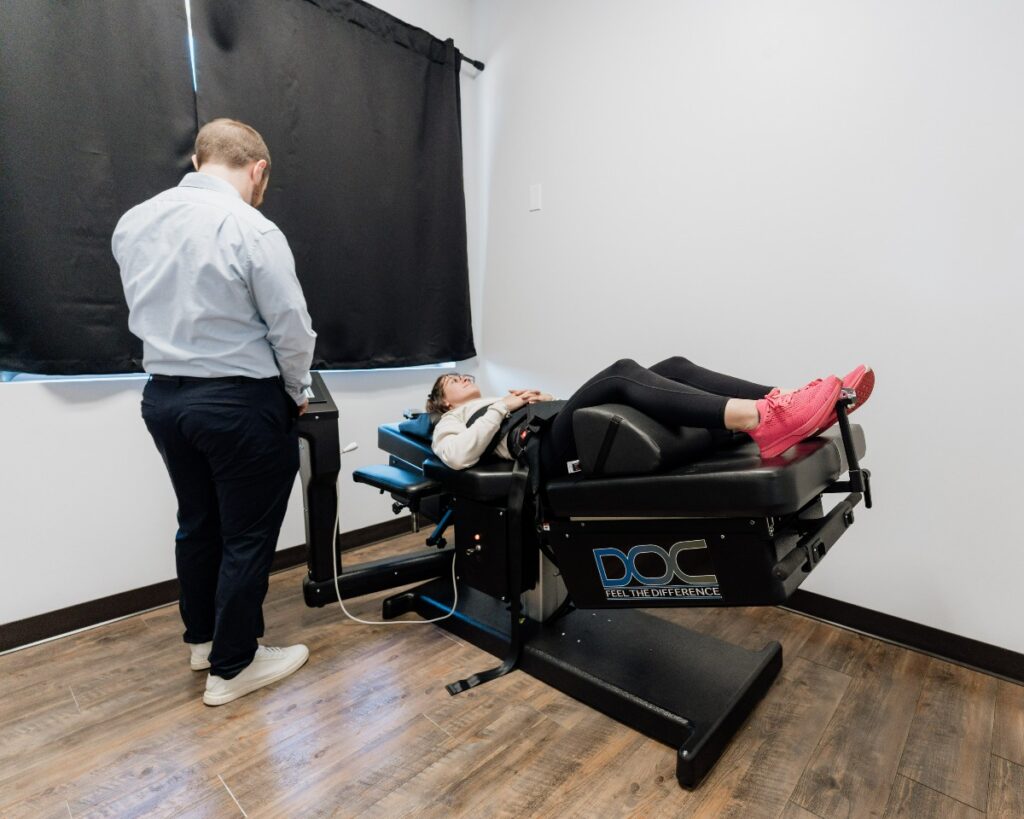
The treatment is delivered using a specialized table or device. You lie comfortably on the table, secured with harnesses, and the equipment gently pulls and releases in precise intervals. Sessions typically last between 20 and 45 minutes, and most treatment plans involve multiple sessions over several weeks.
The Science Behind Disc Health
Spinal discs act as shock absorbers between your vertebrae. They’re made of a tough outer layer and a gel-like inner core. These discs don’t have a direct blood supply, so they rely on movement and pressure changes to draw in nutrients and expel waste products.
When discs are constantly compressed or injured, they struggle to maintain their health. Decompression therapy mimics the natural pumping action that occurs during healthy movement, which may help restore disc function over time. Evidence suggests that mechanical traction can reduce intradiscal pressure and improve symptoms in certain patients with disc-related pain.
Common Conditions Treated with Spinal Decompression
Spinal decompression is not a one-size-fits-all solution, but it has been shown to help with a range of specific conditions. Here are some of the most common reasons patients at Southern Wellness Chiropractic in Magnolia explore this therapy.
Herniated or Bulging Discs
When the soft inner material of a spinal disc pushes through a tear in the outer layer, it can press on spinal nerves. This often causes sharp, radiating pain down the legs or arms. Spinal decompression may help reduce the pressure on these affected nerves.
Sciatica
Sciatica occurs when the sciatic nerve, which runs from your lower back down through your legs, becomes compressed or irritated. Symptoms include pain, tingling, or numbness that radiates down one or both legs. Decompression therapy aims to relieve the underlying disc or nerve compression contributing to sciatic symptoms.
Degenerative Disc Disease
As we age, spinal discs naturally lose hydration and flexibility. This degeneration can lead to chronic pain, stiffness, and reduced mobility. By encouraging nutrient flow and reducing mechanical stress, spinal decompression may support better disc health and pain relief.
Facet Syndrome
Facet joints connect the vertebrae and allow your spine to move. When these joints become inflamed or compressed, they can cause localized back or neck pain. Decompression therapy may help by reducing the load on these joints.
Spinal Stenosis
This condition involves narrowing of the spinal canal, which can compress the spinal cord or nerves. While decompression therapy doesn’t cure stenosis, it may provide symptom relief by creating more space within the spinal structures.
Who Is a Good Candidate for Spinal Decompression?
Not everyone with back pain will benefit from spinal decompression. The best candidates are typically individuals with disc-related issues who haven’t found lasting relief through other conservative treatments.
Good candidates often include patients who experience chronic pain lasting several weeks or months, those diagnosed with herniated or bulging discs, individuals with sciatica or radiating nerve pain, and people looking to avoid surgery or manage symptoms without relying solely on pain medications.
Spinal decompression may also be appropriate for patients who have tried physical therapy, chiropractic adjustments, or other therapies with limited success. It works best when integrated into a comprehensive care plan that includes corrective exercises, lifestyle modifications, and ongoing chiropractic support.
Who Should Avoid Spinal Decompression?
Certain conditions make spinal decompression unsafe or inappropriate. Patients with severe osteoporosis, spinal fractures, tumors, or infections should not undergo this therapy. Pregnant women, individuals with spinal implants or hardware, and those with certain types of advanced arthritis may also need to avoid it.
If you have a pacemaker, metal implants in the spine, or have had spinal fusion surgery, discuss these factors with your chiropractor before starting treatment. A thorough evaluation will help determine if spinal decompression is safe and suitable for you.
How Chiropractic Care Fits In
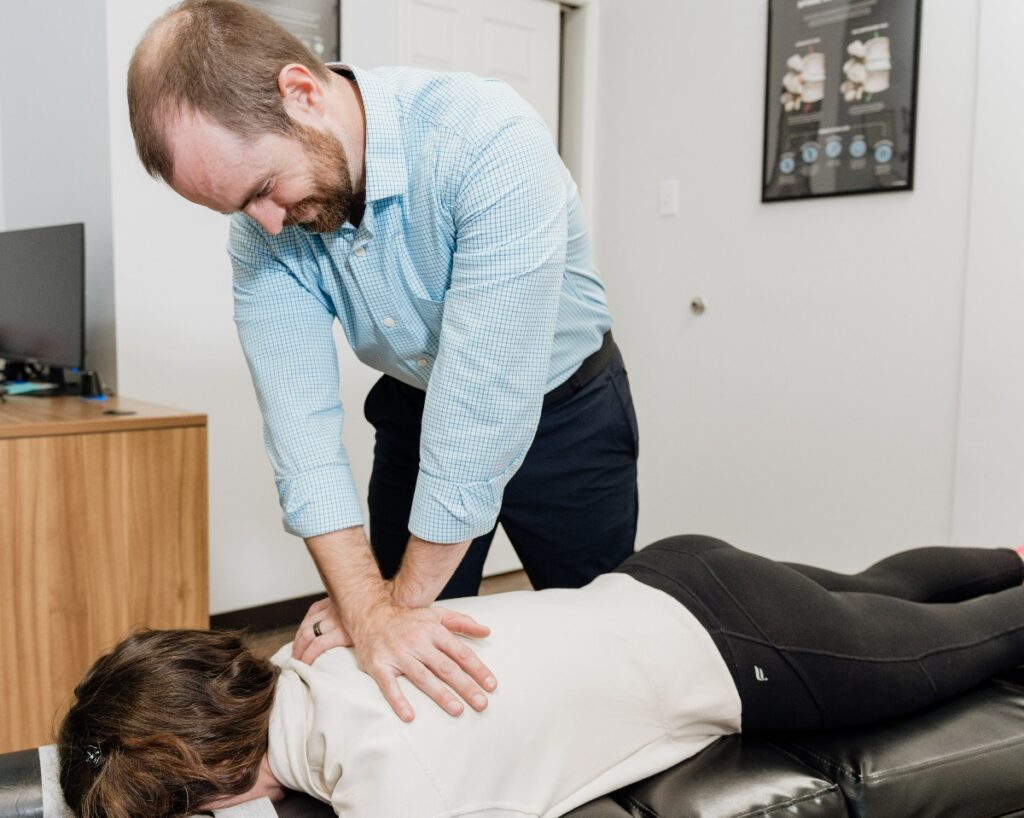
At Southern Wellness Chiropractic in Magnolia, TX, spinal decompression is one tool within a broader approach to musculoskeletal health. We believe in treating the whole person, not just isolated symptoms. That’s why spinal decompression is often combined with chiropractic adjustments, therapeutic exercises, and lifestyle counseling.
Chiropractic adjustments help restore proper spinal alignment and movement, which can enhance the effects of decompression therapy. When your spine moves correctly, your body is better able to heal and maintain improvements over time. We also emphasize corrective exercises to strengthen the muscles supporting your spine, reducing the risk of future injury.
What Treatment Looks Like at Our Practice
When you visit Southern Wellness Chiropractic for spinal decompression, the process begins with a comprehensive evaluation. We’ll review your health history, perform orthopedic and neurological tests, and may use diagnostic imaging to understand your condition fully.
If spinal decompression is appropriate, we’ll create a personalized treatment plan tailored to your needs. Sessions are gentle and comfortable. Most patients find the experience relaxing, and many even fall asleep during treatment.
Treatment plans vary based on severity and individual response, but many patients undergo sessions several times per week for four to six weeks. Progress is monitored closely, and adjustments are made as needed to optimize results.
What to Expect During Treatment
Understanding what happens during a spinal decompression session can help ease any anxiety and set realistic expectations. The process is straightforward and non-invasive.
You’ll lie down on a specialized decompression table, either face-up or face-down depending on the area being treated. Comfortable harnesses are placed around your pelvis and trunk to secure you safely. The table is controlled by a computer that delivers precise traction forces.
The traction is applied gradually and released in cycles. You’ll feel a gentle pulling sensation, but it should not be painful. If you experience discomfort, the chiropractor can adjust the settings immediately. Most patients describe the sensation as a gentle stretch or even a pleasant relief.
Sessions typically last between 20 and 45 minutes. During this time, you can relax, listen to music, or simply rest. After the session, you may feel looser and more comfortable, though some patients experience mild soreness initially as their body adjusts.
How Many Sessions Are Needed?
The number of sessions varies based on your condition, severity, and how your body responds. Research and clinical experience suggest that a typical course involves 15 to 30 sessions over four to eight weeks. Some patients notice improvement within the first few sessions, while others may require more time.
Consistency is important. Missing sessions or stopping treatment prematurely can reduce effectiveness. Your chiropractor will guide you through the process and adjust the plan as you progress.
Benefits and Supporting Research
Spinal decompression therapy has gained attention in recent years, and research suggests it may offer meaningful benefits for certain patients. While outcomes vary, many individuals report reduced pain, improved mobility, and enhanced quality of life.
Evidence indicates that non-surgical spinal decompression can help reduce intradiscal pressure and promote disc rehydration. Studies published in peer-reviewed journals have shown positive outcomes for patients with herniated discs and chronic low back pain when decompression is combined with other conservative therapies.
One study found that a significant percentage of patients with lumbar disc herniation experienced reduced pain and improved function after spinal decompression treatment. Another review highlighted that mechanical traction, when applied appropriately, can be a valuable component of a multimodal treatment approach.
It’s important to note that spinal decompression is not a cure-all. Results depend on factors like the severity of your condition, your overall health, and adherence to a comprehensive care plan. While some patients experience dramatic relief, others may see more modest improvements.
What Patients at Southern Wellness Chiropractic Experience
Here in Magnolia, patients often tell us that spinal decompression has helped them return to activities they love, reduce their reliance on pain medications, and avoid surgery. Many appreciate the non-invasive nature of the treatment and the personalized care they receive.
We combine spinal decompression with chiropractic adjustments, exercises, and education to maximize results. This integrative approach aligns with the philosophy that your body has an incredible ability to heal when given the right support.
Practical Tips for Patients Considering Spinal Decompression
If you’re thinking about trying spinal decompression, here are some practical steps to help you get the most out of your treatment and support your recovery.
Stay Consistent with Appointments
Consistency is key. Attend all scheduled sessions as recommended by your chiropractor. Skipping appointments or spacing them too far apart can slow progress and reduce effectiveness.
Communicate Openly with Your Chiropractor
Let your chiropractor know how you’re feeling before, during, and after each session. If you experience increased pain, discomfort, or any unusual symptoms, speak up right away. Adjustments can be made to ensure your safety and comfort.
Follow Home Care Instructions
Your chiropractor may recommend exercises, stretches, or lifestyle modifications to support your treatment. These recommendations are designed to reinforce the benefits of spinal decompression and help prevent future issues. Make them a regular part of your routine.
Maintain Good Posture Throughout the Day
Poor posture can undermine your progress. Be mindful of how you sit, stand, and move. Use ergonomic supports at work, avoid prolonged sitting, and practice good body mechanics when lifting or bending.
Stay Hydrated and Eat a Balanced Diet
Disc health depends on adequate hydration and nutrition. Drinking plenty of water and eating a diet rich in anti-inflammatory foods can support your body’s healing processes.
Be Patient and Realistic
Healing takes time. While some patients notice improvement quickly, others may need several weeks to experience significant relief. Trust the process and stay committed to your care plan.
When to See a Chiropractor
How do you know if it’s time to explore spinal decompression or seek chiropractic care? Here are some signs that it may be appropriate to schedule an evaluation.
If you’ve been dealing with back or neck pain for more than a few weeks despite rest and home care, it’s time to get a professional opinion. Persistent pain that interferes with daily activities, work, or sleep deserves attention.
Radiating pain, numbness, or tingling in your arms or legs can indicate nerve involvement. These symptoms often respond well to chiropractic care, including spinal decompression when appropriate.
If you’ve been diagnosed with a herniated disc, degenerative disc disease, or sciatica and are looking for non-surgical options, spinal decompression may be worth discussing with a chiropractor.
Red Flags That Require Immediate Medical Attention
While most back and neck pain can be managed conservatively, certain symptoms require urgent medical evaluation. Seek immediate care if you experience loss of bowel or bladder control, severe weakness in the legs, sudden onset of severe pain following trauma, or unexplained weight loss along with back pain.
These red flags may indicate serious underlying conditions that need prompt medical intervention. Your chiropractor will refer you to the appropriate specialist if any of these warning signs are present.
Spinal Decompression vs. Other Treatment Approaches
| Treatment Approach | Invasiveness | Recovery Time | Typical Use |
|---|---|---|---|
| Spinal Decompression | Non-invasive | Minimal to none | Disc-related pain, sciatica, chronic back pain |
| Chiropractic Adjustments | Non-invasive | Minimal to none | Joint dysfunction, misalignment, mobility issues |
| Physical Therapy | Non-invasive | Minimal to none | Muscle weakness, rehabilitation, mobility |
| Pain Medications | Non-invasive | None (symptom management) | Short-term pain relief, inflammation |
| Epidural Injections | Minimally invasive | Days to weeks | Severe nerve pain, inflammation |
| Spinal Surgery | Invasive | Weeks to months | Severe structural issues, failed conservative care |
Myths vs. Facts About Spinal Decompression
Myth: Spinal Decompression Is Painful
Fact: Spinal decompression should not be painful. Most patients find the treatment comfortable and relaxing. The traction is applied gradually and can be adjusted at any time to ensure your comfort. If you experience pain during a session, let your chiropractor know immediately so adjustments can be made.
Myth: Spinal Decompression Cures Herniated Discs Permanently
Fact: While spinal decompression can provide significant relief and promote healing, it’s not a guaranteed permanent cure. Disc health depends on many factors, including posture, movement patterns, and lifestyle habits. Long-term success requires ongoing self-care, exercise, and proper body mechanics.
Myth: You Can Do Spinal Decompression at Home with Inversion Tables
Fact: Professional spinal decompression uses precise, computer-controlled traction that targets specific spinal segments. Inversion tables apply generalized traction and lack the precision and safety controls of clinical decompression equipment. Home devices may offer some benefits, but they are not equivalent to professional treatment.
Myth: Spinal Decompression Is Only for Older Adults
Fact: Spinal decompression can benefit people of all ages who have disc-related pain or nerve compression. While degenerative disc disease is more common in older adults, younger individuals can also develop herniated discs or sciatica due to injury, repetitive stress, or poor posture.
Myth: If Spinal Decompression Doesn’t Work, Surgery Is the Only Option
Fact: There are many conservative treatment options available. If spinal decompression alone doesn’t provide adequate relief, combining it with chiropractic adjustments, physical therapy, exercise, and lifestyle changes may improve outcomes. Surgery is typically considered only after conservative measures have been thoroughly explored.
Final Thoughts
Deciding whether spinal decompression is right for you involves understanding your condition, exploring your options, and working with a trusted chiropractor who listens to your needs. At Southern Wellness Chiropractic in Magnolia, TX, we’re committed to helping our patients find relief through safe, effective, non-surgical care.
Spinal decompression is not a quick fix, but for many patients dealing with disc-related pain, sciatica, or chronic back discomfort, it offers a valuable alternative to medications or surgery. Combined with chiropractic adjustments, corrective exercises, and a proactive approach to wellness, it can be an important part of your journey toward better health.
If you’re struggling with persistent back or neck pain and want to explore whether spinal decompression might help, we encourage you to reach out. Here in Magnolia, we’re here to guide you, answer your questions, and create a personalized care plan that fits your goals. Your spine supports you every day—let’s work together to support it in return.
Frequently Asked Questions
Is spinal decompression therapy safe?
Yes, spinal decompression therapy is generally considered safe when performed by a trained chiropractor and when appropriate candidates are selected. Serious side effects are rare, though some patients may experience mild soreness initially as their body adjusts to treatment.
How long does it take to see results from spinal decompression?
Results vary by individual and condition severity. Some patients notice improvement within the first few sessions, while others may require several weeks of consistent treatment. A typical course involves 15 to 30 sessions over four to eight weeks.
Does insurance cover spinal decompression therapy?
Insurance coverage varies by provider and plan. Some insurance companies may cover spinal decompression when it’s deemed medically necessary, while others may not. It’s best to contact your insurance company and our office to discuss your specific coverage and payment options.
Can spinal decompression help with neck pain?
Yes, spinal decompression can be used to treat certain types of neck pain, especially when caused by herniated discs or nerve compression in the cervical spine. The treatment works similarly to lumbar decompression, using gentle traction to relieve pressure on affected nerves.
What’s the difference between spinal decompression and a chiropractic adjustment?
Chiropractic adjustments involve quick, controlled movements to restore proper joint alignment and mobility. Spinal decompression uses sustained, gentle traction to reduce intradiscal pressure and relieve nerve compression. Both are non-invasive and often complement each other in a comprehensive treatment plan.
Will I need maintenance sessions after completing a spinal decompression treatment plan?
Some patients benefit from periodic maintenance sessions to help sustain their results, especially if they have chronic or degenerative conditions. Your chiropractor will work with you to determine the best long-term plan based on your progress and individual needs.
TL;DR: Key Takeaways
- Spinal decompression is a non-surgical therapy that uses gentle traction to relieve pressure on spinal discs and nerves, often helping with conditions like herniated discs, sciatica, and chronic back pain.
- Good candidates include individuals with disc-related issues who haven’t found relief through other conservative treatments, while certain conditions like severe osteoporosis or spinal fractures make it inappropriate.
- Treatment typically involves multiple sessions over several weeks, and results are best when combined with chiropractic adjustments, exercises, and lifestyle changes.
- Research suggests spinal decompression can reduce pain and improve function, but outcomes vary and it’s not a guaranteed cure for all spinal conditions.
- At Southern Wellness Chiropractic in Magnolia, TX, spinal decompression is part of a comprehensive, patient-centered approach to musculoskeletal health that emphasizes natural healing and long-term wellness.