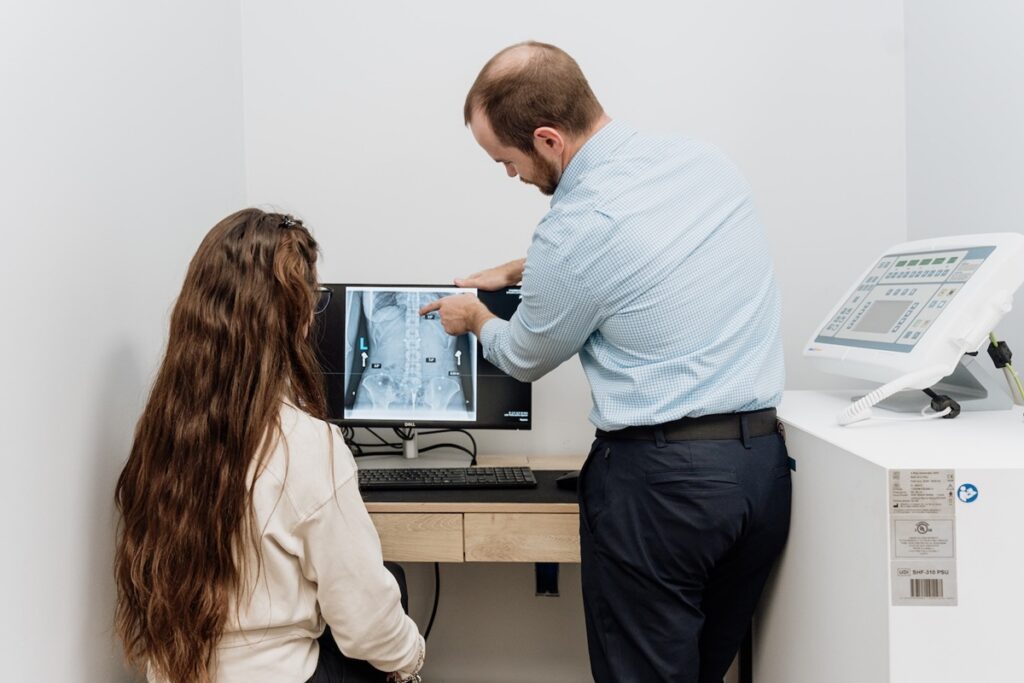

Managing chronic pain can indeed feel overwhelming, but as a local chiropractor, I’m here to share how preventative care—especially chiropractic care—can provide effective and natural solutions for discomfort. By incorporating regular physical activity, balanced nutrition, and effective stress management techniques into your routine, you can significantly reduce your pain.
Chiropractic care focuses on optimizing your spine and nervous system, which is essential for overall health and wellness. Regular adjustments can enhance your body’s ability to heal itself, minimize pain, and improve mobility. Additionally, making simple adjustments like creating an ergonomic workspace and prioritizing good sleep hygiene can have a profound impact on your comfort levels.
Curious about how these strategies come together to create a holistic approach to managing chronic pain? Let’s explore the ten key ways preventative care—including chiropractic adjustments—can transform your experience:
- Regular Chiropractic Adjustments: These can realign your spine, relieve tension, and promote better function of the nervous system, enabling your body to heal naturally.
- Incorporating Physical Activity: Gentle exercises, guided by your chiropractor, can strengthen muscles, improve flexibility, and reduce stiffness.
- Balanced Nutrition: Eating a well-rounded diet supports overall health and can help reduce inflammation, which may be contributing to your chronic pain.
- Effective Stress Management: Techniques like deep breathing, meditation, or yoga can help lower stress levels, which often exacerbate pain.
- Ergonomic Adjustments: Setting up your workspace to support good posture can prevent strain and discomfort during daily activities.
- Sleep Hygiene: Ensuring you get adequate, restful sleep is crucial for recovery and can significantly impact pain perception.
- Hydration: Drinking plenty of water keeps your joints lubricated and can help minimize pain.
- Mindfulness Practices: Engaging in mindfulness can help you manage pain better by shifting your focus and reducing anxiety.
- Regular Check-ups: Consistent visits to your chiropractor can help catch potential issues before they develop into chronic pain.
- Community Support: Connecting with support groups or wellness communities can provide encouragement and shared experiences that help you on your healing journey.
By focusing on these preventative measures—especially through chiropractic care—you empower yourself to manage and reduce chronic pain effectively and naturally. Remember, your body is capable of remarkable healing, and with the right support, you can achieve optimal health.
Key Takeaways
- Regular physical activity is essential for strengthening your muscles and improving flexibility. Not only does this help reduce pain, but it also plays a crucial role in preventing chronic issues from developing. Incorporating gentle exercises and stretches into your daily routine can make a significant difference in your overall well-being.
- Chiropractic care is a fantastic way to align your spine and enhance your nervous system function. By promoting natural healing, chiropractic adjustments help your body detect and address potential problems before they escalate into chronic pain. Regular visits to a chiropractor can keep your spine in optimal condition.
- Maintaining a balanced diet rich in whole foods and staying well-hydrated is key for weight management. This approach eases stress on your joints and can significantly reduce discomfort. Consider focusing on anti-inflammatory foods like fruits, vegetables, and healthy fats to support your body’s natural healing processes.
- Making ergonomic adjustments in your workspace and practicing good posture are simple yet effective ways to decrease spinal strain. Whether you’re sitting at a desk or lifting objects, paying attention to your posture can help manage and prevent chronic pain. Remember to take breaks and stretch throughout the day!
- Consistent sleep hygiene practices are vital for improving sleep quality, which is essential for recovery and effectively managing chronic pain. Establish a calming bedtime routine and create a comfortable sleep environment to support your healing journey. Quality sleep can enhance the benefits of chiropractic care and overall wellness.
By prioritizing these natural approaches to health and wellness, you can take control of your pain relief journey and support your body in achieving optimal health. Remember, chiropractic care is here to guide you every step of the way!
Regular Physical Activity
Regular physical activity is crucial for managing chronic pain and enhancing your overall well-being. As a chiropractor, I emphasize that engaging in consistent exercise not only strengthens your muscles but also improves flexibility and boosts endurance. This combination can significantly reduce pain and enhance your ability to carry out daily tasks. Whether you prefer walking, swimming, or practicing yoga, find activities that you enjoy; this will make it easier for you to stay committed.
Incorporating physical activity into your daily routine doesn’t have to feel overwhelming. Begin with short sessions, gradually increasing the duration and intensity as your body permits. Even light activities can yield substantial benefits over time. Additionally, consider incorporating strength training into your routine.
Building muscle supports your joints, which can help alleviate discomfort and improve your posture, ultimately contributing to better spinal health.
Always listen to your body—if you experience severe pain, it’s important not to push through it. Focus on maintaining a consistent routine rather than striving for high intensity. Remember, chiropractic care can also provide significant support in your journey to manage chronic pain.
Regular adjustments can help align your spine, enhance your nervous system function, and promote natural healing processes.
Balanced Nutrition
Balanced nutrition is essential for managing chronic pain and supporting your overall health, and it works hand in hand with the benefits of chiropractic care.
When you nourish your body with the right nutrients, you help reduce inflammation and support your body’s natural healing processes. It’s all about making smart food choices! Incorporate whole foods like fresh fruits, colorful vegetables, lean proteins, and healthy fats into your meals.
These foods are packed with the vitamins and minerals your body needs to alleviate pain and boost energy levels.
Omega-3 fatty acids, found in fish and flaxseeds, are especially great for reducing inflammation. It’s a good idea to steer clear of processed foods and added sugars, as these can often worsen pain and discomfort.
Don’t forget to drink plenty of water! Staying hydrated is crucial for maintaining joint health and overall well-being.
By prioritizing balanced nutrition along with chiropractic care, you empower your body to better manage pain and enhance your quality of life. Remember, the food you eat can impact how you feel, so make wise choices that support your health journey.
If you’re looking for natural ways to achieve optimal health and wellness, consider chiropractic care as a valuable part of your lifestyle. Together with good nutrition, it can help you feel your best!
Stress Management Techniques
Managing stress is essential for your overall well-being, especially when you’re dealing with chronic pain. As a chiropractor, I believe that incorporating natural healing techniques can significantly enhance your quality of life. Chiropractic care focuses on aligning your spine and nervous system, allowing your body to function optimally.
Alongside regular chiropractic adjustments, techniques like mindfulness meditation and deep breathing exercises can complement your journey to wellness. These practices help calm the mind and reduce tension, which can be particularly beneficial if you’re experiencing pain. Regular physical activity, tailored to your abilities, can also play a crucial role in relieving stress and promoting a healthier lifestyle.
Here are some simple tips to help you manage stress and improve your well-being:
- Mindfulness Meditation: Set aside just a few minutes each day to sit quietly and focus on your breath. This can help reduce anxiety and enhance your overall sense of peace.
- Deep Breathing Exercises: Practice deep breathing by inhaling slowly through your nose, holding for a moment, and then exhaling through your mouth. This technique can help lower stress levels and improve your body’s oxygen flow.
- Stay Active: Engage in gentle activities like walking or stretching. Movement can help release endorphins, which are natural pain relievers and mood lifters.
- Regular Chiropractic Care: Schedule consistent visits to your chiropractor. Adjustments can help relieve physical tension and stress, allowing your body to heal naturally.
- Connect with Nature: Take time to enjoy the outdoors. Nature has a calming effect and can help you feel more grounded and connected.
Mindfulness Meditation Practices
As a chiropractor, I understand the challenges that come with chronic pain, and I’m here to share how incorporating mindfulness meditation practices can significantly aid in your journey toward natural healing and wellness. By focusing on the present moment, you can foster a sense of calm, reduce anxiety, and enhance your ability to manage pain effectively.
Here are some straightforward techniques that you can easily integrate into your daily routine:
- Guided meditations: These are recordings designed to lead you through relaxation exercises. They can help you unwind and visualize a pain-free state, promoting overall well-being.
- Body scans: This technique involves paying attention to various parts of your body. By becoming more aware of how you feel, you can promote relaxation and better understand where tension might be affecting you.
- Breath awareness: Focusing on your breath serves as a great anchor for your thoughts. It helps to calm the mind and reduces stress, making it easier to handle discomfort.
- Loving-kindness meditation: This practice encourages you to cultivate compassion for yourself and others. By fostering positive feelings, you can facilitate emotional healing, which is essential for holistic health.
- Mindful walking: This involves moving slowly and deliberately while paying attention to your surroundings. It’s a great way to ground yourself in the moment and take a break from the chaos of daily life.
These mindfulness practices not only complement chiropractic care but also empower you to take an active role in your pain management journey. Together, we can work towards achieving optimal health and well-being through natural methods.
Deep Breathing Exercises
Incorporating deep breathing exercises into your daily routine can be an invaluable practice for managing stress and alleviating pain, especially when combined with chiropractic care.
These exercises serve to calm both your mind and body, helping to reduce the tension that often exacerbates chronic pain. By centering your focus on your breath, you can activate your body’s natural relaxation response, which helps lower cortisol levels and reduce stress.
To get started, find a comfortable position—whether sitting or lying down. Take slow, deep breaths in through your nose, allowing your abdomen to expand fully. Then, exhale gently through your mouth. Aim to practice this for five to ten minutes each day.
As you incorporate deep breathing into your routine, you may notice not only a decrease in stress but also an increased sense of control over your pain.
Remember, while deep breathing is a fantastic tool, it works best when integrated with regular chiropractic care. Chiropractic adjustments can help align your spine, improve your overall body function, and enhance the effectiveness of your breathing exercises.
Together, these practices can greatly improve your well-being and quality of life.
Make deep breathing a consistent part of your routine, and don’t hesitate to reach out to your chiropractor for additional support and guidance in your journey towards optimal health. With these holistic approaches, you can take meaningful steps towards a healthier, pain-free life.
Physical Activity Benefits
Regular physical activity significantly enhances your ability to manage stress and alleviate chronic pain, making it an essential part of a holistic approach to health.
As a chiropractor, I can tell you that engaging in consistent exercise not only releases endorphins—your body’s natural mood lifters—but also contributes to a more resilient spine and overall well-being.
Here are some ways physical activity can benefit you:
- Reduces muscle tension: Regular exercise helps release pent-up tension in your muscles, promoting relaxation and reducing discomfort in your back and neck. Combining exercise with chiropractic adjustments can enhance these effects.
- Improves sleep quality: Quality sleep is crucial for recovery and overall health. Regular activity can help you fall asleep faster and enjoy deeper sleep, which is essential for healing and maintaining a healthy spine.
- Increases energy levels: When you stay active, you improve your circulation and oxygen flow, leading to higher energy levels that make daily tasks less daunting. This is particularly important for maintaining an active lifestyle that supports spinal health.
- Enhances self-esteem: Physical activity boosts your self-image and confidence, contributing to a positive mindset. When you feel good about yourself, it can motivate you to prioritize your health, including regular chiropractic care.
- Promotes social interaction: Engaging in group activities or exercise classes can help you connect with others, reducing feelings of isolation and promoting a sense of community—an important aspect of overall wellness.
Incorporating physical activity into your routine can be a game changer for your health.
Here are a few practical tips:
- Start small: If you’re new to exercise, begin with short walks or gentle stretching. Gradually increase the intensity and duration as your body adapts.
- Listen to your body: Pay attention to how your body feels during and after exercise. If you experience discomfort, consult your chiropractor for guidance on safe movements.
- Focus on form: Proper technique is essential to prevent injuries. Consider working with a fitness professional or your chiropractor to ensure you’re exercising safely.
- Stay consistent: Aim for regular activity, even if it’s just a few minutes each day. Consistency is key to reaping the benefits of exercise.
- Combine with chiropractic care: Regular chiropractic adjustments can complement your exercise routine, helping to align your spine and enhance your overall health.
Remember, staying active is a vital part of maintaining a healthy spine and achieving optimal wellness.
If you have any questions or need personalized advice, don’t hesitate to reach out to your chiropractor.
Together, we can work towards a healthier, pain-free life!
Adequate Sleep Hygiene
Adequate sleep hygiene is vital for managing chronic pain and enhancing your overall well-being, especially when combined with chiropractic care. When you prioritize good sleep habits, you’re not just getting rest; you’re also allowing your body to heal and rejuvenate, which is crucial for maintaining a healthy spine and alleviating discomfort.
Start by establishing a consistent sleep schedule. Going to bed and waking up at the same time each day helps regulate your body’s internal clock, making it easier for you to fall asleep and wake up refreshed. Consider creating a calming bedtime routine that signals it’s time to wind down—this could include gentle stretches, which can help relieve tension in your back, or practicing mindfulness to ease your mind.
Make your sleep environment as comfortable as possible. Keep your bedroom dark, cool, and quiet, and invest in a good mattress and supportive pillows that promote spinal alignment. It’s also wise to limit screen time before bed and avoid caffeine or heavy meals close to bedtime, as these can interfere with your sleep quality.
Routine Health Screenings
Routine health screenings are essential for managing chronic pain and enhancing your overall wellness, especially when considering the benefits of chiropractic care.
These check-ups can help identify potential issues early on, allowing you to take proactive steps that can prevent your pain from escalating.
Regular screenings provide a comprehensive look at your health, enabling you to make informed decisions about your care, particularly in how chiropractic adjustments can support your journey to wellness.
Here are some key benefits of routine health screenings in conjunction with chiropractic care:
- Early detection of conditions like misalignments or muscle imbalances that could contribute to chronic pain.
- Monitoring changes in your health status, ensuring timely adjustments to your chiropractic treatment plan for optimal results.
- Assessing risk factors for developing additional health issues related to chronic pain, allowing for targeted chiropractic interventions.
- Building a relationship with your chiropractor, which fosters open communication and personalized support tailored to your needs.
- Empowering you with knowledge about your spinal health, encouraging you to take proactive steps in managing your pain through natural healing methods.
In addition to routine screenings, here are some simple tips you can incorporate into your daily routine to support your health and well-being:
- Stay Active: Engage in regular physical activity to strengthen your muscles and improve flexibility, which can alleviate pain.
- Maintain Good Posture: Be mindful of your posture while sitting, standing, and sleeping to reduce strain on your spine.
- Stay Hydrated: Drink plenty of water to keep your body hydrated and support overall health.
- Practice Stress Relief: Incorporate relaxation techniques such as deep breathing, yoga, or meditation to manage stress, which can exacerbate pain.
- Schedule Regular Chiropractic Visits: Regular adjustments can enhance your spinal health, aligning your body to function at its best.
Weight Management
Managing your weight is a crucial part of achieving overall health and wellness, especially if you’re dealing with chronic pain. Extra weight can place added stress on your joints and muscles, making discomfort worse and limiting your ability to move freely. By maintaining a healthy weight, you can significantly lighten the load on your body, which may help ease some of the pain you’re experiencing.
One of the best ways to manage your weight naturally is through a balanced diet filled with nutrient-rich foods like fruits, vegetables, lean proteins, and whole grains. This nutritional approach not only supports your weight management but also nourishes your spine and overall body, promoting healing and wellness.
Incorporating regular physical activity into your routine is essential as well. Choose exercises that feel good to you and that you can stick with over time. Activities like walking, swimming, or gentle yoga can be excellent options, especially because they’re low-impact and easy on your joints.
As a chiropractor, I believe in the power of natural healing and the body’s ability to restore itself when given the right support. Chiropractic care can play a significant role in helping you manage pain and improve your mobility. Regular adjustments can enhance your body’s function, making it easier for you to stay active and maintain a healthy weight.
Ergonomic Adjustments
When you’re setting up your workspace, it’s crucial to prioritize ergonomic adjustments to support your spine and overall well-being. Proper posture and alignment can significantly reduce strain on your body, helping you manage chronic pain more effectively. As a chiropractor, I can tell you that these adjustments not only promote comfort but also enhance your productivity throughout the day.
Here are some simple tips to create a more ergonomic workspace:
- Chair Height: Ensure your chair is at a height where your feet can rest flat on the ground. This helps maintain proper spinal alignment and reduces pressure on your lower back.
- Monitor Position: Your computer monitor should be at eye level, about an arm’s length away. This prevents neck strain and encourages a natural alignment of the spine.
- Keyboard and Mouse Placement: Keep your keyboard and mouse at a level that allows your elbows to remain close to your body and at a 90-degree angle. This can help prevent wrist strain and promote better posture.
- Take Breaks: Regularly step away from your desk to stretch and move around. This is essential for keeping your spine healthy and reducing stiffness.
- Use Supportive Tools: Consider using a lumbar roll or cushion to support your lower back while sitting. This can help maintain the natural curve of your spine.
Proper Workspace Setup
Creating a comfortable workspace is essential for reducing chronic pain and enhancing productivity. As a chiropractor, I know that your workspace setup can significantly impact your spinal health and overall well-being. By making some simple ergonomic adjustments, you can improve your comfort level and prevent discomfort.
Here are some key elements to consider:
- Adjustable chair: Ensure that your chair supports your lower back and is at the right height. This helps maintain the natural curve of your spine and promotes good posture.
- Desk height: Your elbows should be at a 90-degree angle when typing. This reduces strain on your shoulders and neck, which can lead to discomfort over time.
- Monitor placement: Position your screen at eye level. This helps to prevent neck strain and encourages a more relaxed posture while you work.
- Keyboard and mouse: Keep them close enough that you don’t have to reach, which can cause shoulder and back tension. Ideally, they should be on the same level as your elbows.
- Footrest: If your feet don’t rest flat on the ground, using a footrest can improve circulation and support your legs, which contributes to a more comfortable sitting position.
Implementing these adjustments can help you maintain a pain-free work environment and support your overall health. Remember, regular chiropractic care can also play a crucial role in achieving and maintaining optimal spinal health. By addressing any misalignments and promoting proper posture, chiropractic care can provide natural relief from pain and enhance your overall quality of life.
Make these adjustments to your workspace, and consider integrating chiropractic into your wellness routine for a healthier, happier you!
Posture and Alignment
Maintaining good posture and proper alignment is essential for preventing chronic pain, especially when you’re spending long hours sitting at work. As a chiropractor, I want to emphasize how these habits can positively impact your spinal health and overall well-being.
Start by making sure your chair is adjusted so that your feet are flat on the floor and your knees form a right angle. This helps to support your spine and reduce pressure on your back. Sit up straight and let the chair’s backrest support your lower back. It’s also important to position your computer screen at eye level to avoid straining your neck, which can lead to discomfort and misalignment over time.
As you type, keep your wrists straight and your elbows close to your body. This alignment not only promotes comfort but also reduces the risk of repetitive strain injuries. Regularly check your posture throughout the day; if you find yourself slouching, take a moment to correct it.
Incorporating short breaks to stretch your body can be incredibly beneficial. Simple stretches can help maintain alignment and reduce stiffness in your muscles and joints. Remember, movement is key!
Mindfulness and Meditation Practices
Managing chronic pain can be a daunting challenge, but incorporating mindfulness and meditation practices into your daily routine can offer significant relief and improve your overall health. By focusing on the present moment, you can reduce stress and create a sense of calm, which complements the benefits of chiropractic care.
Here’s how mindfulness and meditation can enhance your wellness journey:
- Deep Breathing: This simple practice not only helps you relax but also promotes better oxygen flow throughout your body, which can lower pain levels. Consider integrating deep breathing exercises into your day, especially before or after your chiropractic adjustments.
- Body Scan: By becoming more aware of your physical sensations through a body scan, you can identify areas of tension. This awareness can help you communicate more effectively with your chiropractor about discomfort, allowing for targeted care.
- Guided Imagery: Visualizing peaceful and calming places can help take your mind off pain. This mental distraction can be an excellent complement to your chiropractic treatments, enhancing your relaxation and healing process.
- Mindful Walking: This practice combines gentle movement with awareness, which can improve your mood and help maintain spinal health. Take a few moments each day to enjoy a mindful walk, paying attention to your posture and alignment as you move.
- Meditation Apps: These can provide structured sessions that fit into your busy life, making it easier to practice relaxation techniques regularly. Many apps focus on pain management and stress relief, aligning perfectly with your chiropractic care plan.
Integrating these mindfulness and meditation techniques with chiropractic care can enhance your journey toward optimal health and wellness. Remember, your spine is the foundation of your overall health, so pair these practices with regular chiropractic visits to support your body’s natural healing processes.
Focus on being kind to yourself and exploring these techniques to discover what works best for you.
Staying Hydrated
Staying hydrated is a vital component of managing chronic pain and promoting overall wellness. As a chiropractor, I understand the importance of hydration in helping your body function optimally. When you drink enough water, it can aid in reducing inflammation and keeping your joints well-lubricated—both crucial for minimizing discomfort.
Dehydration can lead to muscle cramps and heightened pain sensitivity, which can exacerbate your discomfort. To ensure you’re staying hydrated, aim for at least eight glasses of water a day, but feel free to adjust this based on your activity level and the climate you’re in. Additionally, incorporating hydrating foods like fruits and vegetables into your meals can provide extra hydration and nourishment.
Listen to your body’s signals: if you’re feeling thirsty or notice that your urine is darker than usual, it’s a clear indication that you need to drink more water. Consistent hydration can boost your energy levels, enhance your mood, and improve your overall health, all of which can contribute to a reduction in pain symptoms.
Supportive Social Networks
Supportive social networks are essential for managing chronic pain and can significantly enhance your journey towards optimal health and wellness.
When you surround yourself with understanding friends, family, or support groups, you foster a sense of belonging that can help reduce feelings of isolation.
These connections not only provide emotional support but also play a vital role in your overall wellness journey.
Here are some key benefits of having a strong social network, especially when you’re focused on natural healing and chiropractic care:
- Encouragement to Stick to Your Wellness Plan: Friends and family can motivate you to stay committed to your chiropractic treatment and lifestyle changes, ensuring you stay on track for better health.
- Shared Experiences: Engaging with others who understand your situation fosters a shared sense of empathy, making it easier to discuss your pain and wellness strategies.
- Opportunities for Low-Impact Activities: Participating in gentle, low-impact exercises together, like walking or yoga, can enhance your physical health and complement your chiropractic care.
- Access to Resources: A supportive network can share valuable information about natural healing practices, wellness tips, and local health resources that align with your chiropractic goals.
- Emotional Support: During challenging times, having a network of supportive individuals can provide the comfort and encouragement you need to stay positive and focused on your healing journey.
Incorporating these elements into your life can greatly enhance your experience with chiropractic care.
Remember to communicate openly with your social circle about your needs and goals, and don’t hesitate to seek out support groups that focus on wellness and natural healing.
Together, you can build a strong foundation for a healthier, pain-free life.
Conclusion
Incorporating these ten preventative care strategies into your daily routine can significantly reduce chronic pain and enhance your overall well-being. As a chiropractor, I believe that the right lifestyle choices can empower your body to heal naturally. Staying active, eating a balanced diet, managing stress, and prioritizing quality sleep are fundamental steps to support your spine and overall health.
Don’t underestimate the importance of ergonomic adjustments in your workspace and home environment. Simple changes can prevent strain and discomfort in your back and neck. Additionally, the support of friends and family plays a vital role in your healing journey. Surround yourself with positive influences who encourage healthy habits.
Chiropractic care is a cornerstone of achieving optimal health and pain relief. Regular adjustments can help align your spine, reduce tension, and promote natural healing processes. By embracing these practices and prioritizing chiropractic care, you can alleviate pain and improve your quality of life.
Take the first step today for a healthier, pain-free tomorrow!