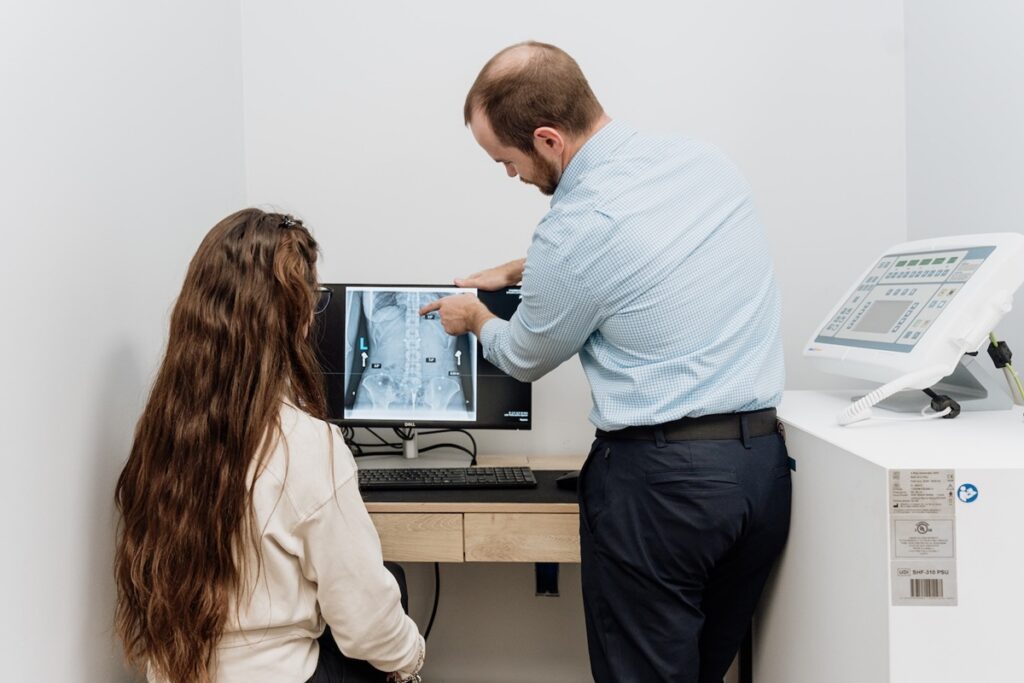

If you’re someone who experiences migraines, you may be searching for effective ways to manage the pain without relying on medications or invasive procedures. Chiropractic care can be a powerful ally in your journey towards relief and wellness. By focusing on spinal alignment and addressing muscle tension, chiropractic adjustments can lead to significant improvements in your migraine symptoms.
But there’s much more to chiropractic care than just adjustments. Chiropractors employ a variety of strategies that can enhance your overall well-being and help manage migraines. For example, regular chiropractic visits can improve your posture, which is essential since poor posture can contribute to tension headaches and migraines.
Additionally, chiropractors may suggest lifestyle changes, such as incorporating stress-reducing techniques like yoga or meditation, which can further aid in migraine management. Staying hydrated and maintaining a balanced diet are also key components of a healthier lifestyle that can help minimize migraine triggers.
Another benefit of chiropractic care is the emphasis on natural healing. By focusing on the underlying causes of your migraines rather than just masking the symptoms, chiropractic can empower you to take control of your health.
So, if you’re looking for a natural, holistic approach to migraine management, consider incorporating chiropractic care into your wellness routine. It’s not just about relieving pain—it’s about enhancing your overall health and helping you live your best life.
Key Takeaways
- Chiropractic adjustments play a crucial role in enhancing spinal alignment, which helps to reduce nerve pressure and alleviates common migraine triggers. By ensuring your spine is in optimal alignment, we can help reduce the frequency of your migraines.
- When we perform spinal adjustments, we improve nervous system function, which can boost your energy levels and support better sleep. Both of these factors are essential for effective migraine management. Remember, getting enough rest and staying energized can make a big difference in how you feel.
- One of the benefits of chiropractic care is its ability to reduce muscle tension and spasms. By addressing these issues, we can help decrease the frequency and intensity of migraines you might experience. Consider incorporating regular chiropractic visits into your wellness routine as a proactive measure.
- Spinal adjustments also enhance circulation, delivering vital nutrients and oxygen to your brain. This increase in blood flow can help ease migraine pain and promote overall brain health. Staying hydrated and maintaining a balanced diet can further support these effects.
- During your chiropractic sessions, we place a strong emphasis on educating you about posture and ergonomics. By improving your posture and being mindful of how you sit and stand throughout the day, you can prevent posture-related migraine triggers in the long term. Simple tips like adjusting your workstation or using supportive chairs can make a significant difference.
By choosing chiropractic care, you are opting for a natural, holistic approach to managing migraines and promoting your overall health. Remember, taking care of your spine is taking care of your body!
Alleviating Tension in the Spine
When you experience a migraine, the tension in your spine can significantly amplify the pain. Misalignments or tightness in your spine may contribute to the intensity of your headaches. That’s where chiropractic care comes in. Our primary focus is on realigning your spine and relieving that tension, which can greatly reduce your migraine symptoms.
During your visits, I’ll evaluate your spine and pinpoint any areas of restriction. Through gentle adjustments, we can restore proper alignment and help release built-up tension. This approach not only alleviates discomfort but also enhances blood flow and helps reduce inflammation.
Many patients notice that regular chiropractic adjustments lead to fewer and less severe migraines. By addressing spinal tension, you’re taking proactive steps toward achieving better overall health. If you’re struggling with migraines, consider how reducing tension in your spine through chiropractic care can be an effective part of your wellness journey.
In addition to chiropractic adjustments, there are some simple tips you can incorporate into your daily routine to support your spinal health and potentially reduce migraine occurrences. Make sure to stay hydrated, maintain good posture, and incorporate gentle stretching exercises into your day.
Prioritizing rest and managing stress through techniques like deep breathing or meditation can also be beneficial. By embracing these holistic approaches along with chiropractic care, you can pave the way for a healthier, more vibrant life.
Improving Nervous System Function
Addressing spinal tension through chiropractic care not only alleviates pain but also significantly enhances how your nervous system functions. When your spine is properly aligned, it improves communication between your brain and body, which is essential for optimal nerve performance. This improved function can lead to fewer migraine triggers and a more balanced response to everyday stress.
Chiropractic adjustments work by reducing interference in your nervous system, allowing it to function more smoothly and efficiently. As your body regains its natural balance, you may notice increased energy levels and improved focus—two key elements for overall well-being. Plus, this enhanced function can support better sleep patterns, which are crucial for managing migraines and maintaining good health.
To maximize the benefits of chiropractic care, consider incorporating some simple lifestyle tips into your daily routine. Regular stretching can help keep your spine flexible, while staying hydrated supports overall nerve function. Also, practicing stress-reduction techniques, such as deep breathing or gentle yoga, can complement your chiropractic treatments and promote a healthier nervous system.
Reducing Muscle Spasms
When muscle spasms strike, they can create tension and discomfort that may even worsen your migraines. As a chiropractor, I want to emphasize the importance of addressing these issues naturally through chiropractic care.
By focusing on spinal alignment and overall wellness, we can help alleviate that tension, improve blood circulation, and promote relaxation.
Chiropractic adjustments can target the root cause of muscle spasms, helping to restore balance to your body and reduce discomfort. This not only provides relief from the spasms but can also significantly lessen migraine symptoms.
In addition to chiropractic care, here are some simple tips you can incorporate into your daily routine to promote muscle relaxation and overall wellness:
- Stay Hydrated: Drinking plenty of water can help prevent muscle cramps and spasms.
- Gentle Stretching: Regularly stretching your muscles can improve flexibility and reduce the risk of spasms.
- Heat Therapy: Applying a warm compress or heating pad to tense areas can help relax muscles and ease discomfort.
- Mindful Breathing: Incorporate deep breathing exercises into your routine to help reduce stress and tension in your body.
- Regular Movement: Staying active with light exercises can keep your muscles from becoming stiff and promote overall health.
By prioritizing chiropractic care and these simple wellness tips, you can take proactive steps towards relieving muscle spasms and enhancing your overall quality of life.
Embrace a natural path to healing and find the relief you deserve!
Alleviating Tension in Muscles
Muscle tension can be a significant contributor to migraine pain, but there’s good news—chiropractic care offers effective, natural strategies to help alleviate this tightness and reduce muscle spasms. By focusing on spinal alignment and overall muscle health, chiropractors can target areas of tension that may be triggering your migraines.
During your chiropractic sessions, you can expect personalized adjustments that focus on specific muscle groups, promoting relaxation and improved function. Techniques such as soft tissue therapy are also beneficial, helping to release knots and tightness that can lead to discomfort.
Incorporating chiropractic care into your routine can lead to a noticeable decrease in muscle tension, which may result in fewer and less intense headaches. This holistic approach empowers you to take control of your migraine discomfort naturally.
Here are some additional tips to help manage muscle tension and support your chiropractic care:
- Maintain Good Posture: Pay attention to your posture while sitting or standing, as poor alignment can increase muscle tension.
- Stay Hydrated: Drinking plenty of water throughout the day helps keep muscles hydrated and functioning properly.
- Practice Relaxation Techniques: Incorporate deep breathing, meditation, or gentle yoga into your day to help reduce stress and muscle tension.
- Regular Exercise: Engage in regular physical activity to keep your muscles strong and flexible. Low-impact activities like walking, swimming, or cycling are great options.
- Heat Therapy: Applying heat to tense muscles can provide relief and promote relaxation.
Improving Blood Circulation
Improving blood circulation is vital for reducing muscle spasms, which can often trigger migraines. When your circulation improves, oxygen and nutrients flow more freely to your muscles, helping them relax and easing tightness. This is particularly important for areas like your neck and shoulders, where tension can lead to headaches.
As a chiropractor, I want to emphasize how spinal health can enhance blood flow throughout your body. Chiropractic adjustments are designed to realign your spine, which can help improve circulation and decrease the chances of experiencing muscle spasms. Techniques like targeted manipulation and stretching are effective at releasing tension and promoting a sense of ease in your body.
Here are a few simple tips to improve circulation and help manage migraines:
- Stay Hydrated: Drinking enough water is crucial for maintaining healthy circulation. Aim for at least 8 glasses a day.
- Regular Exercise: Engage in regular physical activity, even if it’s just a brisk walk. Movement encourages blood flow and keeps your muscles flexible.
- Stretching: Incorporate gentle stretches into your daily routine, especially for your neck and shoulders. This can help release tension and improve circulation.
- Chiropractic Care: Regular visits to your chiropractor can help maintain spinal alignment and promote better blood flow, reducing the likelihood of muscle spasms.
By focusing on circulation and muscle health, you’re taking proactive steps toward managing migraines and enhancing your overall well-being. With consistent effort, you may notice fewer migraine episodes and a greater sense of comfort in your daily life.
Enhancing Overall Relaxation Techniques
Finding effective ways to enhance your relaxation techniques is essential for reducing muscle spasms and alleviating migraine symptoms. As a local chiropractor, I believe that chiropractic care plays a vital role in this journey by addressing muscle tension and fostering overall relaxation.
By integrating specific relaxation methods into your daily routine, you can create a calmer environment for both your body and mind, leading to a healthier, more balanced life.
Here are some simple yet effective relaxation techniques to consider:
- Deep Breathing Exercises: Take a moment to focus on slow, deep breaths. This practice calms your nervous system and helps reduce stress. Try inhaling deeply through your nose for a count of four, holding for a count of four, and exhaling through your mouth for a count of four. Repeat several times to feel a sense of calm wash over you.
- Gentle Stretching: Incorporate light stretches into your day to release muscle tension and improve flexibility. Simple stretches can enhance blood flow and reduce discomfort. Consider stretching your neck, shoulders, and back gently to relieve tightness.
- Mindfulness Meditation: Practicing mindfulness can help you stay present and reduce stress. Find a quiet space, close your eyes, and focus on your breath or a calming thought. This practice enhances your body’s natural relaxation response, allowing you to unwind and reconnect with yourself.
By prioritizing these relaxation techniques and regularly visiting a chiropractor, you can effectively manage pain and promote a healthier lifestyle. Chiropractic care not only addresses physical discomfort but also supports your overall well-being.
Embrace these practices to experience the benefits of a more relaxed and pain-free life!
Enhancing Blood Flow
When you enhance blood flow, you boost the oxygen supply to your brain, which can significantly help ease migraine pain. Improved circulation also helps reduce muscle tension, making it easier for your body to handle stress and discomfort. One of the best ways to promote better circulation and support your overall well-being is through chiropractic care.
Chiropractic adjustments can help realign your spine, improving nerve function and blood flow throughout your body. This natural approach not only addresses misalignments but also promotes optimal health without the need for medications or surgeries. By enhancing your body’s ability to heal itself, chiropractic care can play a crucial role in helping you achieve pain relief and a healthier lifestyle.
Here are some tips to enhance your blood flow and overall wellness at home:
- Stay Active: Regular physical activity, even simple exercises like walking or stretching, can improve circulation and reduce tension.
- Stay Hydrated: Drinking plenty of water is essential for maintaining healthy blood flow. Dehydration can lead to fatigue and discomfort.
- Practice Good Posture: Maintaining proper posture can help keep your spine aligned and promote better circulation. Take breaks to stretch if you sit for long periods.
- Incorporate Relaxation Techniques: Activities like yoga, deep breathing, or meditation can reduce stress and enhance blood flow.
- Schedule Regular Chiropractic Visits: Regular check-ups with your chiropractor can help keep your spine aligned and your body functioning optimally.
Increased Oxygen Supply
Enhancing blood flow is crucial for alleviating migraine symptoms, and chiropractic care can significantly contribute to this improvement. When your chiropractor adjusts your spine, it promotes better circulation, which increases the oxygen supply to your brain. This surge in oxygen can lead to several benefits, including:
- Improved energy levels: You’ll feel more alert and focused, allowing you to tackle daily tasks with renewed vigor.
- Better nutrient delivery: With enhanced circulation, your brain receives the nutrients it needs, supporting overall health and function.
- Reduced inflammation: Chiropractic adjustments can help minimize inflammation, a common trigger for migraine attacks.
In addition to regular chiropractic care, consider incorporating some simple lifestyle tips to support your health:
- Stay Hydrated: Drinking plenty of water throughout the day can help maintain optimal blood flow.
- Practice Relaxation Techniques: Stress can exacerbate migraines, so try deep breathing, meditation, or yoga to reduce tension.
- Maintain a Healthy Diet: Eating a balanced diet rich in fruits, vegetables, and whole grains can support your overall health and help prevent migraines.
- Get Regular Exercise: Physical activity boosts circulation, releases feel-good hormones, and helps reduce stress, all beneficial for migraine sufferers.
Reduced Muscle Tension
Chiropractic care is a powerful way to reduce muscle tension, which can significantly help in managing migraine symptoms. When your muscles are relaxed, blood flow improves, allowing essential nutrients and oxygen to reach your brain more effectively. This increased circulation can lead to fewer and less intense migraine episodes.
Here’s a quick overview of how reducing muscle tension can help you manage migraines:
| Benefit | Explanation | Result |
|---|---|---|
| Improved Blood Flow | Relaxed muscles boost circulation | Better oxygen supply |
| Decreased Pain | Relief from tension eases discomfort | Less intense migraines |
| Enhanced Mobility | Looser muscles improve your range of motion | Greater flexibility |
| Stress Reduction | Relaxation techniques can lower anxiety | Fewer migraine triggers |
| Overall Well-being | Better physical health lifts your mood | Enhanced quality of life |
As your local chiropractor, I encourage you to consider the benefits of chiropractic care for managing migraines. By focusing on spinal health and muscle relaxation, we can work together to create a personalized plan that helps reduce your pain and improve your overall well-being.
Here are a few general tips to keep in mind for managing muscle tension and migraines:
- Stay Hydrated: Drinking plenty of water can help keep your muscles hydrated and functioning properly.
- Practice Good Posture: Maintaining proper posture can reduce muscle strain and tension, especially if you spend long hours at a desk.
- Incorporate Stretching: Regular stretching can help alleviate tightness in your muscles and improve flexibility.
- Use Relaxation Techniques: Techniques such as deep breathing, yoga, or meditation can lower stress levels and reduce tension in your body.
Addressing Posture Issues
Many people overlook how much poor posture can affect their overall health, especially when it comes to migraines. Slouching or hunching puts extra strain on your spine and neck, which can lead to tension that triggers headaches. That’s where chiropractic care comes in. By addressing these posture issues, we can help align your body and significantly reduce that strain.
Here are some ways improving your posture can benefit you:
- Better Spinal Alignment: When your spine is aligned correctly, it reduces pressure on your nerves and muscles, which can help decrease the frequency and intensity of migraines.
- Improved Muscle Function: Correct posture allows your muscles to work more efficiently. This means less tension and discomfort throughout your day, helping you to feel more relaxed and less prone to headaches.
- Increased Awareness: During chiropractic sessions, you’ll learn valuable techniques to maintain good posture, not just in the office but throughout your daily life. This awareness can prevent future posture-related issues and keep you feeling your best.
To get started on the path to better posture and headache relief, here are a few simple tips you can try at home:
- Sit Up Straight: Keep your back straight and your shoulders back when sitting. Consider using a chair that supports your lower back.
- Take Breaks: If you sit for long periods, remember to stand up, stretch, and move around every 30 minutes to keep your body from getting stiff.
- Mind Your Tech: When using your phone or computer, hold your devices at eye level to avoid hunching over.
Promoting Relaxation and Stress Relief
Managing stress effectively is crucial for preventing migraines, and chiropractic care is an excellent way to promote relaxation and overall wellness.
When you come in for a chiropractic visit, I focus on aligning your spine and relieving tension, which can significantly ease the physical effects of stress. Through gentle adjustments and soothing techniques like massage, I can help release tight muscles and enhance blood circulation, leaving you feeling more at ease.
Many of my patients find that regular chiropractic sessions not only relieve physical tension but also help to calm their minds. To maximize the benefits of your visits, consider incorporating relaxation techniques into your routine. Simple practices like deep breathing or guided imagery can enhance your experience and promote a sense of tranquility.
As part of your journey to better health, I also offer practical advice on lifestyle changes that can help you manage stress naturally. Engaging in regular physical activity, eating a balanced diet, and prioritizing sleep are all vital components of a healthier, happier life.
Offering Personalized Treatment Plans
To maximize the benefits of relaxation and stress relief, personalized treatment plans are essential in effectively managing migraines. By customizing your chiropractic care to fit your individual needs, you can experience greater relief and improve your overall wellness.
Your chiropractor will take the time to evaluate your specific symptoms, lifestyle, and triggers to develop a plan that’s just right for you.
Here are some important aspects of personalized treatment plans to consider:
- Individual Assessment: A comprehensive evaluation helps pinpoint the underlying causes of your migraines, allowing for targeted care.
- Customized Techniques: Your treatment may involve specific chiropractic adjustments, therapeutic massage, and practical lifestyle advice that cater to your unique situation.
- Ongoing Monitoring: Regular follow-ups are crucial for adjusting your plan as needed, ensuring you achieve the best possible results.
By embracing personalized chiropractic care, you can take an active role in managing your migraines and enhancing your quality of life. This approach empowers you to discover natural relief without the need for medications or surgeries.
Here are a few general tips that can complement your chiropractic care:
- Stay Hydrated: Dehydration can trigger migraines, so be sure to drink plenty of water throughout the day.
- Practice Stress Relief: Incorporate relaxation techniques such as deep breathing, yoga, or meditation into your daily routine to help reduce stress levels.
- Maintain Good Posture: Being mindful of your posture, especially while sitting at a desk, can alleviate tension in your neck and back, potentially reducing migraine occurrences.
- Keep a Migraine Diary: Tracking your symptoms, triggers, and what helps relieve them can provide valuable insights to share with your chiropractor.
With personalized chiropractic care and these simple lifestyle adjustments, you’re on your way to taking control of your migraine management and enjoying a healthier, happier life.
Conclusion
Incorporating chiropractic care into your migraine management can truly transform your life. By relieving tension in your spine, boosting the function of your nervous system, and addressing muscle spasms, you can enjoy fewer headaches and improved overall well-being. Chiropractic care focuses on natural healing, helping your body to work as it should without the need for medications or surgeries.
Tailored treatment plans designed just for you will take into account your specific triggers and lifestyle, making it easier to achieve lasting relief from migraines. Remember, your health journey is unique, and with chiropractic care, you have a partner in finding what works best for you.
Here are some general tips to enhance your migraine management:
- Stay Hydrated: Drinking plenty of water can help reduce the frequency of headaches.
- Practice Good Posture: Proper alignment can help prevent tension that leads to migraines.
- Manage Stress: Techniques like deep breathing, meditation, or gentle yoga can help keep stress levels down.
- Regular Chiropractic Visits: Consistent adjustments not only help with immediate pain relief but also promote long-term health benefits.
- Maintain a Healthy Diet: Eating balanced meals can help stabilize your energy levels and reduce headache triggers.
- Sleep Well: Aim for a consistent sleep schedule to help your body recover and reset.
Don’t hesitate to explore the many benefits of chiropractic care. Your journey to a more comfortable, migraine-free life starts here!