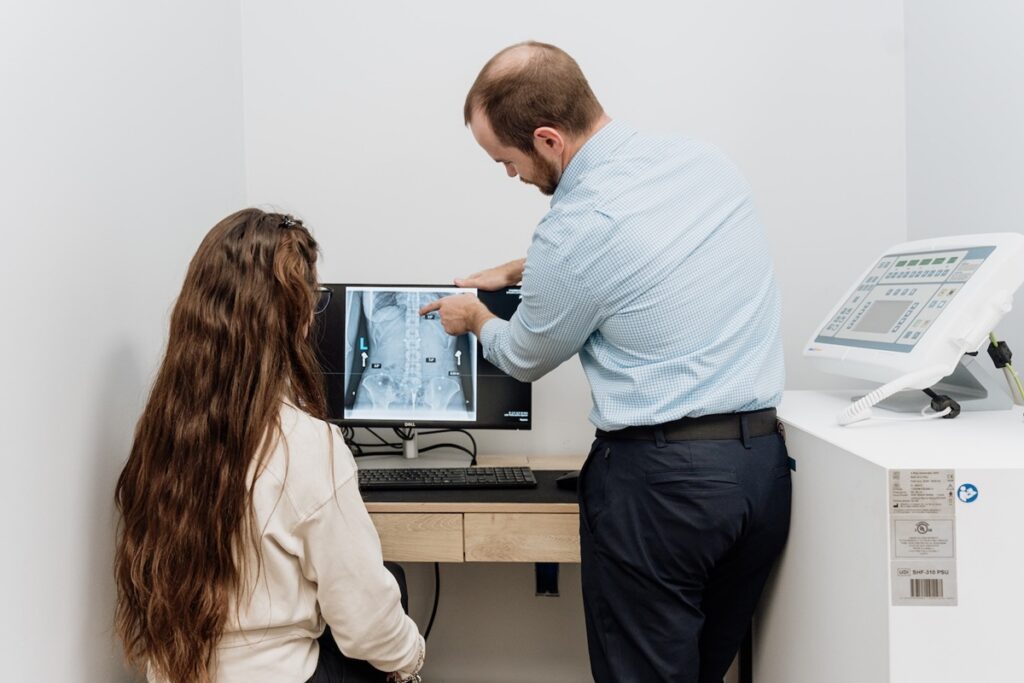

Chronic pain can significantly affect your daily life, making it crucial to explore effective management strategies that focus on natural healing. One of the best approaches to alleviating discomfort is through chiropractic care, which focuses on promoting spinal health and overall wellness. Regular chiropractic adjustments can help realign your spine, improve mobility, and reduce pain, allowing you to lead a more active and fulfilling life.
In addition to chiropractic care, incorporating regular exercise into your routine can be beneficial. Gentle activities like walking, swimming, or yoga can help strengthen your body and enhance flexibility, which may further reduce pain. It’s also wise to consider dietary changes that support your overall health, such as incorporating anti-inflammatory foods like fruits, vegetables, and whole grains.
Mindfulness practices, such as meditation and deep breathing, can aid in managing pain by promoting relaxation and reducing stress. Alternative therapies, like acupuncture and massage, can complement your chiropractic treatments and provide additional relief.
As you explore these options, remember that everyone’s journey is unique, and some methods may resonate more with you than others. Start implementing small changes today—such as scheduling a chiropractic appointment or committing to a 20-minute walk each day—to help bring relief and improve your quality of life. Your path to natural wellness is within reach!
Key Takeaways
- Chiropractic Care: Regular visits to your chiropractor not only help align your spine but also enhance your nervous system’s function. This natural approach offers effective pain relief without the need for medications, making it a top choice for those seeking holistic health solutions.
- Gentle Exercise Routine: Incorporating gentle, low-impact exercises into your daily routine can significantly improve your mobility and strengthen your core muscles. Always listen to your body; even simple stretches can alleviate stiffness and promote overall wellness.
- Heat and Cold Therapy: Using heat can be a wonderful way to relax and boost blood flow to tight muscles, while cold therapy is great for reducing inflammation and numbing acute pain. Both can be easily integrated into your self-care routine to enhance your comfort.
- Mindfulness and Stress Management: Practicing mindfulness and meditation can be incredibly beneficial. These techniques not only help reduce stress but also alter your perception of pain, making it easier to manage chronic discomfort.
- Posture and Ergonomics: Maintaining good posture and utilizing ergonomic practices in your daily activities are essential for supporting your spinal health. Simple adjustments, like using a supportive chair or mindful sitting, can prevent discomfort and enhance your overall well-being.
By prioritizing these strategies, particularly through chiropractic care, you can take significant steps toward managing chronic pain and achieving a healthier, more balanced life. Remember, your journey to wellness is a partnership, and your chiropractor is here to support you every step of the way.
Understanding Chronic Pain
Chronic pain can be a frustrating and isolating experience, especially when it lingers long after an injury has healed. You may find yourself wondering why this pain persists, even after treatments and time have passed. Understanding chronic pain is vital for managing it effectively, and that’s where chiropractic care can play a significant role.
Chronic pain often arises from changes in your body’s nervous system, affecting how you perceive pain signals. This can lead to heightened sensitivity, making even everyday activities feel overwhelming. As a chiropractor, I emphasize the importance of spinal health in managing pain. Your spine houses the nervous system, and maintaining its alignment can help improve how your body communicates and responds to pain.
There are many factors that contribute to chronic pain, including genetics, emotional well-being, and lifestyle choices. You might notice that stress or anxiety worsens your discomfort. Chiropractic care can help alleviate pain while also promoting relaxation and stress relief. Regular chiropractic adjustments can enhance your overall health and create a supportive environment for healing.
Here are some general tips to help manage chronic pain naturally:
- Stay Active: Gentle exercises, such as walking or stretching, can improve blood flow and reduce stiffness. Always consult with your chiropractor for specific exercises tailored to your needs.
- Practice Good Posture: Proper posture is essential for spinal health. Be mindful of your body position when sitting, standing, or lifting to avoid unnecessary strain on your spine.
- Incorporate Relaxation Techniques: Activities such as yoga, meditation, or deep breathing can help manage stress and reduce pain perception.
- Stay Hydrated and Eat Well: A balanced diet rich in anti-inflammatory foods can support overall wellness and help reduce pain.
- Seek Support: Surround yourself with friends and family who understand what you’re going through. Sharing your experiences can help reduce feelings of isolation.
Ultimately, understanding chronic pain and how it affects you is the first step toward finding effective management strategies. With the right chiropractic care, you can work toward achieving optimal health and experiencing relief from chronic pain. Remember, you’re not alone on this journey, and there are natural, effective ways to improve your quality of life.
Implementing a Regular Exercise Routine
Implementing a regular exercise routine can significantly enhance your overall well-being and assist in managing chronic pain, especially when paired with chiropractic care. As a local chiropractor, I want to emphasize that certain exercises can be particularly beneficial for your specific condition, and developing a consistent routine can lead to remarkable improvements in your health.
Chiropractic care focuses on restoring proper alignment and function to your spine, which plays a crucial role in your body’s overall health. By incorporating tailored exercises into your routine, you can support your spine’s health and optimize your body’s natural healing processes.
Here are a few tips to help you get started:
- Listen to Your Body: Pay attention to how your body feels during and after exercise. If something doesn’t feel right, it’s important to stop and consult with your chiropractor.
- Start Slow: If you’re new to exercising, begin with gentle movements like stretching, walking, or light yoga. Gradually increase the intensity as your body adapts.
- Focus on Core Strength: A strong core supports your spine and can alleviate pain. Incorporate exercises that strengthen your abdominal and back muscles, such as planks or bridges.
- Maintain Good Posture: Whether you’re exercising or going about your daily activities, being mindful of your posture can prevent strain on your spine.
- Stay Hydrated: Drinking plenty of water is essential for overall health and can aid in muscle recovery after exercise.
- Seek Guidance: Consider working with your chiropractor to develop a personalized exercise plan that aligns with your health goals and addresses any specific concerns related to your spine.
Remember, chiropractic care is a holistic approach to health that emphasizes the body’s ability to heal itself. By combining regular exercise with chiropractic adjustments, you can achieve optimal health and a better quality of life.
Embrace the journey towards better health, and don’t hesitate to reach out to your chiropractor for support along the way!
Benefits of Regular Exercise
Regular exercise can significantly improve your quality of life, particularly when dealing with persistent pain. As a chiropractor, I believe that incorporating a consistent workout routine can complement chiropractic care and promote natural healing.
Here are some key benefits of regular exercise that can help you on your journey to optimal health:
- Improved Mobility: Keeping your body moving is essential for maintaining flexibility and reducing stiffness. This can make daily activities feel much easier and more enjoyable. Simple exercises like stretching or low-impact activities can work wonders!
- Enhanced Mood: Exercise is a natural way to boost your mood. When you move your body, it releases endorphins, which can help lift your spirits and combat feelings of anxiety or depression that often accompany chronic pain. Consider activities that you enjoy, whether it’s walking, dancing, or yoga, to make it fun!
- Increased Strength: Building muscle strength is crucial for supporting your joints and alleviating strain on your body. This can lead to a decrease in pain levels over time. Resistance training, even with light weights or bodyweight exercises, can be incredibly beneficial.
- Better Sleep: Engaging in regular physical activity can improve your sleep patterns. Quality sleep is vital for recovery and managing pain effectively. Aim for a routine that includes exercise during the day, which can help you feel more energized and ready to rest at night.
Incorporating these exercise tips into your daily routine can enhance the effectiveness of your chiropractic care and promote overall wellness. Remember, it’s essential to listen to your body and consult with your chiropractor to tailor an exercise program that best fits your individual needs. Together, we can work towards a healthier, pain-free life!
Suitable Exercise Types
Finding suitable exercise types for your routine is essential for managing pain and promoting overall wellness. As a chiropractor, I emphasize the importance of gentle, low-impact exercises that not only keep you active but also reduce strain on your body. Activities like swimming, cycling, and walking are fantastic choices, as they provide cardiovascular benefits while being kind to your joints.
Incorporating stretching exercises, such as yoga or Pilates, can significantly enhance your flexibility and relieve muscle tension. These practices encourage proper alignment and can complement chiropractic adjustments, helping you maintain a balanced spine. Strength training with light weights is also beneficial; it builds muscle support around areas that may be experiencing discomfort, which can lead to increased stability and pain relief.
Always listen to your body’s cues—if something doesn’t feel right, it’s crucial to stop rather than push through the discomfort. Additionally, consider adding balance exercises to your routine. Improving your stability can prevent falls and reduce the risk of injuries, complementing the benefits of chiropractic care.
Don’t hesitate to explore different activities to find what resonates with you. Enjoyment is key to maintaining a long-term exercise routine. Remember, chiropractic care is an excellent way to support your body’s natural healing process, and combining it with these exercise strategies can lead to optimal health and wellness.
Establishing a Routine
Creating a consistent exercise routine is a vital step in managing chronic pain and improving your overall well-being.
Regular physical activity not only helps alleviate discomfort but can also elevate your mood. Here’s how you can effectively establish an exercise routine that complements your chiropractic care:
- Start Slow: Begin with gentle, low-impact activities like walking or stretching. These movements can help ease tension in your muscles and joints without overwhelming your body.
- Set Goals: Define clear and achievable fitness goals. Whether it’s walking a certain number of steps each day or stretching for a few minutes, having specific targets can keep you motivated and focused.
- Schedule Workouts: Choose specific days and times for your exercise sessions. By treating these workouts like important appointments, you can build a consistent routine that works in harmony with your chiropractic treatments.
- Listen to Your Body: It’s crucial to pay attention to how your body feels during and after exercise. If something doesn’t feel right, don’t hesitate to adjust your routine. Your chiropractor can help guide you on safe exercises tailored to your needs.
By integrating regular exercise into your life alongside chiropractic care, you can support your journey to optimal health and natural pain relief.
Practicing Mindfulness and Meditation
How can mindfulness and meditation enhance your experience with chronic pain? By shifting your focus from the pain itself to the present moment, these practices can help you cultivate a sense of calm and acceptance. When you engage in mindfulness, you learn to observe your thoughts and feelings without judgment, which can help alleviate the anxiety and stress often associated with chronic pain.
Meditation provides you with a mental space where the sensation of pain may feel less overwhelming. Start with just a few minutes each day, focusing on your breath or a calming phrase. Over time, you’ll notice that these brief moments of stillness can empower you to manage your pain more effectively.
Incorporating mindfulness and meditation into your daily routine complements the benefits of chiropractic care, which is a natural approach to pain relief and overall wellness. Chiropractic adjustments can help align your spine and improve your body’s function, which can further enhance your ability to cope with chronic pain.
Here are some simple tips to get started:
- Set aside a few minutes each day for mindfulness or meditation. Find a quiet spot where you can sit comfortably.
- Focus on your breath. Inhale deeply through your nose, hold for a moment, and exhale slowly through your mouth. This can help center your thoughts.
- Stay present. If your mind wanders to thoughts of pain, gently bring your focus back to your breath or a calming phrase.
- Combine with chiropractic care. Regular visits to your chiropractor can help maintain proper spinal alignment, which is key to reducing pain and improving well-being.
Embrace these practices alongside chiropractic care, and you may discover relief in ways you hadn’t expected. Remember, you’re not alone in this journey, and there are natural, effective solutions available to help you lead a healthier, more fulfilling life.
Exploring Dietary Changes
Incorporating mindfulness and meditation into your daily routine can create a solid foundation for exploring dietary changes that may help alleviate chronic pain. Being mindful of what you eat allows you to identify foods that not only support your overall health but also help reduce inflammation.
Here are some dietary changes to consider that align well with a holistic approach to wellness, particularly when complemented by chiropractic care:
- Increase Omega-3 Fatty Acids: Consider adding more fish like salmon, as well as walnuts and flaxseeds to your meals. These foods are known to help combat inflammation, which is vital for maintaining spinal health and overall well-being.
- Focus on Whole Foods: Make a conscious effort to choose fruits, vegetables, whole grains, and lean proteins over processed foods. Whole foods are packed with nutrients that can enhance your body’s healing processes and support your chiropractic care.
- Stay Hydrated: Ensure you’re drinking plenty of water throughout the day. Staying hydrated is crucial because dehydration can worsen pain and lead to discomfort in your spine and joints.
- Limit Sugar and Refined Carbs: Try to cut back on sugary snacks and white bread. These foods can trigger inflammation, making your pain management more challenging. Instead, opt for healthier snack alternatives that won’t compromise your wellness journey.
Making these dietary adjustments can significantly enhance your overall health and may lead to a reduction in chronic pain. Remember, these changes don’t have to happen overnight; embrace them gradually and pay attention to how they positively impact your body.
As you explore these dietary changes, consider pairing them with regular chiropractic care, which offers a natural approach to pain relief and promotes better spinal health. Together, these strategies can help you achieve optimal wellness and a more vibrant life.
Utilizing Heat and Cold Therapy
When managing chronic pain, incorporating heat and cold therapy into your routine can be a game-changer, especially when combined with the holistic approach of chiropractic care.
Heat therapy is fantastic for soothing tight muscles and enhancing blood flow, which can help reduce discomfort and promote healing. On the other hand, cold therapy is great for minimizing inflammation and numbing sharp pain, providing immediate relief.
To make the most out of these therapies, consider these simple tips:
- Heat Therapy: Use a warm compress or heating pad on the affected area for 15-20 minutes. This can help relax tight muscles and increase circulation, making it easier for your body to heal itself. Always ensure the heat is warm, not scalding.
- Cold Therapy: Apply an ice pack wrapped in a cloth to the painful area for about 15 minutes. This can help reduce swelling and numb discomfort, especially after physical activity. Remember to never place ice directly on your skin to avoid frostbite.
- Chiropractic Care: Regular visits to your chiropractor can enhance the effectiveness of heat and cold therapy. By aligning your spine and improving your overall body function, chiropractic adjustments can help your body respond better to these therapies.
- Listen to Your Body: Everyone’s pain is unique. Pay attention to how your body responds to heat and cold therapy, and adjust your methods accordingly. What works for one person may not work for another.
- Stay Consistent: Incorporating these therapies into your daily routine can provide cumulative benefits over time, helping you manage chronic pain more effectively.
By integrating heat and cold therapy with chiropractic care, you can create a robust pain management routine that promotes natural healing and overall wellness.
Benefits of Heat Therapy
Heat therapy is a fantastic tool for easing discomfort and enhancing your overall quality of life, especially when it comes to managing chronic pain. By applying warmth to specific areas of the body, you can unlock several benefits that complement the natural healing process offered by chiropractic care:
- Increased Blood Flow: Applying heat prompts better circulation, which means more oxygen and essential nutrients are delivered to your muscles. This is beneficial for recovery and overall muscle health.
- Muscle Relaxation: Heat helps to relax tight muscles, alleviating tension and stiffness. This can make it easier to perform daily activities and improve your range of motion.
- Pain Relief: The comforting warmth can reduce the pain signals sent to your brain, providing you with a sense of relief that supports your body’s natural healing.
- Enhanced Flexibility: Heat therapy can improve joint mobility, making movements easier and more comfortable. This is particularly helpful for those who experience stiffness in their joints.
Incorporating heat therapy into your daily routine can be a game-changer for your wellness journey. You can use a heating pad, enjoy a warm bath, or apply a hot compress to areas that need attention.
However, remember that while heat therapy can provide significant relief, it’s essential to pair it with chiropractic adjustments for optimal results. Chiropractic care focuses on maintaining spinal alignment and overall health, addressing the root causes of your discomfort rather than just treating the symptoms.
For maximum benefit, try to incorporate heat therapy before your chiropractic visits, as it can enhance the effectiveness of your adjustments. Always listen to your body and consult with your chiropractor for personalized recommendations.
Embracing these practices can lead you to a healthier, pain-free life.
Advantages of Cold Therapy
Using cold therapy can be an excellent addition to your pain management routine, especially when paired with chiropractic care. Cold therapy is effective in reducing inflammation and numbing sore areas, offering quick relief from discomfort. When you apply cold packs, they constrict blood vessels, which helps decrease swelling and can ease muscle spasms.
Here’s a quick look at how cold therapy compares to heat therapy:
| Cold Therapy | Heat Therapy |
|---|---|
| Reduces inflammation | Relaxes muscles |
| Numbs pain | Increases blood flow |
| Best for acute injuries | Ideal for chronic conditions |
Incorporating cold therapy into your wellness plan can enhance your comfort and mobility, especially when working alongside chiropractic adjustments. Remember, chiropractic care focuses on natural healing and restoring balance to your body, making it a fantastic option for managing pain in a safe and holistic way.
Here are some practical tips for using cold therapy effectively:
- Timing is Key: Apply cold therapy for 15-20 minutes at a time, and give your skin time to recover between applications.
- Use a Barrier: Always wrap ice packs or cold packs in a thin cloth to protect your skin from frostbite.
- Listen to Your Body: If the cold feels uncomfortable or painful, remove the pack immediately.
- Combine with Chiropractic Care: Regular chiropractic adjustments can help address the root cause of pain, while cold therapy can provide temporary relief for acute issues.
As always, consult with your chiropractor to determine the best approach for your specific needs. Together, you can create a personalized pain management plan that promotes natural healing and optimal health.
Incorporating Physical Therapy
Incorporating physical therapy into your chronic pain management plan can certainly play a role in enhancing your overall well-being. However, as a chiropractor, I want to emphasize that chiropractic care is a holistic approach that can effectively address your pain and promote natural healing.
While physical therapy offers benefits, chiropractic adjustments focus on aligning your spine and improving your body’s functionality from the inside out. Here are four key advantages of choosing chiropractic care for your health journey:
- Enhanced Mobility: Chiropractic adjustments can significantly improve your range of motion. With proper alignment, you’ll find daily activities much easier to navigate.
- Strengthening Your Foundation: Chiropractors not only adjust your spine but also provide guidance on exercises that strengthen your core and support your spine, helping to alleviate strain and prevent future injuries.
- Natural Pain Relief: Chiropractic care focuses on relieving pain without the need for medications or invasive procedures. Your chiropractor can teach you effective techniques for managing pain through posture correction and spinal health.
- Empowerment Through Education: By understanding how your body works and the impact of spinal alignment, you’ll feel more in control of your health. This knowledge is key to managing pain and preventing its recurrence.
For optimal results, consider integrating chiropractic care into your routine. Regular adjustments, combined with simple at-home exercises and good posture practices, can lead to a healthier, more active lifestyle.
Considering Alternative Therapies
When managing chronic pain, one of the most effective approaches you can consider is chiropractic care. This natural healing method not only addresses the root causes of pain but also promotes overall wellness. By focusing on spinal health, chiropractors can help restore proper alignment, improve mobility, and enhance your body’s natural healing abilities.
In addition to chiropractic adjustments, you might also want to explore complementary techniques such as mindfulness and meditation. These practices can help reduce stress and improve your mental well-being, which is essential for managing pain effectively. Acupuncture can also be beneficial, but it’s important to prioritize chiropractic care as your primary method for achieving pain relief and optimal health.
Remember, maintaining a healthy lifestyle can further enhance your results. Here are some general tips to keep in mind:
- Stay active: Regular physical activity can help strengthen your muscles and improve flexibility, which are crucial for spinal health.
- Practice good posture: Being mindful of your posture throughout the day can prevent additional strain on your spine.
- Stay hydrated: Drinking plenty of water supports overall health and can help reduce inflammation in your body.
- Get enough sleep: Quality sleep is vital for recovery and pain management.
Mindfulness and Meditation
Mindfulness and meditation can be valuable companions on your journey to managing chronic pain, but let’s also consider how chiropractic care plays a crucial role in achieving optimal health and wellness.
By focusing on the present moment, mindfulness can help reduce stress and enhance your overall well-being, while chiropractic adjustments target the root causes of pain, promoting natural healing.
Here are some strategies to incorporate mindfulness into your daily routine, alongside the benefits of chiropractic care:
- Set a routine: Just as you’d schedule your chiropractic appointments, dedicate a specific time each day for mindfulness practices. Consistency helps reinforce your commitment to wellness.
- Practice deep breathing: Focusing on your breath can calm your mind and body. Deep breathing techniques can complement chiropractic adjustments by enhancing relaxation, allowing your body to respond better to treatment.
- Use guided meditations: Explore resources that offer guided sessions aimed at pain relief. Many of these practices can be enhanced by the structural support provided by chiropractic care, leading to greater overall comfort.
- Engage in body scans: This technique involves focusing on different parts of your body, acknowledging sensations without judgment. When combined with chiropractic care, which addresses spinal alignment and nerve function, you can achieve a deeper understanding of how your body feels and functions.
Integrating mindfulness and meditation into your life can significantly alleviate chronic pain, especially when paired with regular chiropractic care.
Together, they can help you achieve a healthier, more balanced lifestyle naturally.
Acupuncture Benefits Explained
Chiropractic care offers a holistic approach to managing chronic pain by focusing on the spine and its connection to overall health. By aligning the spine and ensuring proper function of the nervous system, chiropractic adjustments can help to relieve discomfort, enhance mobility, and promote relaxation. Many patients experience not only reduced pain but also improvements in their overall well-being, including better sleep and lower anxiety levels.
One of the great advantages of chiropractic sessions is that they’re typically quick and non-invasive, making them a comfortable option for anyone who may be wary of more intrusive treatments. Chiropractic care can also work in harmony with other wellness practices, enhancing their benefits and supporting your journey to optimal health.
If you’re seeking a natural way to manage pain and improve your health, consider incorporating chiropractic care into your routine. Additionally, remember to maintain a healthy lifestyle by staying active, eating nutritious foods, and practicing good posture. These simple habits can complement the benefits of chiropractic adjustments and help you achieve lasting wellness.
Engaging in Support Groups
Engaging in support groups can be an impactful way to manage chronic pain, especially when paired with chiropractic care. These groups create a welcoming environment where you can share your experiences, learn from others, and receive emotional support. Here are some benefits of joining a support group that can enhance your journey to wellness:
- Connection: In support groups, you’ll meet individuals who truly understand your struggles with pain, which can help alleviate feelings of loneliness. This sense of community is crucial for emotional well-being.
- Shared Resources: Members often exchange valuable tips and coping strategies, including those that complement chiropractic care, such as exercises and stretches that promote spinal health and overall wellness.
- Emotional Support: Sharing your frustrations and fears in a safe space can be therapeutic. The empathy and encouragement you receive can boost your morale and motivate you to stay focused on your health goals.
- Motivation: Regularly attending support group meetings can inspire you to stick to your chiropractic treatment plan and explore holistic approaches to pain relief.
In addition to participating in support groups, consider integrating chiropractic care into your pain management routine. Chiropractic adjustments can help realign your spine, reduce tension, and improve your overall physical function.
Remember, a healthier spine contributes to a healthier body!
Managing Stress Effectively
While support groups provide invaluable emotional resources, effectively managing stress is essential when dealing with chronic pain. Stress can amplify your discomfort, making it crucial to find ways to reduce it. Start by identifying your stressors; understanding what triggers your stress can empower you to address them directly.
Incorporate relaxation techniques into your daily routine—consider deep breathing exercises, meditation, or mindfulness practices. These methods not only promote relaxation but also support overall wellness. Engaging in physical activity, even a brief walk, can release endorphins, your body’s natural pain relievers, helping to ease both stress and pain.
Make sure to carve out time for activities you enjoy, such as reading, gardening, or listening to music. These enjoyable pursuits can distract from pain and lift your spirits. Prioritizing quality sleep is also fundamental; a well-rested body is better equipped to manage discomfort.
Lastly, don’t hesitate to reach out to friends or family when you’re feeling overwhelmed; sharing your feelings can lighten your emotional burden. By taking these steps, you can effectively manage stress, enhance your overall quality of life, and experience the benefits of natural healing through chiropractic care.
Chiropractic adjustments can help align your spine, improve your overall health, and support your body’s ability to cope with stress. Embrace these strategies for a healthier, pain-free life!
Consulting Healthcare Professionals
When managing chronic pain, seeking out chiropractic care can be a transformative step toward achieving effective relief and overall wellness. Chiropractors specialize in natural healing methods that focus on the spine and its connection to the body’s overall function.
Here are four key reasons to consider chiropractic care for your pain management journey:
- Expert Knowledge: Chiropractors have extensive training in understanding how the spine and nervous system affect pain. They utilize various techniques, including spinal adjustments, to help realign the body and promote natural healing.
- Accurate Assessment: A chiropractor will assess your posture, movement, and spinal alignment to identify the root causes of your pain. This holistic approach enables them to create a targeted treatment plan that addresses not just the symptoms but the underlying issues.
- Customized Care: Every individual is different, and a chiropractor will design a personalized treatment plan tailored to your unique needs and lifestyle. This can include specific adjustments, stretches, and exercises that fit into your daily routine, enhancing your chances for success.
- Ongoing Support: Chiropractic care doesn’t stop at adjustments. Your chiropractor can provide guidance on lifestyle changes, ergonomic improvements, and exercises to support your recovery and prevent future pain. They can also connect you with other wellness resources like nutritional advice or stress management techniques.
Remember, seeking help from a chiropractor can make a significant difference in your journey toward pain relief and optimal health. By focusing on natural healing and spinal health, you can explore effective options and find the relief you deserve.
Embrace the power of chiropractic care as a cornerstone of your health and wellness strategy!
Conclusion
Managing chronic pain is a journey that calls for a comprehensive and holistic approach, and as a chiropractor, I believe that chiropractic care is one of the best paths toward achieving optimal health and wellness. By incorporating gentle spinal adjustments, regular exercise, and mindfulness practices, you can create a personalized plan tailored to your unique needs.
Start with spinal adjustments, which can help align your body and alleviate pain. This natural healing method not only provides immediate relief but also supports your body’s ability to heal itself. Complement your chiropractic care with regular physical activity, as movement is essential for maintaining flexibility and strength. Activities like walking, swimming, or yoga can be beneficial.
Mindfulness practices, such as meditation or deep-breathing exercises, can also help you manage stress and improve your overall well-being. Additionally, paying attention to your diet can make a significant difference. Focus on anti-inflammatory foods like fruits, vegetables, and whole grains to support your healing process.
Don’t underestimate the power of alternative therapies. Techniques like acupuncture or massage can work well alongside chiropractic adjustments to enhance your recovery. Engaging in support groups can provide motivation and a sense of community, reminding you that you’re not alone in your journey.
It’s important to strike a balance between activity and rest. Listen to your body and allow yourself time to recover when needed. Utilizing heat and cold therapy can also be effective for managing discomfort.
Stay committed to your chiropractic care and the strategies that work for you. By prioritizing natural wellness and making small, manageable changes, you’ll discover new ways to improve your quality of life. Remember, optimal health is within your reach, and chiropractic care can be a cornerstone in your journey toward relief and wellness.