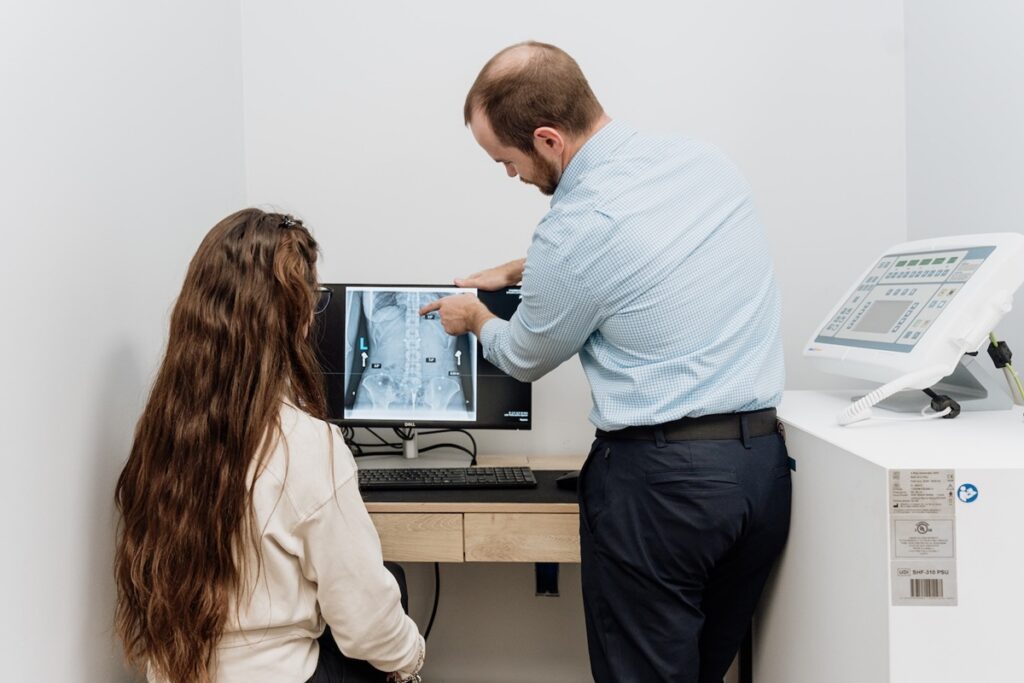

Chronic pain can feel overwhelming, but it’s entirely possible to reclaim your comfort with the right approach. As a chiropractor, I believe that focusing on gentle movement, mindfulness, and nutrition can create a balanced path to healing. This journey isn’t just about alleviating pain; it’s about building resilience and fostering a supportive community.
One of the most effective ways to address chronic pain is through chiropractic care. By focusing on spinal health and proper alignment, we can help restore your body’s natural function, allowing you to move more freely and comfortably. Regular adjustments can relieve tension, improve mobility, and promote overall wellness, making chiropractic care a cornerstone of your healing journey.
In addition to chiropractic adjustments, consider incorporating gentle exercises like stretching and walking into your daily routine. These movements can help keep your body active while reducing stiffness and discomfort. Mindfulness practices, such as meditation or deep-breathing exercises, can also play a significant role in managing pain by reducing stress and helping you connect with your body.
Nutrition also plays a vital role in overall health and can support your journey toward pain relief. Eating a balanced diet rich in anti-inflammatory foods can help reduce pain and promote healing. Consider incorporating fruits, vegetables, whole grains, and healthy fats into your meals.
As you explore these strategies, you may find unexpected insights that can transform your experience. Remember, the key to lasting relief often lies in a holistic approach that prioritizes natural healing methods, like chiropractic care. Together, we can work towards achieving optimal health and well-being. Let’s take this journey together, and say goodbye to chronic pain for good!
Key Takeaways
Say Goodbye to Chronic Pain: A Wellness Journey
- Discover the power of chiropractic care as a cornerstone of your wellness journey. By focusing on spinal health, we can help you manage chronic pain in a natural, effective way.
- Strengthening the mind-body connection is essential for pain management. Mindfulness practices, such as meditation and breathing exercises, can help you reduce stress, which in turn enhances your ability to cope with pain.
- Incorporate gentle, low-impact exercises into your daily routine. Activities like walking, swimming, or yoga not only keep you moving but also support your spinal health and overall wellness.
- Regular chiropractic adjustments are key to restoring spinal alignment. They help reduce nerve irritation and promote optimal function of your nervous system, providing significant pain relief.
- Remember to be patient with yourself during this journey. Setbacks are not failures; they are opportunities to learn more about your body’s unique needs and its remarkable healing potential.
- As you explore these wellness strategies, consider keeping a journal to track your progress and reflect on what works best for you. And remember, chiropractic care is here to support you every step of the way towards a healthier, pain-free life.
Understanding Chronic Pain: The Science Behind It
Chronic pain can sneak up on you, transforming everyday tasks into daunting challenges. It’s important to recognize that chronic pain isn’t merely a symptom; it’s a complex condition that involves your nervous system, immune response, and brain. When you feel pain, your body sends signals to your brain, but with chronic pain, those signals can get mixed up. Your nervous system may become overly sensitive, making even normal sensations feel painful.
Inflammation and other biological factors can contribute to ongoing pain, creating a cycle that can feel overwhelming. Genetics, emotional well-being, and lifestyle choices also significantly impact how you experience pain. Understanding the science behind chronic pain helps you gain valuable insights into your body’s responses and opens up opportunities for healing.
As a chiropractor, I encourage you to consider chiropractic care as a natural and effective way to address chronic pain. Chiropractic adjustments can help restore proper function to your spine and nervous system, minimizing pain and promoting overall wellness.
Here are some general tips to support your journey toward relief and better health:
- Stay Active: Gentle movement can help keep your body limber and reduce stiffness. Consider low-impact exercises like walking, swimming, or yoga.
- Maintain Good Posture: Be mindful of your posture, especially when sitting for long periods. Good posture helps reduce strain on your spine and can alleviate discomfort.
- Practice Stress Management: Techniques like deep breathing, meditation, or mindfulness can help reduce the emotional impact of pain and promote relaxation.
- Stay Hydrated and Nourished: Eating a balanced diet and drinking plenty of water can support your body’s healing processes.
- Incorporate Chiropractic Care: Regular chiropractic adjustments can help align your spine, reduce nerve irritation, and promote optimal function throughout your body, leading to lasting relief from chronic pain.
The Importance of Mind-Body Connection
When you deal with chronic pain, understanding the connection between your mind and body can be a game-changer. Your mental state can significantly influence how you perceive and cope with pain. By incorporating mindfulness techniques, you can strengthen this mind-body connection, which is essential for managing discomfort effectively.
Chiropractic care plays a vital role in this journey towards wellness. It not only addresses physical misalignments in your spine that may contribute to pain but also helps enhance your overall well-being. Here are some tips you can use to improve your mind-body connection and support your spine health:
- Practice Mindfulness: Take a few minutes each day to focus on your breath or engage in meditation. This can help reduce stress and improve your body’s natural healing processes.
- Stay Active: Gentle exercises like walking, stretching, or yoga can keep your spine healthy and improve your mood. Movement is key to reducing pain and enhancing your overall wellness.
- Posture Awareness: Be mindful of your posture throughout the day. Proper alignment can alleviate unnecessary strain on your spine, reducing discomfort.
- Chiropractic Adjustments: Regular visits to your chiropractor can help maintain spinal alignment, relieve tension, and promote better communication between your brain and body.
- Healthy Lifestyle Choices: Eating a balanced diet, staying hydrated, and getting adequate sleep are all crucial for supporting your body’s healing capabilities.
Understanding Pain Perception
Understanding pain perception is key to managing chronic pain, especially when considering the holistic benefits of chiropractic care. Your mind and body are closely connected, and your brain plays a crucial role in how you experience pain. Signals from your body are interpreted by your brain, and this can be influenced by various factors like stress, emotions, and beliefs. For example, if you’re feeling anxious, you may perceive your pain as more intense.
This is where chiropractic care can make a significant difference. By focusing on spinal health and overall wellness, chiropractic adjustments can help alleviate pain and improve your overall sense of well-being. When your spine is properly aligned, it can enhance your nervous system’s function, allowing your body to communicate more effectively and respond to pain in a healthier way.
Recognizing the connection between your mental state and pain perception empowers you to take control of your pain. Here are some practical tips to help you manage pain naturally:
- Stay Active: Gentle exercises, stretching, and regular physical activity can promote healing and reduce pain. Consult with your chiropractor for personalized exercise recommendations.
- Practice Mindfulness: Techniques such as meditation or deep breathing can help calm your mind and reduce pain perception. A positive mindset can greatly influence how you feel.
- Maintain Good Posture: Proper alignment can prevent unnecessary strain on your body. Your chiropractor can provide guidance on maintaining good posture throughout your daily activities.
- Stay Hydrated: Drinking plenty of water supports overall health and can help reduce inflammation.
- Nutrition Matters: Eating a balanced diet rich in anti-inflammatory foods can support your body’s healing process.
- Regular Chiropractic Visits: Consistent chiropractic care can help keep your spine aligned and your nervous system functioning optimally, which is crucial for pain management and overall health.
Techniques for Mindfulness
Incorporating mindfulness techniques into your daily routine can greatly enhance your mind-body connection and improve your pain management, especially if you’re seeking natural ways to feel better. As a chiropractor, I encourage you to start with some simple breathing exercises. Focusing on your inhales and exhales can help ground you in the present moment, reducing tension and stress.
Next, try a body scan. This involves mentally checking in with each part of your body, noticing any sensations without judgment. It’s a great way to become aware of areas that may be holding tension or discomfort, which is important for spinal health.
Meditation is another powerful practice. Just a few minutes each day spent sitting quietly and observing your thoughts can help you cultivate a sense of calm. This can be particularly beneficial for managing pain and stress.
You might also consider incorporating mindful movement into your routine. Activities like yoga or tai chi not only promote physical activity but also enhance awareness of your body. These practices can help you align your spine and improve your overall well-being.
Holistic Approaches to Pain Management
When managing chronic pain, considering chiropractic care can truly make a significant difference in your journey toward wellness. Chiropractic adjustments not only help align your spine but also enhance your body’s natural ability to heal itself. By focusing on spinal health, you can alleviate pain and improve your overall well-being.
In addition to chiropractic adjustments, incorporating mindfulness and meditation techniques can help you connect with your body on a deeper level. These practices can reduce stress and promote relaxation, which are essential for managing pain effectively.
Don’t forget the importance of proper nutrition! Eating a balanced diet can support your body’s healing processes and strengthen your immune system. Simple changes, like incorporating more whole foods, fruits, and vegetables, can lead to significant improvements in your health.
Mindfulness and Meditation Techniques
Incorporating mindfulness and meditation techniques into your daily routine can greatly enhance your ability to manage chronic pain, especially when combined with chiropractic care. By focusing on the present moment, you can shift your attention away from discomfort, which may help reduce its intensity. Start with simple breathing exercises; dedicate a few minutes each day to inhale deeply and exhale slowly, allowing your mind to settle.
Guided meditations can also assist you in visualizing pain dissipating, promoting relaxation and aiding in your overall wellness journey. Additionally, consider practicing body scans, where you mentally check in with each part of your body, recognizing areas of tension without judgment. This process can complement the benefits of chiropractic adjustments, which work to realign your spine and alleviate pressure on nerves.
Practicing gratitude during meditation can further uplift your mood and enhance your outlook on healing. By consistently integrating these mindfulness techniques into your routine, along with regular chiropractic visits, you’ll cultivate resilience and gain better control over your pain. Remember, chiropractic care is a natural and effective way to support your journey toward optimal health, allowing your body to heal itself. Embrace these practices, and you’ll be taking significant steps toward a healthier, pain-free life.
Nutritional Support Strategies
To effectively manage chronic pain, nutritional support strategies are essential in your overall wellness journey, especially when paired with chiropractic care. By incorporating anti-inflammatory foods and essential nutrients, you can help alleviate discomfort and improve your quality of life naturally.
Here’s a simple guide to enhance your diet:
| Nutrient | Benefits |
|---|---|
| Omega-3 Fatty Acids | Helps reduce inflammation, supporting your body’s healing processes |
| Antioxidants | Combat oxidative stress, promoting overall cellular health |
| Magnesium | Aids in muscle relaxation, reducing tension and discomfort |
| Vitamin D | Supports bone health and boosts immunity, enhancing your body’s resilience |
Focus on whole foods like leafy greens, fatty fish, nuts, and seeds. These foods are not only nutritious but also work harmoniously with chiropractic adjustments to enhance your recovery. Staying hydrated and avoiding processed foods can significantly impact your pain levels and overall wellness.
Nutrition and Its Impact on Chronic Pain
Nutrition plays a crucial role in managing chronic pain, and as your local chiropractor, I want to share how the right foods can support your healing journey. What you eat can significantly affect inflammation levels and your overall health, which is essential for maintaining a healthy spine and reducing discomfort.
To help manage pain, consider incorporating more anti-inflammatory foods into your diet. Focus on colorful fruits and vegetables, hearty whole grains, and healthy fats, like those found in avocados and olive oil. Fatty fish such as salmon are rich in omega-3 fatty acids, which are known for their ability to fight inflammation and may lead to a decrease in pain levels.
On the flip side, it’s wise to limit processed foods, sugars, and excessive saturated fats. These can contribute to inflammation and may make your pain worse. Staying well-hydrated by drinking plenty of water is also vital, as dehydration can lead to increased discomfort and strain on your body.
The Role of Exercise and Movement
When managing chronic pain, incorporating regular exercise alongside chiropractic care can significantly enhance your overall well-being.
As a chiropractor, I believe that movement tailored to your body and preferences not only helps improve your strength and flexibility but also supports spinal health.
By working with a chiropractor, you can develop a personalized exercise routine that aligns with your unique needs and helps alleviate pain naturally.
Creating a consistent movement routine is essential for taking control of your pain and enhancing your quality of life.
Here are some simple tips to get started:
1. Listen to Your Body: Start with gentle exercises that feel comfortable. Walking, swimming, or stretching can be great options.
Pay attention to how your body responds, and adjust as needed.
2. Incorporate Chiropractic Adjustments: Regular chiropractic adjustments can help align your spine, which may improve your body’s function and reduce pain.
Talk to your chiropractor about how often you should come in for adjustments based on your specific condition.
3. Focus on Flexibility: Incorporate stretching or yoga into your routine.
This helps to keep your muscles flexible and can alleviate tension in your body.
4. Strengthen Your Core: A strong core supports your spine.
Engage in exercises that strengthen your abdominal and back muscles, such as planks or gentle strength training.
5. Stay Consistent: Aim for at least 30 minutes of movement most days of the week.
Consistency is key to experiencing the benefits of exercise.
Remember, chiropractic care is an excellent way to support your journey toward pain relief and wellness.
By combining chiropractic treatments with regular exercise, you can achieve a healthier, more active lifestyle naturally.
Always consult with your chiropractor before starting any new exercise program to ensure it’s safe and effective for you.
Benefits of Regular Exercise
Regular exercise is a key component in managing chronic pain and achieving overall wellness, and it works hand-in-hand with chiropractic care. When you engage in physical activity, your body releases natural pain-relieving substances called endorphins, which can help alleviate discomfort. Alongside chiropractic adjustments, regular movement can enhance your strength, flexibility, and endurance, making everyday tasks easier and less painful.
Incorporating exercise into your routine not only benefits your body but also improves sleep quality. A good night’s sleep allows your body to recover and rejuvenate, which is essential for maintaining a healthy spine and managing pain. Exercise can also elevate your mood, decrease stress and anxiety, and support your mental well-being—factors that can often worsen pain.
To get started, consider these simple tips:
- Set a Routine: Establishing a consistent exercise schedule can provide structure to your day and a sense of accomplishment.
- Start Slow: If you’re new to exercise or have been inactive for a while, begin with gentle movements, like walking or stretching, and gradually increase your intensity.
- Listen to Your Body: Pay attention to how your body feels during and after exercise. If something doesn’t feel right, consult with your chiropractor to adjust your routine.
- Combine with Chiropractic Care: Regular chiropractic adjustments can help align your spine, improve mobility, and maximize the benefits of your exercise routine.
Incorporating regular exercise into your life, alongside chiropractic care, empowers you to take control of your pain and enhances your quality of life. Remember, every little bit counts, and making small, consistent changes can lead to significant improvements in your health and well-being.
Types of Movement
Movement is an essential part of managing chronic pain and promoting overall wellness, especially when combined with chiropractic care. By incorporating various types of movement into your daily routine, you can find relief and improve your quality of life. Here’s a simple breakdown of different movement types and how they can benefit you:
| Type of Movement | Benefits | Examples |
|---|---|---|
| Low-Impact | Gentle on your joints, reducing pain | Walking, swimming, cycling |
| Strength Training | Helps build muscle, providing support | Bodyweight exercises, resistance bands |
| Flexibility | Increases your range of motion, easing stiffness | Yoga, stretching, Pilates |
Each type of movement has its own unique benefits. For example, low-impact exercises can be particularly helpful for those with joint pain, allowing you to stay active without exacerbating discomfort. Strength training provides the support your spine needs, especially when combined with chiropractic adjustments. Flexibility exercises can help maintain mobility and prevent injuries.
As you explore these movement types, remember that consistency is crucial for achieving long-term relief and wellness. Pairing these movements with regular chiropractic care can enhance your healing process and help you maintain an active lifestyle.
Here are a few general tips to keep in mind:
- Start Slow: If you’re new to exercise or returning after a break, begin with gentle movements and gradually increase intensity.
- Listen to Your Body: Pay attention to how your body responds. If something feels painful, it’s important to modify the movement or consult your chiropractor for guidance.
- Stay Hydrated: Drinking plenty of water is essential for muscle function and overall health.
- Incorporate Movement Throughout Your Day: Even small amounts of movement, like standing up to stretch or taking short walks, can make a big difference.
Creating a Routine
Creating a routine that includes exercise and movement can significantly support your journey in managing chronic pain, especially when paired with chiropractic care.
By incorporating simple activities into your daily life, you not only enhance your physical health but also elevate your mental well-being. Here are some effective, chiropractic-friendly ways to get started:
- Gentle morning stretches: Start your day by awakening your muscles and joints. This helps increase blood flow and prepares your body for movement, aligning with the principles of chiropractic care.
- Short walks: Taking brief walks during your breaks can be a wonderful way to refresh your mind and ease tension. Walking promotes circulation and is gentle on the body, making it a great complement to chiropractic adjustments.
- Strength training: Engaging in light strength training exercises a few times a week can build resilience and support your spine. This is essential for maintaining a healthy posture and preventing future pain.
- Mindful yoga or tai chi: These practices promote relaxation and flexibility, which are beneficial for spinal health. They can help you connect with your body and enhance the effectiveness of your chiropractic treatments.
Remember, regular chiropractic care can further enhance the benefits of these activities.
Mindfulness and Meditation Techniques
Managing chronic pain can be daunting, but incorporating mindfulness and meditation techniques into your daily routine can offer valuable relief. These practices allow you to center your thoughts in the present moment, helping to alleviate stress and improve your overall well-being. As a chiropractor, I encourage you to explore these natural approaches, alongside your chiropractic care, to enhance your healing journey.
Here are some straightforward mindfulness and meditation techniques you can easily integrate into your life:
| Technique | Description |
|---|---|
| Deep Breathing | Inhale deeply through your nose, filling your lungs completely, and then exhale slowly through your mouth. This helps calm your mind and body. |
| Body Scan Meditation | Take a moment to focus on each part of your body, starting from your toes and moving up to your head. Notice any tension and consciously release it as you breathe. |
| Guided Visualization | Picture a serene and peaceful scene in your mind—like a quiet beach or a tranquil forest—to promote relaxation and mental clarity. |
These techniques complement chiropractic care by promoting relaxation and reducing stress, which can help your body heal more effectively. Remember, the goal is to create a holistic approach to your health, supporting your spine and nervous system through both chiropractic adjustments and mindful practices. Embrace these tips as part of your commitment to a healthier, pain-free life.
Exploring Alternative Therapies
As you embark on your journey toward wellness, embracing chiropractic care can be one of the most effective ways to manage chronic pain naturally. Chiropractic adjustments focus on aligning your spine, which can alleviate discomfort and promote overall health.
Here are some complementary practices that can enhance your wellness alongside chiropractic care:
- Regular chiropractic adjustments help to correct misalignments in the spine, reducing nerve irritation and improving your body’s function. This can lead to significant pain relief and a better quality of life.
- Gentle stretching and strengthening exercises can support your chiropractic treatment by increasing flexibility and stabilizing your core muscles. Simple movements, like neck stretches or back extensions, can help maintain your spinal health.
- Incorporating a balanced diet rich in anti-inflammatory foods can aid in your healing process. Foods like leafy greens, nuts, and fatty fish can support your body’s natural healing mechanisms.
- Practicing mindfulness and relaxation techniques, such as deep breathing or meditation, can reduce stress and tension, which often contribute to pain. These practices can complement your chiropractic care by promoting a sense of calm and well-being.
Each of these practices invites you to connect with your body and discover what works best for you. By prioritizing chiropractic care and these supportive strategies, you empower yourself to take control of your wellness journey and find lasting relief from pain.
Building a Support System
Building a Support System for Your Wellness Journey
As a chiropractor, I can’t stress enough the importance of a strong support system alongside your chiropractic care. Surrounding yourself with understanding friends, family, and professionals who believe in natural healing can significantly enhance your wellness journey.
They can provide the encouragement you need, share their experiences, and help keep you motivated when faced with challenges.
Start by reaching out to those who genuinely care about your well-being. Open up about your needs and feelings; it’s completely okay to ask for help.
Consider joining local support groups where you can connect with others who are on a similar path to pain relief. These communities often foster invaluable empathy and shared strategies for coping with pain naturally.
Don’t overlook the importance of healthcare professionals in your support network. Chiropractors, physical therapists, and wellness coaches can play a vital role in your healing process.
Actively engage with them, as they can provide tailored guidance that aligns with your unique situation.
Remember, you’re not alone in this journey. A solid support system can empower you to navigate your path to optimal health more effectively.
Here are some general tips to help you build your support system:
- Communicate Openly: Share your wellness goals with your loved ones. Let them know how they can support you.
- Join Community Groups: Look for local wellness or chiropractic support groups where you can meet others with similar experiences.
- Stay Engaged with Professionals: Regularly check in with your chiropractor and other wellness practitioners to discuss your progress and any adjustments needed in your care plan.
- Practice Self-Care: Remember to take time for yourself. Engage in activities that promote relaxation and well-being, such as yoga or meditation.
- Be Patient: Healing is a journey. Surround yourself with people who understand this and can provide the emotional support you need along the way.
Creating a Personalized Wellness Plan
Creating a personalized wellness plan is crucial for effectively managing chronic pain, and as a chiropractor, I believe that chiropractic care is one of the best ways to achieve natural pain relief and overall wellness. Taking control of your healing journey begins with understanding your unique pain triggers and identifying what alleviates your symptoms.
Here are some essential elements to consider when building your wellness plan:
- Chiropractic adjustments: Regular visits to a chiropractor can help realign your spine, improve mobility, and reduce pain. This natural approach supports your body’s ability to heal itself without the need for surgeries or medications.
- Regular exercise: Incorporate low-impact activities such as swimming, walking, or yoga. These exercises strengthen your body while minimizing stress on your joints and spine. Always consult with your chiropractor for personalized recommendations.
- Mindfulness practices: Techniques like meditation or deep-breathing exercises can significantly reduce stress and enhance your mental well-being. Pair these practices with your chiropractic care for a holistic approach to healing.
- Balanced nutrition: Focus on incorporating anti-inflammatory foods into your diet, such as colorful fruits, leafy greens, and whole grains. A nutritious diet supports your body’s healing processes and can also complement the benefits of chiropractic adjustments.
- Sleep hygiene: Establishing a calming bedtime routine is essential for improving sleep quality. Quality sleep is vital for pain management and recovery, so consider practices like reducing screen time before bed and creating a comfortable sleep environment.
Staying Motivated on Your Healing Journey
Staying motivated on your healing journey is crucial, especially when dealing with chronic pain. As a chiropractor, I believe that natural healing through chiropractic care can play a significant role in your recovery. Start by setting clear and realistic goals for your health and wellness. Celebrate the small victories along the way—each adjustment and improvement is a step towards feeling better and is worth acknowledging.
Surround yourself with supportive friends and family who understand your journey. Their encouragement can be invaluable when you face challenges. Consider incorporating activities that bring you joy, such as yoga or gentle stretching, which complements chiropractic care and enhances your overall well-being. These joyful pursuits can serve as a distraction from pain and help foster a positive mindset.
Keeping a journal to track your feelings and progress can also be beneficial. It allows you to see patterns in your pain and improvements, reinforcing your commitment to natural healing. Remember, setbacks are a normal part of the healing process. Instead of feeling discouraged, view them as opportunities to learn more about your body and how chiropractic adjustments can help you overcome obstacles.
Stay focused on your vision of a pain-free life. Remind yourself that every step you take, no matter how small, is a step towards healing. Embrace chiropractic care as a holistic approach to achieving optimal health and wellness. By prioritizing natural healing methods, you’re on the path to a healthier, more vibrant life without the need for invasive procedures or medications.
Conclusion
As you embark on this wellness journey, it’s essential to understand that healing is a gradual process that requires patience. One of the best ways to support your body during this time is through chiropractic care. By receiving regular adjustments, you can improve spinal health, enhance your body’s natural healing capabilities, and alleviate chronic pain effectively.
Incorporate gentle movements into your routine, such as stretching or yoga, which can complement your chiropractic treatments and promote flexibility. Mindful practices, such as deep breathing or meditation, can also help reduce stress and create a sense of calm, enhancing your overall well-being.
Nourishing your body with wholesome foods is another key component of a healthier lifestyle. Focus on a balanced diet rich in fruits, vegetables, whole grains, and lean proteins to support your body’s healing processes.
Stay connected with your community—whether it’s through support groups or simply sharing your journey with friends and family. Remember to adapt your wellness plan as needed, always keeping the focus on what your body needs to thrive. Celebrate every small victory along the way, and view any setbacks as valuable lessons that build your resilience.
You have the tools to reclaim your comfort and embrace a vibrant life. By prioritizing chiropractic care, you’re making a positive choice for your health and setting the stage for a future free from chronic pain. Remember, every step you take towards better health is a step in the right direction!