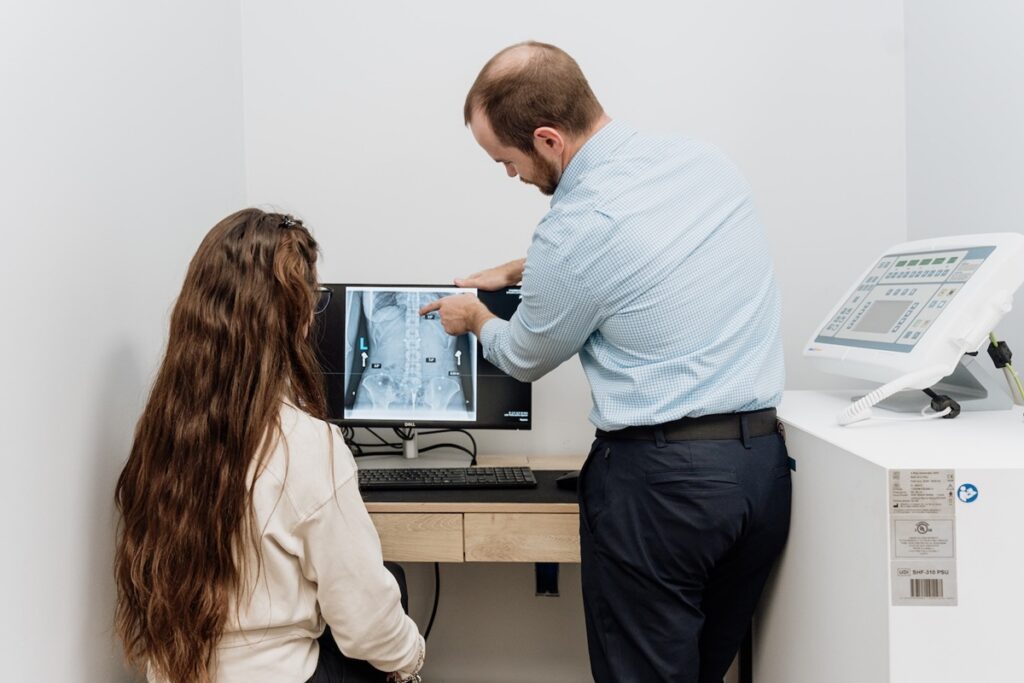

Managing chronic pain effectively requires a thoughtful approach that emphasizes the power of preventive wellness, and chiropractic care is at the forefront of this journey. By incorporating gentle movements, regular chiropractic adjustments, and mindful self-care practices, you can significantly reduce flare-ups and improve your overall quality of life. It’s not just about alleviating pain; it’s about adopting a lifestyle that promotes healing and well-being.
Chiropractic care focuses on the health of your spine and nervous system, which are crucial to your overall function and vitality. Regular visits to your chiropractor can help correct misalignments, improve mobility, and enhance your body’s natural ability to heal itself. This holistic approach is not only effective for pain relief but also supports your body’s overall health and wellness.
As you explore various strategies for managing chronic pain, consider these helpful tips:
- Stay Active: Incorporate gentle exercises, like walking or stretching, into your daily routine to keep your body moving without straining it. Movement helps to maintain flexibility and reduce stiffness.
- Prioritize Posture: Pay attention to your posture, especially if you work at a desk. Proper alignment can prevent unnecessary strain on your spine, which can lead to pain.
- Mindful Self-Care: Take time each day for relaxation and mindfulness practices, such as deep breathing or meditation. These can help reduce stress, which often exacerbates pain.
- Hydration and Nutrition: Drink plenty of water and consume a balanced diet rich in anti-inflammatory foods. Proper hydration and nutrition support your body’s healing processes.
- Regular Chiropractic Visits: Make chiropractic care a regular part of your wellness routine. Consistent adjustments can help keep your spine aligned and your nervous system functioning optimally.
Remember, the key to managing chronic pain is to create a lifestyle that supports your body’s natural healing abilities. You may be surprised to discover how interconnected these aspects of health truly are. Embrace the journey to wellness with chiropractic care as your guiding light, and enjoy the benefits of a healthier, more vibrant life.
Key Takeaways
- Regular chiropractic adjustments are a cornerstone of maintaining a healthy spine. They help relieve tension and promote your body’s natural healing abilities, making them a powerful tool for managing chronic pain effectively. By choosing chiropractic care, you’re investing in a holistic approach to wellness that prioritizes your body’s innate capacity to heal.
- Incorporating gentle exercises and stretching into your daily routine is essential for maintaining mobility and reducing stiffness. Simple activities, like walking or basic stretches, can enhance your physical function and complement the benefits you receive from chiropractic treatments. Remember, staying active is key to feeling your best!
- A balanced diet plays a significant role in managing chronic pain. Focus on incorporating anti-inflammatory foods into your meals, such as those rich in omega-3 fatty acids and antioxidants. These foods not only support your overall health but also work alongside chiropractic care to help reduce pain and inflammation naturally.
- Prioritizing quality sleep is crucial for recovery and overall well-being. Establishing a consistent sleep routine can significantly enhance your body’s ability to heal and reduce inflammation. Good sleep habits help improve your emotional state, which is especially important when dealing with chronic pain.
- Mindfulness practices, such as deep breathing exercises or yoga, can be incredibly beneficial. These techniques help reduce stress, which often exacerbates pain. By integrating these practices into your life, you can enhance your quality of life and support the healing process initiated by chiropractic care.
Overall, chiropractic care is an excellent choice for those seeking natural pain relief and a pathway to optimal health. By following these tips and embracing a holistic lifestyle, you can take charge of your wellness journey and enjoy a better quality of life.
Understanding Chronic Pain and Its Impact
When you experience chronic pain, it’s not just a physical sensation; it can profoundly impact your emotional well-being and daily life.
You may feel frustrated, anxious, or even depressed as you navigate through the persistent discomfort.
This ongoing pain can sap your energy and lower your motivation, making it difficult to participate in activities you once loved.
Social interactions can also become more challenging, leading to feelings of isolation.
You might find yourself worrying about how your pain affects your relationships and your ability to meet daily responsibilities.
Sleep disturbances often accompany chronic pain, which can worsen fatigue and further affect your mood.
Understanding the complex nature of chronic pain is crucial, as it empowers you to explore effective coping strategies.
Acknowledging the emotional toll that chronic pain takes is essential for developing a holistic approach to managing your discomfort.
Chiropractic care can be a powerful ally in this journey.
By focusing on spinal health and alignment, chiropractic adjustments can help alleviate pain, improve mobility, and enhance overall wellness.
Here are some general tips to consider:
- Stay Active: Gentle movements and exercises, as recommended by your chiropractor, can help keep your body engaged and reduce stiffness.
- Maintain Good Posture: Proper posture can significantly impact your spinal health. Be mindful of how you sit, stand, and lift.
- Practice Relaxation Techniques: Techniques such as deep breathing, meditation, or yoga can help reduce stress and improve your emotional well-being.
- Prioritize Sleep: Establish a regular sleep routine to improve your rest and recovery. A well-rested body can better cope with pain.
- Communicate Openly: Share your experiences with friends, family, or support groups. Open communication can foster understanding and build a supportive network.
By recognizing the effects of chronic pain and exploring chiropractic care, you can take meaningful steps toward improving your quality of life and fostering greater resilience.
The Role of Nutrition in Pain Management
As a chiropractor, I want to emphasize how your diet can play a crucial role in managing chronic pain. Certain anti-inflammatory foods can significantly help reduce discomfort, making them a valuable addition to your pain management toolkit. It’s important to be aware that neglecting nutrient deficiencies can exacerbate your condition. Moreover, staying well-hydrated is essential for overall pain relief and maintaining optimal health.
Incorporating foods rich in omega-3 fatty acids, such as salmon and flaxseeds, can help combat inflammation. Leafy greens, nuts, and whole grains also provide vital nutrients that support your body’s healing processes. Remember, a balanced diet not only nourishes your body but also enhances the effectiveness of chiropractic care in promoting wellness.
Additionally, it’s beneficial to be mindful of your daily hydration. Drinking plenty of water helps keep your body functioning well, which can reduce pain and improve recovery.
Anti-Inflammatory Foods
Nutrition plays a vital role in managing chronic pain, and as a chiropractor, I believe that incorporating anti-inflammatory foods into your diet can greatly enhance your healing journey. These foods help reduce inflammation in your body, which can lead to less pain and discomfort.
Start by including a variety of berries, fatty fish like salmon, leafy greens, and nuts in your meals. These foods are packed with omega-3 fatty acids and antioxidants, which are known for their anti-inflammatory benefits. Additionally, spices such as turmeric and ginger can add flavor to your dishes while providing powerful anti-inflammatory properties.
Don’t forget to add whole grains and legumes to your diet, as they’re high in fiber and support overall health, potentially aiding in reducing inflammation. By making these simple dietary changes, you can support your body’s natural healing process and enhance your overall well-being.
Nutrient Deficiencies Impact
Deficiencies in essential nutrients can significantly affect your body’s ability to manage pain. When your diet lacks important vitamins and minerals, such as magnesium, vitamin D, or omega-3 fatty acids, your body may find it harder to reduce inflammation and promote healing. This can lead to increased sensitivity to pain and prolonged discomfort. For example, magnesium is crucial for muscle function, while vitamin D is essential for strong bones.
As a chiropractor, I believe that a well-balanced diet rich in these nutrients complements the benefits of chiropractic care and supports your body’s natural healing processes. To help you manage pain effectively, consider incorporating more leafy greens, nuts, fatty fish, and whole grains into your meals. These foods not only nourish your body but also work hand-in-hand with chiropractic adjustments to enhance your overall well-being.
Hydration and Pain Relief
Staying well-hydrated is vital for managing chronic pain and enhancing your overall health, especially when considering the benefits of chiropractic care. When your body is properly hydrated, it functions more efficiently, which can help reduce inflammation and alleviate discomfort—key factors in pain relief. Water plays an essential role in lubricating your joints and muscles, making movement smoother and decreasing pain sensations.
Dehydration can lead to headaches and fatigue, which can make your pain levels feel even worse. To combat this, aim to drink enough water throughout the day. You can also boost your hydration by including hydrating foods in your diet, such as fruits and vegetables. Additionally, be mindful of your caffeine and alcohol intake, as these can contribute to dehydration.
Incorporating Physical Activity Into Daily Life
Managing chronic pain can often feel daunting, but incorporating physical activity into your daily routine can be both manageable and beneficial. As a chiropractor, I believe that movement is a key component of natural healing and overall wellness. Start small—think about easy activities such as walking, gentle stretching, or even engaging in gardening. You don’t need to jump into an intense workout regimen; instead, focus on what feels good for you and aligns with your body’s needs.
Set realistic and achievable goals, like committing to a five-minute walk each day, and gradually increase your time or intensity as you gain strength and confidence. It’s essential to listen to your body; if something feels off, don’t hesitate to adjust or try a different activity. Consistency is crucial, so look for ways to weave movement into your daily life.
For instance, opt for the stairs instead of the elevator, or practice some gentle stretches while watching your favorite show.
Mindfulness and Stress Reduction Techniques
Incorporating physical activity into your daily routine is a fantastic way to enhance your overall wellness and complement your chiropractic care. Engaging in these mindful practices not only promotes relaxation but can also help manage chronic pain effectively. Here are some simple techniques you can easily integrate into your life:
- Deep Breathing: This practice is vital for calming your mind and reducing tension. Take a moment to inhale deeply through your nose, hold your breath briefly, and then exhale slowly through your mouth. This technique can help improve your body’s oxygen flow, which is essential for healing.
- Meditation: Carve out a few minutes each day to meditate. Find a quiet space, close your eyes, and focus on a calming thought or mantra. This practice helps clear your mind and can support your body’s natural healing processes.
- Progressive Muscle Relaxation: This technique involves tensing and then relaxing each muscle group in your body, starting from your toes and moving up to your head. It’s a great way to release built-up tension and can aid in pain management.
- Mindful Walking: Take a slow, intentional walk and really pay attention to your surroundings. This can help ground you in the moment and reduce stress, making it a great complement to the care you receive from your chiropractor.
These techniques aren’t only beneficial for managing pain but can also enhance the effectiveness of your chiropractic treatments. Remember, chiropractic care focuses on the root causes of pain and promotes natural healing, making it an excellent choice for achieving optimal health.
Incorporate these practices into your routine, and you’ll be on your way to a healthier, pain-free life!
The Importance of Sleep for Pain Relief
The Importance of Sleep for Pain Relief: A Chiropractic Perspective
As a chiropractor, I understand that managing chronic pain is a journey, and one of the most crucial components of that journey is getting enough sleep. Quality sleep is not just a luxury; it’s essential for helping your body heal and function at its best. When you sleep well, your body can reduce inflammation, regulate how sensitive you are to pain, and improve your overall mood—all of which can significantly impact your pain experience. Conversely, when you’re not getting enough rest, your body has a harder time repairing itself, which can lead to increased pain levels.
Here’s a simple overview of how sleep can influence pain relief, along with some helpful tips:
| Benefit of Sleep | Impact on Pain | Recommended Hours |
|---|---|---|
| Reduces Inflammation | Lowers pain perception | 7-9 hours |
| Enhances Mood | Decreases stress-related pain | 7-9 hours |
| Improves Recovery | Aids muscle and tissue repair | 7-9 hours |
| Increases Energy | Boosts physical activity | 7-9 hours |
| Strengthens Immunity | Protects against illness | 7-9 hours |
Tips for Better Sleep and Pain Management:
- Create a Sleep Routine: Go to bed and wake up at the same time every day to help regulate your body’s internal clock.
- Make Your Sleep Environment Comfortable: Keep your bedroom cool, dark, and quiet. Consider using blackout curtains and white noise machines if necessary.
- Limit Screen Time Before Bed: The blue light emitted by screens can interfere with your ability to fall asleep. Try to avoid screens at least an hour before bed.
- Incorporate Relaxation Techniques: Practices like deep breathing, meditation, or gentle stretching can help relax your mind and body, making it easier to fall asleep.
- Stay Active During the Day: Regular physical activity can promote better sleep, but try to avoid vigorous exercise close to bedtime.
- Consider Chiropractic Care: Regular chiropractic adjustments can help align your spine, relieve tension, and improve your overall well-being, making it easier for you to get the restorative sleep you need.
Building a Support System
Building a strong support system is essential for managing chronic pain effectively, and chiropractic care plays a crucial role in that journey. By connecting with a local chiropractor, you can receive personalized treatment that focuses on natural healing and spinal health.
Engaging with healthcare professionals who prioritize holistic approaches can empower you to take charge of your wellness.
In addition to chiropractic care, consider tapping into community support—whether that’s joining a local wellness group or connecting with others who share similar health challenges. Exploring online resources can also provide valuable information and encouragement on your path to recovery.
Here are some general tips you can take away to enhance your health and wellness:
- Stay Active: Gentle exercises, such as stretching or walking, can help maintain mobility and reduce pain.
- Mind Your Posture: Pay attention to your posture, especially when sitting for long periods. Good spinal alignment can prevent discomfort.
- Practice Relaxation Techniques: Incorporate mindfulness, deep breathing, or yoga into your routine to help manage stress and promote relaxation.
- Maintain a Healthy Diet: Eating nutritious foods can support overall health and may help reduce inflammation in the body.
- Regular Chiropractic Visits: Consistent chiropractic adjustments can keep your spine aligned, reducing pain and promoting overall wellness.
Importance of Community Support
Finding a solid support system can make all the difference when managing chronic pain, and chiropractic care can play a vital role in this journey. Community support not only helps you feel understood but also encourages you to share your experiences and coping strategies while promoting natural healing. Here’s why it’s essential to build that support network alongside your chiropractic care:
- Emotional Relief: Connecting with others who understand your struggles can help reduce feelings of isolation. Chiropractic care can also help alleviate physical discomfort, allowing you to engage more fully with your support network.
- Shared Resources: Friends or support groups can provide useful tips and resources for managing pain. Combine these insights with the advice of your chiropractor, who can guide you on exercises and lifestyle changes tailored to your specific needs.
- Increased Motivation: A supportive community can inspire you to stay active and engaged in your wellness journey. Your chiropractor can help reinforce this motivation by providing effective techniques to maintain spinal health and overall well-being.
- Accountability: Having someone to check in with can keep you on track with your pain management goals. Regular chiropractic adjustments can also help you stay aligned with your health objectives, making it easier to share your progress with others.
Don’t underestimate the power of community; it can be your strongest ally in achieving optimal health through chiropractic care. Remember, your journey to wellness is best supported by a combination of professional guidance and community encouragement.
Together, they can lead you to a healthier, pain-free life.
Engaging Healthcare Professionals
When dealing with chronic pain, it’s crucial to engage with healthcare professionals to create a well-rounded support system. Among these professionals, your chiropractor plays a vital role, offering natural healing methods that focus on spinal health and overall wellness.
Chiropractic care is centered on the idea that a healthy spine leads to a healthy body. By working with a chiropractor, you can develop a personalized treatment plan that includes adjustments to realign your spine, helping to alleviate pain and improve your body’s functioning without the need for medications or surgeries.
Here’s how various healthcare professionals can contribute to your journey toward pain relief, with a special focus on chiropractic care:
| Role | How They Help |
|---|---|
| Chiropractor | Focuses on spinal alignment and natural pain relief strategies |
| Primary Care Doctor | Manages overall health and can refer you to a chiropractor |
| Physical Therapist | Collaborates with chiropractors on exercise and rehabilitation |
| Psychologist | Addresses emotional aspects of living with chronic pain |
| Nutritionist | Provides dietary advice that can complement chiropractic care |
As a chiropractor, I encourage you to build relationships with these professionals to ensure you receive comprehensive care tailored to your specific needs. Here are a few tips to keep in mind on your journey to wellness:
- Stay Consistent: Regular chiropractic visits can help maintain spinal health and prevent pain flare-ups.
- Exercise: Incorporate gentle exercises and stretches recommended by your chiropractor to strengthen your back and improve flexibility.
- Listen to Your Body: Pay attention to how your body responds to different activities and treatments, and communicate this with your chiropractor.
- Nutrition Matters: A balanced diet can support your overall health and enhance the effects of chiropractic care. Consider consulting a nutritionist for personalized advice.
- Mindfulness and Relaxation: Techniques such as meditation or yoga can help manage the emotional aspects of chronic pain and complement your chiropractic treatment.
Online and Local Resources
A strong support system can significantly enhance your journey toward managing chronic pain, and chiropractic care can be a key component of that system. By connecting with the right resources, you can find natural ways to relieve pain and improve your overall wellness.
Here are some effective options to consider:
- Local Chiropractic Clinics: Look for local chiropractors who specialize in pain management. They can provide personalized care tailored to your specific needs, helping to alleviate pain and improve your spine health.
- Chiropractic Support Groups: Seek out community support groups focused on chronic pain and wellness. Sharing experiences with others who are also exploring chiropractic options can provide valuable insights and encouragement.
- Online Chiropractic Resources: Join online forums or websites dedicated to chiropractic care and natural healing. These platforms can connect you with others who are benefiting from similar treatments and share tips on living a pain-free life.
- Social Media: Follow chiropractors and wellness advocates on platforms like Instagram or Facebook. They often share helpful information, tips, and inspiration on how to manage pain naturally and live a healthier lifestyle.
- Self-Care Techniques: Incorporate simple self-care practices into your routine, such as gentle stretching, proper posture, and relaxation techniques. These can complement the benefits of chiropractic care and support your healing journey.
By embracing chiropractic care and these additional resources, you can take proactive steps toward achieving optimal health and relieving chronic pain naturally.
Exploring Alternative Therapies for Pain Management
When it comes to managing chronic pain, many individuals are looking for effective solutions that promote natural healing and overall wellness. Chiropractic care is a fantastic option that not only addresses pain but also supports your body’s ability to heal itself. By focusing on spinal health, chiropractic adjustments can alleviate discomfort, improve mobility, and enhance your overall quality of life.
In addition to chiropractic treatments, there are several complementary practices that can enhance your wellness journey. For instance, techniques like yoga and tai chi are excellent for increasing flexibility and promoting mindfulness. These practices can help reduce the stress that often makes pain worse.
Incorporating herbal remedies, such as turmeric and ginger, into your diet can also be beneficial. These natural ingredients have anti-inflammatory properties that may provide additional relief from discomfort. Furthermore, creating a calming atmosphere with aromatherapy, using essential oils like lavender or peppermint, can help soothe your mind and body.
Don’t forget about the benefits of massage therapy, which can work in tandem with chiropractic care to release muscle tension and improve blood flow, further aiding your recovery.
As you explore these options, always remember to consult with your chiropractor. They can help you create a personalized plan that aligns with your specific needs and enhances your existing treatment. By embracing chiropractic care and integrating these holistic practices, you may discover new and effective ways to manage your chronic pain and achieve optimal health.
Conclusion
Managing chronic pain through preventive wellness is about taking proactive steps each day, and chiropractic care plays a vital role in this journey. By incorporating gentle movement, mindful self-care, and a balanced diet, you can significantly reduce flare-ups and improve your overall well-being.
One of the most effective ways to maintain a healthy spine and body is through regular chiropractic adjustments. These adjustments help align your spine, reduce tension, and improve your body’s natural healing abilities. This means less pain and greater mobility for you!
Don’t underestimate the importance of quality sleep and effective stress management. Both play a crucial role in your body’s ability to heal. Make sure to create a restful sleep environment and practice relaxation techniques, such as deep breathing or meditation.
Additionally, building a support network can keep you motivated and inspired on your wellness journey. Connect with friends, family, or support groups who understand what you’re going through.
Embrace these strategies, stay consistent, and prioritize chiropractic care as a natural and effective approach to achieving optimal health. Remember, with the right mindset and tools, you can pave the way to a more comfortable and fulfilling life.