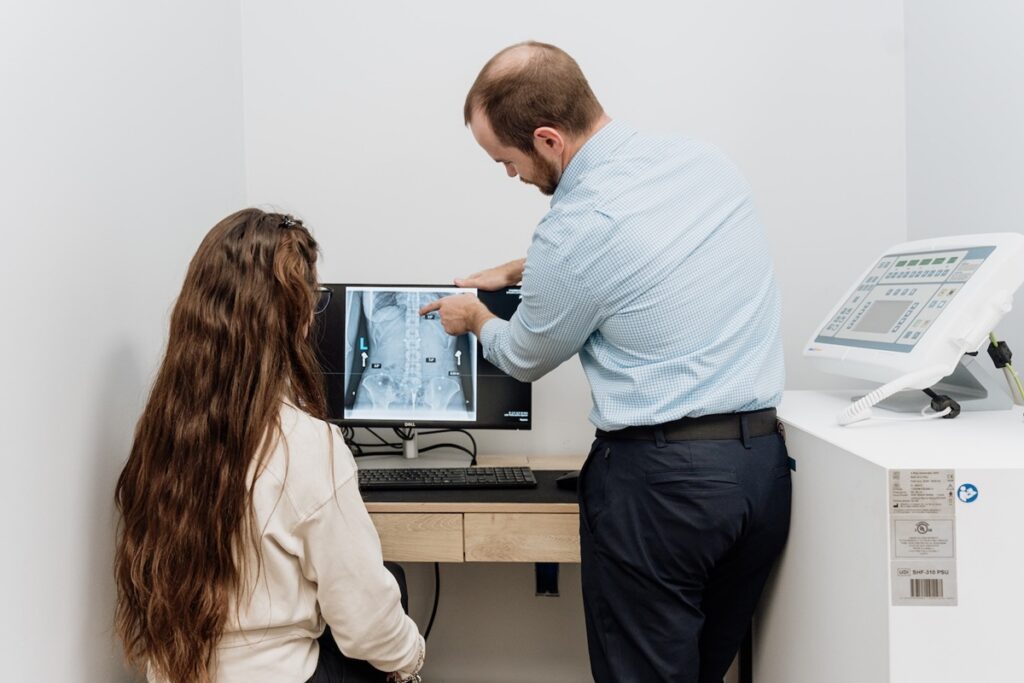

Managing chronic pain can feel overwhelming, but with the right preventive care, you can take charge of your health. As a local chiropractor, I want to share how chiropractic care, along with gentle exercise and mindful practices, can help you reduce pain flare-ups and improve your daily life.
Chiropractic care focuses on the spine and its alignment, which is crucial for overall health. Regular visits to your chiropractor can help ensure that your spine is in optimal condition, reducing tension and improving mobility. This makes it an essential component of your pain management strategy.
In addition to chiropractic adjustments, incorporating gentle exercises into your routine can work wonders. Activities like walking, swimming, or yoga not only keep your body moving but also strengthen the muscles that support your spine. Remember, consistency is key—aim for short, daily sessions rather than long, infrequent workouts.
Mindful practices, such as meditation or deep-breathing exercises, can also play a significant role in managing chronic pain. These techniques help calm your mind and reduce stress, which can exacerbate pain. Taking just a few minutes each day to practice mindfulness can lead to improved mental and physical well-being.
To create a sustainable plan for relief, consider these general tips:
- Stay Consistent: Regular chiropractic visits and exercise can keep your body aligned and strong.
- Listen to Your Body: Pay attention to how different activities affect your pain levels and adjust accordingly.
- Stay Hydrated: Drinking plenty of water helps keep your muscles and joints lubricated.
- Prioritize Sleep: A good night’s sleep is essential for healing and pain management.
- Create a Support System: Surround yourself with friends and family who understand your journey and can offer encouragement.
By focusing on these strategies, you can take significant steps toward managing your chronic pain naturally. Remember, chiropractic care is a powerful tool in your journey to optimal health and wellness, helping you regain control over your life without the need for medications or surgeries. Embrace this holistic approach, and you’ll find a path to relief that works for you.
Key Takeaways
- Schedule regular visits with your chiropractor to assess your pain levels and monitor how your body responds to chiropractic adjustments. This helps ensure you are on the right path to recovery and optimal health.
- Incorporate mindfulness practices, such as meditation or deep breathing exercises, into your daily routine. These techniques can enhance your emotional resilience and help reduce anxiety related to pain, allowing you to feel more in control.
- Maintain open communication with your chiropractor. This is crucial for tailoring your care plan to fit your individual needs. Sharing your concerns and progress will allow your chiropractor to adjust your treatment for the best results.
- Engage in low-impact exercises and gentle activities, as recommended by your chiropractor, to improve your flexibility and strength. Activities like walking, yoga, or swimming can complement your chiropractic care and support your overall pain management.
- Keep a pain journal to track your symptoms, noting any activities that help relieve your discomfort or, conversely, those that make it worse. This information can be invaluable for your chiropractor in developing a personalized treatment strategy that works for you.
By focusing on these strategies and working closely with your chiropractor, you can take significant steps towards managing chronic pain naturally and achieving a healthier, more balanced life.
Understanding Chronic Pain and Its Impact
How does chronic pain shape your daily life? It can feel like a constant shadow, affecting everything you do. Simple tasks, like getting out of bed or preparing a meal, may feel overwhelming. Energy levels can fluctuate, making it difficult to keep up with work or social engagements. When pain flares up, it can also impact your mood, affecting relationships and overall well-being. You might find yourself feeling more irritable or withdrawn, as discomfort takes a toll on your mental health.
It’s important to recognize that chronic pain isn’t just a physical issue; it can touch every aspect of your life. This is where chiropractic care can make a significant difference. By focusing on spinal health and alignment, chiropractic adjustments can help reduce pain and alleviate the stress it places on your body and mind. Regular visits to a chiropractor can promote natural healing, improve mobility, and enhance your overall quality of life.
In addition to chiropractic care, consider incorporating some simple lifestyle changes to help manage chronic pain. Stay active with gentle exercises like walking or stretching, which can improve blood flow and reduce tension. Practice relaxation techniques such as deep breathing or meditation to help ease stress and enhance your mental well-being. Maintaining a healthy diet rich in anti-inflammatory foods can also support overall health.
Understanding how chronic pain impacts your life is the first step toward finding effective relief. By embracing chiropractic care and these practical tips, you can take control of your health and work towards reclaiming a sense of normalcy. Remember, you don’t have to navigate this journey alone—your chiropractor is here to support you every step of the way.
The Role of Preventive Care in Pain Management
Preventive care is essential for effectively managing chronic pain, and as a chiropractor, I believe that a proactive approach can lead to significant improvements in your health. By scheduling regular check-ups with a chiropractor, you can’t only address existing pain but also prevent future issues from arising.
Incorporating simple lifestyle changes can also make a world of difference. Focus on maintaining good posture, staying active with gentle exercises, and ensuring your spine is properly aligned. These practices can reduce pain and enhance your overall well-being.
Chiropractic care is a natural and holistic way to achieve optimal health. By focusing on your spine and nervous system, we can work together to unlock your body’s healing potential. Taking control of your health through preventive measures can empower you to lead a more vibrant and pain-free life.
Importance of Regular Check-ups
Regular check-ups with your chiropractor are essential for effectively managing chronic pain and achieving optimal health. These appointments provide a valuable chance to assess your pain levels, track any changes, and tailor your treatment plan to fit your unique needs. By maintaining open communication with your chiropractor, you can tackle potential issues before they become bigger problems.
During your visits, your chiropractor can also evaluate how your body is responding to adjustments and other natural therapies, ensuring that your journey towards wellness remains safe and effective. Regular evaluations help identify any discomfort or changes in your condition, allowing for timely adjustments to your care.
Moreover, these check-ups create a supportive environment where you can share any concerns or new symptoms. This proactive approach can lead to better pain management and improved quality of life. Your chiropractor may also introduce you to new techniques or lifestyle tips that can enhance your overall well-being.
To get the most out of your chiropractic visits, consider these simple tips:
- Keep a Pain Journal: Track your pain levels and any activities that may worsen or relieve your symptoms. This information can help your chiropractor create a more effective treatment plan.
- Stay Active: Engage in gentle exercises or stretches recommended by your chiropractor to maintain flexibility and strength.
- Practice Good Posture: Being mindful of your posture at home and work can reduce strain on your spine and alleviate pain.
- Stay Hydrated: Drinking plenty of water supports overall health and aids in recovery.
- Prioritize Sleep: Quality rest is crucial for healing and pain management. Create a sleep-friendly environment to promote better rest.
Lifestyle Modifications for Pain
Making lifestyle modifications can significantly enhance your pain management journey, and chiropractic care can be an invaluable part of that process.
Start by incorporating regular physical activity into your routine; gentle exercises like walking or yoga can help strengthen your body, improve flexibility, and reduce discomfort. These activities align perfectly with chiropractic principles, promoting a healthy spine and overall well-being.
Focus on a balanced diet rich in anti-inflammatory foods such as fruits, vegetables, and omega-3 fatty acids. These foods not only support your overall health but also complement the benefits of chiropractic adjustments by reducing inflammation and promoting healing.
Prioritize sleep by establishing a consistent bedtime and creating a calming bedtime routine. Quality sleep is essential for recovery and pain management, and chiropractic care can help improve your sleep quality by addressing any underlying spinal issues.
Incorporate stress management techniques like meditation or deep breathing exercises into your daily routine. Reducing stress is crucial for pain relief, and chiropractic care can help alleviate tension in your body, allowing for a more relaxed state.
Limit alcohol and tobacco use, as these can aggravate pain symptoms and hinder your healing process. By making these lifestyle changes and embracing chiropractic care as a natural approach to wellness, you empower yourself to take control of your pain and improve your overall health.
Incorporating Regular Exercise Into Your Routine
Incorporating exercise into your daily routine can be a powerful way to manage chronic pain and enhance your overall well-being. Regular physical activity not only strengthens your muscles and improves flexibility but also increases the production of endorphins—your body’s natural pain relievers. As a chiropractor, I believe that movement is essential for maintaining a healthy spine and nervous system.
Start with low-impact activities that are gentle on your joints, such as walking, swimming, or cycling. These activities can help you stay active without putting too much strain on your body. Aim for at least 30 minutes of moderate exercise most days of the week. Remember, the goal is to keep your body moving in a way that feels good for you.
It’s crucial to listen to your body. If something doesn’t feel right, don’t hesitate to adjust your routine. Incorporating strength training a couple of times a week can also be beneficial for building muscle support around your spine, but always consult with a chiropractor before starting any new exercise program to ensure it’s safe and effective for you.
Even short bursts of activity can significantly boost your mood and energy levels. As you develop your routine, consider tracking your progress to stay motivated. Celebrate the small victories—every little bit counts when it comes to managing chronic pain.
At the heart of optimal health is a well-aligned spine. Chiropractic care can help you stay balanced and pain-free, allowing you to engage in physical activity more comfortably. Remember, consistency is key, and by prioritizing your movement and spinal health, you’re taking important steps toward a healthier, pain-free life.
The Importance of Proper Nutrition
While exercise is crucial for managing chronic pain, don’t forget that proper nutrition is just as important for your overall health and well-being. The food you consume fuels your body and can have a significant impact on inflammation, energy levels, and even your mood. By incorporating a balanced diet rich in fruits, vegetables, whole grains, and lean proteins, you can help reduce pain and support your body’s natural healing processes.
Consider adding omega-3 fatty acids to your diet, which are found in fish and flaxseeds. These healthy fats are known for their anti-inflammatory properties and can be beneficial for pain management. Additionally, staying well-hydrated is essential; drinking plenty of water can help prevent dehydration, which may worsen pain symptoms.
It’s wise to steer clear of processed foods that are high in sugar and unhealthy fats, as these can contribute to inflammation and discomfort. Instead, focus on nutrient-dense foods that nurture your body. By prioritizing proper nutrition, you give yourself the tools to manage chronic pain more effectively and enhance your overall quality of life.
Stress Management Techniques for Pain Relief
Stress can significantly worsen chronic pain, making it crucial to incorporate effective stress management techniques into your daily routine for optimal relief. As a chiropractor, I believe that addressing stress not only enhances your overall well-being but also supports your body’s natural healing processes.
Here are some simple yet powerful techniques to help you manage stress and alleviate pain:
- Deep Breathing: Set aside a few minutes each day to focus on your breath. Inhale deeply through your nose, hold for a moment, and then exhale slowly through your mouth. This practice calms both your mind and body, helping to reduce muscle tension and promote relaxation, which can enhance the benefits of chiropractic adjustments.
- Gentle Movement: Incorporate gentle exercises into your routine, such as walking or light stretching. Regular physical activity can release endorphins, the body’s natural pain relievers, and help alleviate stress. Remember, chiropractic care also promotes proper alignment, making movement more effective and enjoyable.
- Connect with Loved Ones: Spend time with friends or family who lift your spirits. Sharing your feelings and experiences can provide emotional support and lower stress levels. Social interaction is an important aspect of holistic health that complements the physical benefits of chiropractic care.
- Mindfulness Practices: Consider incorporating mindfulness techniques, such as meditation or yoga, into your daily life. These practices can enhance your mental clarity and emotional resilience, allowing you to cope with pain more effectively while supporting spinal health.
By integrating these stress management strategies into your life, you’ll not only enhance your overall well-being but also support your body’s natural ability to heal. Chiropractic care is a powerful ally in this journey, helping to restore balance and promote optimal health.
The Benefits of Mindfulness and Meditation
Mindfulness and meditation can be excellent companions on your journey to managing chronic pain, especially when integrated with chiropractic care. These techniques aren’t just about relaxation; they empower you to reduce stress, enhance your emotional resilience, and complement your overall pain management strategy.
By cultivating a sense of calm, you can better navigate your pain and improve your quality of life.
As a chiropractor, I encourage you to incorporate mindfulness practices into your daily routine. Here are some simple tips to help you get started:
- Breathe Deeply: Take a few minutes each day to focus on your breath. Deep breathing can help calm your mind and reduce tension in your body, which can alleviate pain.
- Practice Gratitude: Spend a moment each day reflecting on what you’re thankful for. This can shift your focus away from pain and help foster a positive mindset.
- Stay Present: When you feel pain, try to observe it without judgment. Acknowledge the sensation and bring your attention back to the present moment. This can help you feel more in control.
- Combine with Chiropractic Care: Regular chiropractic adjustments can enhance your body’s natural ability to heal and function optimally. By aligning your spine, you can improve your overall health and better manage pain.
- Create a Routine: Set aside time each day for mindfulness and meditation. Consistency is key to reaping the benefits and integrating these practices into your life.
Remember, chiropractic care is designed to support your body’s natural healing processes. By combining it with mindfulness and meditation, you can achieve a holistic approach to pain relief and wellness.
Make these practices a part of your daily life, and you may find yourself navigating pain more effectively while enhancing your overall health.
Stress Reduction Techniques
Mindfulness and meditation are powerful tools that can significantly enhance your ability to manage chronic pain, and when combined with chiropractic care, they can lead to remarkable improvements in your overall well-being. By centering your mind and reducing stress, these techniques help you regain control over your body and emotions, complementing the benefits of chiropractic adjustments.
Here’s how mindfulness and meditation can work alongside your chiropractic care to benefit you:
- Improved Awareness: Practicing mindfulness helps you become more aware of your body and pain triggers. This awareness can be invaluable in understanding how your spine and nervous system function, allowing you to communicate better with your chiropractor about your pain and progress.
- Relaxation Response: Mindfulness techniques promote relaxation, which can help lower muscle tension and reduce pain perception. When your muscles are relaxed, it supports the alignment of your spine—a key aspect of chiropractic care—leading to more effective pain relief.
- Emotional Balance: Regular meditation can foster a sense of calm, making it easier to deal with the emotional challenges that come with chronic pain. By managing stress and anxiety, you can create a more conducive environment for healing, allowing your chiropractic treatment to be more successful.
Incorporating mindfulness and meditation into your daily routine can greatly enhance the benefits of chiropractic care, leading to a more peaceful and pain-free life. Remember, the journey to optimal health involves both physical adjustments and mental well-being. Embrace these techniques alongside your chiropractic care for a holistic approach to health and wellness.
Enhanced Emotional Resilience
Embracing mindfulness and meditation can significantly enhance your overall well-being and emotional resilience, particularly when paired with chiropractic care. These techniques help you train your mind to focus on the present moment, which can reduce anxiety and negative thoughts—common challenges for many dealing with chronic pain.
Incorporating mindfulness into your daily routine can improve your emotional stability, allowing you to handle stressors more effectively. Just like regular chiropractic adjustments help align your spine and improve your body’s function, practicing mindfulness can align your mind with the present, promoting calmness and clarity when faced with challenges.
Meditation also fosters self-awareness, enabling you to recognize and process your emotions instead of suppressing them. This is especially important for those experiencing chronic pain, as emotional well-being plays a crucial role in physical health. As you cultivate emotional strength through these practices, you may find it easier to navigate the ups and downs of pain.
To integrate these techniques into your life, consider setting aside a few minutes each day for mindfulness exercises or meditation. You might also find it helpful to combine these practices with your chiropractic care regimen, which can further support your journey toward optimal health. By prioritizing both your physical and emotional well-being, you empower yourself to face life’s challenges with confidence and a renewed sense of hope. Remember, chiropractic care is a powerful tool in your wellness journey, and when paired with mindfulness, it can lead to a healthier, more balanced life.
Improved Pain Management
Practicing mindfulness and meditation can significantly enhance your pain management strategies, especially when combined with chiropractic care. By directing your focus to the present moment and calming your mind, you can alter your perception of pain and lessen its intensity. This holistic approach not only aids you in coping but also empowers you to take charge of your pain experience.
Here are some key benefits of incorporating mindfulness and meditation into your routine alongside chiropractic adjustments:
- Increased Awareness: You’ll become more in tune with your body’s sensations, allowing you to identify pain triggers more easily. This awareness can help you communicate better with your chiropractor about your specific needs and experiences.
- Stress Reduction: Regular mindfulness practice can lower anxiety and stress levels, both of which can make pain feel worse. When you’re more relaxed, your chiropractic adjustments can be even more effective.
- Emotional Balance: Mindfulness promotes a sense of calm and peace, helping you manage pain-related emotions. This emotional stability can enhance your overall wellness and improve your response to chiropractic care.
Incorporating mindfulness and meditation into your daily routine, along with regular chiropractic visits, can greatly improve your overall quality of life while managing chronic pain more effectively.
Remember, the goal is to achieve optimal health naturally. Here are a few simple tips to get started:
- Set Aside Time Daily: Even just 5-10 minutes of mindfulness or meditation can make a difference. Find a quiet space, sit comfortably, and focus on your breathing.
- Practice Deep Breathing: This can help you relax and reduce tension in your body, making your chiropractic adjustments more beneficial.
- Listen to Guided Meditations: There are many resources available online that offer guided sessions specifically designed for pain management.
- Combine Practices: Consider doing mindfulness exercises right before or after your chiropractic appointment to enhance the effectiveness of your treatment.
By integrating these practices into your life, you can support your chiropractic care and work towards a healthier, pain-free existence.
Building a Support Network
Managing chronic pain can often feel isolating, but building a strong support network is crucial for effectively handling your condition. Surrounding yourself with understanding friends, family, and peers can provide not only emotional support but also practical help. Don’t hesitate to reach out to those who care about you; share your experiences and let them know how they can assist you on your journey towards wellness.
Consider joining support groups, either in-person or online, where you can connect with others facing similar challenges. These groups can offer a safe space to share coping strategies, and they can also help you discover the benefits of chiropractic care for pain relief. Engaging with others who understand your situation can be a source of encouragement and motivation.
You might also want to connect with local organizations focused on chronic pain management. Many of these groups provide resources that can help you learn more about natural healing methods, including chiropractic care. By exploring these options, you can gain valuable insights into how to improve your health and well-being in a natural way.
Working With Healthcare Professionals for Tailored Care
Finding the right chiropractic care can be a game changer in effectively managing chronic pain. A skilled chiropractor can provide tailored treatments that address your unique needs and help you achieve optimal health. It’s essential to have open communication about your symptoms, concerns, and wellness goals to ensure you receive the best care possible.
Here are some tips to maximize your experience with chiropractic care:
- Embrace a holistic approach: Work closely with your chiropractor, who may also suggest complementary practices like physical therapy or nutrition guidance to enhance your overall well-being.
- Stay involved in your care: Be proactive in your treatment plan. Don’t hesitate to ask questions if anything is unclear. Understanding your care is crucial to your healing process.
- Monitor your progress: Consider keeping a journal of your pain levels, daily activities, and how you respond to chiropractic adjustments. This information can be invaluable for your chiropractor in fine-tuning your treatment.
Chiropractic care focuses on natural healing and aims to restore proper function to your spine and nervous system, which is vital for your overall health. By choosing this path, you’re opting for a non-invasive solution that promotes lasting wellness and relief from pain.
Conclusion
Managing chronic pain doesn’t have to be a daunting challenge. As a local chiropractor, I want to emphasize the importance of preventive care practices that can significantly enhance your quality of life. Regular chiropractic visits should be at the forefront of your pain management strategy. Chiropractic care focuses on aligning your spine and improving your overall health, which can lead to lasting pain relief and better mobility.
In addition to chiropractic adjustments, incorporating gentle exercises into your routine can help strengthen your muscles and improve flexibility. Activities like walking, stretching, or yoga can be beneficial—just be sure to listen to your body and start slowly.
Mindful nutrition is another crucial aspect of managing chronic pain. Eating a balanced diet rich in anti-inflammatory foods can support your body’s healing processes. Consider incorporating more fruits, vegetables, whole grains, and lean proteins into your meals.
Staying proactive is key—keep track of your symptoms and any changes you notice. This information can be invaluable when you discuss your care plan with your chiropractor. Remember, you don’t have to navigate this journey alone. Seek support from healthcare professionals and your loved ones, who can help you stay motivated and on track.
Together, we can create a personalized plan that focuses on chiropractic care as your primary method for managing pain and enhancing your overall well-being. By embracing these natural, holistic approaches, you can take control of your health and enjoy a better quality of life.