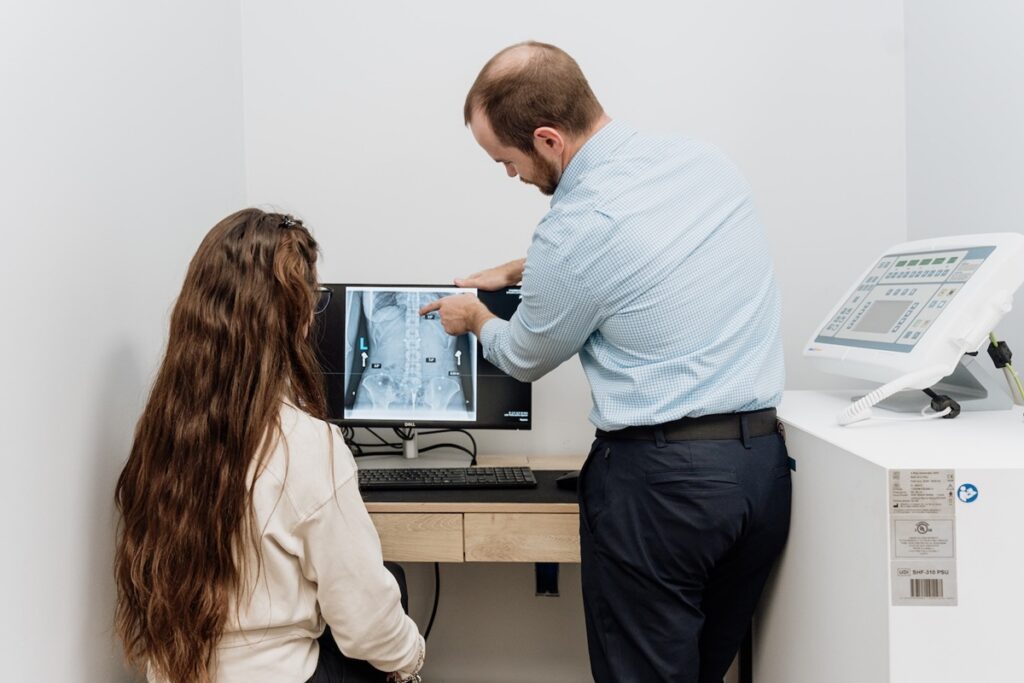

Chronic pain can be a frustrating and debilitating experience, but there are natural ways to prevent it—many of which align perfectly with chiropractic care. By making simple lifestyle adjustments, you can significantly reduce your risk of developing persistent pain. Here are ten effective strategies that not only promote wellness but also highlight the importance of chiropractic care in maintaining a healthy spine and body.
- Regular Chiropractic Adjustments: Visiting a chiropractor regularly can help keep your spine aligned and prevent the onset of chronic pain. These adjustments can enhance your body’s natural ability to heal and function optimally.
- Incorporate Exercise: Staying active is essential for overall health. Focus on low-impact activities like walking, swimming, or yoga—these can strengthen your muscles and improve flexibility without putting too much stress on your joints.
- Prioritize Sleep: Quality sleep is vital for healing and recovery. Establish a bedtime routine that promotes relaxation, and consider a supportive mattress and pillows to keep your spine aligned while you rest.
- Stay Hydrated: Drinking enough water is crucial for maintaining healthy joints and spinal discs. Aim for at least eight glasses a day to keep your body functioning properly.
- Practice Good Posture: Whether sitting at a desk or standing, maintaining good posture can prevent unnecessary strain on your spine. Be mindful of how you sit and stand throughout the day.
- Manage Stress: Chronic stress can contribute to muscle tension and pain. Explore relaxation techniques such as deep breathing, meditation, or gentle stretching to alleviate stress.
- Eat a Balanced Diet: Nourishing your body with a diet rich in fruits, vegetables, whole grains, and lean proteins can support your overall health and help manage inflammation, which is often a contributor to pain.
- Limit Screen Time: Prolonged screen time can lead to poor posture and eye strain. Take regular breaks to stretch and move around to keep your body aligned and relaxed.
- Listen to Your Body: Pay attention to what your body is telling you. If you feel discomfort in certain activities, it may be time to modify your routine or consult with your chiropractor for personalized advice.
- Incorporate Stretching and Mobility Work: Regular stretching can enhance flexibility and reduce tension in your muscles. Consider incorporating gentle stretching or mobility exercises into your daily routine to promote spinal health.
By integrating these strategies into your daily life and prioritizing chiropractic care, you can enhance your well-being and keep discomfort at bay. Remember, chiropractic care is a natural and effective way to support your journey toward optimal health. Take control of your health today, and you may find the relief you’ve been searching for!
Key Takeaways
- Embrace a regular exercise routine that includes cardiovascular activities, strength training, and stretching. This not only promotes overall health but also significantly reduces the risk of injuries that can lead to chronic pain. Remember, a well-aligned body is a strong body!
- Establishing a consistent sleep schedule is crucial. Create a calming sleep environment to enhance restorative sleep, which is vital for recovery. Quality sleep supports your body’s natural healing processes, helping you to wake up feeling refreshed and ready to tackle the day.
- Integrating chiropractic care into your health routine is one of the best investments you can make for your well-being. Chiropractors can help address alignment issues and create personalized treatment plans that specifically target your pain relief needs. Regular adjustments can keep your spine aligned and your body functioning optimally.
- Incorporate mindfulness and relaxation techniques into your daily life. Practices such as deep breathing and meditation can significantly reduce stress and muscle tension, both of which contribute to pain. By fostering a calm mind, you’re also promoting a healthier body.
- Don’t overlook the power of daily stretching and flexibility exercises. These practices can help prevent injuries and support muscle recovery, especially in tight areas like the neck and back. Keeping your muscles flexible is essential for maintaining a pain-free lifestyle.
Remember, chiropractic care is a natural and effective approach to achieving optimal health and wellness. By integrating these tips into your life, you can work towards a pain-free future!
Maintain a Regular Exercise Routine
Maintaining a regular exercise routine is crucial for supporting your overall health and preventing chronic pain. Engaging in physical activity helps strengthen your muscles and improve your flexibility, which in turn supports your joints and significantly reduces the risk of injury. As a chiropractor, I recommend a balanced approach that includes cardiovascular exercises, strength training, and stretching to keep your body functioning optimally.
Even simple activities like walking or swimming can make a big difference in your health journey. Aim to set a consistent schedule, dedicating at least 150 minutes a week to moderate exercise. It’s important to listen to your body—if something doesn’t feel right, adjust your routine to avoid overexertion and potential strain.
Incorporating variety into your workouts can also keep things fresh and enjoyable, making it easier to stick to your routine. Remember to start with a warm-up and end with a cool-down to help prevent muscle strain and enhance recovery. By prioritizing your exercise routine, you’re not only taking proactive steps toward a healthier body, but you’re also supporting your spine and overall wellness.
Additionally, consider integrating chiropractic care into your health routine. Regular chiropractic adjustments can help ensure that your body is aligned and functioning at its best, which can enhance the benefits of your exercise regimen and further reduce the likelihood of chronic pain. By focusing on natural healing and wellness through chiropractic care, you can achieve optimal health and a pain-free life.
Practice Mindfulness and Relaxation Techniques
Practicing mindfulness and relaxation techniques can significantly enhance your well-being and help prevent chronic pain, making it a perfect complement to chiropractic care. By focusing on the present moment and managing stress, you can noticeably reduce the tension that often leads to discomfort in the body.
Here are three effective techniques you can incorporate into your daily routine, alongside your chiropractic visits, to promote natural healing and overall wellness:
- Deep Breathing: Spend a few minutes each day practicing deep breathing. Inhale slowly through your nose, hold for a few seconds, and then exhale gently through your mouth. This simple exercise calms your mind and relaxes your body, allowing your nervous system to function optimally and supporting the adjustments made during your chiropractic sessions.
- Meditation: Allocate a few minutes for meditation each day. Whether it’s five or ten minutes, it can make a big difference. Find a quiet space, close your eyes, and concentrate on your breath or a soothing mantra. This practice not only relieves stress but also enhances your body’s ability to heal naturally, aligning perfectly with the principles of chiropractic care.
- Progressive Muscle Relaxation: Start from your toes and work your way up, tensing and then relaxing each muscle group. This technique helps release physical tension and promotes relaxation throughout your body. Regularly practicing this can make your chiropractic adjustments more effective by ensuring your muscles are relaxed and ready to respond positively to the treatment.
Incorporating these mindfulness and relaxation techniques into your daily routine can lead to lasting benefits, enhancing the effectiveness of your chiropractic care and supporting your journey to optimal health.
Prioritize Sleep Quality
To prevent chronic pain, prioritizing quality sleep is essential. As a chiropractor, I often emphasize the importance of a consistent sleep routine and a well-optimized sleep environment. These factors can greatly influence how effectively you rest and recover.
Here are some simple tips to enhance your sleep quality:
- Establish a Sleep Schedule: Try to go to bed and wake up at the same time every day. This helps regulate your body’s internal clock, making it easier to fall asleep and wake up refreshed.
- Create a Relaxing Environment: Make your bedroom a sanctuary for sleep. Keep the room dark, quiet, and cool. Consider using blackout curtains or a white noise machine if needed.
- Limit Screen Time: Reduce exposure to screens at least an hour before bedtime. The blue light emitted by phones and computers can interfere with your ability to fall asleep.
- Incorporate Gentle Stretches: Before bed, try some light stretching or yoga. This can help relieve tension in your muscles and prepare your body for a restful night.
- Consider Your Mattress and Pillows: An uncomfortable mattress or pillow can lead to poor sleep quality and contribute to chronic pain. Ensure your sleeping surface supports your spine’s natural alignment.
By prioritizing these aspects of sleep, you not only allow your body to recharge but also significantly reduce the risk of pain becoming a long-term issue.
Remember, chiropractic care can also play a vital role in enhancing your sleep quality by ensuring your spine is properly aligned, which can promote better rest and overall wellness.
If you’re struggling with sleep or chronic pain, I encourage you to explore the benefits of chiropractic care for a natural approach to healing and optimal health.
Establish a Sleep Routine
Establishing a sleep routine is vital for maintaining your overall health and well-being, especially when it comes to preventing chronic pain. As a chiropractor, I believe that a good night’s sleep plays a crucial role in how your body heals and functions. By creating a consistent sleep schedule, you can help your body regulate its internal clock, making it easier to drift off into restful sleep and wake up feeling rejuvenated.
Here are three simple steps to help you establish a healthy sleep routine:
- Set a Regular Bedtime: Aim to go to bed and wake up at the same time every day, even on weekends. This consistency not only reinforces your body’s natural rhythms but also supports spinal health by allowing your body to recover and repair during those crucial sleeping hours.
- Limit Screen Time: Avoid screens at least an hour before bedtime. The blue light emitted by phones, tablets, and computers can disrupt your ability to fall asleep. Instead, consider using this time for gentle activities that promote relaxation and well-being, like stretching or light yoga, which can also benefit your spine.
- Create a Wind-Down Period: Spend about 30 minutes relaxing before bed. Engage in calming activities like reading a book or practicing deep breathing exercises. This wind-down period not only prepares your mind for sleep but also reduces tension in your body, which is essential for maintaining a healthy spine.
Optimize Sleep Environment
While establishing a sleep routine is essential, optimizing your sleep environment is vital for enhancing sleep quality, reducing discomfort, and preventing chronic pain. Start by making your bedroom a peaceful sanctuary. Ensure it’s dark, quiet, and cool. Blackout curtains can effectively block out unwanted light, and a white noise machine or earplugs can help drown out any disturbances, allowing you to drift off to sleep without interruptions.
Investing in a comfortable mattress and supportive pillows tailored to your preferred sleep position is key. A good mattress can align your spine properly, which is crucial for preventing pain and ensuring a restful night. Keeping your space clutter-free promotes relaxation and reduces stress, creating an inviting atmosphere for sleep.
It’s also important to limit screen time before bed, as the blue light emitted by devices can interfere with your natural sleep cycle. Instead, consider winding down with a calming activity like reading or gentle stretching, which can also support spinal health.
Incorporating soothing scents like lavender can enhance your sleep environment, creating a tranquil atmosphere conducive to restorative rest. Remember, a well-optimized sleep space sets the stage for overall wellness and can play a significant role in alleviating discomfort.
Adopt a Balanced Diet
A balanced diet is essential for preventing chronic pain and enhancing your overall wellness, especially when paired with chiropractic care. By nourishing your body with the right nutrients, you can help reduce inflammation and support your joints and muscles, which can lead to a decrease in pain.
Here are three key components to consider:
- Fruits and Vegetables: Make sure to include a variety of colorful fruits and vegetables in your meals. These foods are packed with antioxidants and vitamins that can help fight oxidative stress and inflammation, giving your immune system a boost. Think of it as giving your body the natural tools it needs to heal itself, which aligns perfectly with the principles of chiropractic care.
- Healthy Fats: Opt for sources of healthy fats like avocados, nuts, and olive oil. Omega-3 fatty acids, which you can find in fatty fish, are particularly beneficial for reducing inflammation throughout your body. Incorporating these fats into your diet not only supports your joints but also complements the adjustments you receive in chiropractic care, promoting better mobility and comfort.
- Whole Grains: Whenever possible, choose whole grains over refined ones. Foods like quinoa, brown rice, and oats are rich in essential fiber, which supports healthy digestion. A well-functioning digestive system can contribute to your overall health, making it easier for your body to recover and thrive alongside your chiropractic treatments.
Incorporating these dietary choices into your daily routine can be a powerful step toward achieving natural wellness and pain relief. Remember, chiropractic care is here to support you on your journey to optimal health, helping your body function at its best. Small changes in your diet can make a big difference, so take it one step at a time!
Stay Hydrated
Staying hydrated is crucial not just for your overall health, but also for preventing chronic pain and supporting your chiropractic care journey. When you drink enough water, you’re helping to keep your joints and tissues lubricated, which can significantly reduce the risk of pain and stiffness. On the flip side, dehydration can lead to muscle cramps and tension, making discomfort even worse.
A good rule of thumb is to aim for at least eight 8-ounce glasses of water each day. However, feel free to adjust this based on how active you’re and the climate you live in. If you’re exercising or spending time in hot weather, you’ll want to up your fluid intake to replace what you lose.
Incorporating hydrating foods, like fruits and vegetables, into your meals can also help boost your hydration levels. Keeping a water bottle with you is a simple yet effective way to remind yourself to drink water throughout the day.
Listening to your body is key—if you’re feeling thirsty, don’t ignore it! Staying well-hydrated not only aids in preventing chronic pain but also enhances your overall physical and mental well-being.
Manage Stress Effectively
Managing stress effectively is crucial for maintaining a healthy spine and preventing chronic pain. When we experience heightened stress levels, it can lead to muscle tension and discomfort, particularly in the back and neck areas. By taking proactive steps to manage your stress, not only can you enhance your overall well-being, but you can also support your body’s natural healing processes.
Here are three effective strategies to help you manage stress and promote a healthier lifestyle:
- Practice Mindfulness: Dedicate a few minutes each day to focus on your breath or engage in simple meditation. This practice can calm your mind, reduce anxiety, and help you connect with your body—an essential aspect of chiropractic care.
- Engage in Physical Activity: Regular exercise is one of the best ways to release endorphins, your body’s natural stress relievers. Activities such as walking, stretching, or yoga can significantly improve your mood and support spinal health. Remember, even a short walk can make a big difference in your stress levels and overall health.
- Cultivate Healthy Relationships: Surrounding yourself with supportive friends and family can be a powerful stress reliever. Sharing your feelings and experiences can alleviate stress and provide emotional support, which is vital for your well-being.
Incorporating these techniques into your daily routine not only leads to a more balanced life but also helps keep chronic pain at bay.
As a chiropractor, I encourage you to make stress management a priority in your life—it’s a natural and effective way to enhance your health and well-being. Remember, chiropractic care is also a fantastic option for addressing pain and promoting a healthier spine, allowing your body to function optimally.
Incorporate Stretching and Flexibility Exercises
Incorporating stretching and flexibility exercises into your daily routine can significantly enhance your overall well-being and complement the benefits of chiropractic care. These practices not only improve your range of motion but also play a vital role in preventing chronic pain and supporting spinal health. As a chiropractor, I want to share some effective stretching techniques and flexibility routines that can easily fit into your day and work in harmony with your chiropractic treatments.
Start with simple neck stretches to relieve tension often caused by poor posture. Gently tilt your head to one side, bringing your ear towards your shoulder, and hold for 15-30 seconds on each side. This can help alleviate discomfort in the neck and upper back, areas that are frequently adjusted in chiropractic care.
Additionally, consider incorporating some gentle spinal twists. While seated or standing, slowly rotate your upper body to one side, keeping your hips facing forward. Hold for a few seconds, then switch sides. This helps maintain spinal flexibility and supports your chiropractic adjustments by keeping your spine aligned.
Don’t forget about your hamstrings! Tight hamstrings can contribute to lower back pain. Try standing up, placing one foot on a low surface, and lean forward gently, keeping your back straight. Hold for 15-30 seconds on each leg. This stretch can enhance your flexibility and support your overall spinal health.
Lastly, remember to breathe deeply during your stretches. This not only enhances relaxation but also promotes better oxygen flow throughout your body, further aiding in recovery and wellness.
Benefits of Stretching
Stretching regularly is an essential part of maintaining a healthy body and can significantly reduce the risk of chronic pain. As a chiropractor, I encourage my patients to incorporate stretching into their daily routines not only to improve flexibility but also to enhance overall well-being. Here are three key benefits of stretching that you can easily apply to your life:
- Improved Range of Motion: Stretching is crucial for keeping your joints flexible. This flexibility allows for smoother and more efficient movement, which can help prevent injuries and support your spine’s health. By regularly stretching, you can maintain a greater range of motion, making everyday activities easier and more enjoyable.
- Reduced Muscle Tension: Many of us carry tension in our muscles, which can lead to discomfort and pain. By practicing regular stretching, you can alleviate that tightness and promote relaxation. This not only helps relieve stress but also complements chiropractic adjustments, enhancing the overall effectiveness of your care.
- Enhanced Blood Circulation: Stretching promotes better blood flow to your muscles, which is vital for recovery and can help decrease the likelihood of injuries. Improved circulation supports your spine’s health and overall wellness, making it easier for your body to heal naturally.
Incorporating stretching into your daily routine doesn’t have to be complicated. Here are some simple tips to get you started:
- Set a Routine: Dedicate a few minutes each day to stretch, whether it’s in the morning, during breaks, or before bedtime.
- Listen to Your Body: Pay attention to how your body feels during stretching. Never force a stretch; gentle movements are more beneficial.
- Focus on Key Areas: Pay special attention to areas that may feel tight or sore. Common spots include the neck, back, and legs.
Recommended Flexibility Routines
Finding a flexibility routine that works for you can significantly enhance your overall health and well-being, especially when combined with chiropractic care. A strong flexibility routine not only helps in achieving natural healing but also promotes spinal health, which is crucial for optimal functioning.
Start with dynamic stretches such as arm circles and leg swings to warm up your muscles. These movements are great for getting your blood flowing and preparing your body for deeper stretches. Next, incorporate static stretches, holding each position for 15-30 seconds and focusing on major muscle groups like your hamstrings, quadriceps, and shoulders. This practice can help alleviate tension and improve your range of motion.
Consider adding yoga or Pilates sessions into your routine. These activities not only enhance flexibility but also aid in relaxation and stress relief, contributing to your overall wellness. Aim for at least 15-30 minutes of stretching three to four times a week. Remember, listening to your body is key—avoid pushing into pain and ease into each stretch to prevent injury.
Consistency is vital, so find a time in your day that allows you to prioritize flexibility. Integrating these practices with regular chiropractic adjustments can lead to even greater benefits. Chiropractic care focuses on improving spinal alignment, which can enhance your flexibility and reduce the risk of chronic pain.
Use Heat and Cold Therapy
When you’re living with chronic pain, finding effective relief is essential, and incorporating heat and cold therapy into your routine can be a game-changer. Not only do these methods help reduce inflammation and ease muscle tension, but they also promote better circulation, complementing the benefits of chiropractic care. Here’s how you can easily integrate these therapies into your daily life:
- Heat Therapy: Applying a heating pad or a warm towel to the affected area for 15-20 minutes can work wonders. This gentle warmth helps relax tight muscles and alleviates stiffness, enhancing your overall comfort. It’s a perfect complement to chiropractic adjustments, which focus on aligning your spine and relieving nerve pressure.
- Cold Therapy: For those moments when sharp pain or swelling occurs, cold therapy can be incredibly effective. Simply wrap an ice pack or a bag of frozen vegetables in a towel and apply it to the sore area for 15-20 minutes. This technique helps numb the pain and reduce inflammation, giving your body a chance to heal naturally.
- Alternating Therapies: To maximize your relief, consider alternating between heat and cold treatments. Start with cold therapy to tackle inflammation, followed by heat to soothe and relax your muscles. This combination can enhance the effectiveness of your chiropractic care, allowing for a more comprehensive approach to pain management.
Remember, while these therapies can provide temporary relief, they work best when combined with regular chiropractic visits. Your chiropractor can help identify the root causes of your pain and develop a personalized treatment plan that promotes natural healing and optimal health.
Always listen to your body and consult with your chiropractor to ensure you’re using these therapies effectively and safely. Embrace these simple yet powerful techniques as part of your journey toward a healthier, pain-free life!
Avoid Prolonged Sitting
Prolonged sitting can lead to chronic pain, especially in the lower back and hips. When you remain seated for long periods, your muscles become weak, and your posture can suffer, which can result in discomfort and pain. As a chiropractor, I encourage you to make a conscious effort to take breaks throughout your day. Aim to stand up, stretch, or take a short walk every 30 minutes. Even simple movements can help rejuvenate your muscles and improve blood circulation, reducing the risk of pain.
Consider incorporating standing or walking meetings into your routine whenever possible. You might also think about using an adjustable desk that allows you to alternate between sitting and standing. This simple change can help alleviate stiffness and promote better posture, which is crucial for maintaining a healthy spine.
It’s also important to be mindful of your sitting habits during your leisure time. Choose activities that keep you moving, such as taking a walk after dinner instead of sprawling out on the couch. By prioritizing movement in your daily life, you can prevent chronic pain from developing and enhance your overall well-being.
Seek Professional Help for Posture and Ergonomics
If you’re feeling discomfort from poor posture or improper ergonomics, working with a chiropractor can truly transform your well-being. As a local chiropractor, I want to emphasize how chiropractic care is an effective solution for addressing these issues and promoting a healthier lifestyle.
Here are three significant benefits of seeking chiropractic guidance:
- Personalized Assessment: A chiropractor can thoroughly evaluate your posture and body mechanics to pinpoint the specific factors causing your discomfort. This tailored approach ensures that you receive the right care for your unique situation.
- Targeted Exercises: Along with spinal adjustments, we provide customized exercises that target weak muscles and stretch tight ones. These exercises help improve your posture, support spinal alignment, and reduce pain naturally.
- Ergonomic Adjustments: A chiropractor can offer practical tips for optimizing your workspace. Simple changes to your chair, desk, and computer setup can significantly reduce strain on your body and promote better posture throughout your day.
It’s important not to underestimate the role of proper posture in your overall health. By choosing chiropractic care, you’re taking a proactive step toward preventing chronic pain, enhancing your quality of life, and embracing a natural approach to wellness.
Conclusion
Incorporating these ten strategies into your daily routine can help you effectively prevent chronic pain naturally while supporting your spinal health. Staying active is crucial—consider engaging in low-impact exercises such as walking, swimming, or yoga, which can strengthen your muscles and enhance flexibility. Prioritizing quality sleep is essential for recovery and overall wellness, so create a calming bedtime routine to promote restful sleep.
A balanced diet rich in whole foods can also play a significant role in reducing inflammation and supporting your body. Remember to stay hydrated, as proper hydration aids in the function of your joints and tissues. Stretching regularly can help maintain flexibility and prevent stiffness, while applying heat or cold therapy can soothe sore areas and promote healing.
Take movement breaks throughout your day, especially if you have a desk job, to keep your body active and avoid prolonged periods of sitting. Pay attention to your posture—whether sitting, standing, or moving—to reduce strain on your spine and prevent discomfort. Regular chiropractic adjustments can further enhance your spinal alignment, alleviate tension, and improve your overall health.
With consistency and mindfulness, you not only reduce the risk of chronic pain but also enhance your overall well-being. By choosing chiropractic care as your primary approach to pain relief and wellness, you can embrace a healthier, more vibrant life.